Compare gods
Pick two deities from any pantheon and see side by side what the ancient sources say about each: domain, family, the oldest works that mention them, epithets and the summary of our Study. Gods of thunder, death or the sea appear in almost every culture; the comparison shows where they meet and where each tradition stands alone.
Pantheon
Greek
Norse
Domain
Sky & Storms
Wisdom & Sorcery
Parents
Cronus, Rhea
Borr, Bestla
Unions
Metis, Themis, Eurynome, Demeter, Mnemosyne, Leto, Hera, Maia, Semele, Alcmene
Frigg, Jörð (Earth Personified)
Children
Athena, The Horae and the Moirai, The Charites, Persephone, The nine Muses, Apollo, Artemis, Ares, Hebe, Eileithyia, Hermes, Dionysus, Hercules
Thor, Baldur, Vidar, Váli
Oldest source
Hesiod, Theogony · c. 700 BC
Poetic Edda · poems of uncertain date, preserved in medieval manuscripts
Epithets
Nephelēgeréta · Olýmpios · Xénios · Hórkios · Dōdōnaîos · Lýkaios · Meilíchios
Alföðr · Valföðr · Hroptr · Grímnir · Gagnráðr · Bölverkr · Hrafnaguð
At a glance
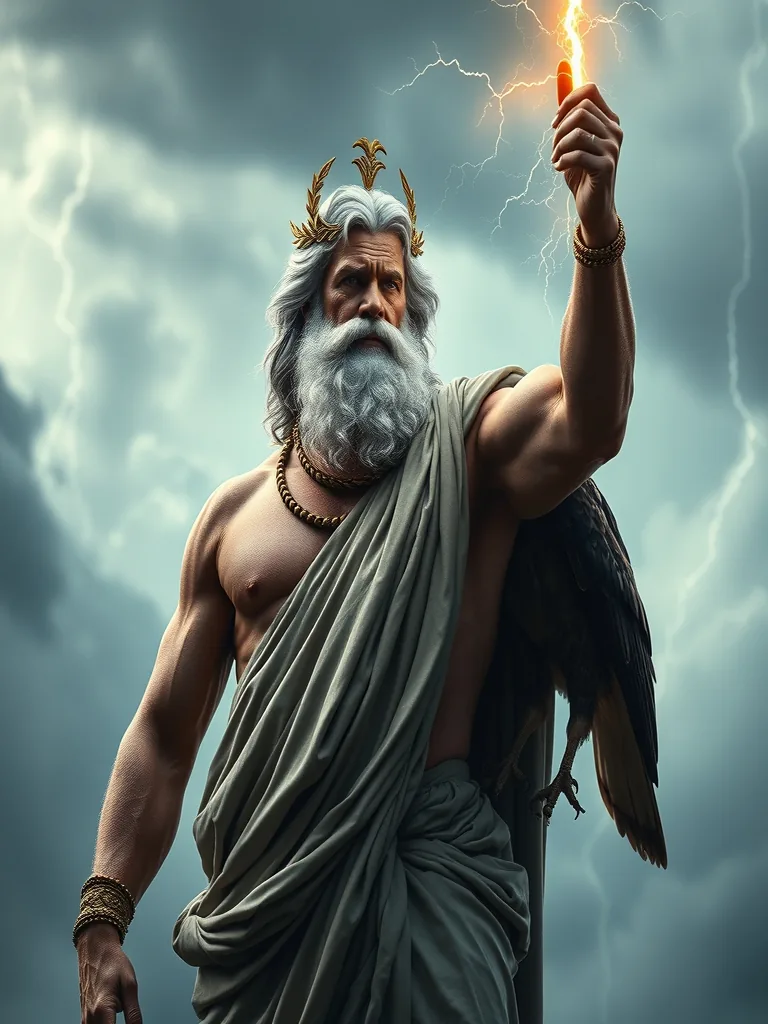
Zeus is the Greek god of the sky and thunder and the king of the gods on Olympus. His name comes from the Indo-European god of the daytime sky and already appears on Mycenaean tablets written more than a thousand years before Christ. In the poetry of Hesiod and Homer he defeats the Titans, shares out the world with his brothers and becomes the guardian of justice, oaths and hospitality.
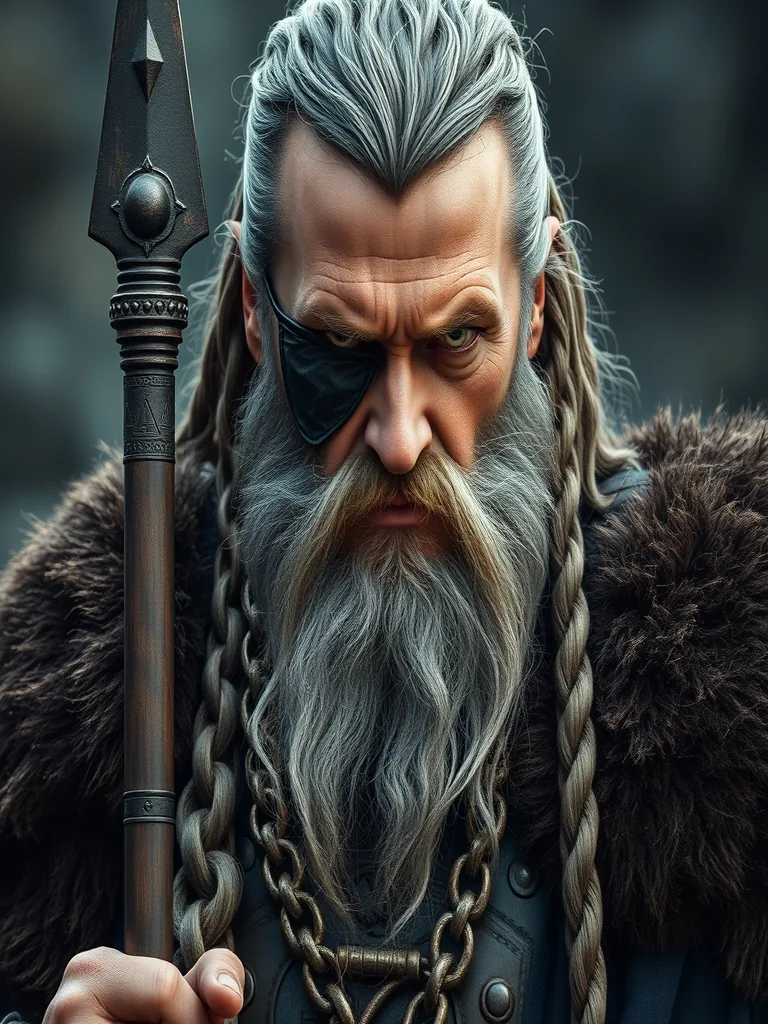
Odin (Óðinn) appears in Norse sources as a god associated with sovereignty, war, poetry, and the search for knowledge. Poems and prose assign him different names and roles: in Hávamál he recounts gaining the runes; in Gylfaginning he gives an eye as a pledge at Mímir’s well. The sources also connect him with creation alongside Vili and Vé, the mead of poetry, and the final battle of Ragnarök, where Fenrir kills him. These accounts belong to different medieval genres and compilations; they do not form one biography or make every detail a historical description.