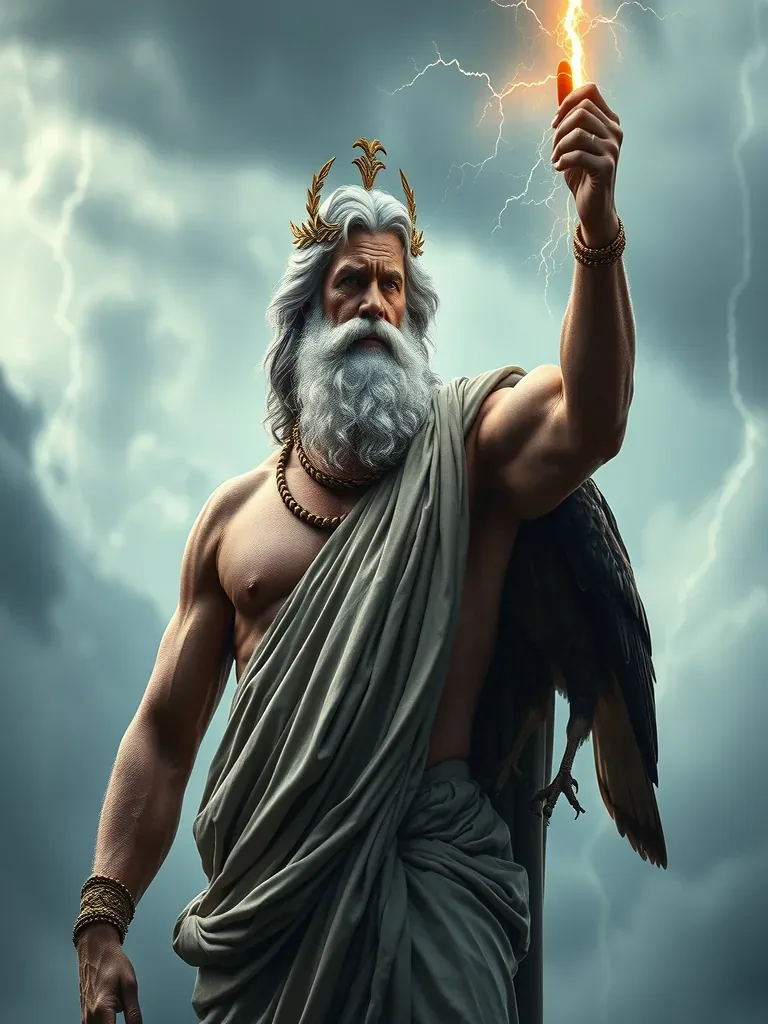
✦A universe of myths to explore
CodexMythologia
Meet the deities, explore their stories and discover symbols across cultures. Your next discovery begins here.
- 500
- deities
- 23
- pantheons
- 04
- languages
Archive of traditions · digital edition
Observatory of myths / 001
Every civilization, a sky.
Open a pantheon and follow its constellations, symbols, and deities.
Ancient Lore & Cultural Dossiers
Codex Mythologia compiles historical and mythological research on 500 deities across 23 ancient pantheons. Freely explore myths, sacred relics, symbols, and available audio narrations in your browser. The AI Scribe allows 2 questions a day on the free plan and up to 60 on PRO.
Official Mobile App (Google Play)
Experience natural voice narrations, interactive tools, and portable study on your Android device.
Complete Experience — Codex PRO
Codex PRO subscribers get up to 60 AI Scribe questions a day, with conversations saved to their account.
The Codex is constantly expanding: new pantheons, historical figures, and study tools arrive with every update.
Thank you for exploring world mythology with us.
God of the day
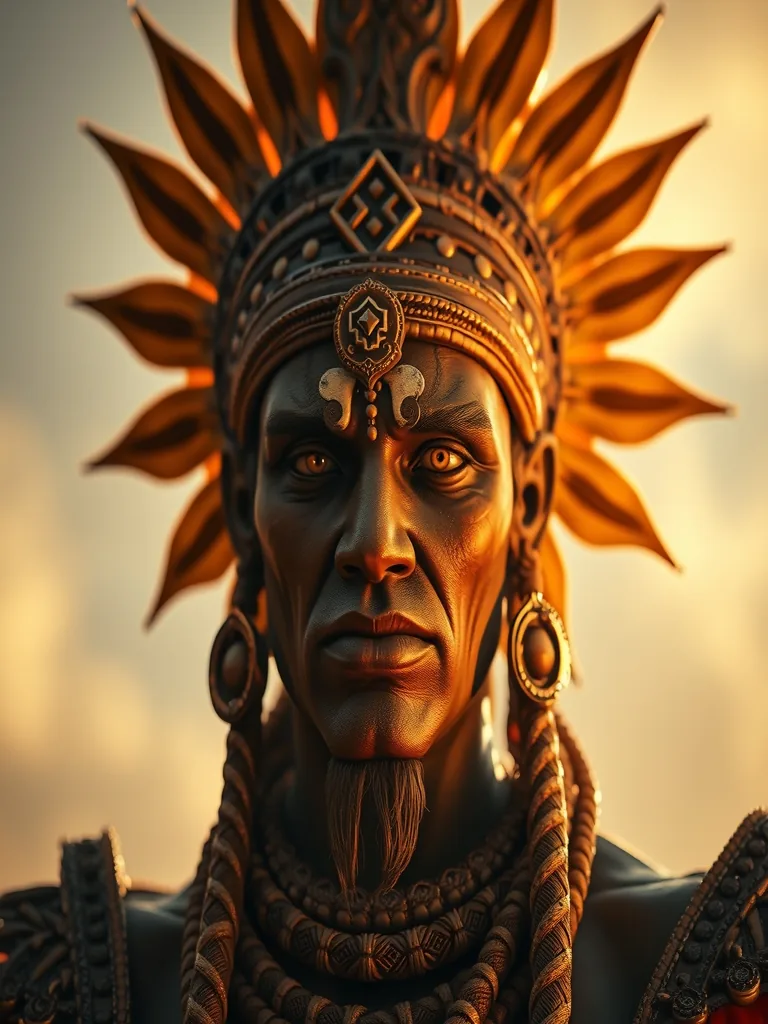 Codex / 2026-11-08
The Sun God of the Solar Face
Kinich Ahau
Kinich Ahau (in the classic Maya epigraphic spelling K'inich Ajaw, meaning 'Lord of the Sun Eyes' or 'Lord of the Sun Face') is the supreme Maya deity of the daytime sun, of celestial light and cosmic heat, and the sacred archetype of dynastic kingship, widely documented in the Classic and Postclassic periods. Classified in Paul Schellhas's system as 'God G', K'inich Ajaw is iconographically distinguished by large quadrangular or almond-shaped strabismic eyes containing the stylized four-petalled flower of the k'in glyph ('sun' / 'day'), a central upper tooth carved in a T shape (alluding to the sharp tooth of the sea shark), and curled volutes rising from the corners of the mouth, representing radiant solar heat. During the Classic period, the supreme rulers of the great Maya metropolises (such as Palenque, Tikal, Copán and Calakmul) invariably adopted the sacred royal prefix K'inich in their enthronement names (exemplified by K'inich Janaab' Pakal of Palenque and K'inich Yax K'uk' Mo' of Copán) to attest their condition as living incarnations and earthly priests of the sun. In Maya cosmology, the solar cycle comprised a daytime phase across the celestial vault and a nightly journey through the watery underworld of Xibalba, where the god was transfigured into the 'Jaguar God of the Underworld' (the black sun of the night). Colonial sources, notably Friar Diego de Landa, report that in the city of Izamal the sun was venerated under the invocation of Kinich Kakmó ('Fire Macaw with Solar Face'), and it was believed that he descended at midday as a burning bird to consume the offerings on the altars.
Featured deities

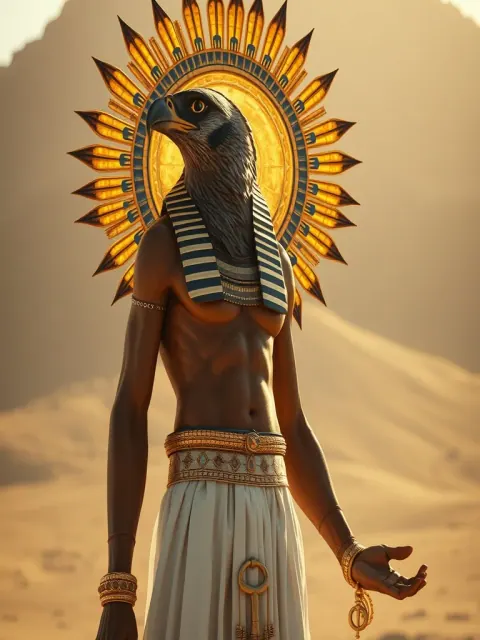



The complete codex
Codex
500 deities with scrolls, myths, symbols, lineage and relics.
Open 02Rune Decoder
Write any name in the Elder Futhark alphabet and decode ancient inscriptions.
Open 03The Oracle
Five questions reveal which deity rules your essence.
Open 04The Scribe
Talk to the deity itself through the Scribe — 2 questions a day on the free plan.
OpenPantheons of the world
Listen to every scroll
Listen to the whole scroll without stopping, in English and Portuguese: the main deities have recorded voice and the rest are read by your browser voice. All free, no subscription.
Hear an example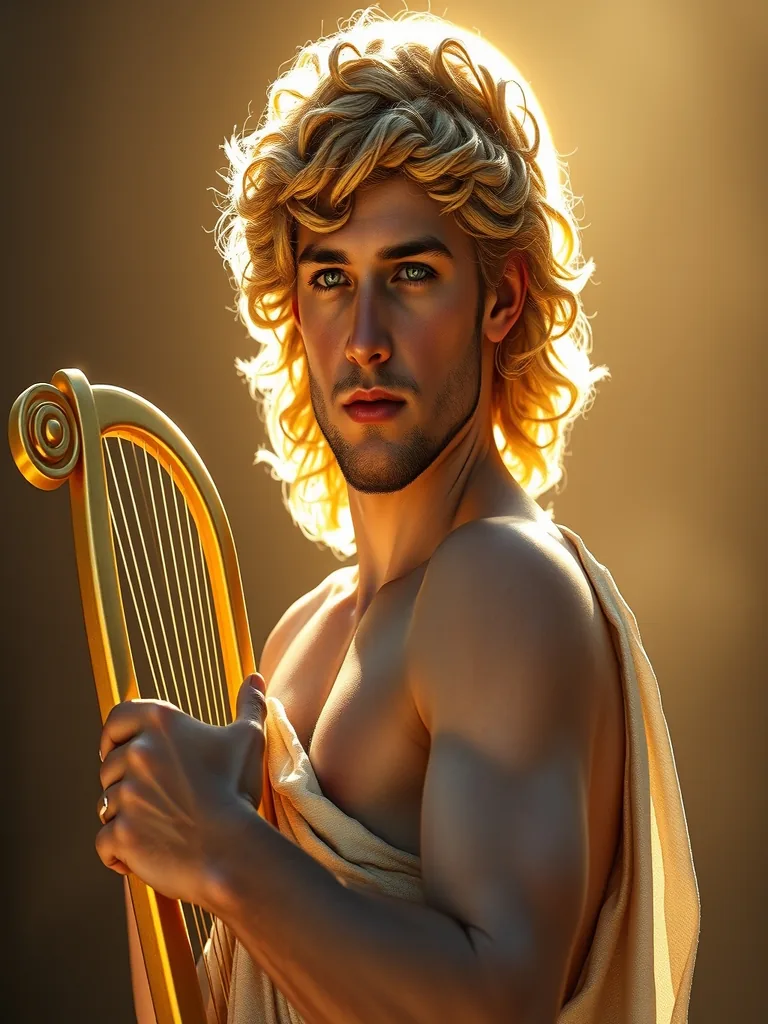
Beyond the atlas
Codex PRO
Every deity has art, attributes, scroll, symbols, lineage, myth, relic and curiosity open to anyone on the site. PRO is for those who want more: up to 60 questions a day in the Scribe, the PDF dossier, ad-free browsing and everything saved to your account.
See plansCodex is also an app on Google Play. Subscriptions are independent: the site one applies to the site only, and the one purchased inside the app through Google Play applies to the app only — each with its own billing and cancellation.