CMCodex
Back to the Codex
Mani
Indigenous

Mani

The Girl Who Became Cassava

Domain
Food, Earth & Life
Alignment
Neutral Good
Element
Earth
Relics of Power
Root of the Cassava
Speak with Mani

The People

People
Indigenous peoples of Brazil
Region
Brazil & South America
Period
pre-colonial – present

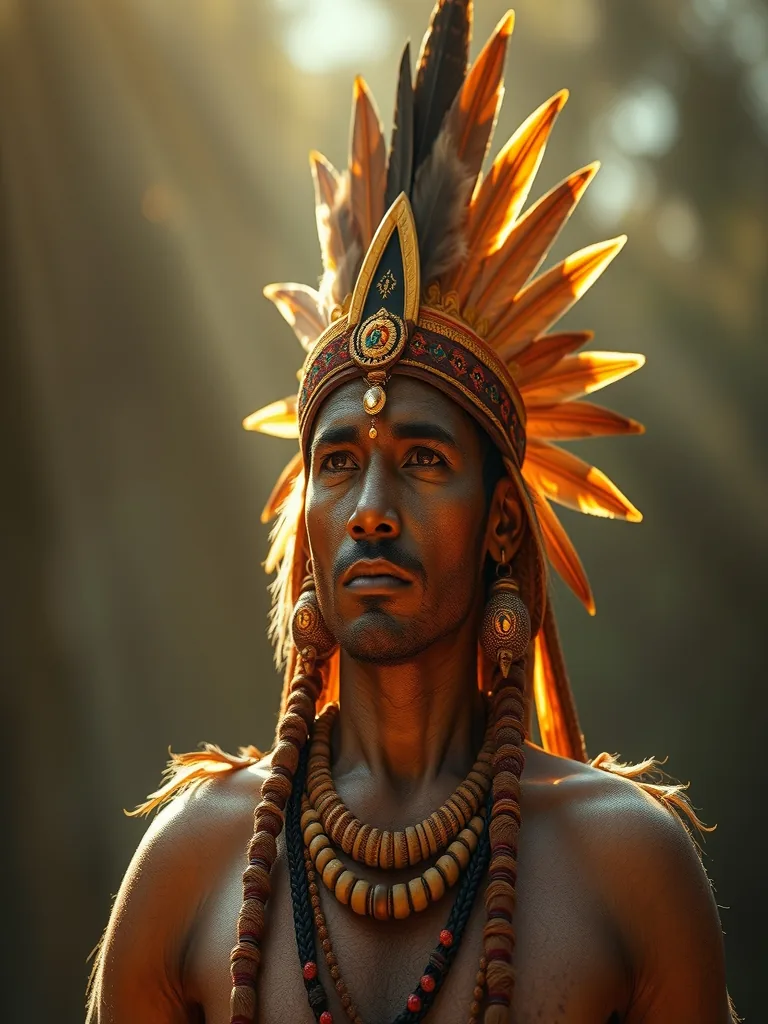
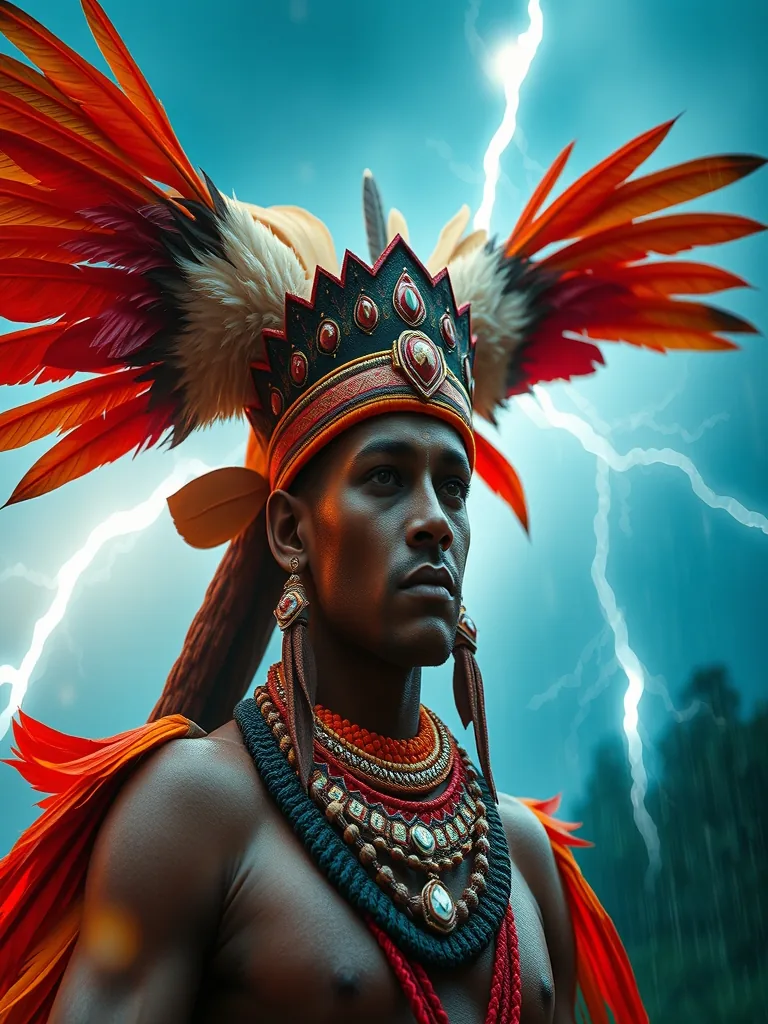
The Indigenous spirits and culture heroes are revered by the native peoples of Brazil, such as the Tupi, Guarani, and Yanomami. Their beliefs, passed down orally by shamans and elders, bind humans to the forest, the rivers, and the ancestors. They remain alive in the Indigenous communities that endure to this day.

Shamans lead rituals with songs, rattles, and sacred plants, mediating contact with the spirits of the forest. In the Upper Xingu, the Quarup honors illustrious dead with dances and wrestling, and cauim feasts gather entire villages in ceremonial celebrations.
The Sacred Scrolls

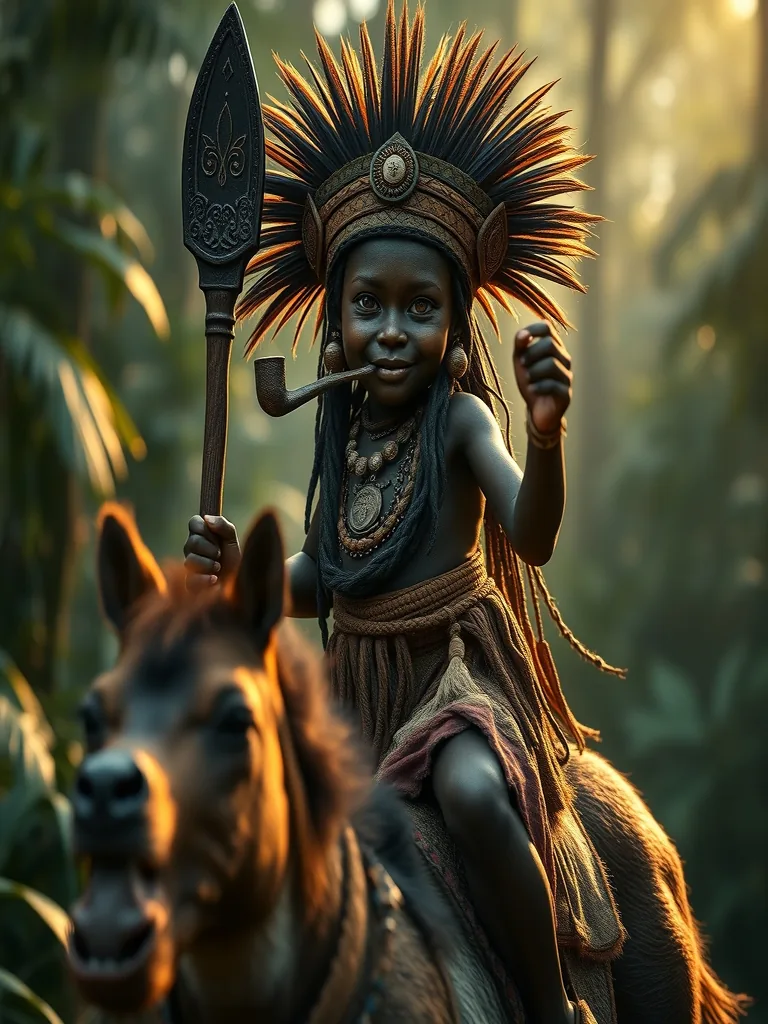
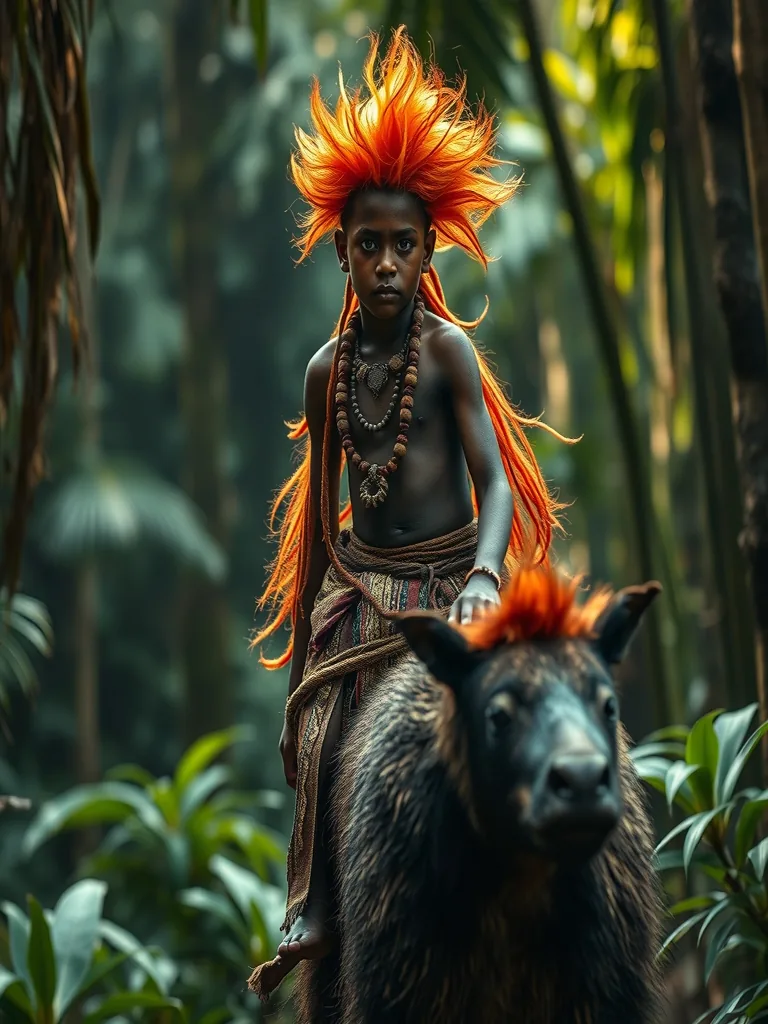
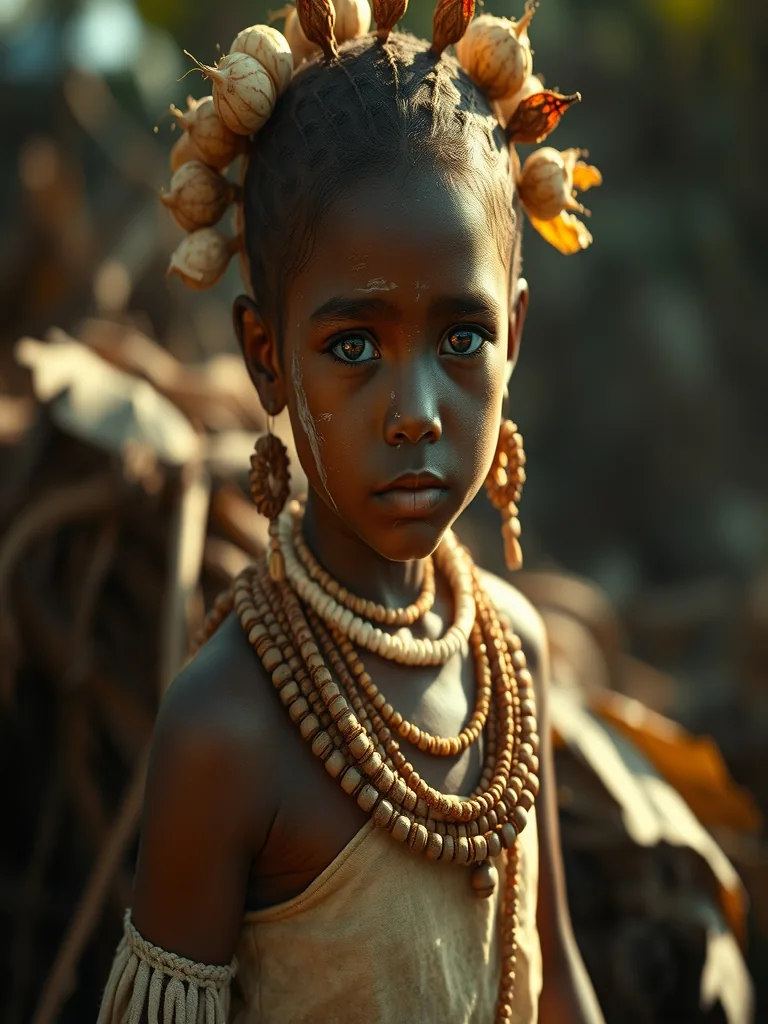
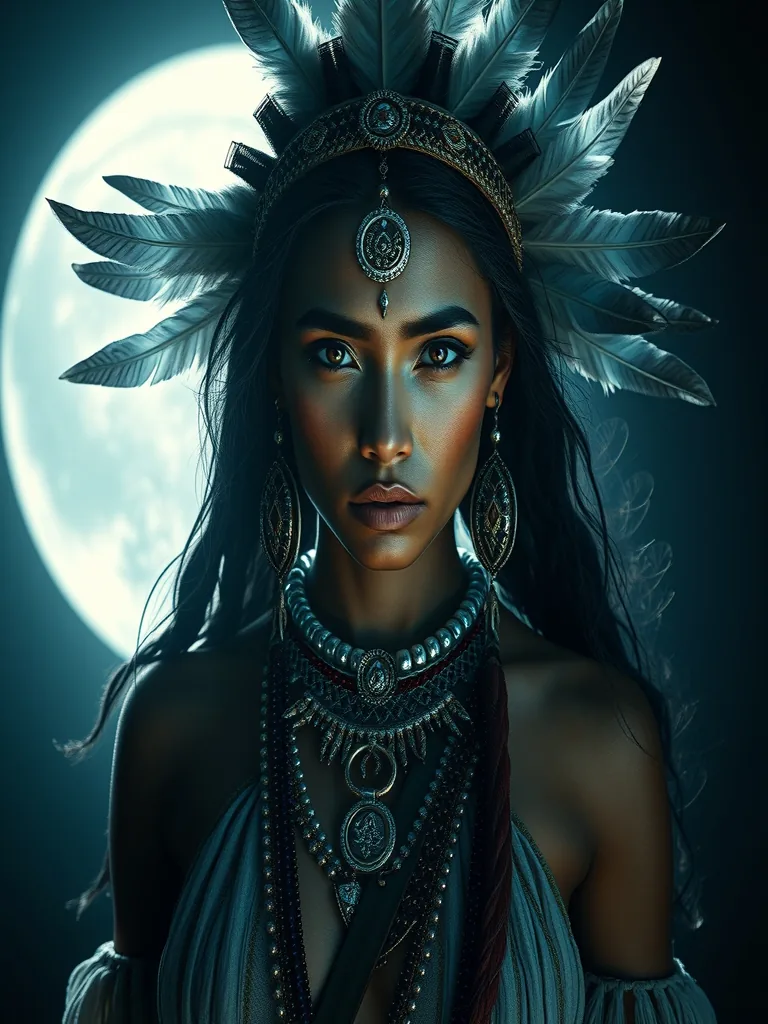
Mani, or Mani Oca, is the mythical figure of the origin of cassava in Tupi-Guarani tradition. A girl of very white skin, born in a mysterious way, she is the personification of the food that became the foundation of indigenous life. Her story links the death of a child to the birth of the plant that feeds entire peoples. As The Girl Who Became Cassava, this deity occupies a position of supreme prestige in the indigenas pantheon. Their domains over Food, Earth & Life reflect ancestral cosmic order maintained across millennia. In classical iconography, they are depicted with an aura of unshakeable majesty and sacred attributes that inspired reverence in emperors and peasants alike. Their influence extended beyond earthly boundaries, governing fates and harmony between the visible and invisible worlds. For ancient devotees, contemplating their essence was to understand the very fundamental forces of nature and human existence.

Sacred Symbols

The white root, the earth, the field and the flour

Divine Lineage

Granddaughter of an indigenous chief; born of a young woman made pregnant in a mysterious way.

The Legendary Myth

The legend tells that an indigenous young woman gave birth, without having known a man, to a white-skinned girl named Mani, who charmed everyone.

Legends & Deeds

A celebrated secondary legend preserved in the oral traditions of the indigenas recounts the journey when Mani intervened directly in the lives of mortals.

Cult & Worship

Historically, the cult of Mani occupied a central place in the religious and architectural calendar of antiquity.

Relics of Power

The white root born from her buried body, the food that sustains the peoples of the forest.

Did You Know?

The word 'mandioca' (cassava) derives directly from 'Mani-oca' (the house of Mani), and related terms preserve the same name of the girl from the myth.

The rest of this scroll is sealed

The myth, the legends, the cult, the relic and the curiosity are part of the full Codex. Without a subscription you open 3 scrolls a day.

See Codex PRO

From the same pantheon

View pantheon