Skip to content
CodexMythologia
Back to the Codex
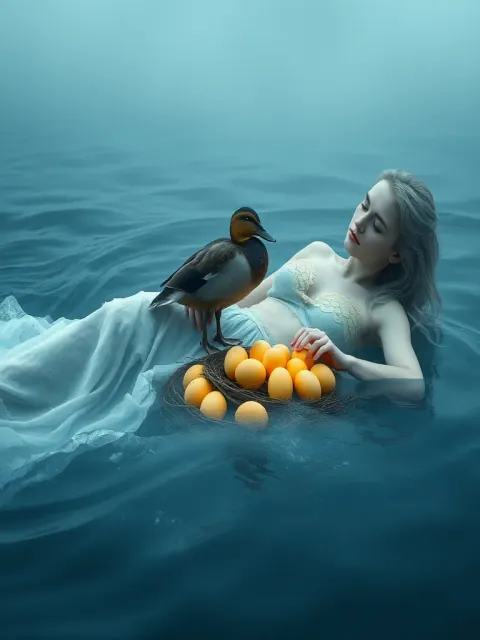
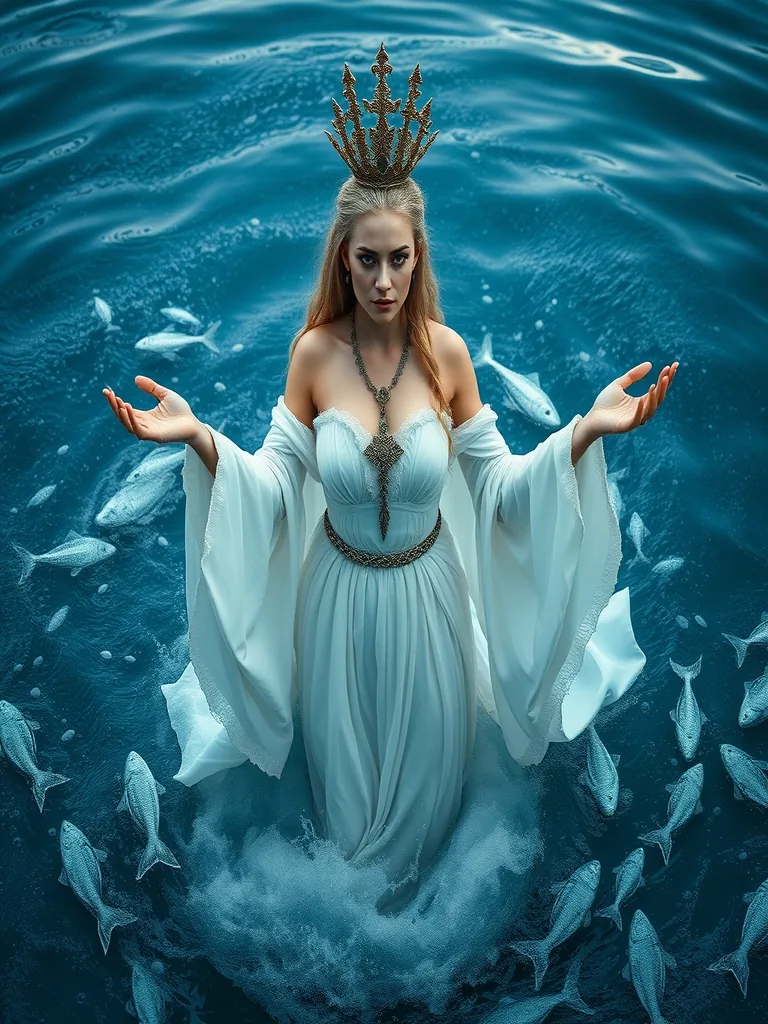
Portrait of Vellamo, Finnish deity
Finnish
Tap or drag
Finnish

Vellamo

The Queen of the Waves

Domain
Sea, Riches & Fortune
Alignment
Neutral Good
Element
Water
Relics of Power
Mantle of Sea Foam
Speak with Vellamo

The full Codex

5 sections of this entry are open to everyone: the summary, the people, the symbols, the lineage and the sources. The other 9 (Name and epithets, In the ancient sources, The myths, Worship and archaeology, How the god was depicted, What scholars debate, After antiquity, Did you know?, Codex relic) are part of the full Codex: PRO opens the whole study of all 500 deities, and without a subscription you can read one full entry a day, just like in the app.

The People

People
Finnic peoples
Region
Finland & the Baltic
Period
antiquity – 19th c.

The Finnish deities were worshipped by the Finnic peoples of the forests and lakes of northern Europe. Tied to nature, the hunt, and the magic of words, they were passed down orally for generations. In the 19th century, Elias Lönnrot gathered these songs into the Kalevala, Finland's national epic.

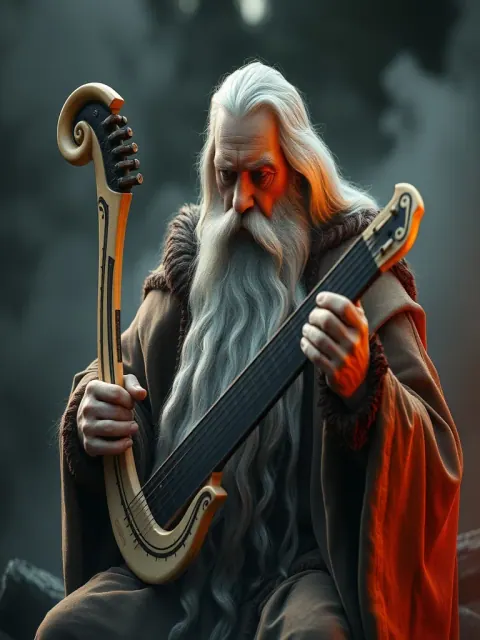
Rune singers passed the myths down in verses sung to the kantele, Väinämöinen's sacred zither. At the feast of Ukon vakat, drink offerings were made to Ukko for thunder and a good harvest, and hunters performed rites of apology to the spirit of the slain bear.

At a glance

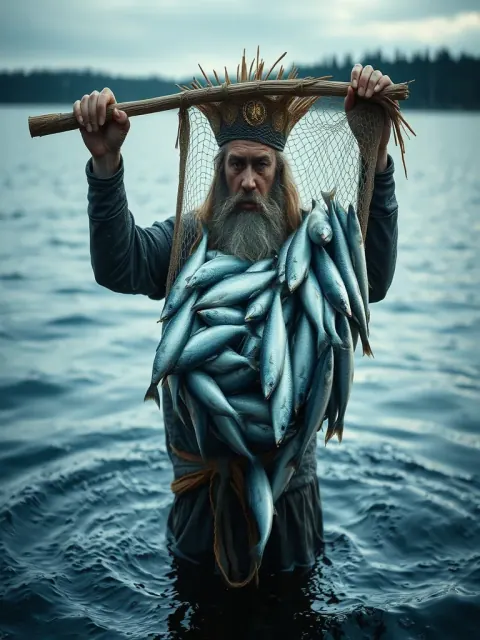
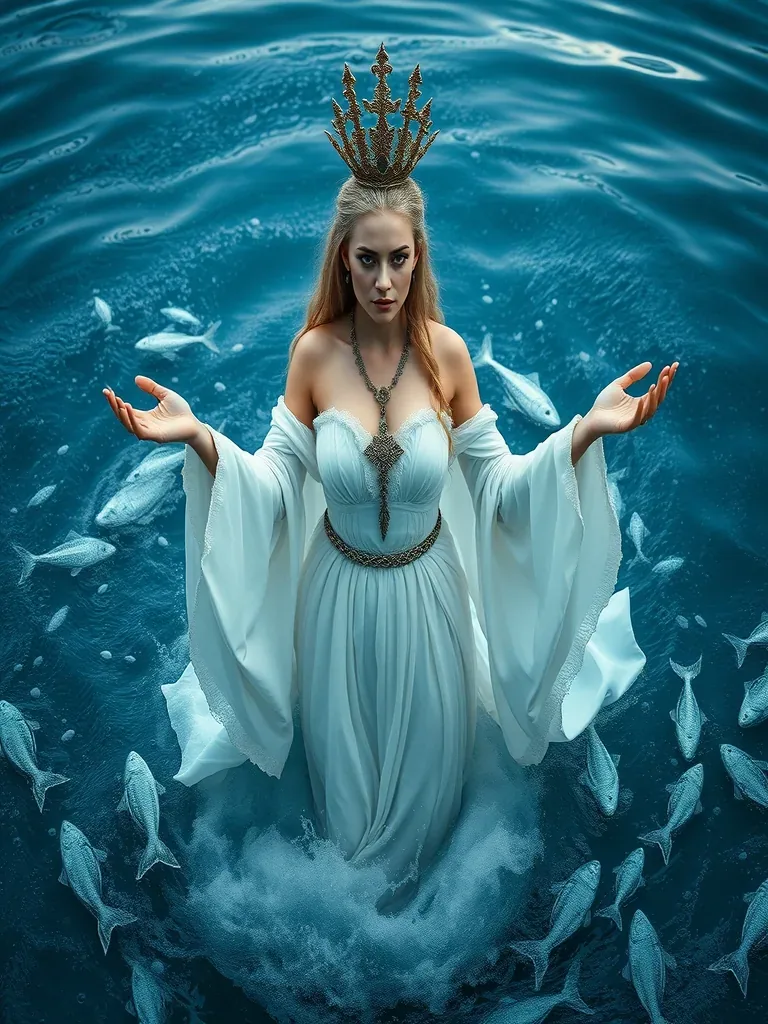
Vellamo (frequently spelled Wellamo in nineteenth-century runic manuscripts and critical editions of the Kalevala) is the preeminent tutelary goddess of fresh and marine waters in traditional Finno-Karelian religion. Spouse and female sovereign counterpart to Ahti (Ahto), she presides over the submerged stronghold of Ahtola, exercising protective authority across the depths of lakes, bays, and rivers. Invoked in ancient runic poetry (SKVR) as Veen emäntä ('Mistress of the Water') and Meren emäntä ('Mistress of the Sea'), Vellamo embodies the tranquil, clear, and generous dimension of the aquatic element. According to seasonal fishing charms and ritual incantations (kalaloitsut), she was the keeper of underwater herds — a poetic metaphor designating shoals of salmon, whitefish, perch, and Baltic herring —, beseeched by fishermen to steer her bounty toward their seines and gill nets. Traditional folk narratives also credited her with pasturing mystical cattle with mottled or bluish coats, which climbed onto coastal banks at dusk to graze upon reeds while the goddess rested combing her long locks upon moisture-laden rocks. In the Kalevala epic compiled by Elias Lönnrot, she emerges in Rune 41 captivated by the enchanted music of Väinämöinen's pike-bone kantele, falling asleep upon multicolored ledges, and in Rune 5 she serves as mistress of the undersea sanctuary where maiden Aino found eternal refuge.

6 min read · Reviewed on September 30, 2026 · How we research

Sacred symbols

The sea foam, the pearls, the fish and the mantle of seaweed

Family

Vellamo
Unions
Children
Maidens of Vellamo and daughters of the waters (subaquatic maidens and nymphs in fishing charms, among whom Aino was received in the Kalevala)
Genealogy according to Etnografia e épicos fínicos: Lönnrot (Kalevala 1849, cantos 5, 41, 42); Agricola (1551); Ganander (1789); poemas rúnicos do acervo SKVR; análises de Krohn (1914), Harva (1948) e Siikala (2012)

Sources and further reading

Primary sources

  • Agricola, Mikael, Dauidin Psalttari (Psalttarin esipuhe / Mikael Agricolan jumalaluettelo). translation: Historical preface in archaic Finnish containing the list of pagan deities (1551), checked on Wikipedia. read
  • Lönnrot, Elias (Comp.) & Crawford, John Martin (Trans.), Kalevala: The Epic Poem of Finland (Runos V, XLI, XLII). translation: Complete edition in English on the Internet Sacred Text Archive. read
  • Lönnrot, Elias (Comp.) & Crawford, John Martin (Trans.), The Kalevala: The Epic Poem of Finland (1888). translation: Complete text archived at Project Gutenberg (#5186). read
  • Lönnrot, Elias, Kalevala (1849, Suomen Kansan Kansalliseepos). translation: Complete digital edition in Finnish at Project Gutenberg (#25953). read
  • Abercromby, John, The Pre- and Proto-historic Finns (Vol. II: Magic Songs of the West Finns). translation: Digital English version of the Finnic ritual charms in the Sacred Texts archive. read
  • Suomalaisen Kirjallisuuden Seura (SKS), SKVR: Suomen Kansan Vanhat Runot (Digital Database). translation: Digital archive of Finnish and Karelian oral runic poetry. read
  • Ganander, Christfrid, Mythologia Fennica (1789). translation: Complete historical facsimile on the Internet Archive. read

Studies

  • Harva, Uno, Suomalaisten muinaisusko. WSOY, Helsinque & Porvoo, 1948. open
  • Pulkkinen, Risto & Lindfors, Stina, Suomalaisen kansanuskon sanakirja. Gaudeamus, Helsinque, 2016. open
  • Krohn, Kaarle, Suomalaisten runojen uskonto. Suomalaisen Kirjallisuuden Seura, Porvoo, 1914. open

Name and epithets

The theonym Vellamo derives from the archaic Finnish verb velloa, denoting rhythmic swaying, rippling agitation, or the churning motion of waves upon open water.

In the ancient sources

Dauidin Psalttari (Preface to David's Psalter), 1551 CE. Mikael Agricola documents Wedhen Eme leading fish into fishing nets ('Wedhen Eme wei calat vercon').

The myths

Slumbering upon the Multi-Hued Rock to the Notes of the Pike-Bone Kantele. In the forty-first rune of the Kalevala, the patriarch Väinämöinen sits atop a song-stone to play his first kantele, crafted from the formidable…

Worship and archaeology

Vellamo's veneration was rooted in the daily subsistence practices of lacustrine and maritime fishermen throughout Häme, Savo, and coastal Finland.

How the god was depicted

In traditional oral poetry, Vellamo is envisioned as a majestic, mature woman clad in a garment woven from dried lake reeds (ruokopaita) and enveloped in a mantle of white ocean foam (vaahtovaippa) or deep sea-blue clot…

What scholars debate

. The primary scholarly debate concerning Vellamo centers on the chronological relationship between her individualized theonym and the generic, widespread concept of the 'Mother of Water' (Vete-ema, Ved-ava) found acros…

After antiquity

During the Golden Age of Finnish Art and National Romanticism in the late nineteenth century, Vellamo and her subaquatic maidens inspired pivotal visual and musical masterpieces.

Did you know?

The goddess lends her name to one of Northern Europe's most prominent museum complexes: the Maritime Centre Vellamo (Merikeskus Vellamo), opened in 2008 in the port city of Kotka, designed by architects Lahdelma & Mahla…

Codex relic

Mantle of Sea Foam. The mantle of foam and seaweed that clothes the queen of the waters, rippling with the ebb and flow of the tides.

The rest of this scroll is sealed

The legends, the myth, the cult and relics are part of the full Codex. You can open 1 full entry for free every day; to open all 500 deities with no limits and no ads, subscribe to Codex PRO.

See Codex PROGet it on Google Play

From the same pantheon

View pantheon