5 sections of this entry are open to everyone: the summary, the people, the symbols, the lineage and the sources. The other 9 (Name and epithets, In the ancient sources, The myths, Worship and archaeology, How the god was depicted, What scholars debate, After antiquity, Did you know?, Codex relic) are part of the full Codex: PRO opens the whole study of all 500 deities, and without a subscription you can read one full entry a day, just like in the app.
The demigods and heroes were children of gods and mortals, revered in their own cults for their extraordinary feats. Figures like Heracles and Perseus bridged the divine and human worlds, serving as models of courage. They were honored at local shrines and celebrated in poems and tragedies.
Heroes received cult at their tombs, the heroa, with nocturnal libations and the sacrifices proper to the divinized dead. Funeral games and festivals, such as those held in honor of Heracles, celebrated their feats as a model for the living.
01
At a glance
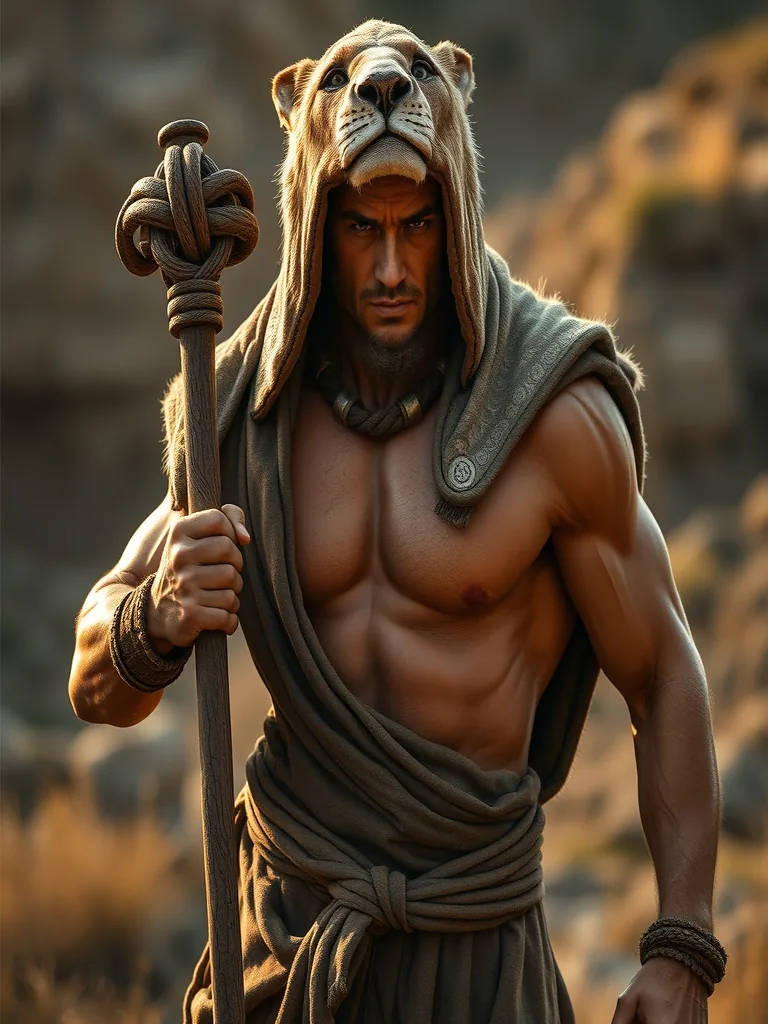
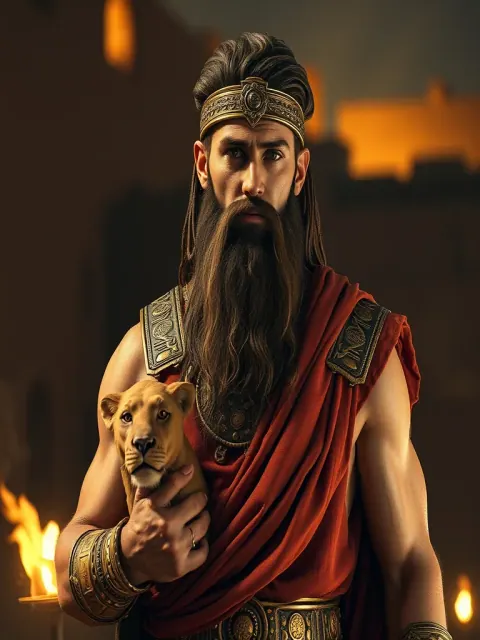
Hercules (Latin: Hercules; Ancient Greek: Herakles / Ἡρακλῆς) is the foremost and most widely venerated divine hero of classical Greco-Roman antiquity, celebrated as the supreme archetype of indomitable physical strength, stoic endurance, and triumphant apotheosis over mortal anguish. Born from the union of Jupiter (Zeus) and mortal queen Alcmene, he was hounded from infancy by the unrelenting wrath of Juno (Hera), famously strangling two deadly serpents sent to his crib while still an infant. Compelled by King Eurystheus of Mycenae to perform the Twelve Canonical Labors to expiate the tragic madness in which he had slain his first wife and children, Hercules slew the Nemean lion, cauterized the heads of the Lernaean Hydra, captured the Erymanthian boar and Ceryneian hind, cleansed the Augean stables in a single day, routed the Stymphalian birds, captured the Cretan bull and man-eating mares of Diomedes, seized the girdle of the Amazon queen Hippolyta, drove the cattle of Geryon from the far west, retrieved the golden apples of the Hesperides, and dragged the three-headed hound Cerberus from the depths of Hades. In archaic Roman tradition chronicled by Virgil in the 'Aeneid' (Book 8) and Livy, Hercules was venerated as a civilizing benefactor who freed the Tiber valley by slaying the fire-breathing monster Cacus upon the Aventine Hill, founding Rome's oldest and most sacred cult site: the Ara Maxima Herculis Invicti in the Forum Boarium. Dying in agony after donning a tunic soaked in the Hydra-poisoned blood of the centaur Nessus, Hercules erected his own funeral pyre on Mount Oeta; his mortal flesh consumed by fire, his divine essence was borne in a chariot of thunderbolts to Mount Olympus, where he was welcomed among the immortal gods and wed Hebe, the goddess of eternal youth.
11 min read · Reviewed on September 30, 2026 · How we research
02
Sacred symbols
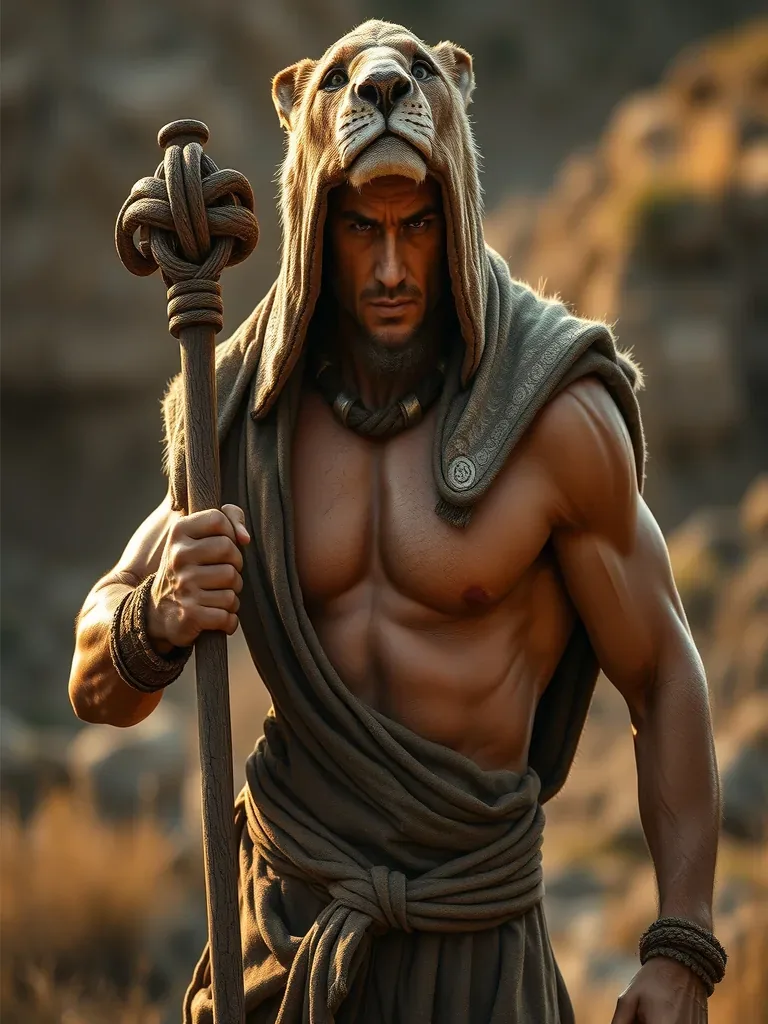
Club, the Nemean Lion's skin and the bow
03
Family
Parents
Jupiter (Zeus in Greek tradition) and the mortal queen Alcmene of Thebes
Siblings
Iphicles (his mortal twin brother fathered by King Amphitryon)
Hercules
Unions
Megara (Theban princess), Deianira (Calydonian princess), and Hebe (goddess of eternal youth, wed on Olympus following apotheosis)
Children
Hyllus (firstborn with Deianira and patriarch of the Heraclidae), Tlepolemus, Telephus, and numerous heroic offspring across the provinces
Genealogy according to Virgílio, Eneida 8.184-279; Tito Lívio, Ab Urbe Condita 1.7; Pseudo-Apolodoro, Biblioteca 2.4-7; Ovídio, Metamorfoses 9.134-272; Hesíodo, Teogonia 526-532, 950-955
04
Sources and further reading
Primary sources
Publius Vergilius Maro, Aeneid (Aeneis – Book 8, lines 184–279). translation: H. Rushton Fairclough (Loeb Classical Library, Harvard University Press, 1916) / Carlos Alberto da Costa Silva. read
Titus Livius, History of Rome from its Foundation (Ab Urbe Condita – Book 1, chapter 7). translation: B. O. Foster (Loeb Classical Library, Harvard University Press, 1919). read
Pseudo-Apollodorus, Mythological Library (Bibliotheca – Book 2, chapters 4–7). translation: James G. Frazer (Loeb Classical Library, 1921). read
Publius Ovidius Naso, Metamorphoses (Metamorphoses – Book 9, lines 134–272). translation: Frank Justus Miller (Loeb Classical Library, 1916). read
Hesiod, Theogony (Theogonia – lines 526–532 and 950–955). translation: Glenn W. Most (Loeb Classical Library, Harvard University Press, 2006) / Jaa Torrano. read
Studies
Georg Wissowa, Religion und Kultus der Römer. C. H. Beck, 1912. open
Walter Burkert, Greek Religion. Harvard University Press, 1985. open
Karl Galinsky, The Herakles Theme: The Adaptations of the Hero in Literature from Homer to the Twentieth Century. Rowman & Littlefield, 1972. open
Denis Feeney, The Gods in Epic: Poets and Critics of the Classical Tradition. Oxford University Press, 1991. open
Mary Beard, John North, and Simon Price, Religions of Rome: Volume 1, A History. Cambridge University Press, 1998. open
Name and epithets
The Latin teonym Hercules represents an archaic Italic and Etruscan (Hercle) adaptation of the original Ancient Greek name Hēraklês (Ἡρακλῆς).
In the ancient sources
Aeneid (Aeneis), ca. 29–19 BCE. Virgil's monumental epic account of Hercules defeating the fire-breathing monster Cacus on the Aventine Hill and the origin of the Ara Maxima. History of Rome (Ab Urbe Condita), ca.
The myths
The Slaying of Monster Cacus and Foundation of the Ara Maxima. As recorded in Virgil's 'Aeneid' (Book 8) and Livy's 'Ab Urbe Condita', Hercules was driving the crimson cattle of Geryon through central Italy when he halt…
Worship and archaeology
The veneration of Hercules was among the most ancient, prestigious, and widespread cults of Rome and the broader Italic peninsula.
How the god was depicted
Classical visual representations of Hercules are characterized by unmistakable heroic attributes, codified in Greek sculpture by Lysippos and celebrated throughout Roman statuary.
What scholars debate
Early Hellenization of Latium and the Forum Boarium Cult. Historians of Roman religion like Georg Wissowa and Kurt Latte analyzed the introduction of Hercules into archaic Latium long before the official importation of…
After antiquity
Hercules remains one of the most recognizable cultural and literary archetypes of Western civilization. During the Renaissance, masters such as Michelangelo, Pollaiuolo, and Giambologna celebrated his struggles against…
Did you know?
At Rome's Ara Maxima, priests sacrificed according to Greek custom (ritu graeco) with their heads completely uncovered (capite aperto), in direct contrast to traditional Roman rites which required covering the head with…
Codex relic
Nemean Lion Skin. An impenetrable cloak offering immunity to blades and fire.
The rest of this scroll is sealed
The legends, the myth, the cult and relics are part of the full Codex. You can open 1 full entry for free every day; to open all 500 deities with no limits and no ads, subscribe to Codex PRO.