Skip to content
CodexMythologia
Back to the Codex
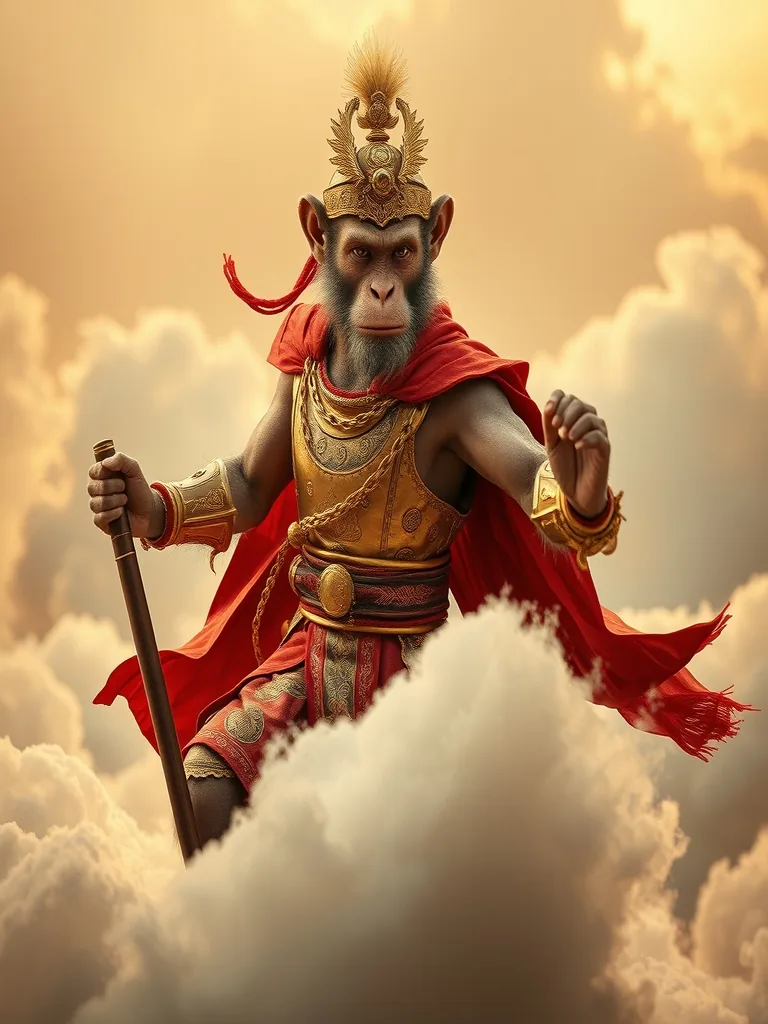
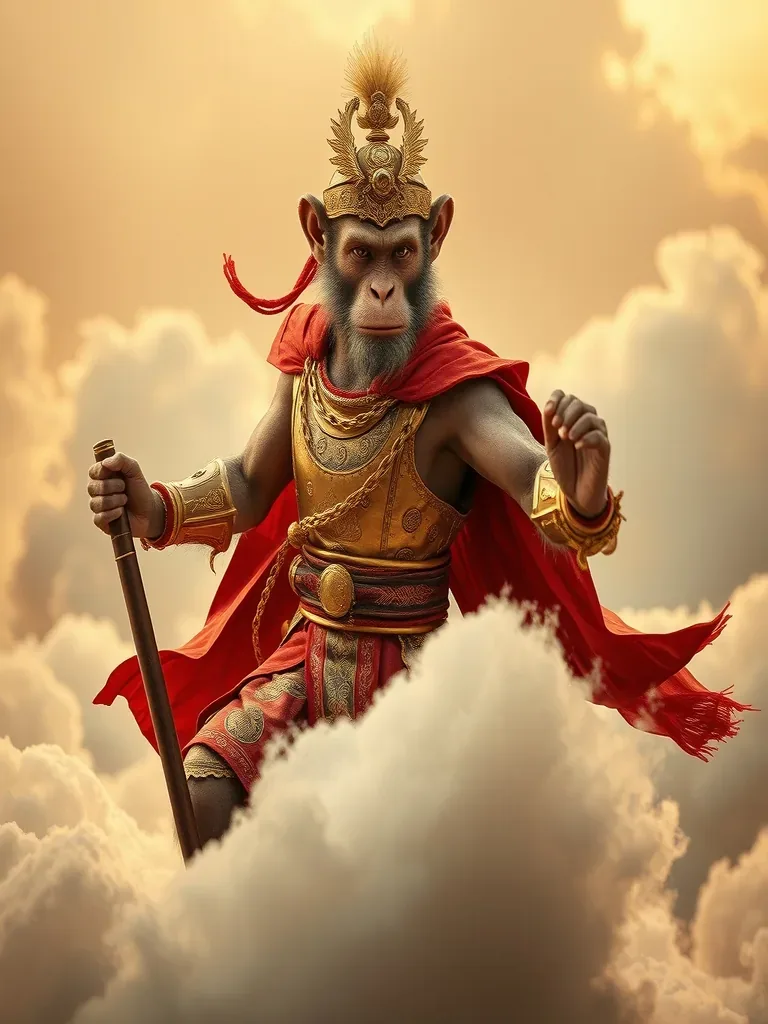
Portrait of Sun Wukong, demigod
Demigods
Tap or drag
Demigods

Sun Wukong

The Monkey King

Domain
Trickery, Combat & Enlightenment
Alignment
Chaotic Good
Element
Air
Relics of Power
Ruyi Jingu Bang Staff
Speak with Sun Wukong

The full Codex

4 sections of this entry are open to everyone: the summary, the people, the symbols, the lineage and the sources. The other 9 (Name and epithets, In the ancient sources, The myths, Worship and archaeology, How the god was depicted, What scholars debate, After antiquity, Did you know?, Codex relic) are part of the full Codex: PRO opens the whole study of all 500 deities, and without a subscription you can read one full entry a day, just like in the app.

The People

People
Heroes & demigods
Region
The ancient world
Period
antiquity

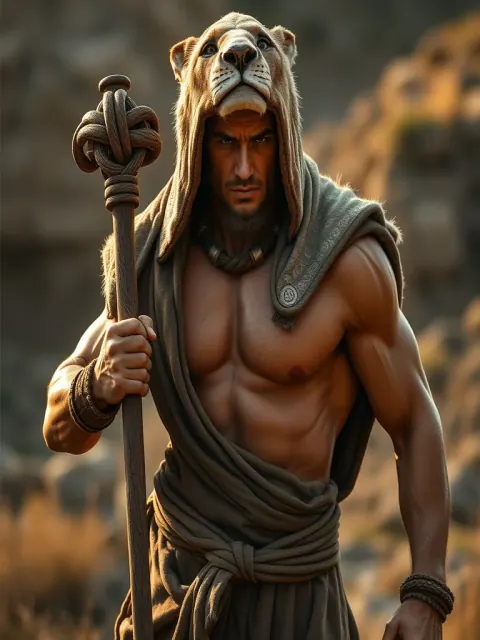
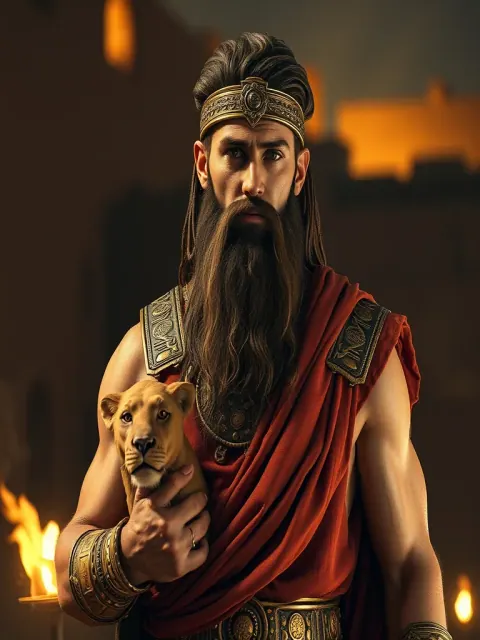
The demigods and heroes were children of gods and mortals, revered in their own cults for their extraordinary feats. Figures like Heracles and Perseus bridged the divine and human worlds, serving as models of courage. They were honored at local shrines and celebrated in poems and tragedies.

Heroes received cult at their tombs, the heroa, with nocturnal libations and the sacrifices proper to the divinized dead. Funeral games and festivals, such as those held in honor of Heracles, celebrated their feats as a model for the living.
At a glance

Sun Wukong, the Monkey King of Journey to the West, is born from a stone on Flower-Fruit Mountain. He learns to change form and seeks to escape death. After defying the Jade Emperor's court, the Buddha traps him beneath Five Elements Mountain. Freed many years later, he accompanies Tang Sanzang in search of Buddhist scriptures. The novel follows his rebellion and his education as a protector.

9 min read · Reviewed on October 13, 2026 · How we research

Sacred symbols

Ruyi Jingu Bang staff, the flying cloud, the golden circlet and the peaches of immortality

Sources and further reading

Primary sources

  • Wu Cheng'en (attributed), Xiyouji (Journey to the West), Chinese text. read
  • Wu Cheng'en (attributed), Journey to the West, open translation parallel to the Chinese text. read

Studies

  • Whalen Lai, From Protean Ape to Handsome Saint: The Monkey King. Asian Folklore Studies, 1994. open
  • National Heritage Board, Singapore, Monkey God Temple. open

Name and epithets

In the first chapter, the patriarch Subhuti gives the monkey the surname Sun and the religious name Wukong, usually rendered 'awakened to emptiness.' The name follows the title Handsome Monkey King, bestowed by the anim…

In the ancient sources

Xiyouji (Journey to the West), novel printed in the late sixteenth century. Birth, training, conflict in heaven, and confinement. Xiyouji (Journey to the West), novel printed in the late sixteenth century.

The myths

The stone and the election of a king. On Flower-Fruit Mountain, a stone fertilized by the powers of heaven and earth produces a stone egg. From it emerges a monkey whose eyes cast light up to the celestial palace.

Worship and archaeology

Sun Wukong is also worshiped outside the book. Singapore's National Heritage Board documents Tiong Bahru Qi Tian Gong, dedicated to the Monkey King.

How the god was depicted

The novel makes Wukong recognizable by his monkey form, iron staff with golden bands, and travel on clouds. After he meets Tang Sanzang, the circlet that can tighten around his head is added.

What scholars debate

Novel and religious tradition. The full sequence of adventures related here comes chiefly from the novel printed in the late sixteenth century. Whalen Lai examines earlier materials and possible folkloric antecedents.

After antiquity

Whalen Lai records the circulation of Journey to the West in performances, illustrations, cinema, and television.

Did you know?

The monkey becomes king by fulfilling a collective promise before Subhuti gives him the name Sun Wukong. Although offended by Bimawen's low rank, he is said in the chapter to have tended the horses diligently.

Codex relic

Ruyi Jingu Bang Staff. A magic iron staff that grows or shrinks under the user's will.

The rest of this scroll is sealed

The legends, the myth, the cult and relics are part of the full Codex. You can open 1 full entry for free every day; to open all 500 deities with no limits and no ads, subscribe to Codex PRO.

See Codex PROGet it on Google Play

From the same pantheon

View pantheon