CMCodex
Back to the Codex
3D relief portrait of Athena
Greek
Tap or drag
Greek

Athena

The Goddess of Wisdom

Domain
Strategic Warfare
Alignment
Lawful Good
Element
Air
Relics of Power
Golden Aegis
Speak with Athena

The People

People
Ancient Greeks
Region
Greece & the Mediterranean
Period
8th c. BC – 4th c. AD

The Olympian gods were worshipped by the city-states of ancient Greece, from Athens to Sparta, which raised them temples such as the Parthenon. Reigning atop Mount Olympus, they presided over every aspect of life and were celebrated in festivals like the Olympic Games. Homer and Hesiod fixed their myths, which shaped all of Western culture.

The Olympic Games were held every four years in honor of Zeus, and the Panathenaea celebrated Athena in Athens. The Eleusinian Mysteries initiated the faithful into the secrets of Demeter and Persephone, while crowds consulted Apollo's oracle at Delphi.
The Sacred Scrolls

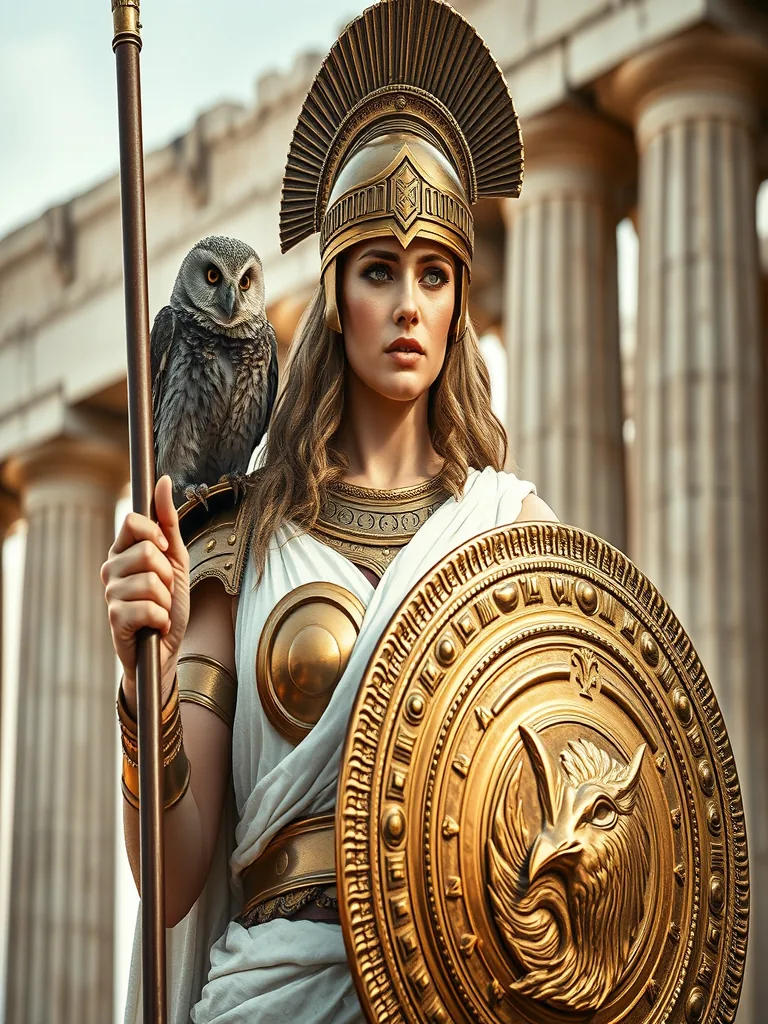
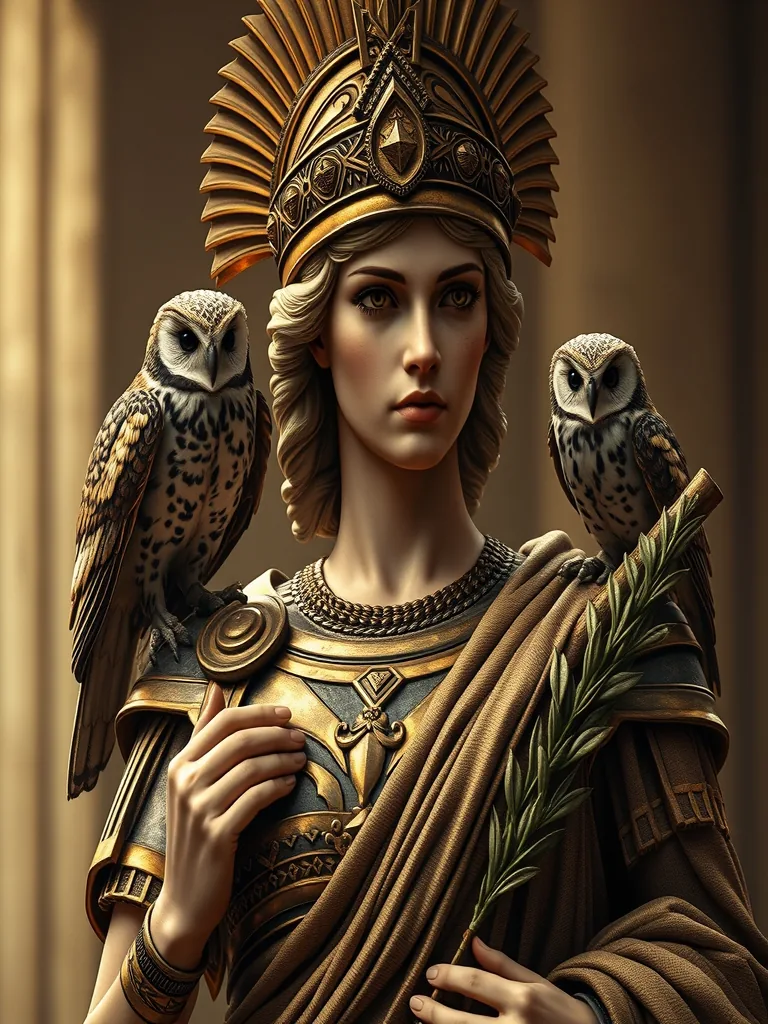
Goddess of wisdom and just war. She patronizes scientific advancement, civil justice, and heroes who favor strategy over brutality. As The Goddess of Wisdom, this deity occupies a position of supreme prestige in the Greek pantheon. Their domains over Strategic Warfare reflect ancestral cosmic order maintained across millennia. In classical iconography, they are depicted with an aura of unshakeable majesty and sacred attributes that inspired reverence in emperors and peasants alike. Their influence extended beyond earthly boundaries, governing fates and harmony between the visible and invisible worlds. For ancient devotees, contemplating their essence was to understand the very fundamental forces of nature and human existence.

Sacred Symbols

Owl, olive tree, aegis, spear and helmet

Divine Lineage

Daughter of Zeus and the Titaness Metis; born already grown and armed. A virgin goddess, with no consort.

The Legendary Myth

Zeus swallowed the pregnant Metis fearing a prophecy. Later, suffering a headache, he had his skull split by Hephaestus — and Athena leapt out, fully formed and in complete armor. During the great age of Greek myths, Athena performed extraordinary deeds defending cosmic balance against forces of destruction. It is told that when an ancestral threat emerged from the ends of the world, Athena wielded power over Strategic Warfare, summoning divine elements and turning the tide of battle. Ancient bards and poets sang the glory of this combat, highlighting the wisdom and bravery demonstrated before the assembled gods themselves. The triumph consolidated their eternal authority and sealed an inviolable pact of protection over mortal realms, remembered across all subsequent generations.

Legends & Deeds

A celebrated secondary legend preserved in the oral traditions of the Greek recounts the journey when Athena intervened directly in the lives of mortals. During a period of great trial, when droughts and chaos threatened the survival of ancient cities, Athena descended from the heavens disguised among men to test humanity's virtue and generosity. Only a humble family welcomed the mysterious traveler, offering their last meal with devotion and respect. Revealing their true resplendent form as The Goddess of Wisdom, Athena blessed the region with perpetual abundance and raised a sacred spring that never dried again. This epic saga became a symbol of divine justice and the reward reserved for those who maintain faith and nobility of spirit even in times of greatest darkness.

Cult & Worship

Historically, the cult of Athena occupied a central place in the religious and architectural calendar of antiquity. Imposing stone temples and open-air sanctuaries were erected in their honor in the major capitals of the Greek, adorned with detailed reliefs and monumental columns. Annually, great public festivals gathered thousands of pilgrims who held solemn processions, lit sacred torches, and chanted communal hymns celebrating harvests and military victories. Priests and priestesses of ancient orders dedicated their lives to preserving the sacred flame and guarding the temple's manuscripts and relics. Contemporary archaeological excavations continue to reveal votive altars, commemorative coins, and architectural innovations testifying to the deep historical veneration of this deity.

Relics of Power

A divine shield featuring Medusa's face, capable of petrifying enemy willpower.

Did You Know?

She turned the weaver Arachne into a spider after their weaving contest — the mythic origin of spiders. In modern astronomy and science, Athena's name and symbols inspired the naming of celestial bodies and geological formations on other planets. Furthermore, their artistic depiction influenced Renaissance painters and Neoclassical sculptors, remaining an iconic figure in contemporary cinema, literature, and video games.

Divine Equivalents

From the same pantheon

View pantheon