CMCodex
Back to the Codex
Poseidon
Greek

Poseidon

The Lord of the Seas

Domain
Oceans & Earthquakes
Alignment
Chaotic Neutral
Element
Water
Relics of Power
Trident of Atlantis
Speak with Poseidon

The People

People
Ancient Greeks
Region
Greece & the Mediterranean
Period
8th c. BC – 4th c. AD

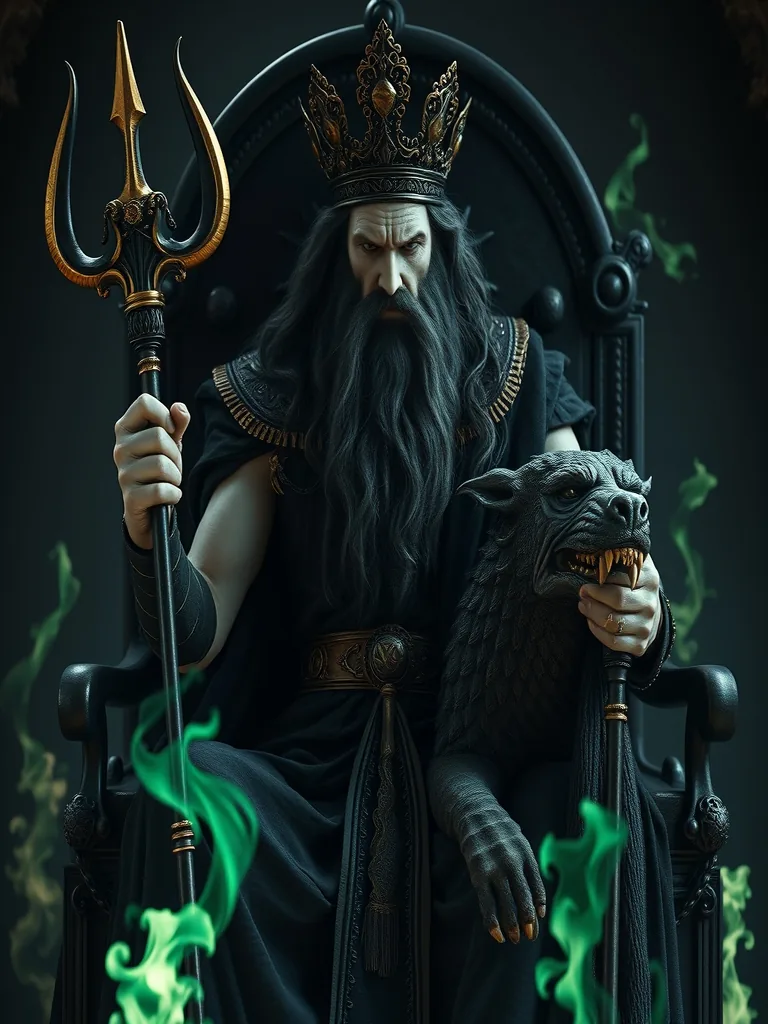
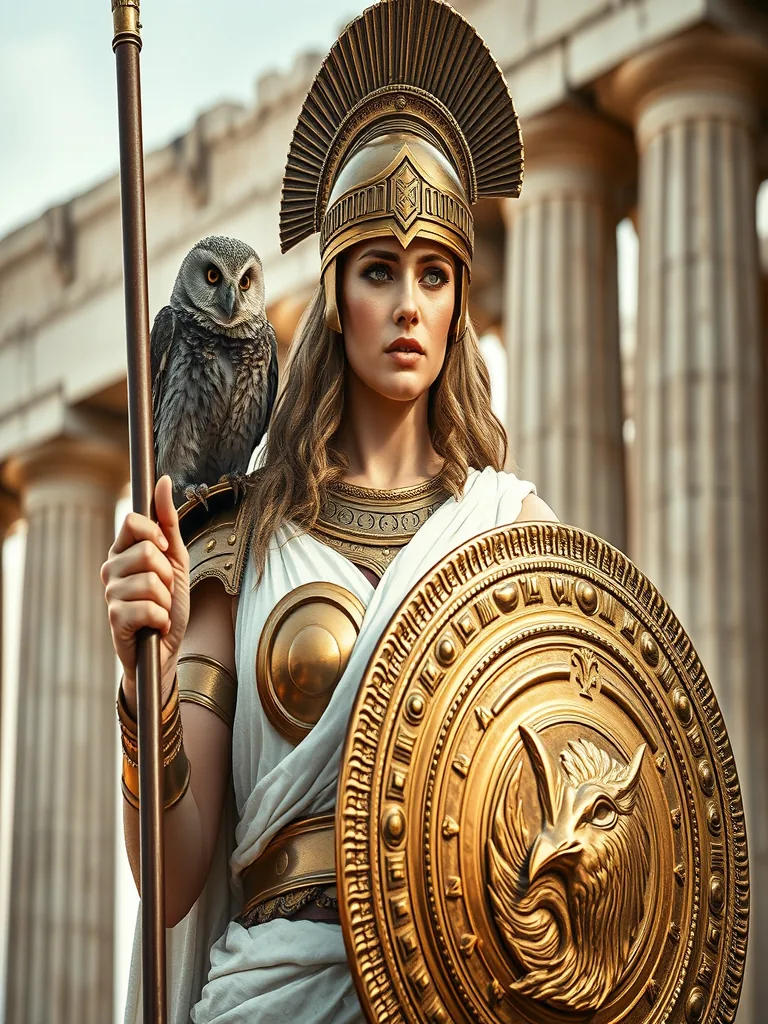
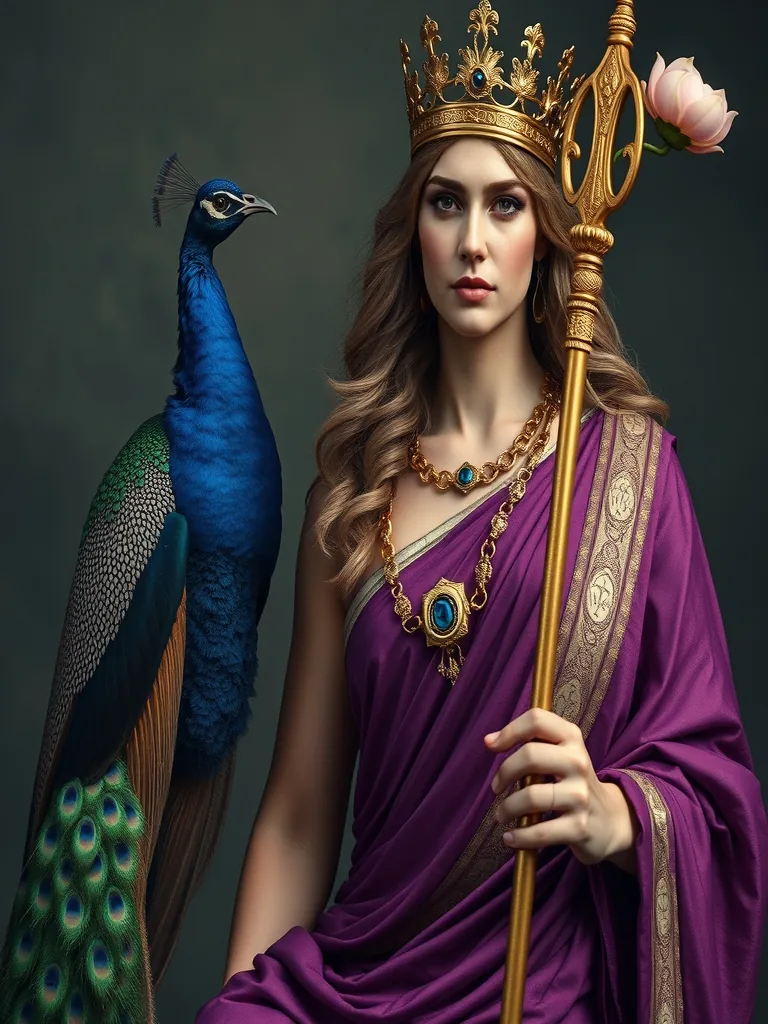
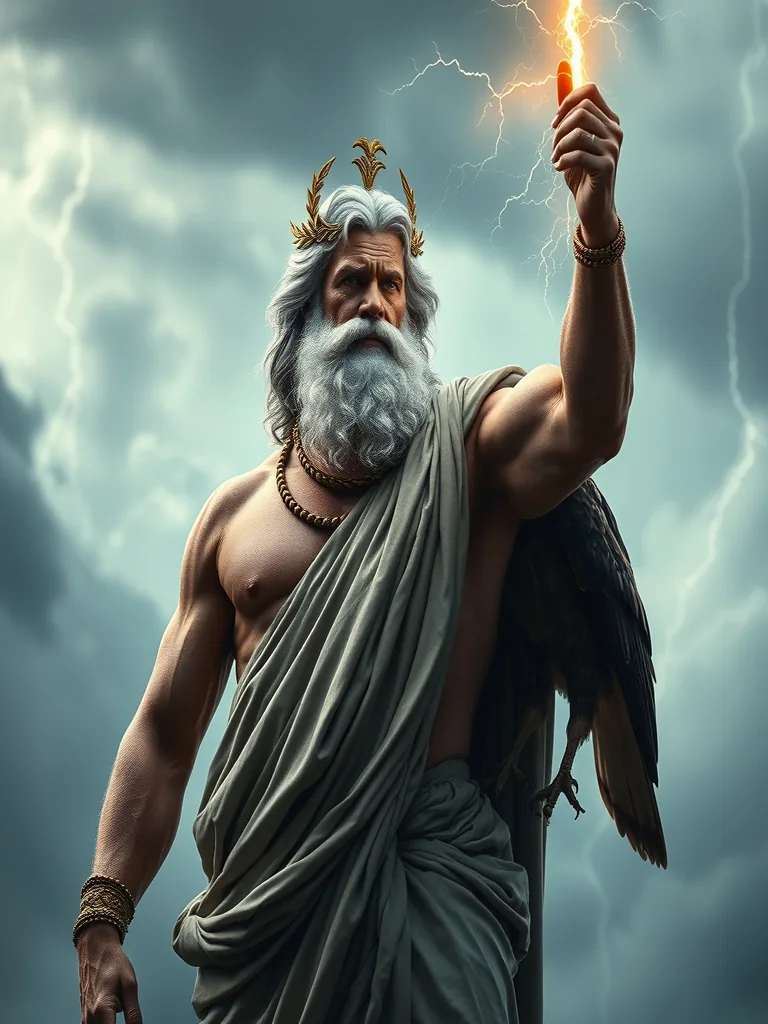
The Olympian gods were worshipped by the city-states of ancient Greece, from Athens to Sparta, which raised them temples such as the Parthenon. Reigning atop Mount Olympus, they presided over every aspect of life and were celebrated in festivals like the Olympic Games. Homer and Hesiod fixed their myths, which shaped all of Western culture.

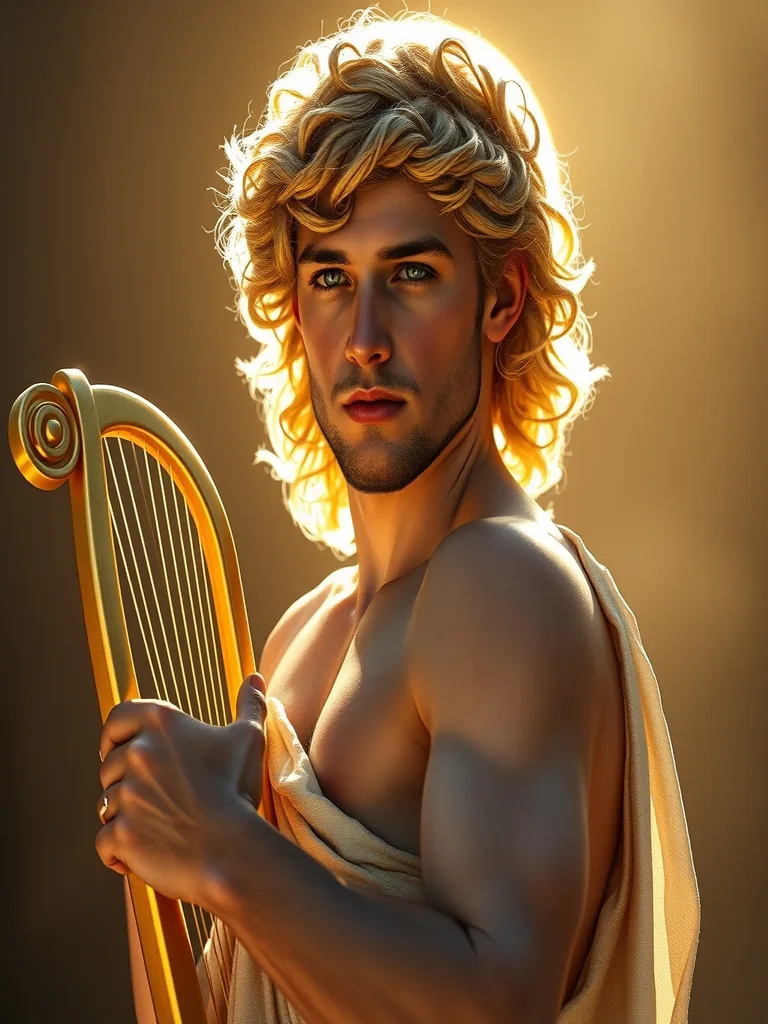
The Olympic Games were held every four years in honor of Zeus, and the Panathenaea celebrated Athena in Athens. The Eleusinian Mysteries initiated the faithful into the secrets of Demeter and Persephone, while crowds consulted Apollo's oracle at Delphi.
The Sacred Scrolls

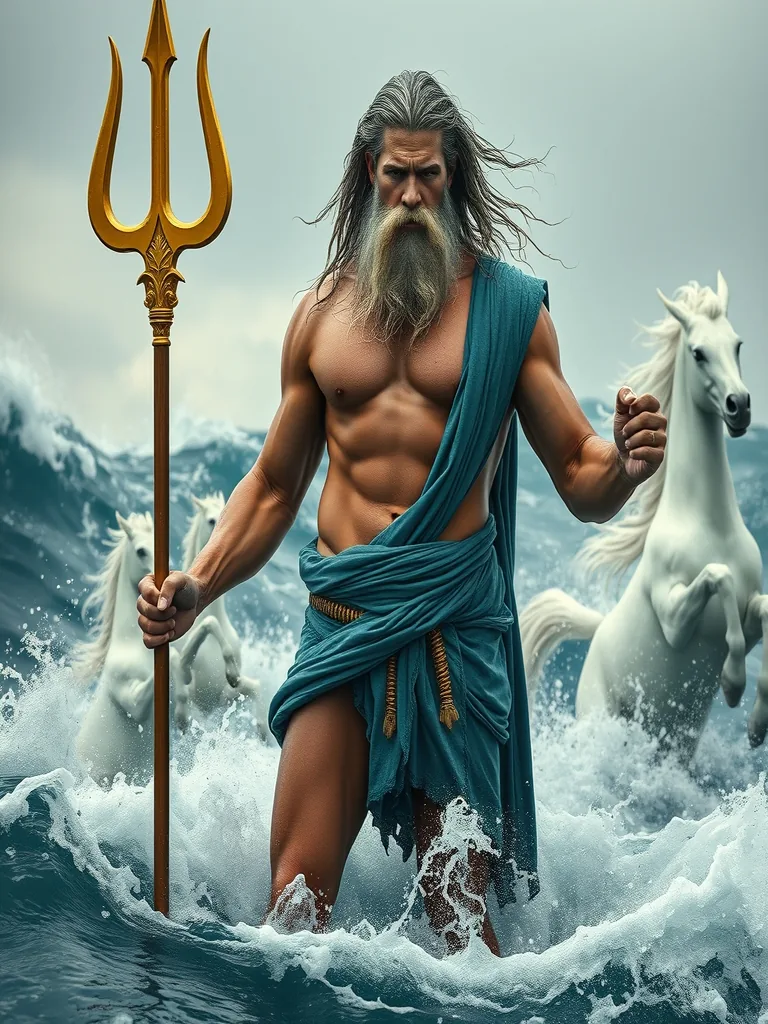
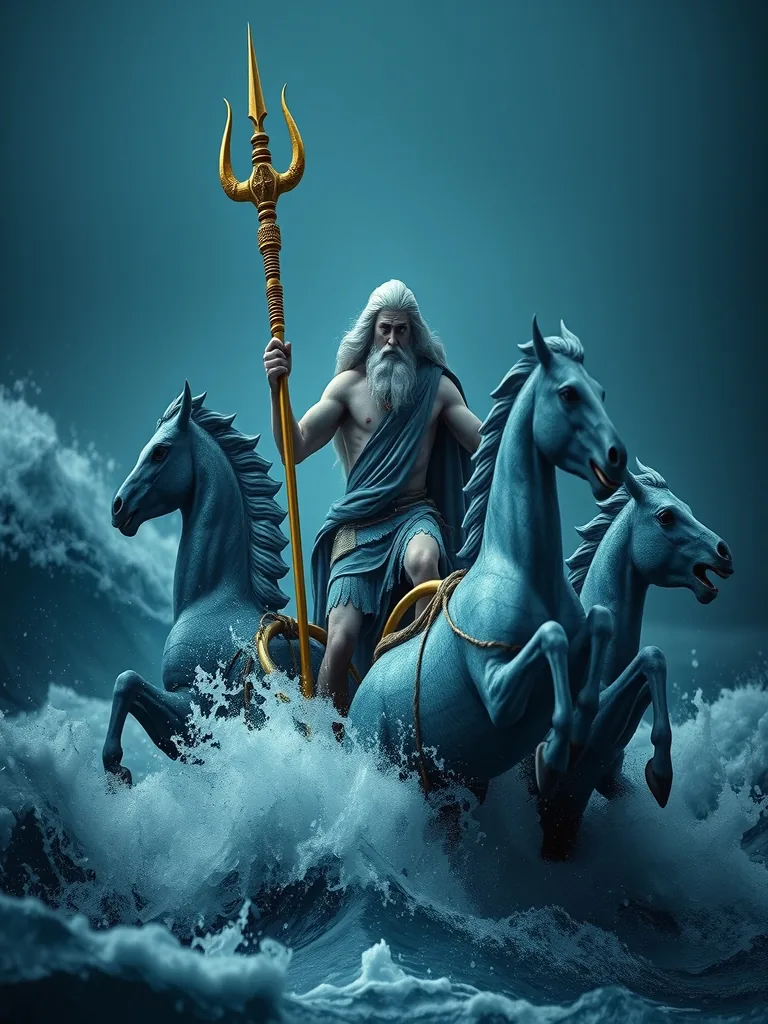
Sovereign of the deep seas and earthquakes, Poseidon dwells in a coral palace, commanding the tides of the planet with his impulsive temper. As The Lord of the Seas, this deity occupies a position of supreme prestige in the olimpianos pantheon. Their domains over Oceans & Earthquakes reflect ancestral cosmic order maintained across millennia. In classical iconography, they are depicted with an aura of unshakeable majesty and sacred attributes that inspired reverence in emperors and peasants alike. Their influence extended beyond earthly boundaries, governing fates and harmony between the visible and invisible worlds. For ancient devotees, contemplating their essence was to understand the very fundamental forces of nature and human existence.

Sacred Symbols

Trident, horse, dolphin and bull

Divine Lineage

Son of Cronus and Rhea; brother of Zeus and Hades; husband of Amphitrite; father of Triton and the cyclops Polyphemus.

The Legendary Myth

He contested Athens with Athena: he struck the Acropolis and made a saltwater spring gush, but Athena offered the olive tree and won the city. Enraged, he sent storms and earthquakes against those who displeased him.

Legends & Deeds

A celebrated secondary legend preserved in the oral traditions of the olimpianos recounts the journey when Poseidon intervened directly in the lives of mortals.

Cult & Worship

Historically, the cult of Poseidon occupied a central place in the religious and architectural calendar of antiquity.

Relics of Power

A solid gold trident capable of cleaving dry land and summoning whirlpools.

Did You Know?

He was called the 'Earth-Shaker'; the Greeks blamed earthquakes on the strikes of his trident on the sea floor. In modern astronomy and science, Poseidon's name and symbols inspired the naming of celestial bodies and geo…

The rest of this scroll is sealed

The myth, the legends, the cult, the relic and the curiosity are part of the full Codex. Without a subscription you open 3 scrolls a day.

See Codex PRO

Divine Equivalents

From the same pantheon

View pantheon