Skip to content
CodexMythologia
Back to the Codex
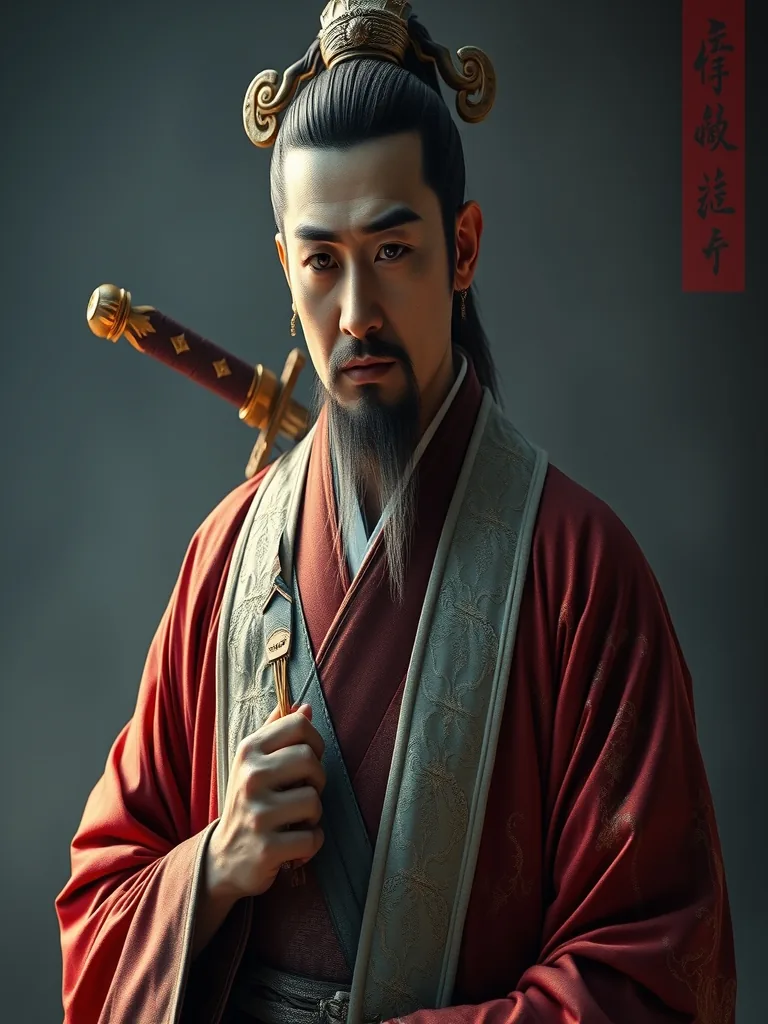
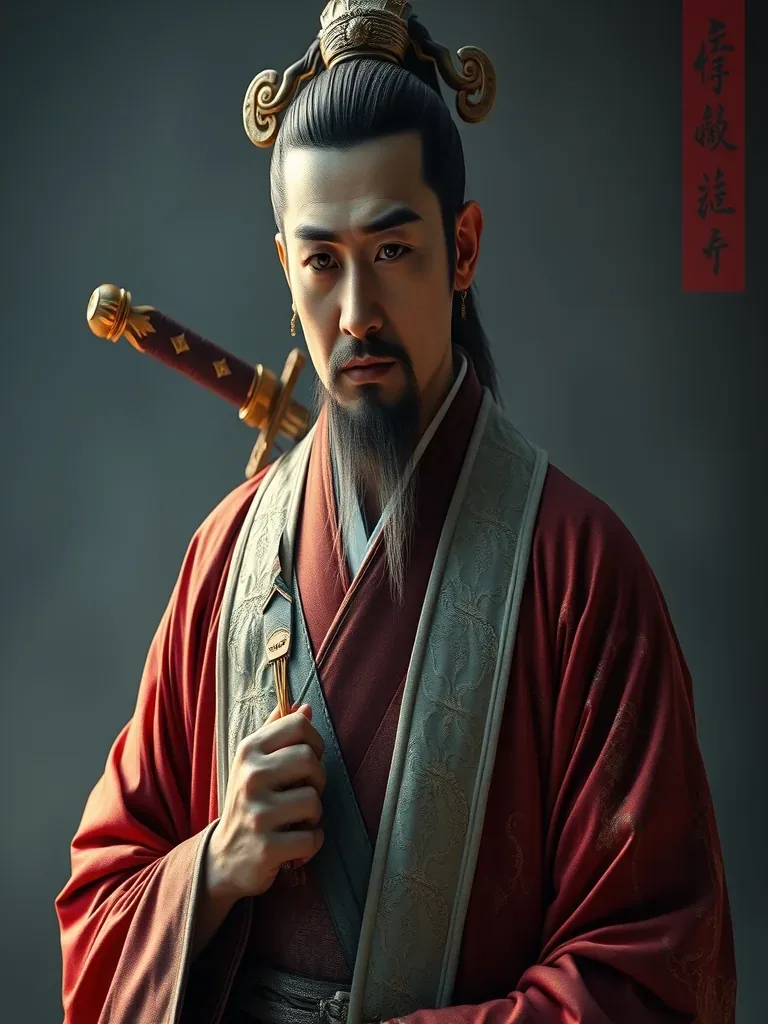
Portrait of Lü Dongbin, Chinese deity
Chinese
Tap or drag
Chinese

Lü Dongbin

The Immortal of the Sword

Domain
Wisdom, Healing & Immortality
Alignment
Chaotic Good
Element
Air
Relics of Power
Flying Demon-Slaying Sword
Speak with Lü Dongbin

The full Codex

4 sections of this entry are open to everyone: the summary, the people, the symbols, the lineage and the sources. The other 9 (Name and epithets, In the ancient sources, The myths, Worship and archaeology, How the god was depicted, What scholars debate, After antiquity, Did you know?, Codex relic) are part of the full Codex: PRO opens the whole study of all 500 deities, and without a subscription you can read one full entry a day, just like in the app.

The People

People
Chinese
Region
China
Period
c. 1600 BC – present

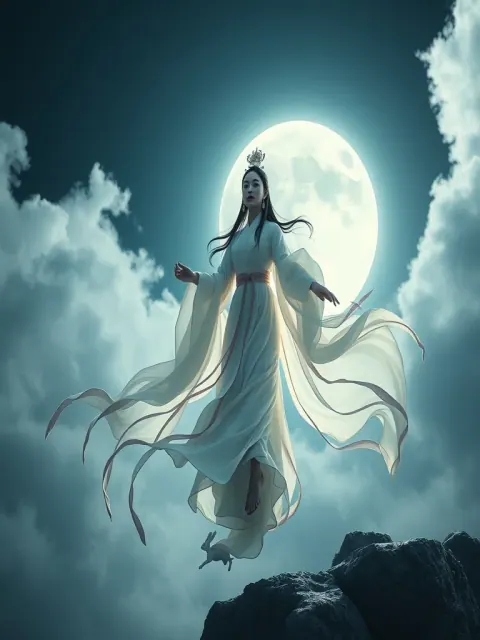
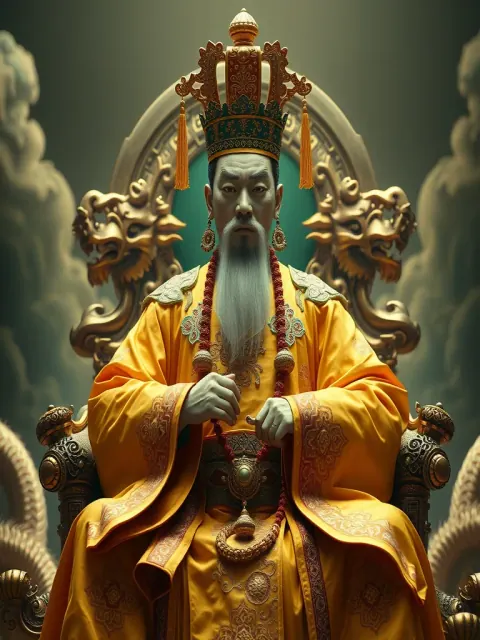
The Chinese deities bring together traditions of Taoism, Buddhism, and folk religion, worshipped for millennia across China. Presided over by the Jade Emperor, they form a vast celestial bureaucracy mirroring the earthly empire. They are honored in temples, at Chinese New Year, and at the altars of homes and ancestors.

Chinese New Year greets the gods with fireworks, dancing lions, and offerings to the Kitchen God, who ascends to heaven to report on the family's conduct. The Dragon Boat Festival honors the poet Qu Yuan, and at Qingming families sweep the tombs and venerate the ancestors.
At a glance

Lu Dongbin is the venerated ancestral patriarch of the Quanzhen Taoist lineage, supreme master of internal alchemy (Neidan), and the most charismatic, influential and popular figure among the legendary Eight Immortals (Baxian) of China. A scholar of brilliant erudition born in the Tang dynasty, he renounced the fleeting glories of imperial bureaucracy after undergoing the profound existential revelation of the Yellow Millet Dream at Handan under the instruction of Zhongli Quan. Bearer of the legendary magic sword of Pure Yang (Chunyang Jian), sheathed in peachwood on his back — a spiritual blade used not to spill mortal blood, but to sever the ignorance, lust and blind passions of the ego — Lu Dongbin roams the human world disguised as a beggar, a monk or an itinerant apothecary, to test the compassion of men and guide sincere souls to immortality. His magic sword and his compassionate wisdom continue to guide seekers of truth through the illusions of the world of men with unshakable peace. He is the master venerated by every generation in China. His virtue lights the path of good.

15 min read · Reviewed on September 28, 2026 · How we research

Sacred symbols

The sword on his back, the fly-whisk, the gourd and the Taoist book

Sources and further reading

Primary sources

  • Tuo Tuo, Song Shi. translation: F. W. Mote, 1989.
  • Miao Shanshi, Chunyang Dishi Shenhua Miaotong Ji. translation: Paul R. Katz, 1999.
  • Wu Yuantai, Dongyou Ji. translation: Gu Zhizhong, 1992.
  • Qin Zhi'an, Jinlian Zhengzong Ji. translation: Livia Kohn, 2004.

Studies

  • Paul R. Katz, Images of the Immortal: The Cult of Lu Dongbin at the Palace of Eternal Joy. University of Hawaii Press, 1999.
  • Farzeen Baldrian, Lu Tung-pin in Taoist and Popular Thought. Acta Asiatica, 1987.
  • Kristofer Schipper, The Taoist Body. University of California Press, 1993.
  • Livia Kohn, Daoism and Chinese Culture. Three Pines Press, 2001.

Name and epithets

The sacred theonym Lu Dongbin (呂洞賓) is the courtesy name of Lu Yan (呂巖 or 呂喦), historically born at the end of the 8th century CE in Yongle (in Shanxi province).

In the ancient sources

Song Shi., 1345 CE.. Official chronicle of the Song dynasty attesting to the historicity of the Tang scholar and his reputation as an immortal. Chunyang Dishi Shenhua Miaotong Ji., 1310 CE..

The myths

The Yellow Millet Dream and the Spiritual Awakening at Handan.. In the classic epic Dongyouji and in the sacred hagiographies of the Chunyang Dishi Shenhua Miaotong Ji, it is told that the young and ambitious scholar Lu…

Worship and archaeology

The worship and liturgical veneration of Lu Dongbin form the pulsating heart of the institutional Taoism of the Quanzhen school and one of the greatest popular devotions of the whole Chinese civilization, in Taiwan, Hon…

How the god was depicted

The iconography of Lu Dongbin in silk scroll painting, in the murals of the Yuan-dynasty Yongle Gong Palace and in classical sculpture in bronze and camphorwood, is the visual quintessence of the learned immortal sage w…

What scholars debate

The Historicity of the Tang Scholar versus the Legendary Song Apotheosis.. Historians of Chinese religions and eminent sinologists such as Farzeen Baldrian, Kristofer Schipper and Paul R.

After antiquity

In modern Asia and in contemporary global popular culture, Lu Dongbin remains one of the most beloved, influential and revered visual and literary presences of all Chinese folklore.

Did you know?

Lu Dongbin's metaphor of the Yellow Millet Dream became a famous proverb illustrating the transience of worldly ambition.

Codex relic

Flying Demon-Slaying Sword. A magic sword that flies on its own to slay demons and cut through the illusions of the world.

The rest of this scroll is sealed

The legends, the myth, the cult and relics are part of the full Codex. You can open 1 full entry for free every day; to open all 500 deities with no limits and no ads, subscribe to Codex PRO.

See Codex PROGet it on Google Play

From the same pantheon

View pantheon