Skip to content
CodexMythologia
Back to the Codex
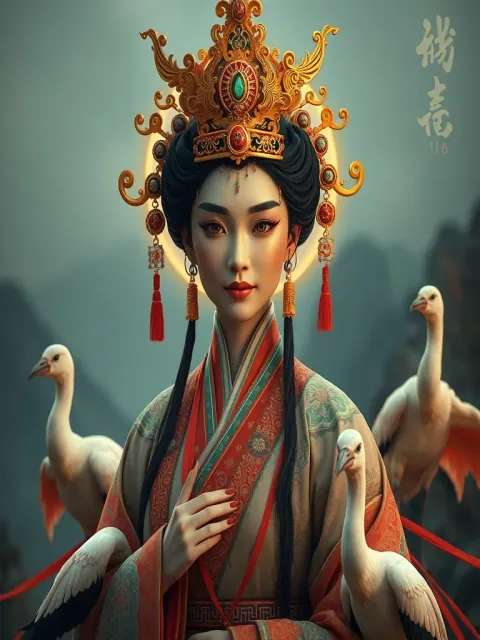
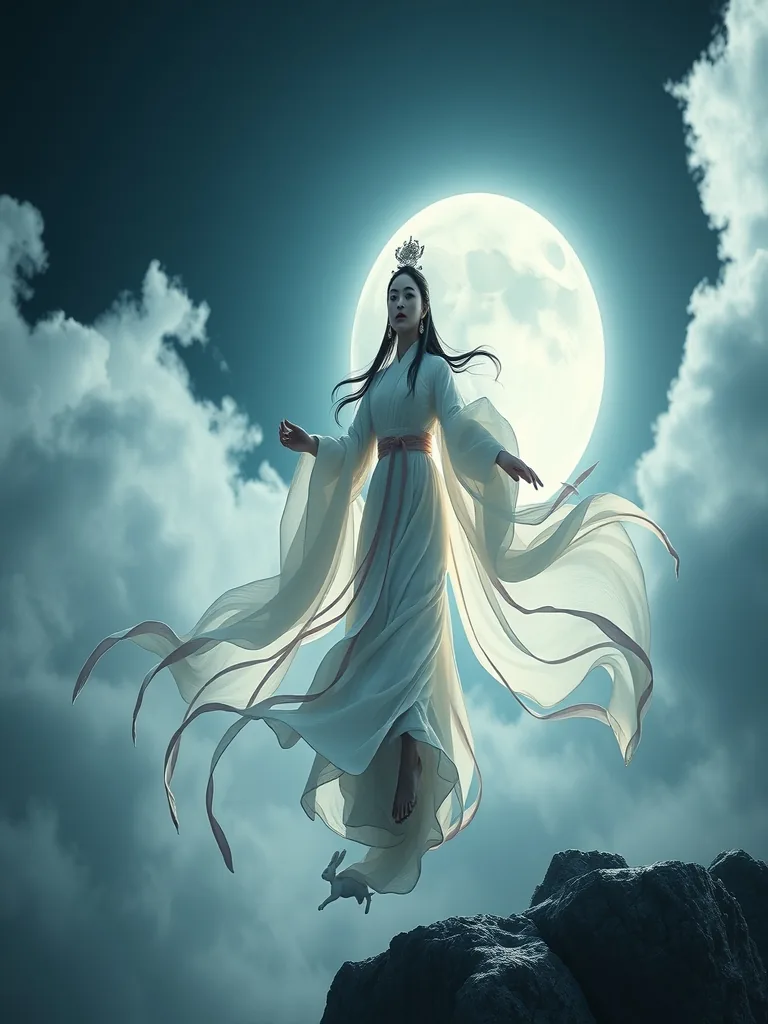
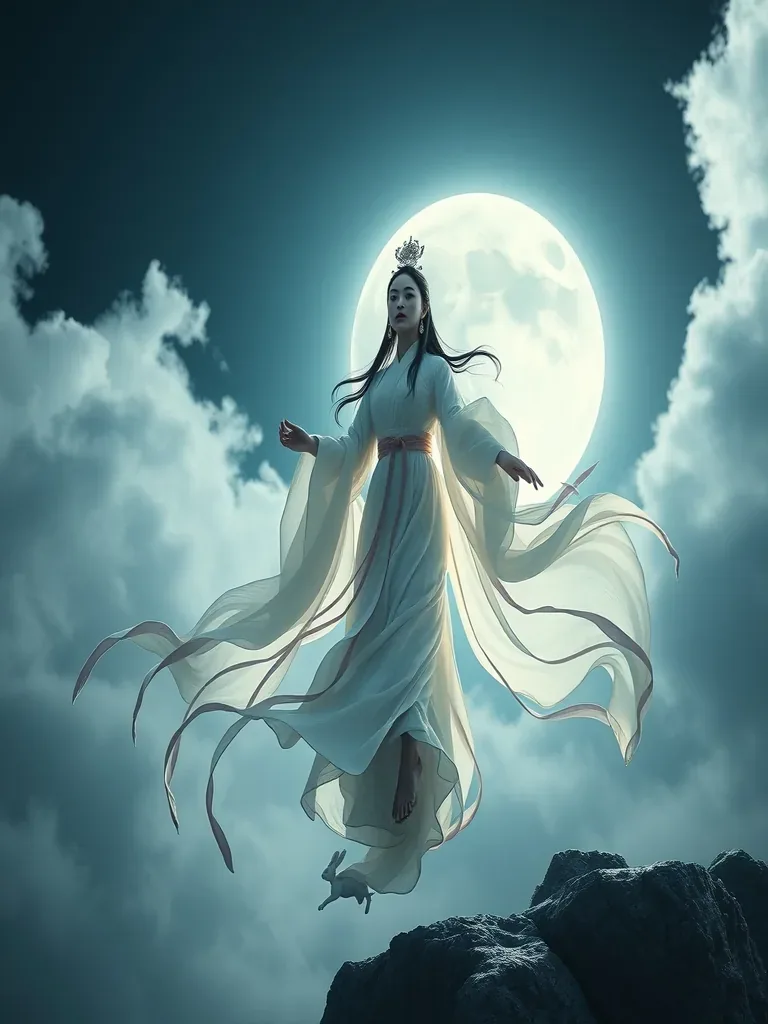
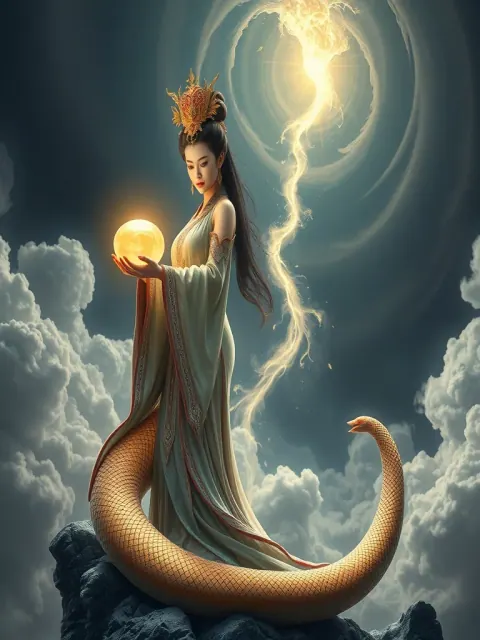
Portrait of Chang'e, Chinese deity
Chinese
Tap or drag
Chinese

Chang'e

The Moon Goddess

Domain
Moon & Solitude
Alignment
Neutral Good
Element
Air
Relics of Power
Elixir of Immortality Vial
Speak with Chang'e

The full Codex

5 sections of this entry are open to everyone: the summary, the people, the symbols, the lineage and the sources. The other 9 (Name and epithets, In the ancient sources, The myths, Worship and archaeology, How the god was depicted, What scholars debate, After antiquity, Did you know?, Codex relic) are part of the full Codex: PRO opens the whole study of all 500 deities, and without a subscription you can read one full entry a day, just like in the app.

The People

People
Chinese
Region
China
Period
c. 1600 BC – present

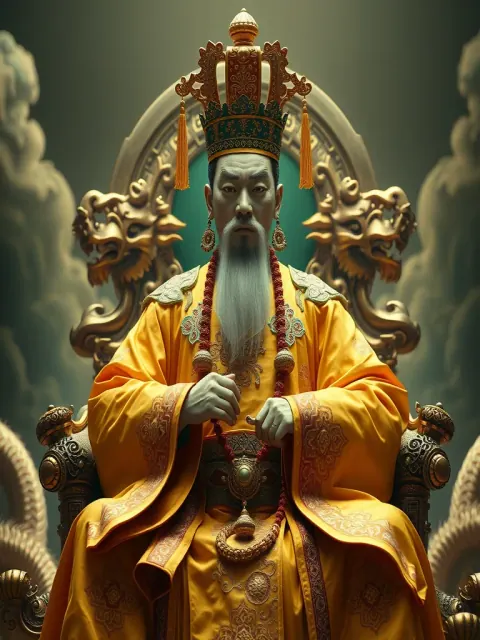
The Chinese deities bring together traditions of Taoism, Buddhism, and folk religion, worshipped for millennia across China. Presided over by the Jade Emperor, they form a vast celestial bureaucracy mirroring the earthly empire. They are honored in temples, at Chinese New Year, and at the altars of homes and ancestors.

Chinese New Year greets the gods with fireworks, dancing lions, and offerings to the Kitchen God, who ascends to heaven to report on the family's conduct. The Dragon Boat Festival honors the poet Qu Yuan, and at Qingming families sweep the tombs and venerate the ancestors.
At a glance

Chang'e is the Chinese lunar figure called Heng'e (姮娥) in the Huainanzi. There, Yi requests a medicine against death from Xiwangmu; Heng'e takes it secretly and flees to the moon. A passage attributed to Zhang Heng adds that she is Yi's wife, consults a diviner, and ends up associated with a lunar toad. Later poems and images offer other ways of depicting her. These sources do not form a single continuous narrative.

The ancient sources on this deity are scarce. This study gathers only what is on record.

6 min read · Reviewed on October 14, 2026 · How we research

Sacred symbols

Moon, the jade rabbit, the elixir and the peach of immortality

Family

Chang'e
Unions
Yi (archer)
Genealogy according to Zhang Heng, Ling Xian, citado em Yishi, vol. 13; Huainanzi, Lanming xun, nomeia Yi e Heng'e sem declarar o parentesco.

Sources and further reading

Primary sources

  • Compiladores do Huainanzi, Huainanzi, Lanming xun (覽冥訓). read
  • Zhang Heng (citado em Yishi), Ling Xian (靈憲), em Yishi, vol. 13. read
  • Li Shangyin, Chang'e (常娥). read

Studies

  • Metropolitan Museum of Art, Panel with the moon goddess and attendants. open
  • Metropolitan Museum of Art, Three scenes from festivals of the twelve months. open
  • Chung Cheng Journal of Chinese Studies, 生與化:漢畫西王母圖像系統中的蟾蜍及其魂魄觀. 2019. open

Name and epithets

The character appears with different written forms in the sources examined: 姮娥 in the Huainanzi, 嫦娥 in the Ling Xian passage preserved in Yishi, and 常娥, with 嫦娥 as a variant, in the edition of Li Shangyin's poem.

In the ancient sources

Huainanzi, Western Han dynasty. A brief account of Yi, Xiwangmu, the medicine, and Heng'e's flight. Huainanzi, Western Han dynasty.

The myths

Yi in the Han texts: the suns and the remedy. In Benjing xun, during Yao's reign, ten suns appear at the same time, scorch the crops and leave the people without food.

Worship and archaeology

The Huainanzi and the passage attributed to Ling Xian recount the journey to the moon, but describe no shrine, priests, or rite dedicated to Chang'e.

How the god was depicted

A fourteenth–fifteenth century brocade at the Metropolitan Museum of Art shows Chang'e in red and blue clothes, with attendants, rabbits at her feet, and an osmanthus branch.

What scholars debate

Early motifs and later additions. The verb in the Huainanzi indicates that Heng'e took the medicine secretly; the text does not state her motive.

After antiquity

In his poem Chang'e, Li Shangyin imagines that the lunar woman may regret taking the medicine and places her beneath a vast night sky.

Did you know?

In the brocade catalogued by the Metropolitan Museum of Art, the rabbits and osmanthus branch help identify Chang'e; neither attribute appears in the Huainanzi sentence.

Codex relic

Elixir of Immortality Vial. A jade vial containing liquid drops of cosmic eternal life.

The rest of this scroll is sealed

The legends, the myth, the cult and relics are part of the full Codex. You can open 1 full entry for free every day; to open all 500 deities with no limits and no ads, subscribe to Codex PRO.

See Codex PROGet it on Google Play

From the same pantheon

View pantheon