Skip to content
CodexMythologia
Back to the Codex
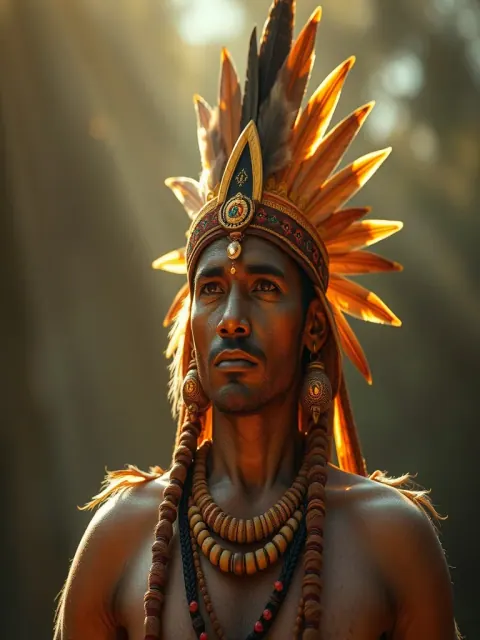
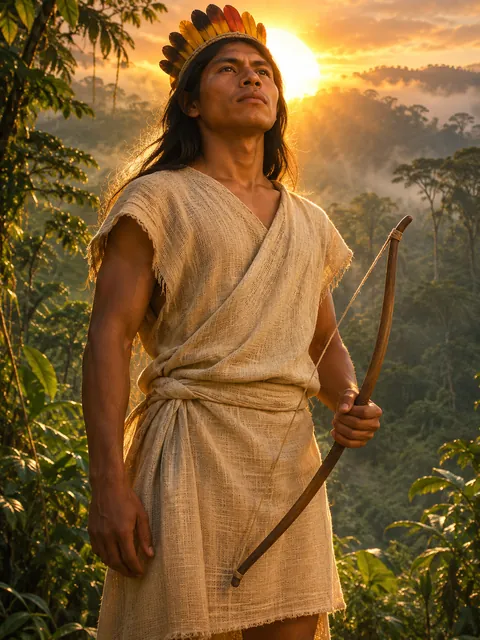
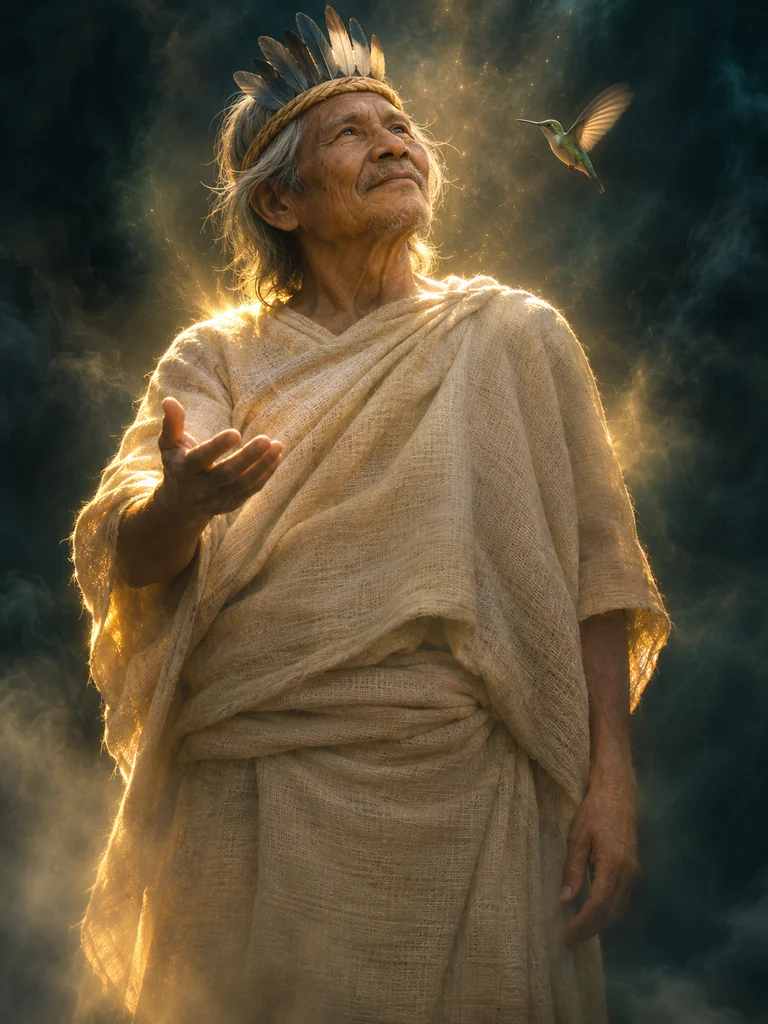
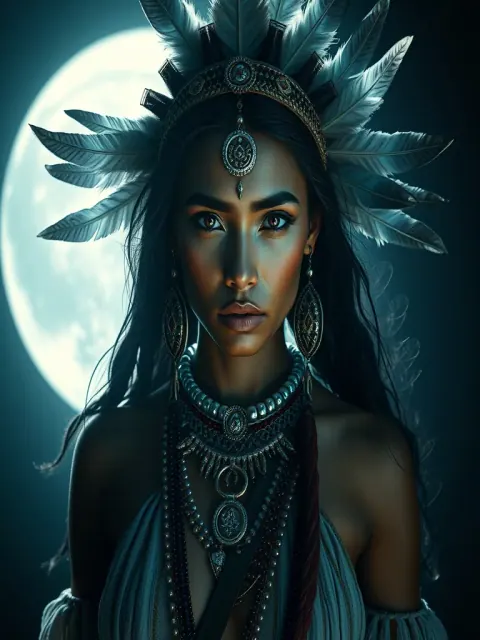
Portrait of Ñamandu, Indigenous deity
Indigenous
Tap or drag
Indigenous

Ñamandu

The True Father

Domain
Creation, Language & Origin
Alignment
Neutral Good
Element
Light
Relics of Power
The Founding Word
Speak with Ñamandu

The full Codex

4 sections of this entry are open to everyone: the summary, the people, the symbols, the lineage and the sources. The other 9 (Name and epithets, In the ancient sources, The myths, Worship and archaeology, How the god was depicted, What scholars debate, After antiquity, Did you know?, Codex relic) are part of the full Codex: PRO opens the whole study of all 500 deities, and without a subscription you can read one full entry a day, just like in the app.

The People

People
Indigenous peoples of Brazil
Region
Brazil & South America
Period
pre-colonial – present

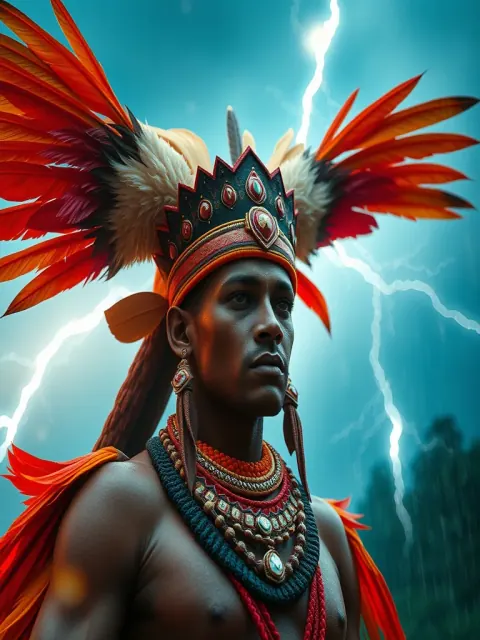
The Indigenous spirits and culture heroes are revered by the native peoples of Brazil, such as the Tupi, Guarani, and Yanomami. Their beliefs, passed down orally by shamans and elders, bind humans to the forest, the rivers, and the ancestors. They remain alive in the Indigenous communities that endure to this day.

Shamans lead rituals with songs, rattles, and sacred plants, mediating contact with the spirits of the forest. In the Upper Xingu, the Quarup honors illustrious dead with dances and wrestling, and cauim feasts gather entire villages in ceremonial celebrations.
At a glance

Ñamandu is the name of the creator in the record of Mbyá Guaraní myths from Guairá, Paraguay, published by León Cadogan in 1959 as Ayvu Rapyta. According to descriptions of that text, he rises out of primordial darkness and, through creative wisdom (kuaarara), conceives the origin of human language before the earth exists. The material comes from a twentieth-century ethnographic record dictated by Mbyá speakers, not from ancient inscriptions. Open sources are few, so this study is short and marks what has not yet been checked.

The ancient sources on this deity are scarce. This study gathers only what is on record.

4 min read · Reviewed on November 6, 2026 · How we research

Sacred symbols

The word, primordial darkness, the hummingbird, the word-souls

Sources and further reading

Primary sources

  • León Cadogan, Ayvu Rapyta: Textos míticos de los Mbyá-Guaraní del Guairá. São Paulo: Faculdade de Filosofia, Ciências e Letras da Universidade de São Paulo, 1959. read
  • Curt Nimuendajú (Unkel), Die Sagen von der Erschaffung und Vernichtung der Welt als Grundlagen der Religion der Apapocúva-Guaraní. Zeitschrift für Ethnologie, 46, Berlim, 1914.
  • Carlos Papá e Verá Kanguá, The Life of the Sun on Earth (Caderno Selvagem, Dantes Editora Biosfera, 2023), transcrição do livro homônimo da Editora Anhembi Morumbi, 2003. read

Studies

  • Garland Magazine, Translating the Ayvu Rapyta: For the love of a rainforest and its word-souls. Garland Magazine. open
  • Vivien Kogut Lessa de Sá e Caroline Egan, Translation and prolepsis: the Jesuit origins of a Tupi Christian doctrine. University of London Press. open
  • Egon Schaden, Aspectos fundamentais da cultura guarani. Faculdade de Filosofia, Ciências e Letras da Universidade de São Paulo, 1954.
  • Pierre Clastres, Le grand parler: mythes et chants sacrés des Indiens Guarani. Éditions du Seuil, 1974.

Name and epithets

The name appears in two forms in descriptions of the Ayvu Rapyta: Ñamandu Ru Ete and Ñande Ru Papa Tenondé. In Guaraní, ru is father, ete is true, and ñande ru is Our Father; Tenondé points to what comes first, in front…

In the ancient sources

Ayvu Rapyta: Textos míticos de los Mbyá-Guaraní del Guairá, 1959. León Cadogan gathered the texts in Mbyá Guaraní with a Spanish translation; the year is that of publication, and the sources consulted do not give the ye…

The myths

The word conceived in the dark. In descriptions of the Ayvu Rapyta, the beginning is not a land but darkness. From it Ñamandu rises and, through creative wisdom, the kuaarara, conceives the foundation of human language,…

Worship and archaeology

The Mbyá Guaraní live today in Brazil, Paraguay, Argentina and Uruguay, and the religion is alive, not a museum object.

How the god was depicted

The sources consulted describe no figurative image of Ñamandu, and the site uses no portrait of him.

What scholars debate

Twentieth-century record and mediation. The Ayvu Rapyta is an ethnographic record: Mbyá words dictated to an outside researcher and rendered into Spanish.

After antiquity

The Ayvu Rapyta is treated as a central work of Guaraní religion and literature, and a translator compares it to the Popol Vuh.

Did you know?

The world grows in the darkness while a hummingbird feeds the creator, an image recorded in the partial translation of the Ayvu Rapyta.

Codex relic

The Founding Word. The ayvu rapyta, the foundation of human language that, in descriptions of the Mbyá text, precedes the world.

The rest of this scroll is sealed

The legends, the myth, the cult and relics are part of the full Codex. You can open 1 full entry for free every day; to open all 500 deities with no limits and no ads, subscribe to Codex PRO.

See Codex PROGet it on Google Play

From the same pantheon

View pantheon