Skip to content
CodexMythologia
Back to the Codex
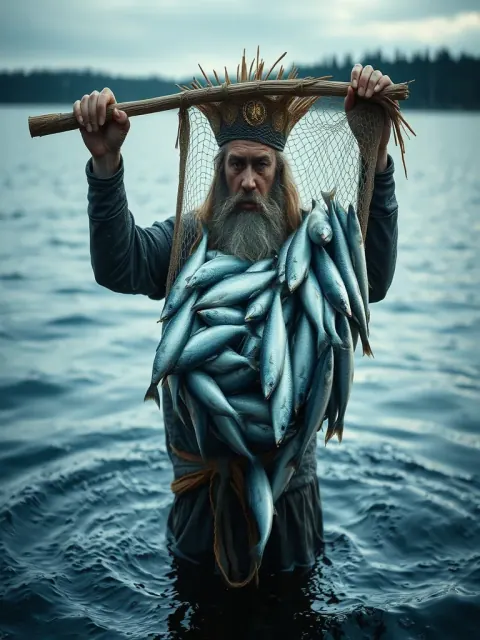
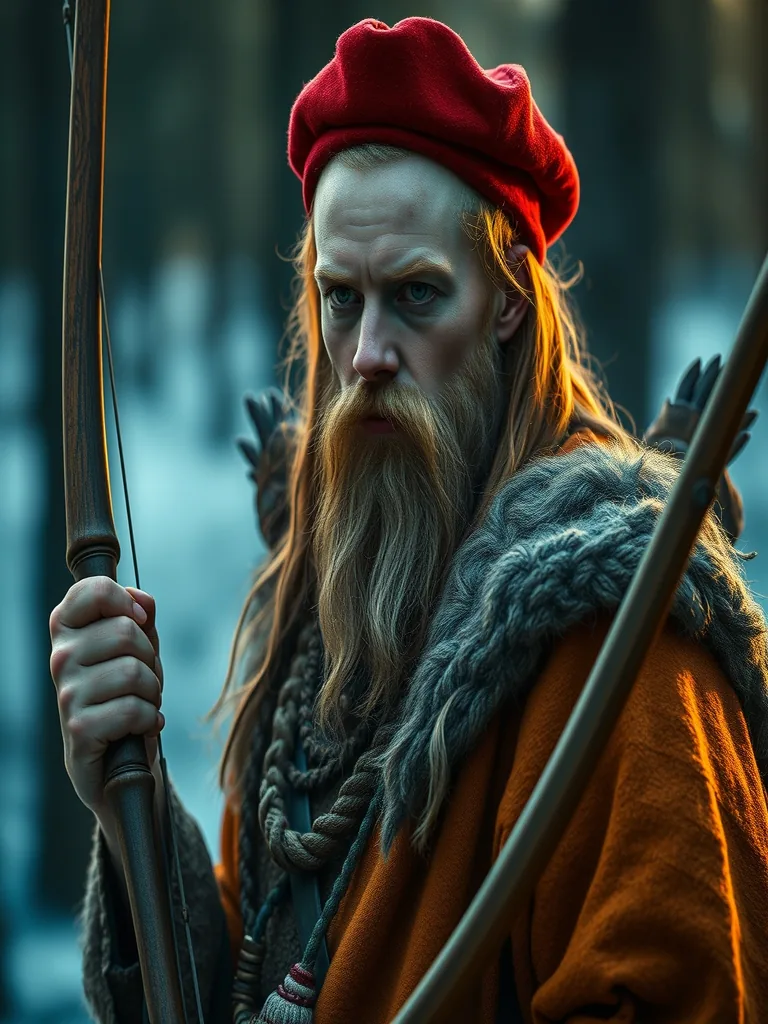
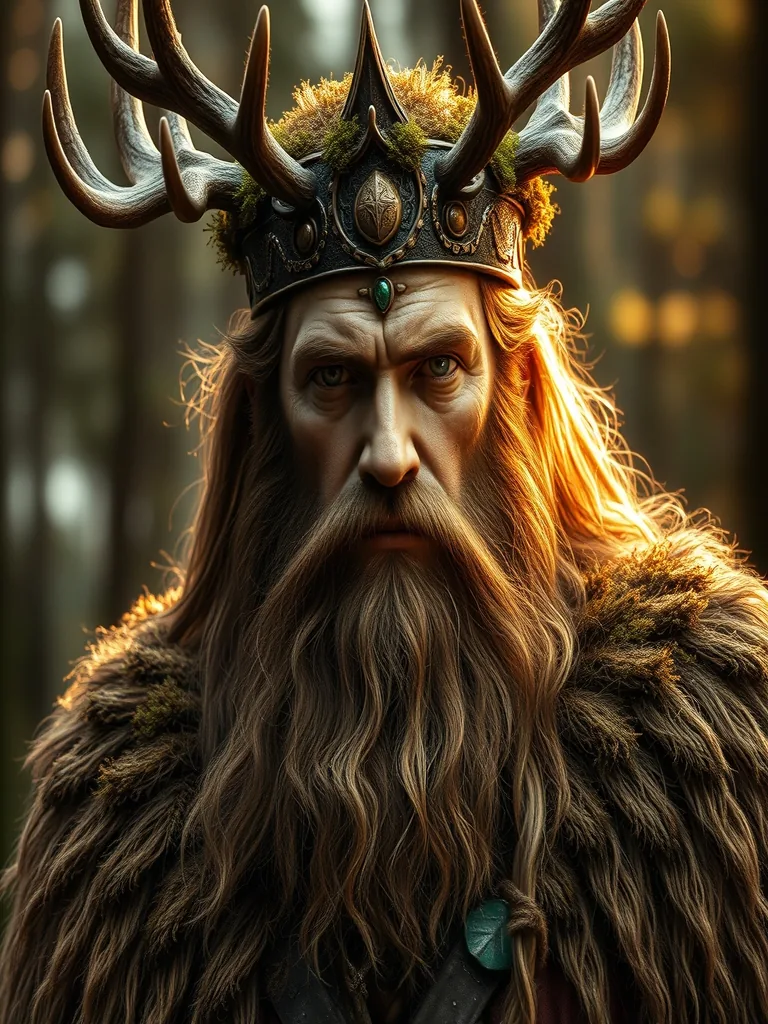
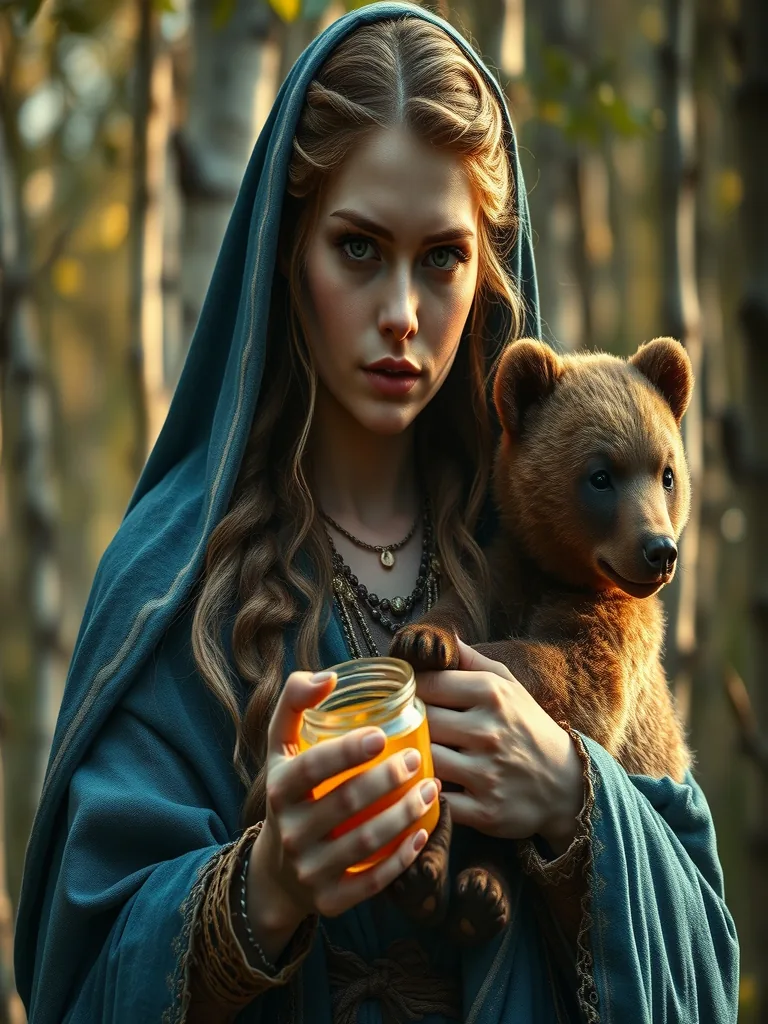
Portrait of Nyyrikki, Finnish deity
Finnish
Tap or drag
Finnish

Nyyrikki

The Guide of Hunters

Domain
Hunt, Trails & Cattle
Alignment
Neutral Good
Element
Earth
Relics of Power
Cinnabar Blazes
Speak with Nyyrikki

The full Codex

5 sections of this entry are open to everyone: the summary, the people, the symbols, the lineage and the sources. The other 9 (Name and epithets, In the ancient sources, The myths, Worship and archaeology, How the god was depicted, What scholars debate, After antiquity, Did you know?, Codex relic) are part of the full Codex: PRO opens the whole study of all 500 deities, and without a subscription you can read one full entry a day, just like in the app.

The People

People
Finnic peoples
Region
Finland & the Baltic
Period
antiquity – 19th c.

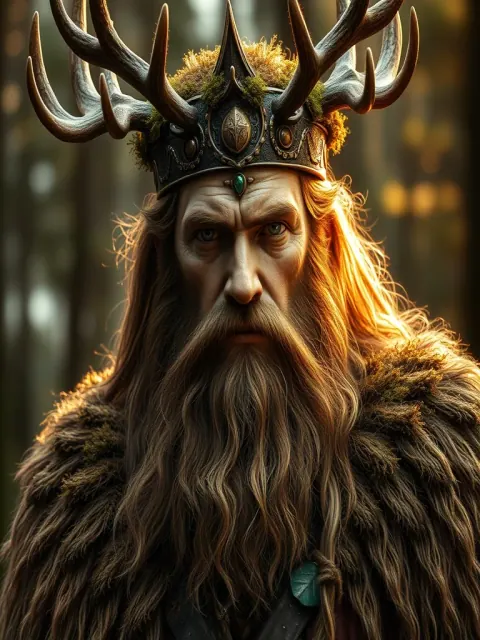
The Finnish deities were worshipped by the Finnic peoples of the forests and lakes of northern Europe. Tied to nature, the hunt, and the magic of words, they were passed down orally for generations. In the 19th century, Elias Lönnrot gathered these songs into the Kalevala, Finland's national epic.

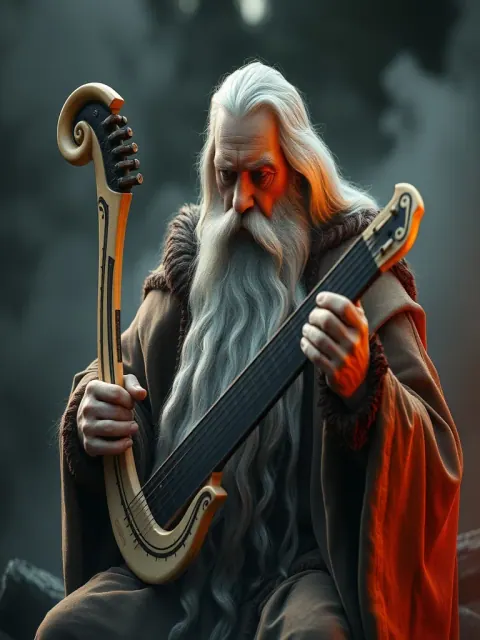
Rune singers passed the myths down in verses sung to the kantele, Väinämöinen's sacred zither. At the feast of Ukon vakat, drink offerings were made to Ukko for thunder and a good harvest, and hunters performed rites of apology to the spirit of the slain bear.
At a glance

Nyyrikki (recorded in sixteenth-century texts by Mikael Agricola as Nyrckes and recalled across oral traditions as Nyrikki or Nyrkiö) is an ancient tutelary forest spirit and pathfinding guide in Finnish and Karelian mythology. Revered as the dutiful son of Tapio, king of the forest, and Mielikki, the woodland mistress, Nyyrikki functions as an active forest warden within the primordial domain of Tapiola. In the national epic Kalevala, assembled by Elias Lönnrot from folk runes, his assistance is sought in crucial moments of wilderness navigation: in Rune XIV, during Lemminkäinen's arduous pursuit of the supernatural Elk of Hiisi, the hero entreats Nyyrikki to carve trail-blazes (pilkut) into the bark of pine trees and establish orientation crosses upon distant ridges so that the solitary stranger does not lose his way in the trackless taiga; in Rune XXXII, the herdsman Kullervo calls upon him to fell towering spruces and pine boughs across treacherous mire and quagmires (sillaksi sutisopehen), building rustic causeways to ensure that livestock do not perish in bottomless woodland bogs. Beyond his role as a pathfinder and bridge-maker, the earliest written attestation of the deity by bishop Mikael Agricola in 1551 identifies Nyrckes as the provider who granted squirrels from the forest (oravat antoi metsästä), animals whose valuable pelts served as the prime unit of exchange and wealth in medieval and early modern Finland.

7 min read · Reviewed on September 30, 2026 · How we research

Sacred symbols

The red hat, the blazes on the trees, the trail and the ox

Family

Siblings
Tellervo (woodland maiden who tends the forest herds)Tuulikki (maiden of gentle breezes and guardian of small woodland beasts)Annikki (maiden of sunny forest clearings)
Nyyrikki
Genealogy according to Mikael Agricola, Dauidin Psalttari (1551, Psalttarin esipuhe); Elias Lönnrot, Kalevala (1849, Runos 14 e 32); Christfrid Ganander, Mythologia Fennica (1789); Suomen Kansan Vanhat Runot (SKVR); Uno Harva, Suomalaisten muinaisusko (1948); Martti Haavio, Karjalan jumalat (1959) e Suomalainen mytologia (1967); Anna-Leena Siikala, Itämerensuomalaisten mytologia (2012)

Sources and further reading

Primary sources

  • Agricola, Mikael, Dauidin Psalttari (Psalttarin esipuhe / Mikael Agricolan jumalaluettelo). translation: Historical text of the preface to the Psalter of David (1551). read
  • Lönnrot, Elias, Kalevala (1849, Neljästoista runo: Lemminkäisen Hiiden hirven hiihdäntä). translation: Full digital edition in Finnish on Wikiaineisto. read
  • Lönnrot, Elias, Kalevala (1849, Kahdesneljättä runo: Kullervon paimennus ja karjan loitsut). translation: Digital critical edition of the Finnish Literature Society (SKS). read
  • Lönnrot, Elias (Comp.) & Crawford, John Martin (Trans.), The Kalevala: The Epic Poem of Finland (1888, Rune XXXII: Kullervo as a Shepherd). translation: Full edition in English on the Internet Sacred Text Archive. read
  • Lönnrot, Elias (Comp.) & Crawford, John Martin (Trans.), The Kalevala: The Epic Poem of Finland (1888). translation: Full text archived on Project Gutenberg (#5186). read
  • Lönnrot, Elias (Comp.) & Kirby, W. F. (Trans.), Kalevala, Volume I (Runos I-XXV, 1907). translation: Full edition in English on Project Gutenberg (#25953). read
  • Suomalaisen Kirjallisuuden Seura (SKS), SKVR: Suomen Kansan Vanhat Runot (Base Digital). translation: Digital archive of Finnish and Karelian oral runic poetry. read
  • Suomalaisen Kirjallisuuden Seura (SKS), Avoin Kalevala: Nimiä ja nimityksiä (Entry Nyyrikki). translation: Digital critical edition and lexicon of proper names of the SKS. read
  • Ganander, Christfrid, Mythologia Fennica (1789). translation: Complete historical facsimile on the Internet Archive. read

Studies

  • Harva, Uno, Suomalaisten muinaisusko. WSOY, Helsinque & Porvoo, 1948. open
  • Haavio, Martti, Karjalan jumalat: uskontotieteellinen tutkimus. WSOY, Porvoo & Helsinque, 1959. open
  • Haavio, Martti, Suomalainen mytologia. WSOY, Helsinque, 1967. open
  • Siikala, Anna-Leena, Itämerensuomalaisten mytologia. Suomalaisen Kirjallisuuden Seura (SKS), Helsinque, 2012. open
  • Pulkkinen, Risto & Lindfors, Stina, Suomalaisen kansanuskon sanakirja. Gaudeamus, Helsinque, 2016. open
  • Wikipedia, Nyyrikki. Wikimedia Foundation, 2024. open

Name and epithets

The theonym Nyyrikki exhibits documented variants across more than five centuries of literary and oral tradition, including Nyrikki, Nyrckes, Nyrkiö, Nyrkytär, and Nyypetti.

In the ancient sources

Dauidin Psalttari (Preface to David's Psalter, Mikael Agricola), 1551 AD. Earliest printed historical record identifying the god as the dispenser of forest squirrels.

The myths

Blazing the Forest Trails for Lemminkäinen's Pursuit of the Hiisi Elk. In the fourteenth rune of the Kalevala, the adventurous hero Lemminkäinen accepts a daunting bridal quest set by Louhi of Pohjola: hunting down the…

Worship and archaeology

The ritual honoring of Nyyrikki was intimately bound to the practical survival needs of Baltic-Finnic hunters and herdsmen.

How the god was depicted

In runic poetry and oral folklore, Nyyrikki is depicted as a nimble, alert young hunter whose dress harmonizes functional woodsman gear with recognizable mythic insignia.

What scholars debate

The Identity of Agricola's Nyrckes and Etymological Origins. Scholars of Finno-Ugric religion, notably Kaarle Krohn (1914), Uno Harva (1948), and Martti Haavio (1959), examined whether the figure of Nyrckes recorded by…

After antiquity

Nyyrikki maintained a recognized presence in Finnish cultural history and literature. During the Finnish national romantic revival, his persona appeared in folkloric poetry and youth stories as an emblem of agility, for…

Did you know?

The link between Nyyrikki and squirrels documented by Agricola reflects medieval Baltic-Finnic economic history, where squirrel pelts ('oravannahat') served as standardized currency; the modern Finnish word for money, '…

Codex relic

Cinnabar Blazes. The red marks with which he blazes the forest trails, guiding hunters to their quarry.

The rest of this scroll is sealed

The legends, the myth, the cult and relics are part of the full Codex. You can open 1 full entry for free every day; to open all 500 deities with no limits and no ads, subscribe to Codex PRO.

See Codex PROGet it on Google Play

From the same pantheon

View pantheon