CMCodex
Back to the Codex
Sin
Mesopotamian

Sin

The God of the Moon

Domain
Moon, Time & Wisdom
Alignment
Neutral Good
Element
Air
Relics of Power
Silver Crescent
Speak with Sin

The People

People
Sumerians, Akkadians & Babylonians
Region
Mesopotamia (modern Iraq)
Period
c. 3500 – 500 BC

The Mesopotamian gods were worshipped by the Sumerians, Akkadians, Babylonians, and Assyrians in the land between the Tigris and Euphrates, the cradle of writing and cities. Each city raised a ziggurat to its patron god, served by a powerful priestly caste. Their myths, such as the Enuma Elish and the Epic of Gilgamesh, are among the oldest in the world.

The Akitu festival opened the new year with processions along Babylon's Sacred Way, and the sacred marriage rite symbolically united Inanna and Dumuzi to ensure fertility. Lamentations, hymns, and divination by animal livers marked daily religious life.
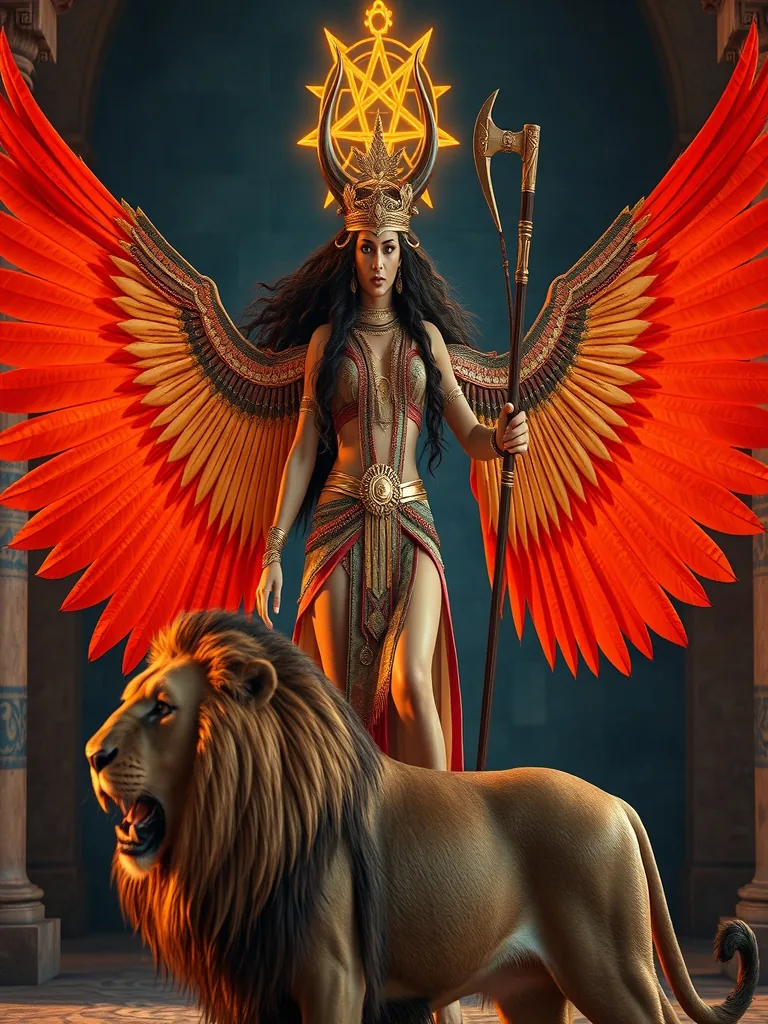
The Sacred Scrolls

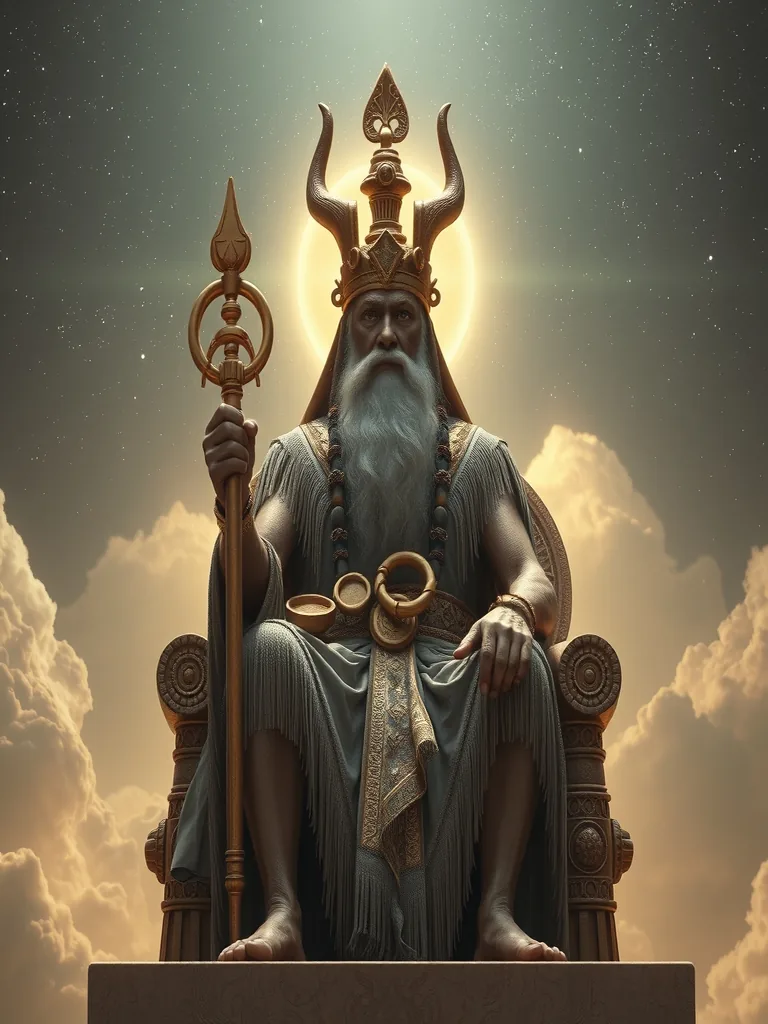
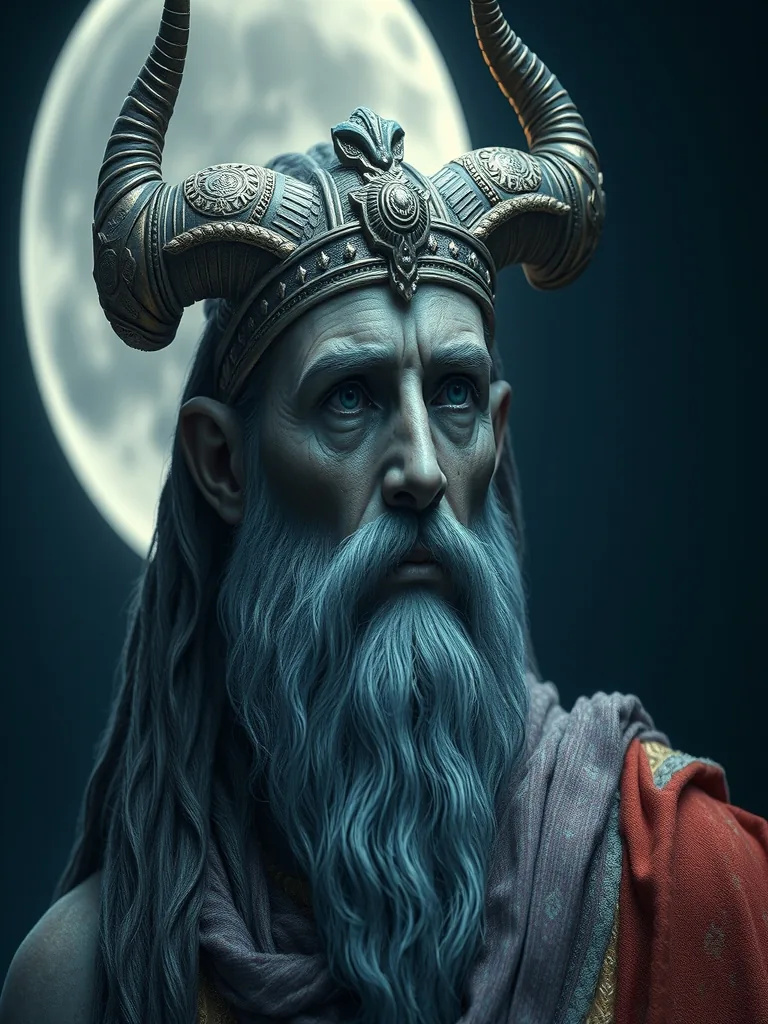
God of the moon, Sin (also called Nanna) is one of the oldest and most revered deities of Mesopotamia. His silver light measures the months and orders the calendar, and he is invoked for his wisdom. The priest-astronomers read in his cycles the signs of destiny. As The God of the Moon, this deity occupies a position of supreme prestige in the mesopotamicos pantheon. Their domains over Moon, Time & Wisdom reflect ancestral cosmic order maintained across millennia. In classical iconography, they are depicted with an aura of unshakeable majesty and sacred attributes that inspired reverence in emperors and peasants alike. Their influence extended beyond earthly boundaries, governing fates and harmony between the visible and invisible worlds. For ancient devotees, contemplating their essence was to understand the very fundamental forces of nature and human existence.

Sacred Symbols

The lunar crescent, the bull, the tripod and the celestial barge

Divine Lineage

Son of Enlil; father of Shamash (sun), Ishtar (Venus) and Ereshkigal.

The Legendary Myth

Sin sailed each night across the sky in his crescent barge, lighting the darkness with his serene glow. The great cities of Ur and Harran were the centers of his cult, with ziggurats raised in his honor.

Legends & Deeds

A celebrated secondary legend preserved in the oral traditions of the mesopotamicos recounts the journey when Sin intervened directly in the lives of mortals.

Cult & Worship

Historically, the cult of Sin occupied a central place in the religious and architectural calendar of antiquity.

Relics of Power

A luminous lunar crescent that measures time and guides shepherds and travelers in the night.

Did You Know?

Unlike many cultures, in Mesopotamia the moon (Sin) was a male god and father of the sun (Shamash), inverting the common astral hierarchy.

The rest of this scroll is sealed

The myth, the legends, the cult, the relic and the curiosity are part of the full Codex. Without a subscription you open 3 scrolls a day.

See Codex PRO

From the same pantheon

View pantheon