Mesopotamian
28 deities of this pantheon
Origin, Worldview and Mythology of the Mesopotamian
Sacred tradition associated with the Sumerians, Akkadians & Babylonians
Origin and Mythological Worldview
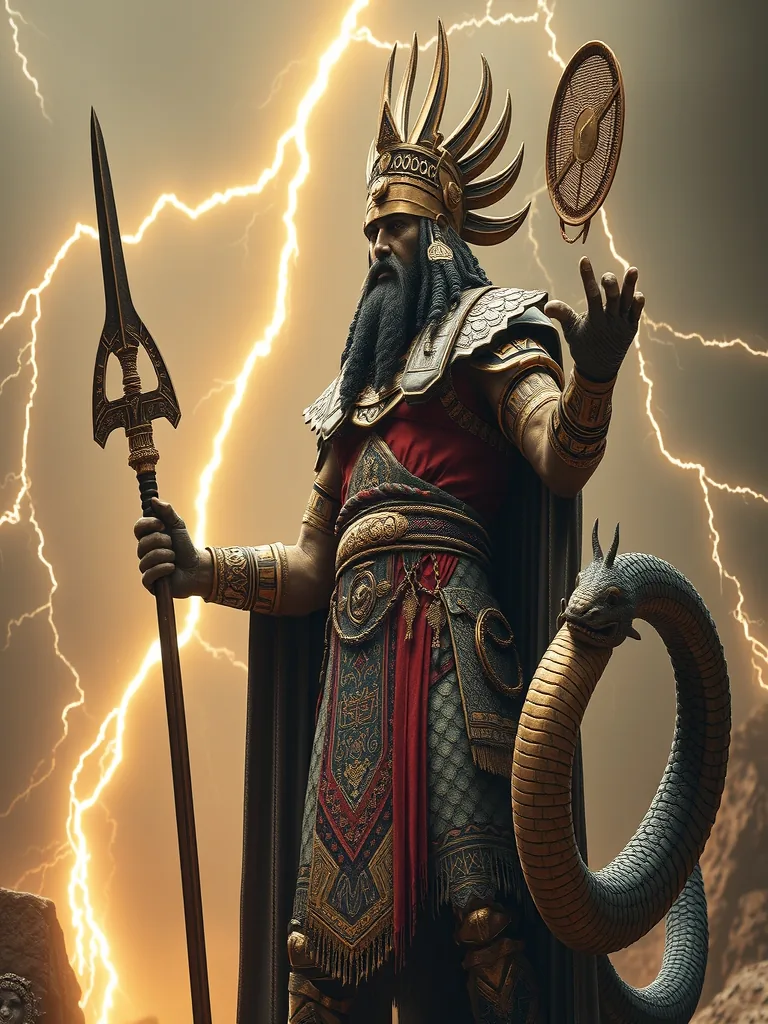
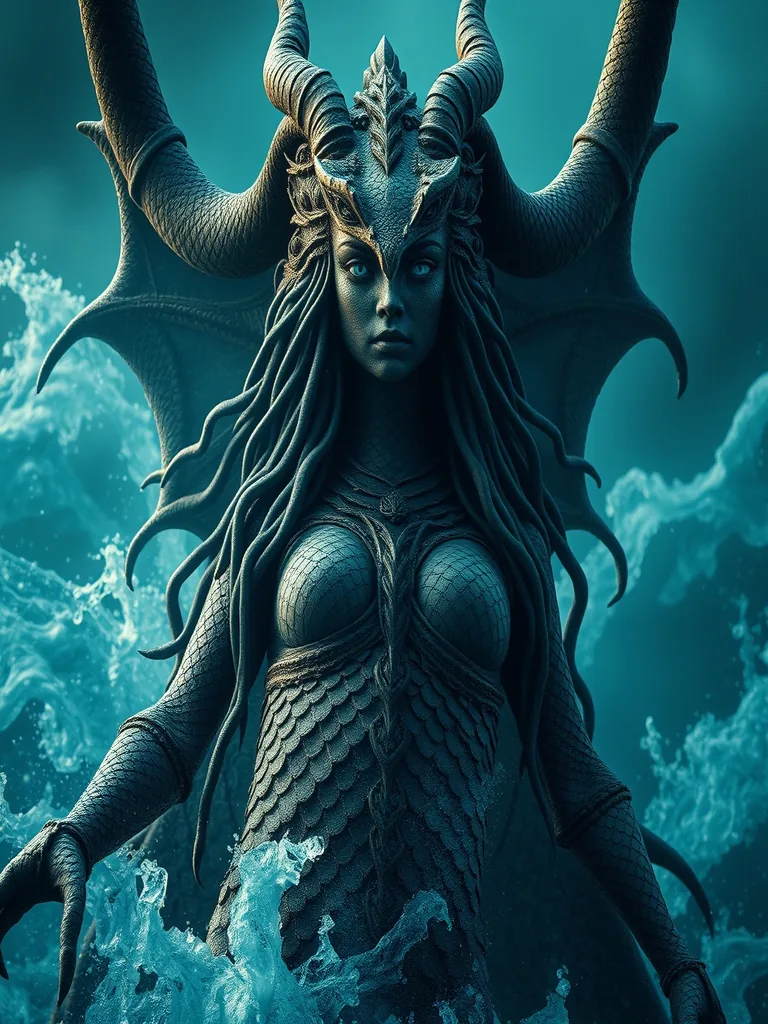
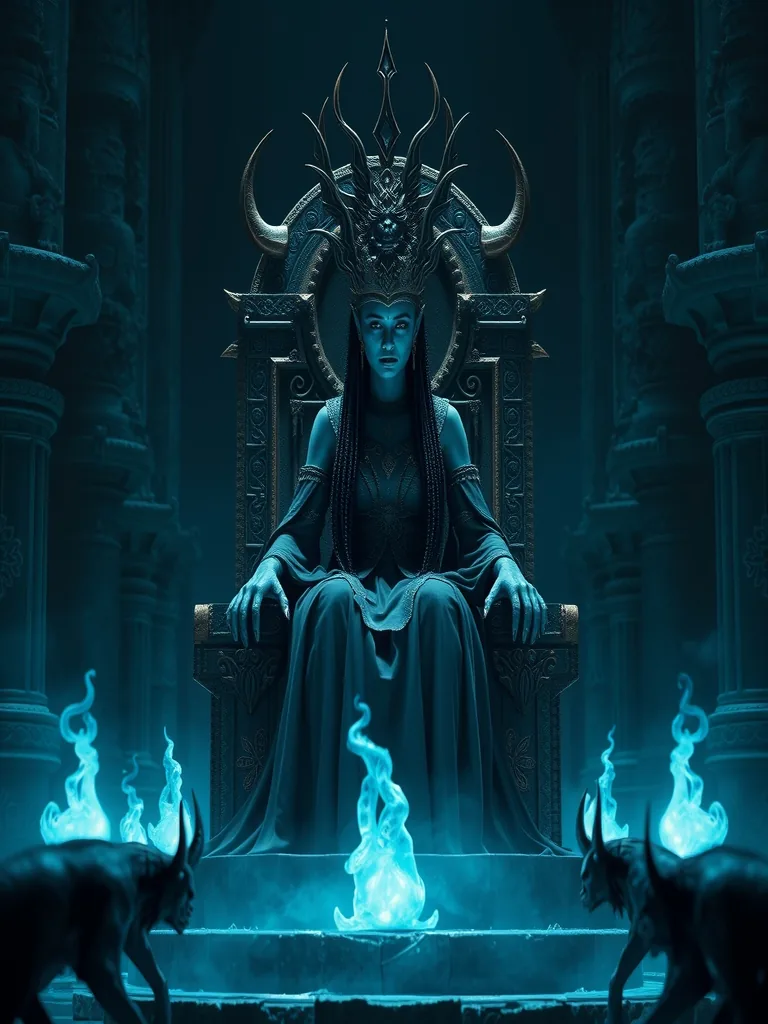
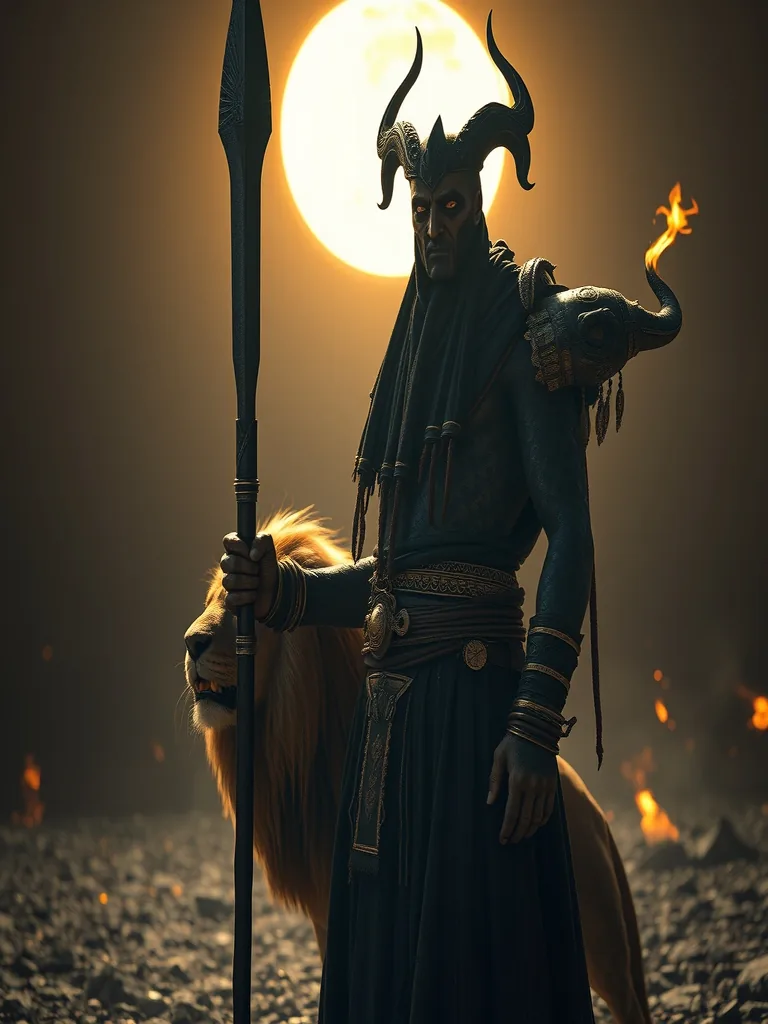
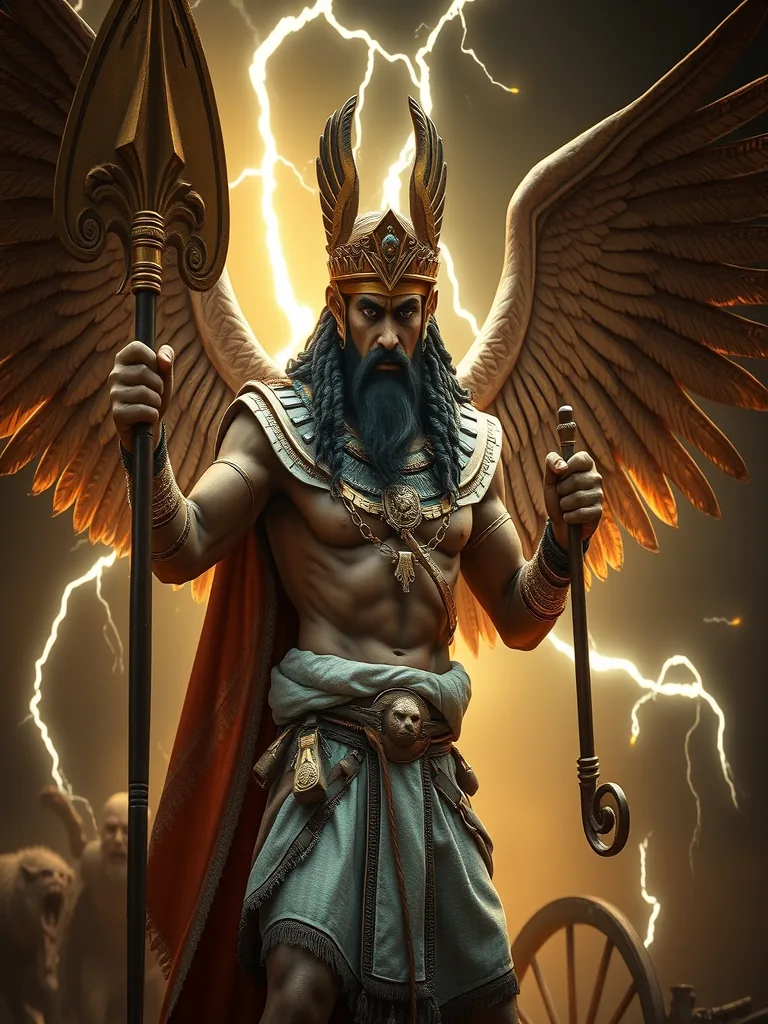
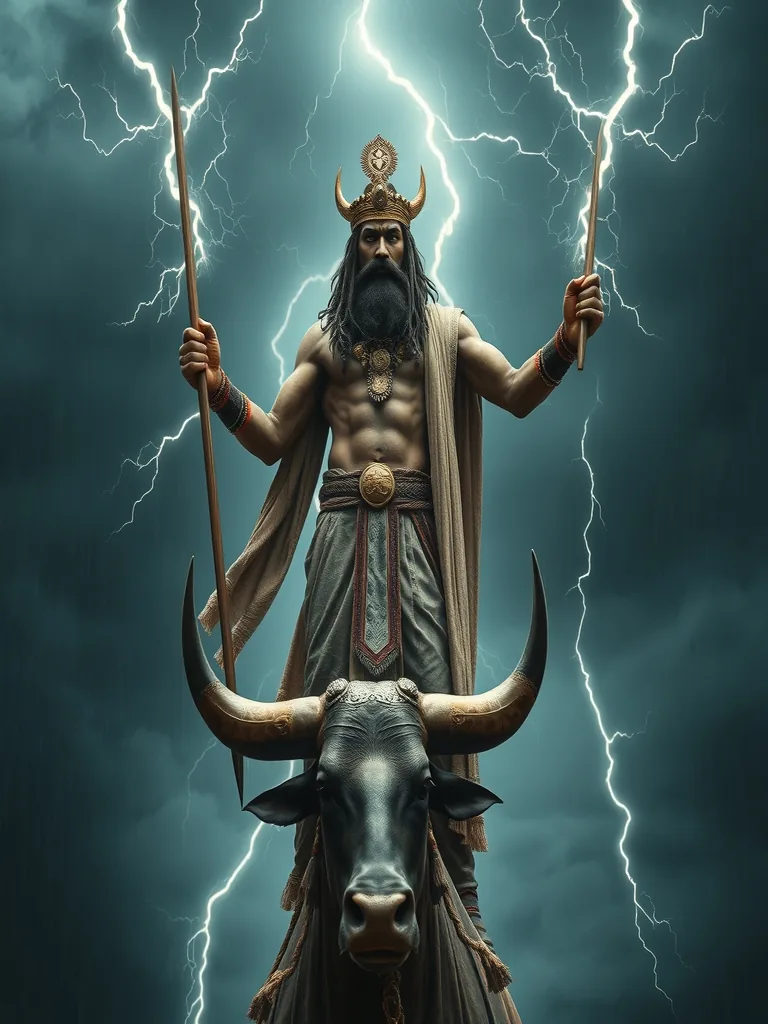
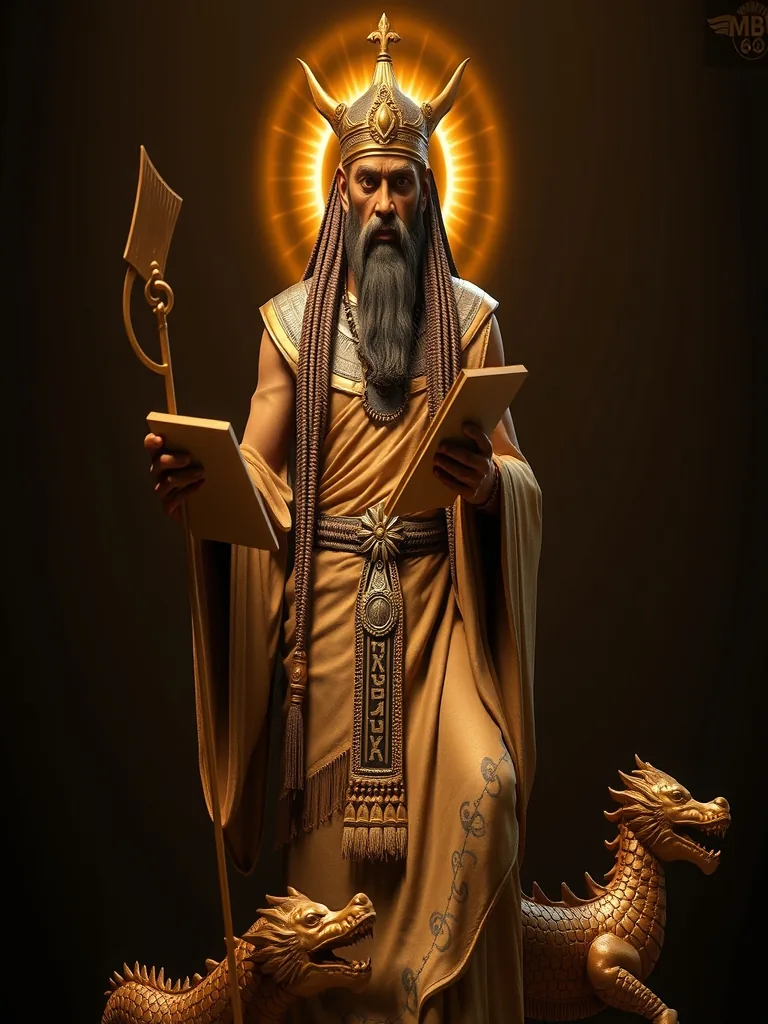
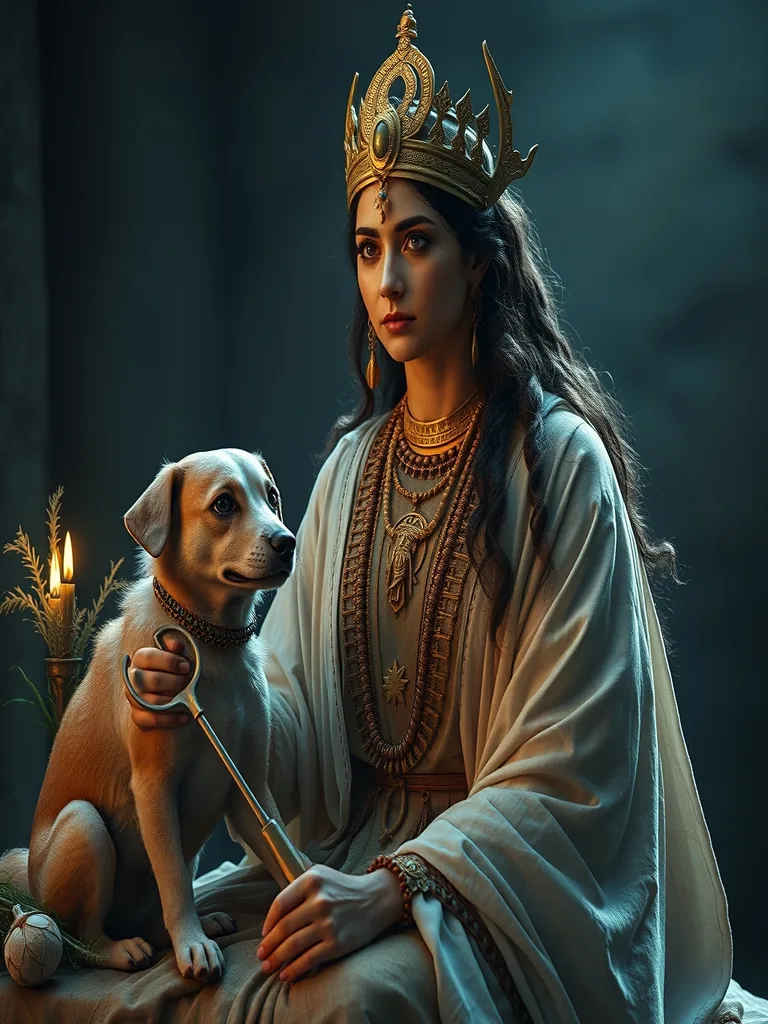
The Mesopotamian gods were worshipped by the Sumerians, Akkadians, Babylonians, and Assyrians in the land between the Tigris and Euphrates, the cradle of writing and cities. Each city raised a ziggurat to its patron god, served by a powerful priestly caste. Their myths, such as the Enuma Elish and the Epic of Gilgamesh, are among the oldest in the world.
The sacred stories of this pantheon anchored the moral and civic foundation of ancient settlements, establishing rites of passage, seasonal liturgies, and explanations for terrestrial and celestial cycles.
Principal Deities and Central Figures
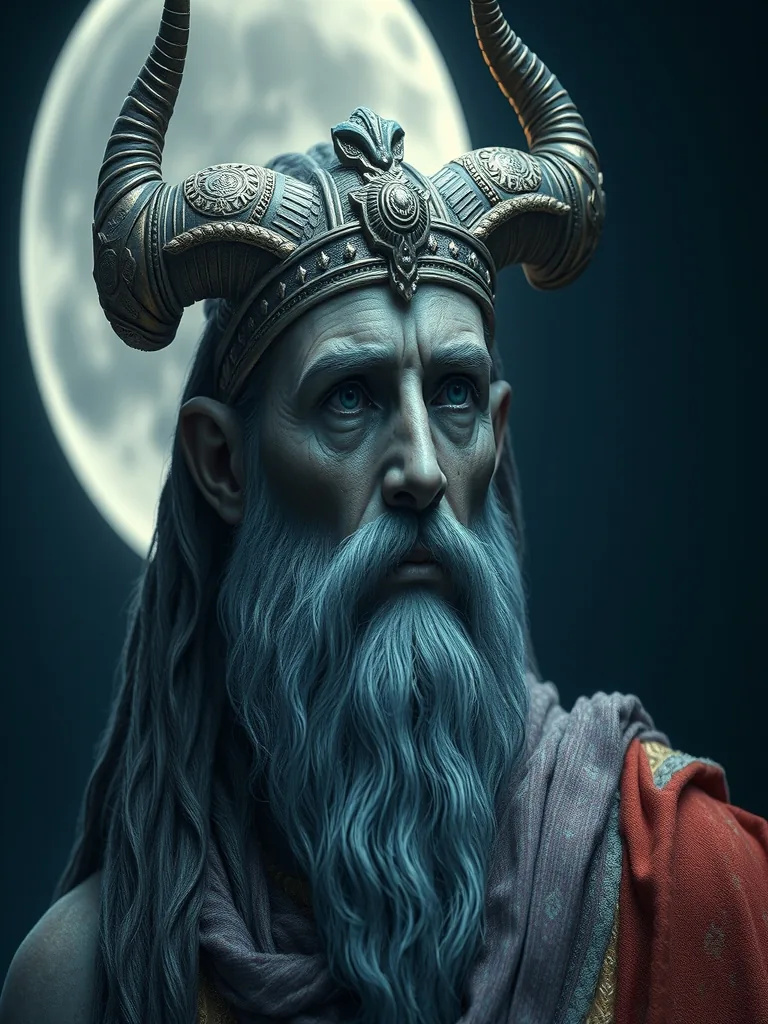
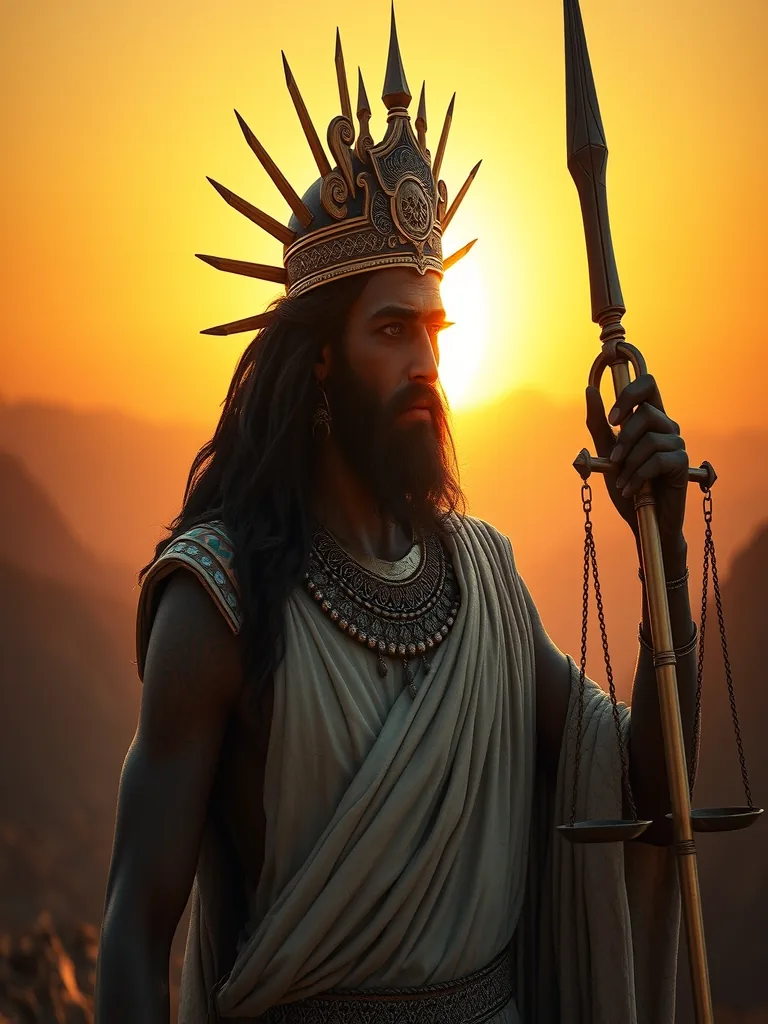
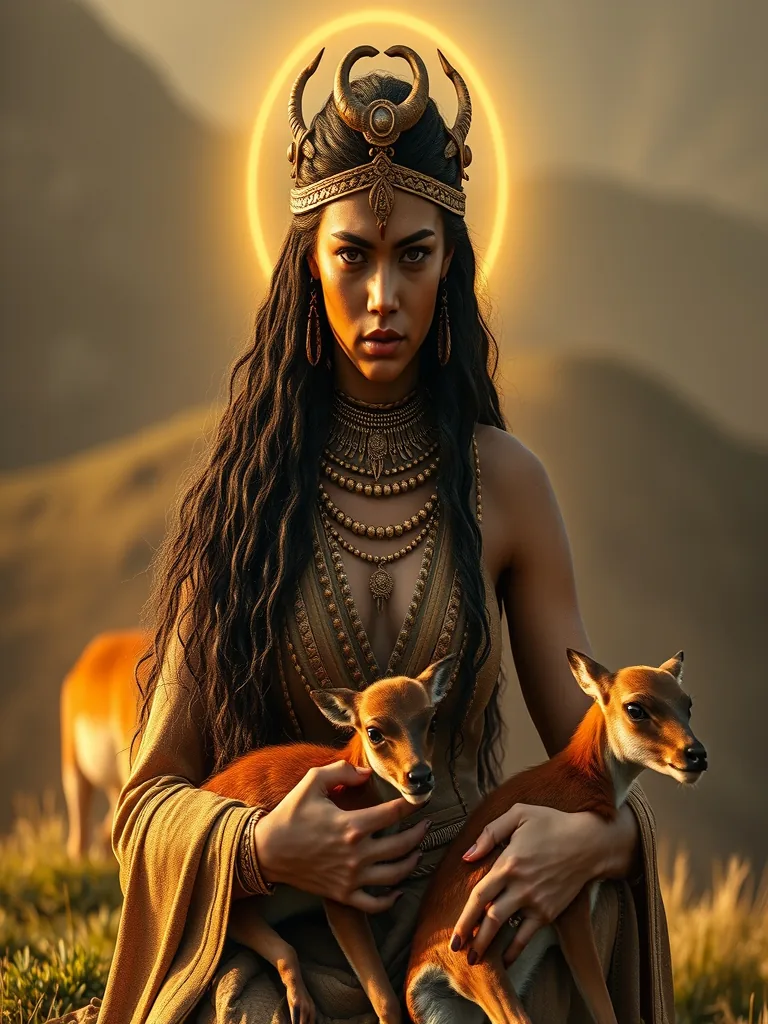
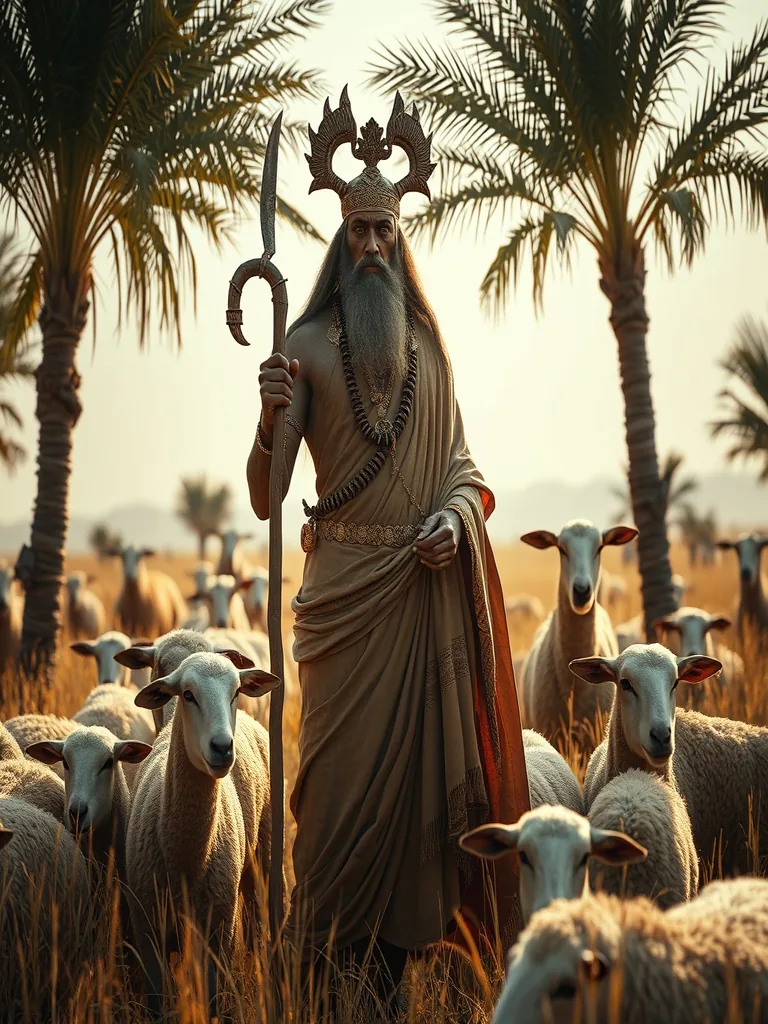
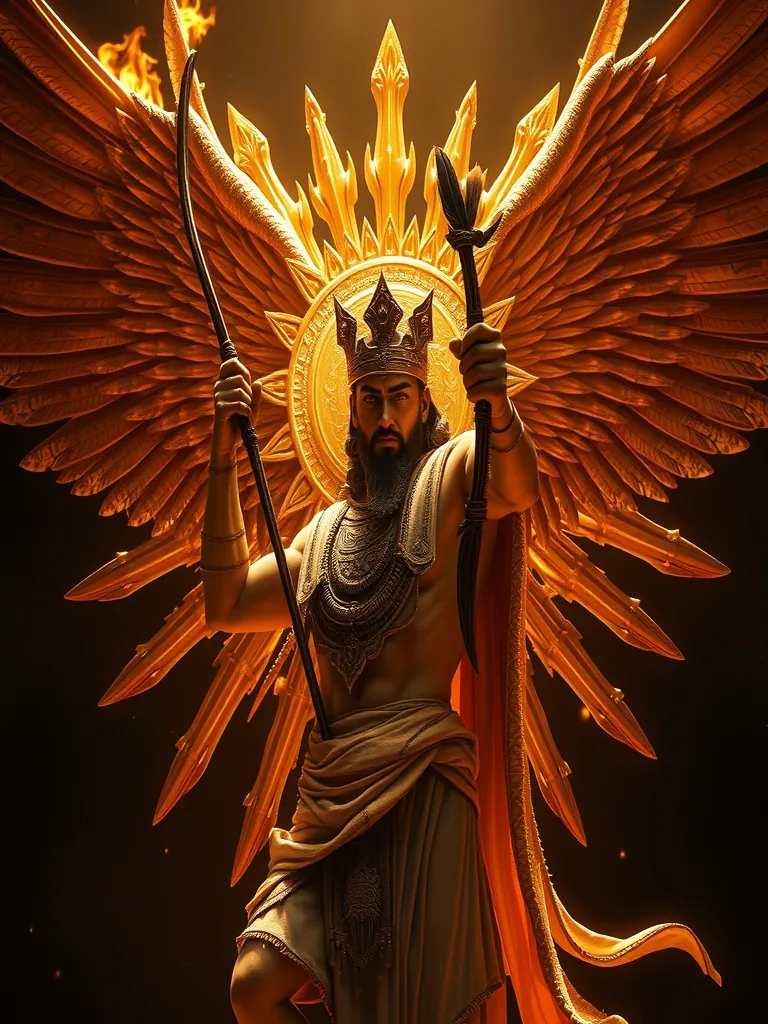
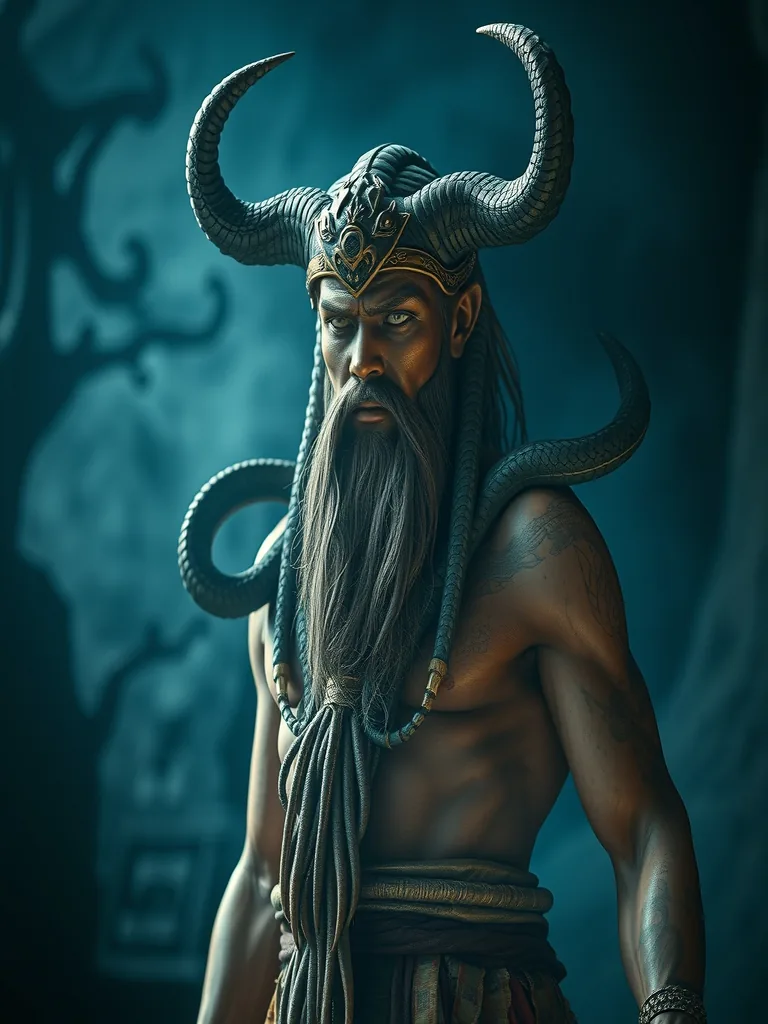
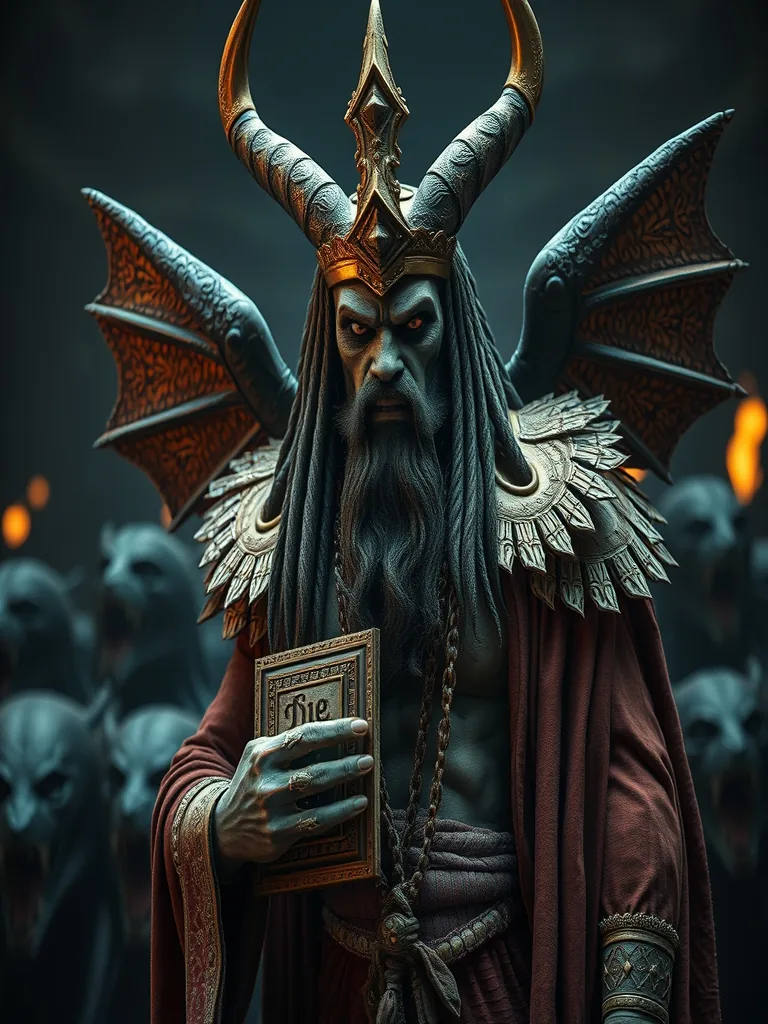
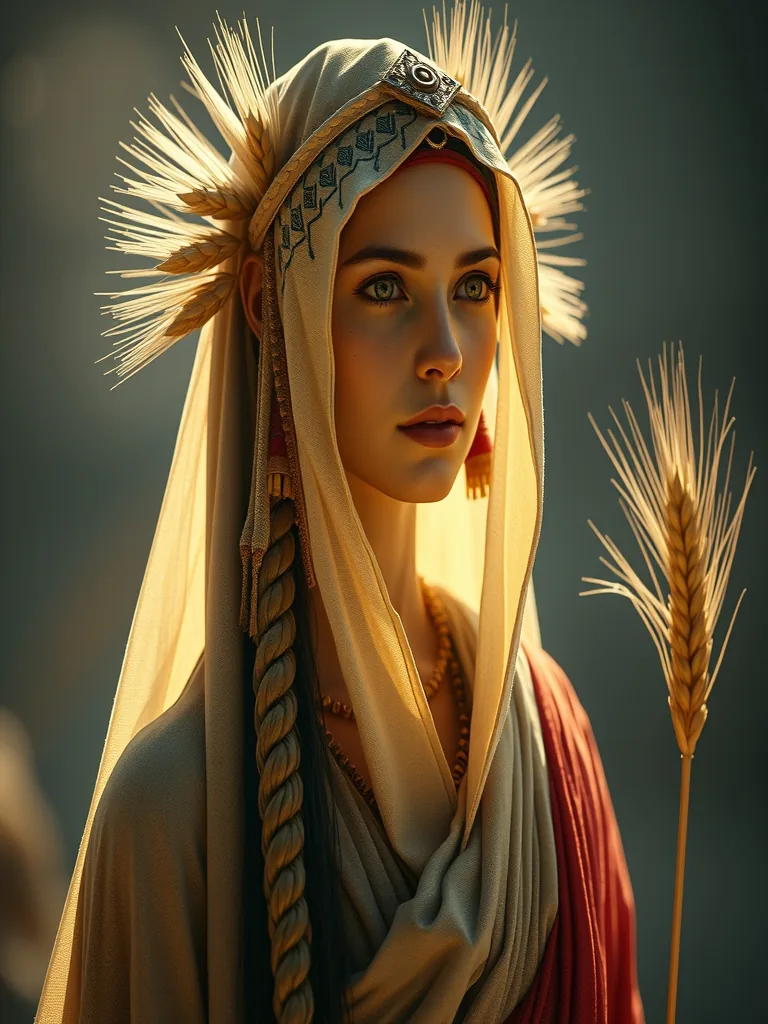
Among the 28 deities cataloged in the Codex for this pantheon, several figures hold preeminent standing across cosmic domains and civic life:
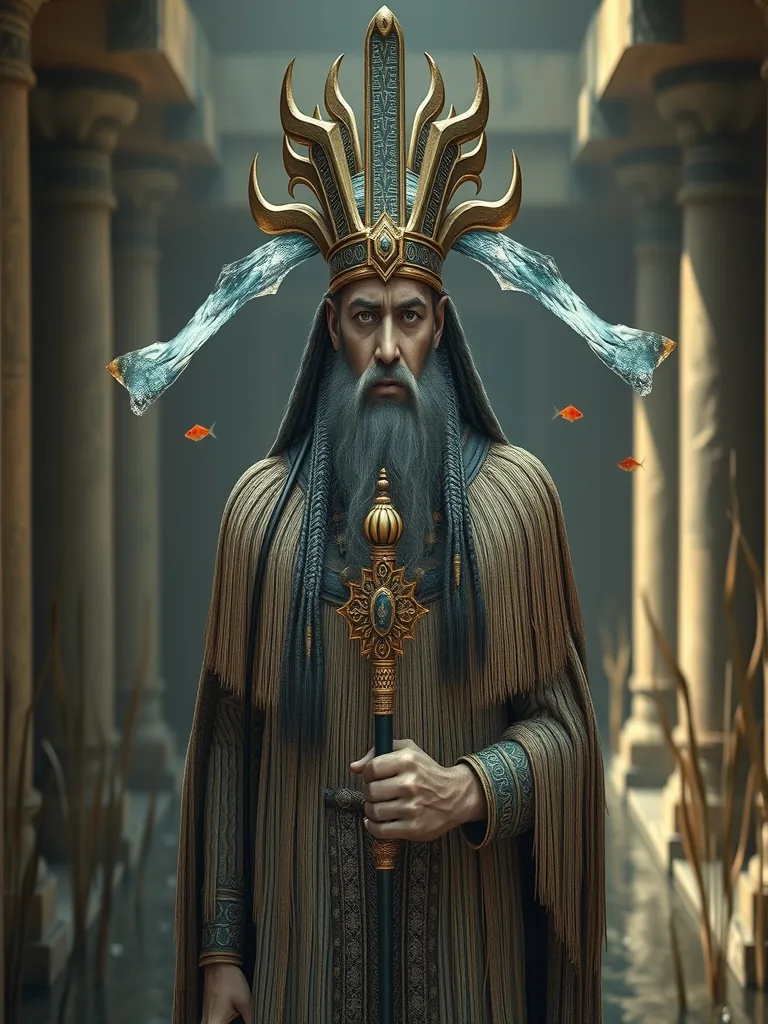
- Enki — Water & Engineering
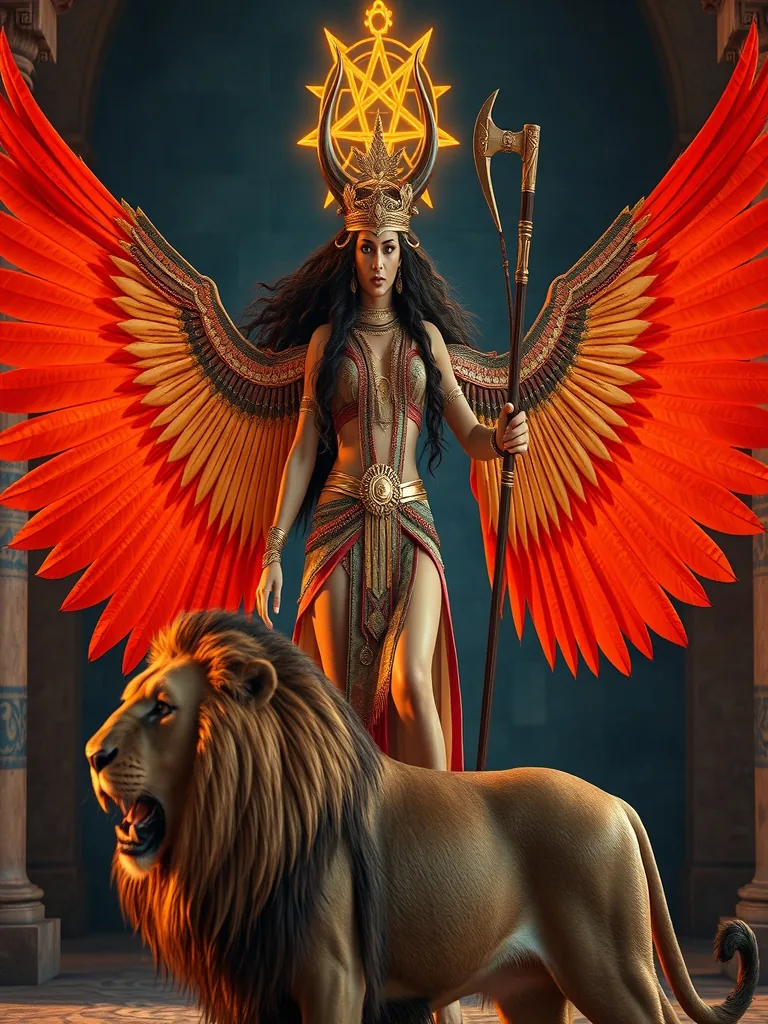
- Ishtar — Love & Warfare
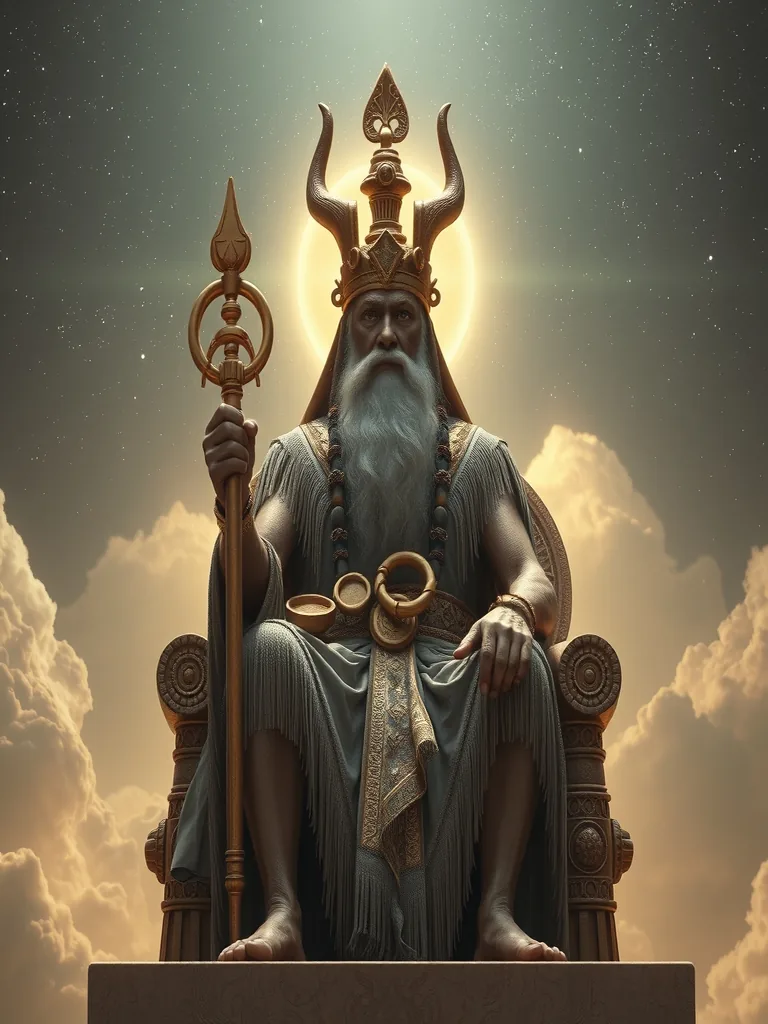
- Anu — Sky & Supreme Authority
- Enlil — Wind, Storm & Destiny
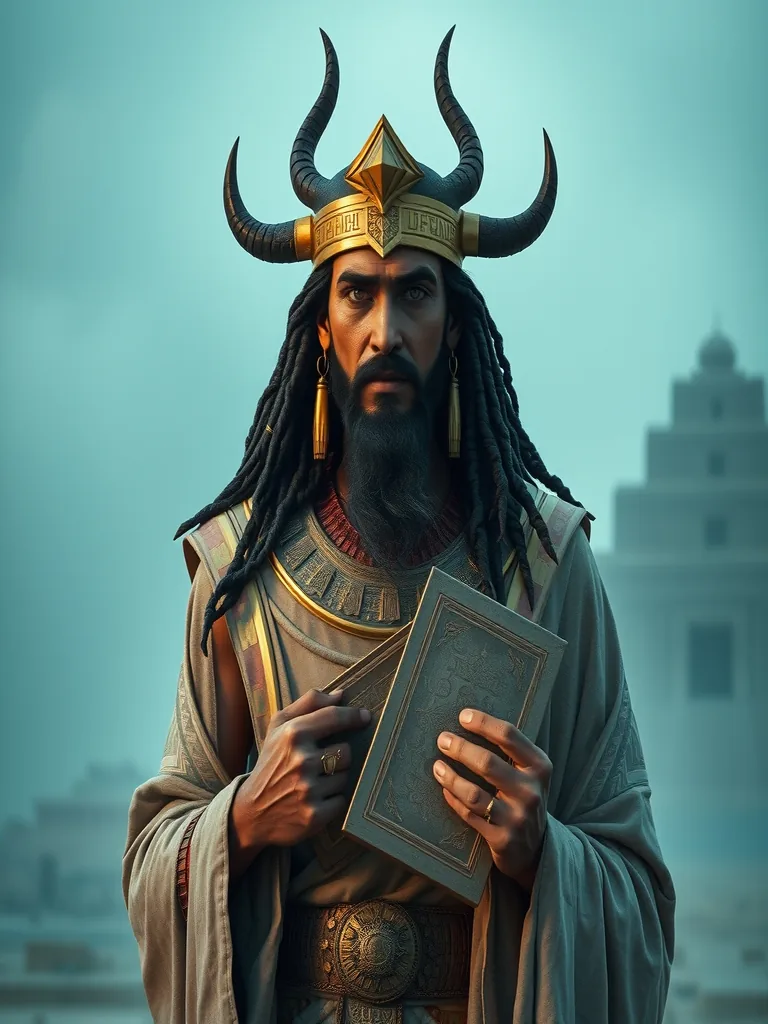
- Marduk — Creation, Justice & Kingship
Temples, Ritual Practices and Cult
The Akitu festival opened the new year with processions along Babylon's Sacred Way, and the sacred marriage rite symbolically united Inanna and Dumuzi to ensure fertility. Lamentations, hymns, and divination by animal livers marked daily religious life.
Priests and traditional lorekeepers guarded the continuity of sacred hymns and divine genealogies, ensuring the benevolence of the gods for agricultural fertility, social harmony, and communal protection.
28 deities