Skip to content
CodexMythologia
Back to the Codex
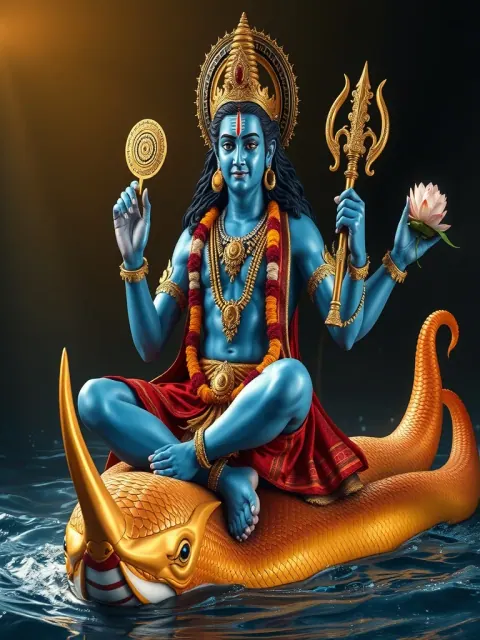
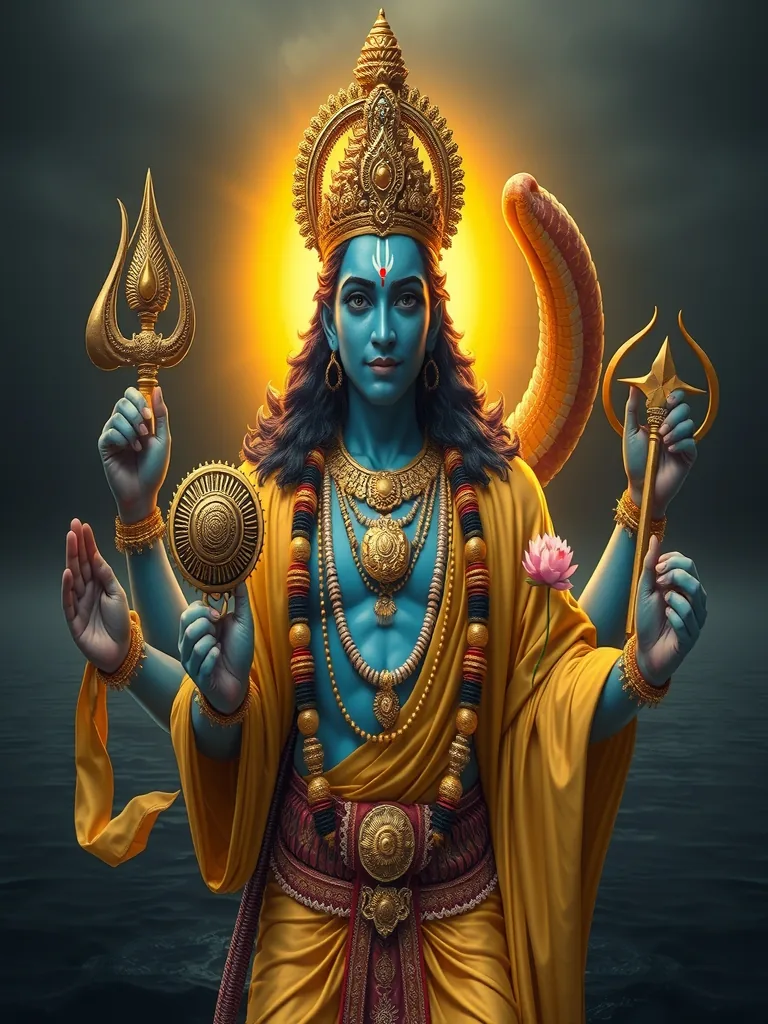
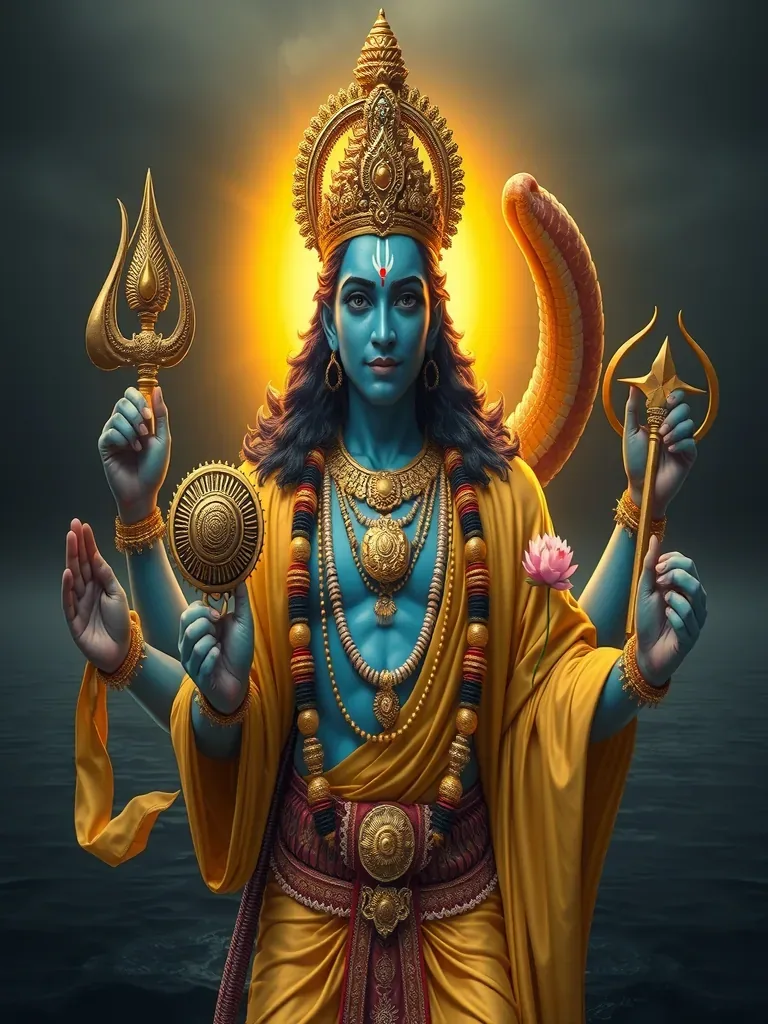
Portrait of Vishnu, Hindu deity
Hindu
Tap or drag
Hindu

Vishnu

The Cosmic Preserver

Domain
Order & Dharma
Alignment
Lawful Good
Element
Light
Relics of Power
Sudarshana Chakra Disk
Speak with Vishnu

The full Codex

5 sections of this entry are open to everyone: the summary, the people, the symbols, the lineage and the sources. The other 9 (Name and epithets, In the ancient sources, The myths, Worship and archaeology, How the god was depicted, What scholars debate, After antiquity, Did you know?, Codex relic) are part of the full Codex: PRO opens the whole study of all 500 deities, and without a subscription you can read one full entry a day, just like in the app.

The People

People
Hindu peoples
Region
Indian subcontinent
Period
c. 1500 BC – present

The Hindu deities have been worshipped for over three thousand years across the Indian subcontinent, from the Vedic hymns to the living Hinduism of today. Billions of devotees dedicate to them temples, festivals such as Diwali and Holi, and daily rituals in the home. It is one of the largest religious traditions still practiced in the world.

Diwali lights up India with oil lamps in honor of Lakshmi, and Holi celebrates spring with clouds of colored powder. At the Kumbh Mela, the largest pilgrimage on Earth, tens of millions bathe in the sacred rivers, and daily puja brings flowers, incense, and food to the altars.
At a glance

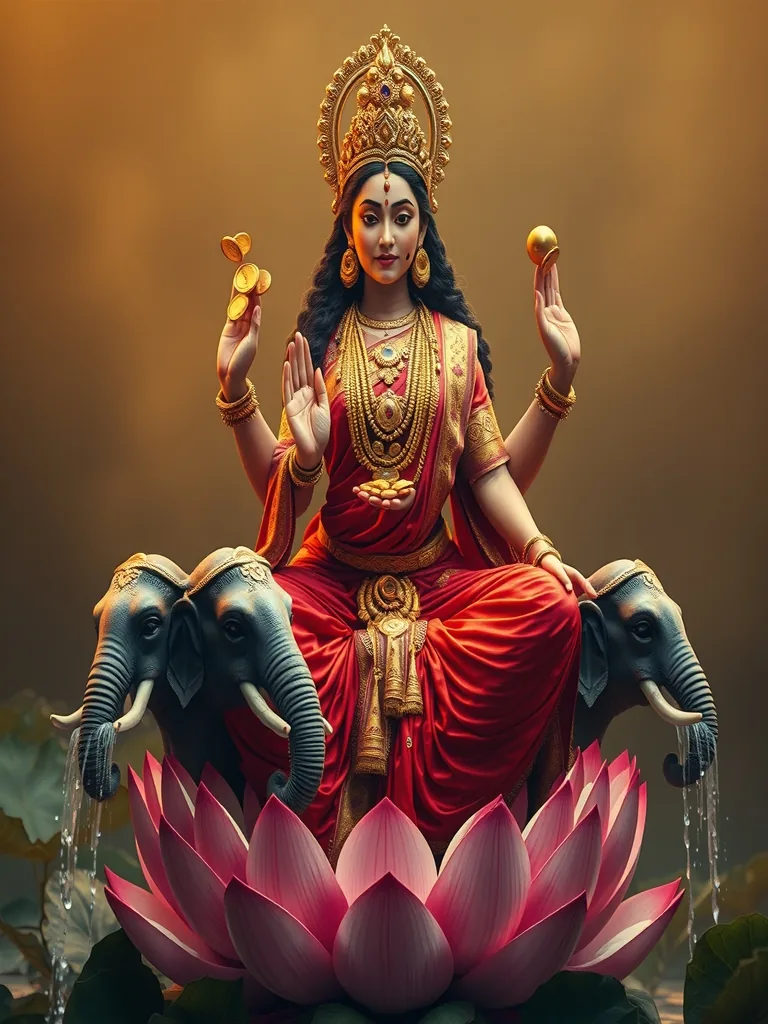
Viṣṇu is a central deity in Vaiṣṇava traditions. The Viṣṇu Purāṇa presents him as the origin, support, and end of the world, a broader formulation than the modern title 'preserver'. In the Bhagavad Gītā, Kṛṣṇa says that he manifests when dharma declines; purāṇic narratives describe appearances such as the boar Varāha, the man-lion Narasiṃha, and the fish Matsya. The god also appears with Śrī or Lakṣmī and, in sculpture, with discus, conch, mace, and lotus. These sources belong to different genres and communities: their episodes should be read as particular versions rather than chapters of a single biography.

10 min read · Reviewed on October 13, 2026 · How we research

Sacred symbols

Sudarshana disk, conch, mace, lotus flower and the eagle Garuda

Family

Vishnu
Unions
Genealogy according to Viṣṇu Purāṇa 1.9, união de Viṣṇu e Śrī; genealogias de suas manifestações variam entre os textos

Sources and further reading

Primary sources

  • Tradição do Viṣṇu Purāṇa, Viṣṇu Purāṇa 1.1. translation: Horace Hayman Wilson, 1840. read
  • Tradição do Viṣṇu Purāṇa, Viṣṇu Purāṇa 1.4. translation: Horace Hayman Wilson, 1840. read
  • Tradição do Viṣṇu Purāṇa, Viṣṇu Purāṇa 1.9. translation: Horace Hayman Wilson, 1840. read
  • Tradição do Viṣṇu Purāṇa, Viṣṇu Purāṇa 3.1. translation: Horace Hayman Wilson, 1840. read
  • Tradição do Viṣṇu Purāṇa, Viṣṇu Purāṇa 5.1. translation: Horace Hayman Wilson, 1840. read
  • Tradição do Viṣṇu Purāṇa, Viṣṇu Purāṇa 5.2–3. translation: Horace Hayman Wilson, 1840. read
  • Tradição do Mahābhārata, Bhagavad Gītā 4.7–8. translation: A. C. Bhaktivedanta Swami Prabhupāda. read
  • Tradição do Bhāgavata Purāṇa, Bhāgavata Purāṇa 7.8. translation: A. C. Bhaktivedanta Swami Prabhupāda. read
  • Tradição do Bhāgavata Purāṇa, Bhāgavata Purāṇa 8.24. translation: A. C. Bhaktivedanta Swami Prabhupāda. read

Studies

  • The Metropolitan Museum of Art, Vishnu Accompanied by Lakshmi and Sarasvati. open
  • The Metropolitan Museum of Art, Standing Four-Armed Vishnu. open
  • UNESCO World Heritage Centre, Angkor, World Heritage documentation. open

Name and epithets

The etymological explanation offered by Viṣṇu Purāṇa 3.1 connects Viṣṇu to the Sanskrit root viś, 'to enter' or 'to pervade': divine power runs through the world.

In the ancient sources

Viṣṇu Purāṇa, purāṇic text composed and transmitted in layers. Cosmology, Varāha, Śrī, Vāmana, and Kṛṣṇa's birth; translation by H. H. Wilson.

The myths

Varāha raises the Earth from the waters. At the beginning of a new kalpa, says Viṣṇu Purāṇa 1.4, the world is covered by water. The god perceives that the Earth is submerged and takes the form of a boar to recover her.

Worship and archaeology

The narrative episodes do not suffice to describe the worship of Viṣṇu. Bhagavad Gītā 4.7–8 presents, in Kṛṣṇa's voice, a reason for divine manifestation: protecting the righteous, confronting harmful agents, and restor…

How the god was depicted

The twelfth-century stone Viṣṇu catalogued by the Metropolitan Museum of Art has four arms and holds a discus (cakra), conch (śaṅkha), mace (gadā), and lotus (padma).

What scholars debate

The scope of 'preserver' and of avatar lists. The label 'preserver' describes an important role, but Viṣṇu Purāṇa 1.1 attributes creation, preservation, and dissolution to the god.

After antiquity

The historical spread of Viṣṇu's images can be seen in a limited, concrete way in the consulted collections and monuments.

Did you know?

In the twelfth-century Bengal sculpture described by the Metropolitan Museum of Art, small figures beside the god personify the conch and the discus.

Codex relic

Sudarshana Chakra Disk. A sharp solar disk cutting down demons and restoring Dharma.

The rest of this scroll is sealed

The legends, the myth, the cult and relics are part of the full Codex. You can open 1 full entry for free every day; to open all 500 deities with no limits and no ads, subscribe to Codex PRO.

See Codex PROGet it on Google Play

From the same pantheon

View pantheon