Skip to content
CodexMythologia
Back to the Codex
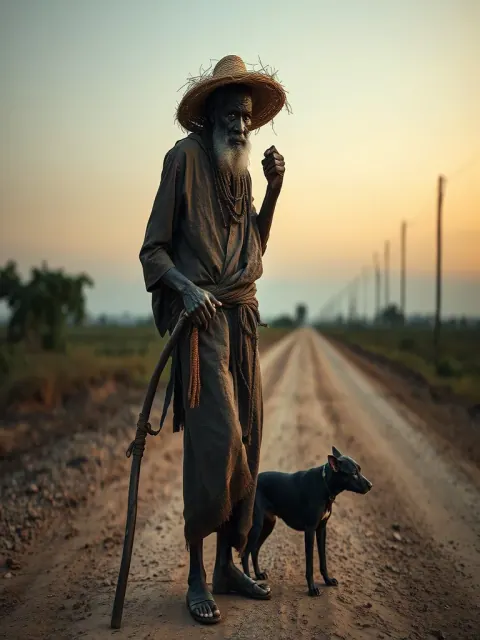
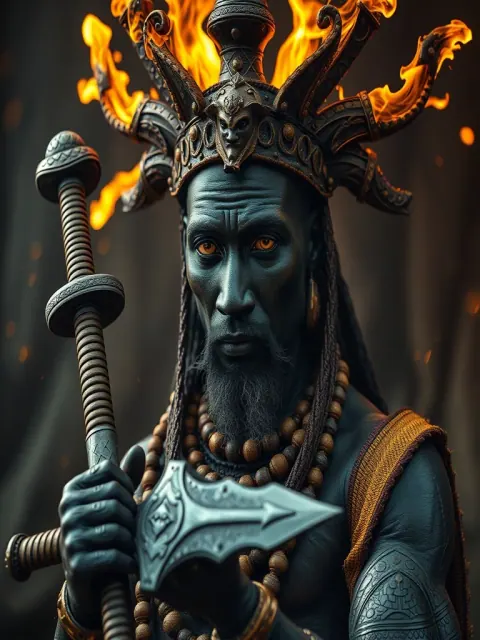
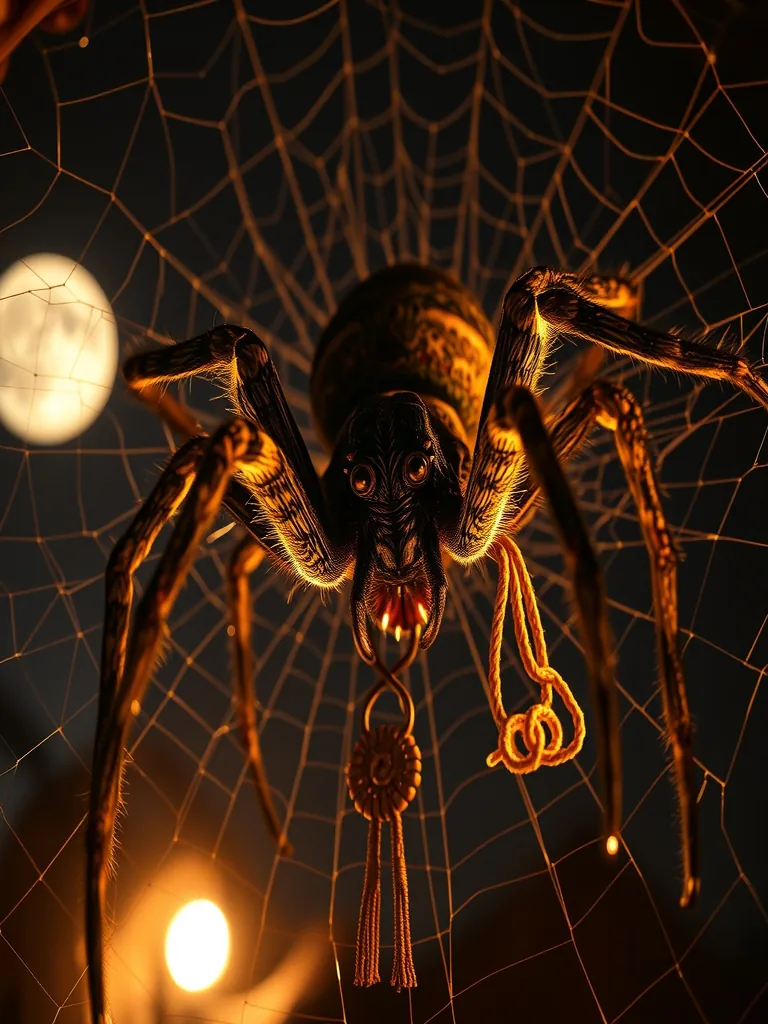
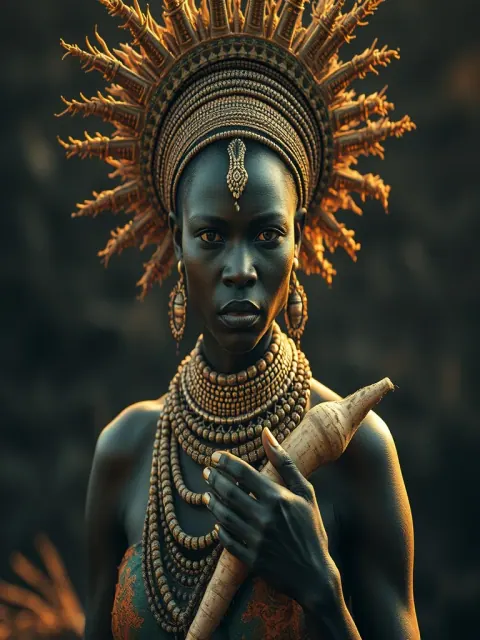
Portrait of Anansi, African deity
African
Tap or drag
African

Anansi

The Spider of Stories

Domain
Cunning, Stories & Wisdom
Alignment
Chaotic Good
Element
Earth
Relics of Power
Web of All Stories
Speak with Anansi

The full Codex

5 sections of this entry are open to everyone: the summary, the people, the symbols, the lineage and the sources. The other 9 (Name and epithets, In the ancient sources, The myths, Worship and archaeology, How the god was depicted, What scholars debate, After antiquity, Did you know?, Codex relic) are part of the full Codex: PRO opens the whole study of all 500 deities, and without a subscription you can read one full entry a day, just like in the app.

The People

People
African peoples
Region
Sub-Saharan Africa
Period
antiquity – present

These deities gather traditions of various Sub-Saharan African peoples, from the Bantu to the Akan and Dogon. Worshipped through ancestral rites, masks, and drums, they bind communities to the spirits of nature and the ancestors. Many of these beliefs remain alive both in Africa and in the religions of the diaspora.

Mask societies, such as those of the Dogon and Bambara, give body to the spirits in ceremonial dances. Initiation rites mark the passage to adulthood, and offerings of water, grain, and animals keep the bond with the ancestors and the spirits of nature.

At a glance

Anansi (Kwaku Ananse) is the trickster spider of the tales of the Akan people of Ghana. In the stories collected by R. S. Rattray he buys all the world's narratives from the sky god, Nyankonpon (Nyame), and that is why they come to be called “spider-stories” (Anansesem). He is also the husband of Aso, the father of Ntikuma, a glutton, a deceiver and, at times, himself deceived. The base is a single collector, from 1930; it is neither an ancient record nor a cult text.

13 min read · Reviewed on October 14, 2026 · How we research

Sacred symbols

The spider, the web, the thread and the pot of wisdom

Family

Anansi
Unions
Aso (Ananse's wife in Rattray's tales)
Children
NtikumaNyiwankonfwea (Thin-shanks)Afudotwedotwe (Belly-like-to-burst)Tikonokono (Big-big-head)
Genealogy according to Rattray (1930), conto sobre a chibata (“How it came about that children were first whipped”). Relações de Ananse com Nsia variam de conto para conto e não foram harmonizadas.

Sources and further reading

Primary sources

  • Rattray, Robert Sutherland, Akan-Ashanti Folk-Tales (1930). translation: Akan text with English translation in the same edition. read
  • Rattray, Robert Sutherland, Akan-Ashanti Folk-Tales (1930), full OCR text. translation: English translation by Rattray himself. read

Studies

  • Jekyll, Walter (notes by Alice Werner), . open

Name and epithets

Anansi (Kwaku Ananse) Kwaku Ananse: Name with which Rattray opens the tale of the sky god's stories: “KWAKU ANANSE, the Spider”..

In the ancient sources

Akan-Ashanti Folk-Tales, collection, Akan text and English translation by R. S. Rattray (Oxford, Clarendon Press), 1930 (publication of oral tradition collected in Ashanti).

The myths

How the sky god's stories became “spider-stories”. Kwaku Ananse went to Nyankonpon, the sky god, to buy his stories.

Worship and archaeology

In the introduction to Akan-Ashanti Folk-Tales, Rattray describes spider-tale evenings with an audience, character impersonations, and much laughter; the passage presents no altar, priest, or offering to Anansi.

How the god was depicted

The source checked does not describe images of Anansi. What it documents is the object of the Akua Ba doll, carved of wood and coated with latex, which Ananse uses to capture the fairy in the tale of the sky god's stori…

What scholars debate

Why animals and the sky god himself become characters. According to Rattray, his Akan informants explained that in ancient times anyone with a grievance against a neighbour, a chief or even the king of Ashanti could exp…

After antiquity

The best-documented case in the open sources read is Rattray himself: in 1930, at the Clarendon Press in Oxford, he published Akan tales with the original text and an English translation, and called the Ananse tales Ana…

Did you know?

In Rattray, the opening formula “we do not really mean that what we are going to say is true” is spoken before the tales. Several stories close with a request that part be taken away and part returned to the narrator.

Codex relic

Web of All Stories. The web in which he weaves and keeps all the tales of the world, won by cunning from the sky god.

The rest of this scroll is sealed

The legends, the myth, the cult and relics are part of the full Codex. You can open 1 full entry for free every day; to open all 500 deities with no limits and no ads, subscribe to Codex PRO.

See Codex PROGet it on Google Play

From the same pantheon

View pantheon