CMCodex
Back to the Codex
Chandra
Hindu

Chandra

The God of the Moon

Domain
Moon, Soma & Fertility
Alignment
Neutral Good
Element
Air
Relics of Power
Cup of Soma
Speak with Chandra

The People

People
Hindu peoples
Region
Indian subcontinent
Period
c. 1500 BC – present

The Hindu deities have been worshipped for over three thousand years across the Indian subcontinent, from the Vedic hymns to the living Hinduism of today. Billions of devotees dedicate to them temples, festivals such as Diwali and Holi, and daily rituals in the home. It is one of the largest religious traditions still practiced in the world.

Diwali lights up India with oil lamps in honor of Lakshmi, and Holi celebrates spring with clouds of colored powder. At the Kumbh Mela, the largest pilgrimage on Earth, tens of millions bathe in the sacred rivers, and daily puja brings flowers, incense, and food to the altars.
The Sacred Scrolls

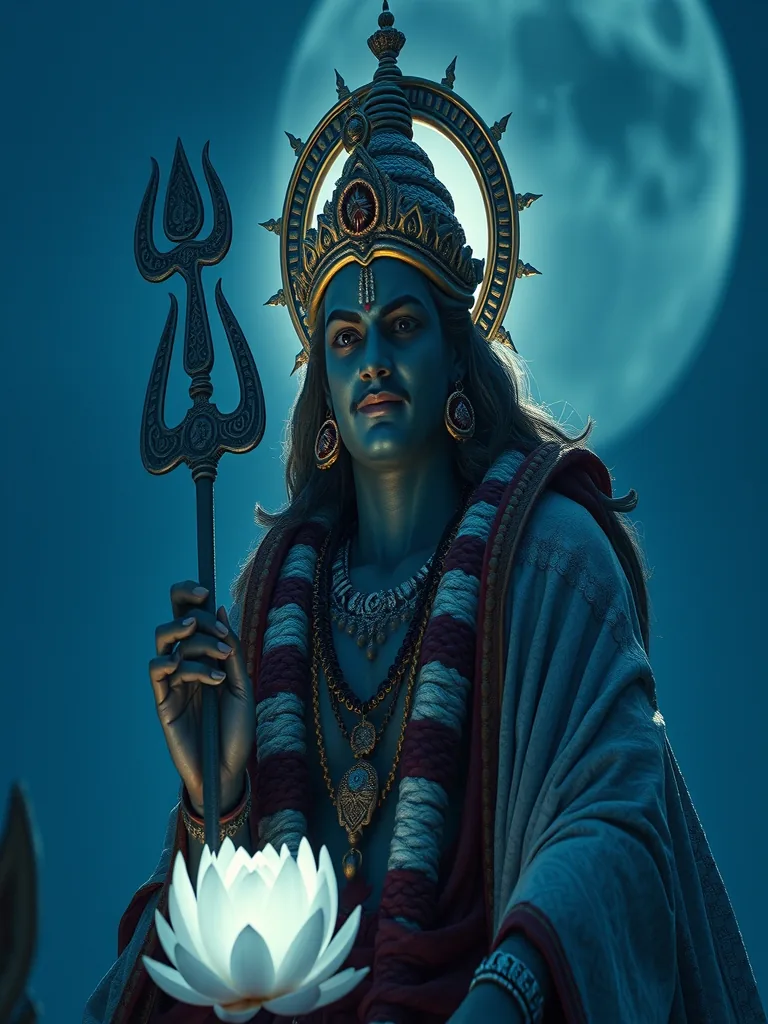
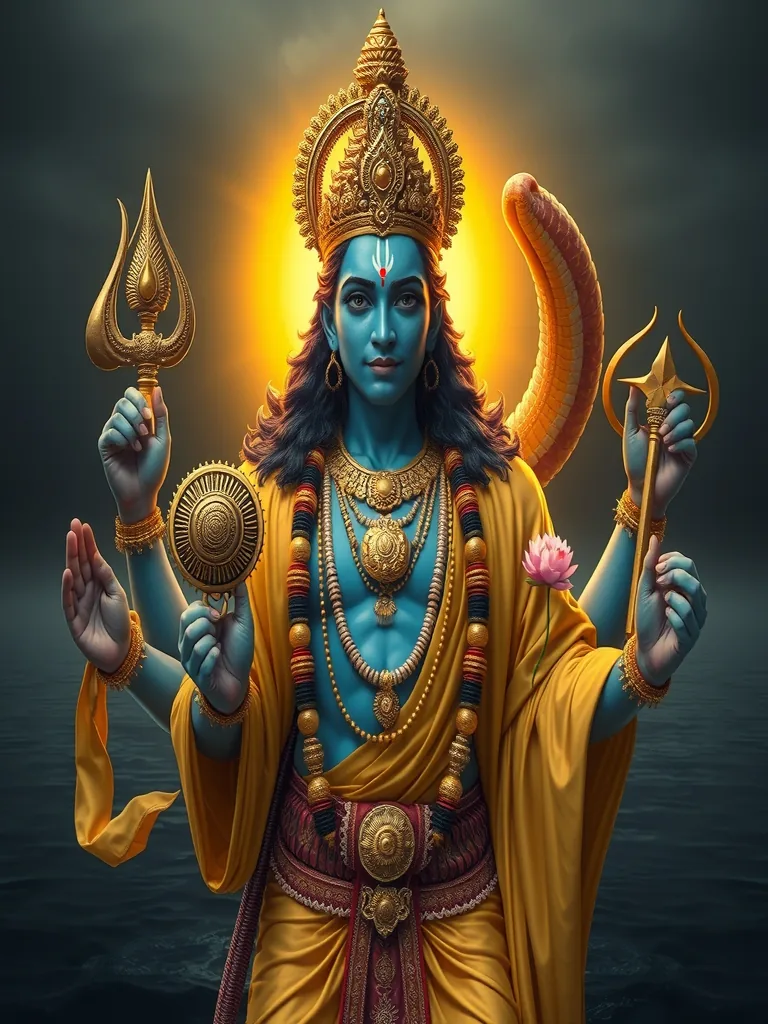
God of the moon, Chandra governs the tides, the plants, fertility, and the mind. Young and handsome, he crosses the night sky in a chariot drawn by antelopes or white horses. He is intimately tied to Soma, the sacred nectar that gives vigor to the gods. As The God of the Moon, this deity occupies a position of supreme prestige in the hindus pantheon. Their domains over Moon, Soma & Fertility reflect ancestral cosmic order maintained across millennia. In classical iconography, they are depicted with an aura of unshakeable majesty and sacred attributes that inspired reverence in emperors and peasants alike. Their influence extended beyond earthly boundaries, governing fates and harmony between the visible and invisible worlds. For ancient devotees, contemplating their essence was to understand the very fundamental forces of nature and human existence.

Sacred Symbols

The lunar crescent, the antelope chariot, the rabbit and the cup of Soma

Divine Lineage

Husband of the 27 daughters of Daksha (the constellations); father of Budha (the planet Mercury).

The Legendary Myth

Chandra married the 27 daughters of Daksha, the lunar stars, but favored only one of them, Rohini, neglecting the rest. The slighted wives complained to their father, who cursed Chandra to waste away and lose his light.

Legends & Deeds

A celebrated secondary legend preserved in the oral traditions of the hindus recounts the journey when Chandra intervened directly in the lives of mortals.

Cult & Worship

Historically, the cult of Chandra occupied a central place in the religious and architectural calendar of antiquity.

Relics of Power

A cup holding the lunar nectar Soma, drink of the gods that grants ecstasy and immortality.

Did You Know?

India's lunar mission 'Chandrayaan' is named after Chandra: it literally means 'moon vehicle' in Sanskrit. In modern astronomy and science, Chandra's name and symbols inspired the naming of celestial bodies and geologica…

The rest of this scroll is sealed

The myth, the legends, the cult, the relic and the curiosity are part of the full Codex. Without a subscription you open 3 scrolls a day.

See Codex PRO

From the same pantheon

View pantheon