5 sections of this entry are open to everyone: the summary, the people, the symbols, the lineage and the sources. The other 9 (Name and epithets, In the ancient sources, The myths, Worship and archaeology, How the god was depicted, What scholars debate, After antiquity, Did you know?, Codex relic) are part of the full Codex: PRO opens the whole study of all 500 deities, and without a subscription you can read one full entry a day, just like in the app.
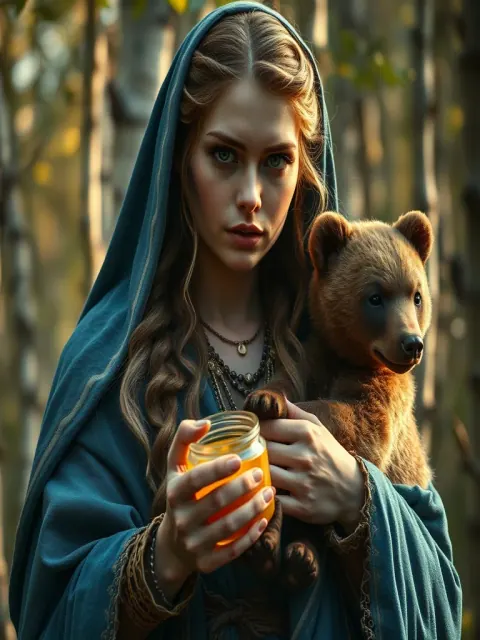
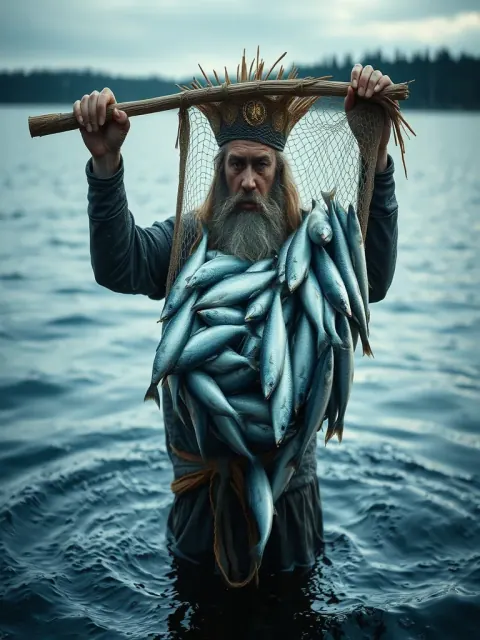
The Finnish deities were worshipped by the Finnic peoples of the forests and lakes of northern Europe. Tied to nature, the hunt, and the magic of words, they were passed down orally for generations. In the 19th century, Elias Lönnrot gathered these songs into the Kalevala, Finland's national epic.
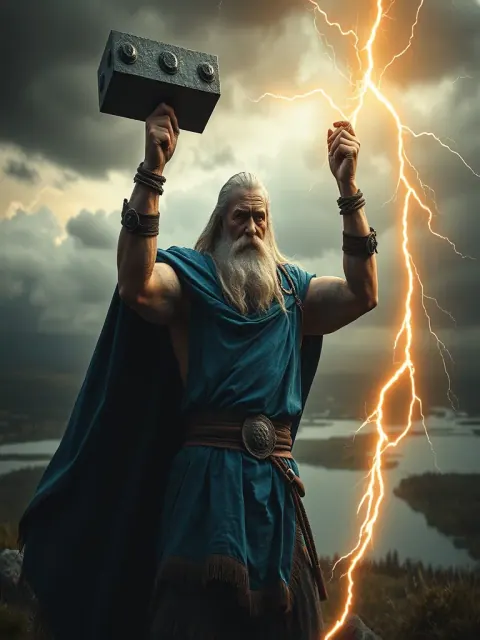
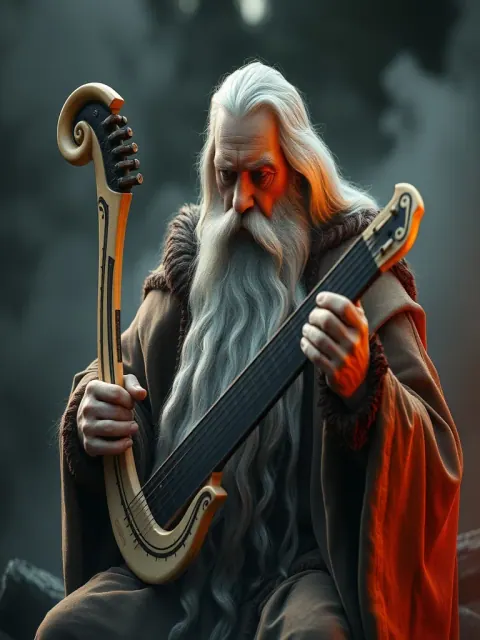
Rune singers passed the myths down in verses sung to the kantele, Väinämöinen's sacred zither. At the feast of Ukon vakat, drink offerings were made to Ukko for thunder and a good harvest, and hunters performed rites of apology to the spirit of the slain bear.
01
At a glance
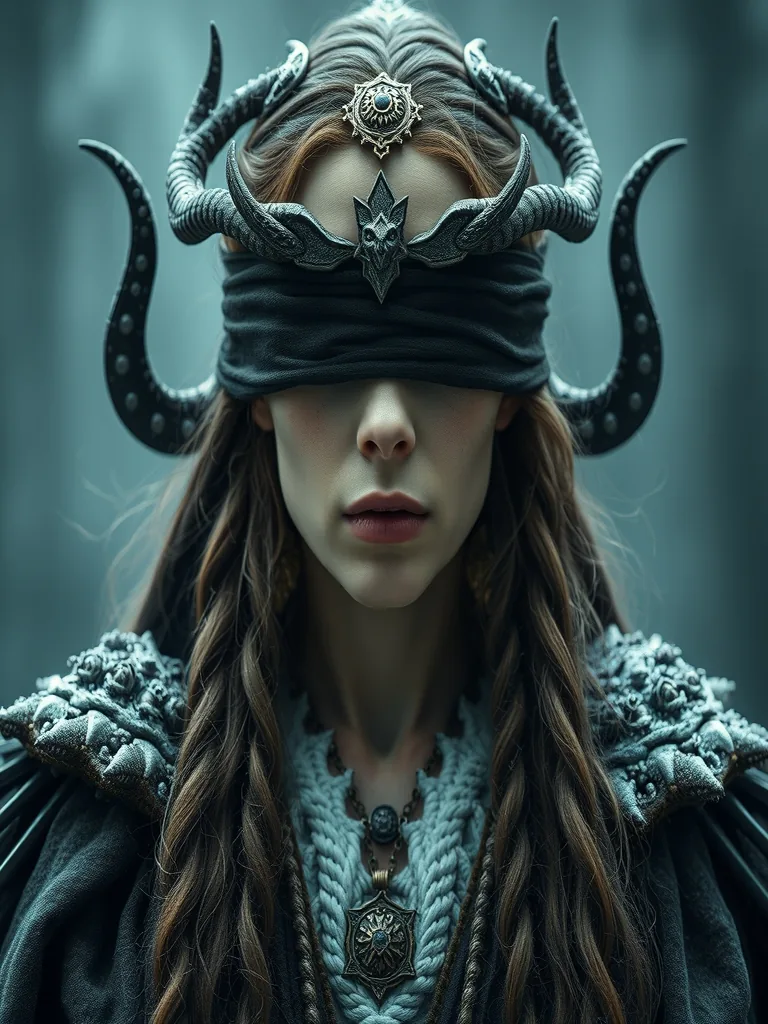
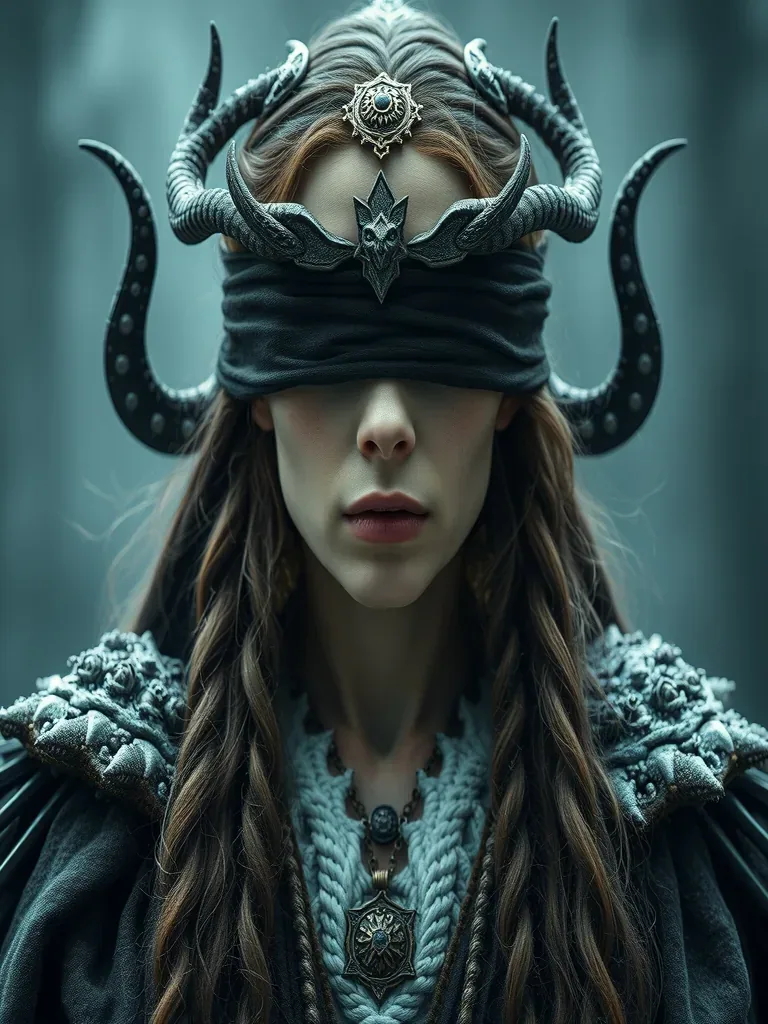
Loviatar (frequently recorded across runic oral variants as Loveatar, Louhetar, Louhiatar, or Lovetar) is the fearsome underworld maiden and primordial mother of ailments in Finnish and Karelian mythology, embodying the mytho-etiological genesis of plagues, scourges, and bodily agony that afflict humankind. Introduced in Rune XLV of the epic Kalevala as the eldest and most malignant daughter of the underworld sovereign rulers Tuoni and Tuonetar, she is depicted as a blind, dark-complexioned, and hideous crone, identified in the canonical verses as 'the source of all evil, of thousands of woes' (alku kaikille pahoille, tuhansille turmioille). Lying with her back turned against the tempestuous east wind upon a desolate and barren heath, Loviatar is impregnated by the freezing gale. Following an agonizing pregnancy that cannot find delivery between jagged crags, steep mountains, or burning torrents, she is guided by a celestial voice from Ukko to seek the northern expanse of Pohjola. There, the matriarch Louhi secretly shelters her in a steaming bathhouse (sauna), oiling the wooden hinges with barley beer to silence their creaking and acting as midwife. In a single summer night, Loviatar brings forth nine cruel sons, eight of whom are given the names of the principal historical scourges known to northern peoples, while the unnamed ninth offspring is banished into the waterways to operate as insidious witchcraft, sorcery, and malevolent envy (kate, noita). In traditional folk medicine documented in the SKVR corpus, the runic incantations describing the 'Origin of Diseases' (Tautien synty) functioned as essential diagnostic and exorcistic formulas: by reciting Loviatar's mythic deed, the healer-shaman (tietäjä) seized mastery over the spirit of sickness and banished it back to the crags of Tuonela.
8 min read · Reviewed on September 30, 2026 · How we research
02
Sacred symbols
The blindness, the icy wind, the disease and the nine malign children
03
Family
Parents
Tuoni (sovereign lord of the underworld realm of Tuonela) and Tuonetar (mistress of the halls of the dead)
Siblings
Children of Tuonela: Tuonen poika (the grim iron-fingered son), Kipu-tyttö / Kivutar (maiden who grinds ailments on the boulder of Kipuvuori), Vammatar (spirit of wounds and lesions), and Tuonen tytti (the ferrymaiden of the death river)
Loviatar
Unions
The Stormy East Wind / Northern Gale (Iki-Ihtana in runic incantations, the atmospheric blast that impregnated her on the barren plain)
Children
The Nine Diseases (Yhdeksän sairautta): Pistos (pleuritic stitch), Ähky (convulsive colic), Luuvalo (gout and bone-ache), Riisi (rickets and wasting), Paise (ulcerous boil), Rupi (scab and rash), Syöpä (devouring cancer), Rutto (fatal plague), and the ninth unnamed spawn, cast into the waters to become sorcery, insidious witchcraft, and malignant envy (kate, noita)
Genealogy according to Elias Lönnrot, Kalevala (1849, Runo 45); Elias Lönnrot, Suomen kansan muinaisia loitsurunoja (1880); Christfrid Ganander, Mythologia Fennica (1789); Suomen Kansan Vanhat Runot (SKVR); Uno Harva, Suomalaisten muinaisusko (1948); Martti Haavio, Suomalainen mytologia (1967); Anna-Leena Siikala, Itämerensuomalaisten mytologia (2012)
04
Sources and further reading
Primary sources
Lönnrot, Elias (comp.) & Crawford, John Martin (trans.), The Kalevala: The Epic Poem of Finland (Runo XLV: Birth of the Nine Diseases). translation: Complete English-language edition at the Internet Sacred Text Archive. read
Lönnrot, Elias (comp.) & Crawford, John Martin (trans.), The Kalevala: The Epic Poem of Finland (1888). translation: Full text archived at Project Gutenberg (#5186). read
Lönnrot, Elias, Kalevala (1849, Viidesviidettä runo / Runo 45: Louhi, Pohjolan emäntä). translation: Full original Finnish text archived at Project Runeberg. read
Lönnrot, Elias, Kalevala (1849, Suomen Kansan Kansalliseepos). translation: Full digital edition in Finnish at Project Gutenberg (#25953). read
Lönnrot, Elias, Suomen kansan muinaisia loitsurunoja (1880, Pahan ja Tautien synty). translation: Full digital edition of the traditional incantations at Project Gutenberg (#48751). read
Suomalaisen Kirjallisuuden Seura (SKS), SKVR: Suomen Kansan Vanhat Runot (Base Digital). translation: Digital archive of oral Finnish and Karelian runic poetry. read
Ganander, Christfrid, Mythologia Fennica (1789, entries Lovetar and Taudit). translation: Full digital edition at Project Gutenberg (#52445). read
Studies
Harva, Uno, Suomalaisten muinaisusko. WSOY, Helsinki & Porvoo, 1948. open
Siikala, Anna-Leena, Itämerensuomalaisten mytologia. Suomalaisen Kirjallisuuden Seura, Helsinki, 2012. open
Haavio, Martti, Suomalainen mytologia. WSOY, Helsinki, 1967. open
Pulkkinen, Risto & Lindfors, Stina, Suomalaisen kansanuskon sanakirja. Gaudeamus, Helsinki, 2016. open
Bonser, Wilfrid, The Mythology of the Kalevala, with Notes on Bear-Worship among the Finns. Folklore, vol. 39, no. 4, pp. 344–358, 1928. open
Siikala, Anna-Leena et al., Myth and Mentality: Studies in Folklore and Popular Thought. Finnish Literature Society (SKS), Helsinki, 2002. open
Name and epithets
The theonym Loviatar and its regional variations (Loveatar, Louheatar, Lovetar, Lovehetar) possess deep linguistic and conceptual foundations analyzed by scholars such as Kaarle Krohn, Uno Harva, and Anna-Leena Siikala.…
In the ancient sources
Kalevala (Elias Lönnrot's definitive expanded edition), 1849 AD. Canonical epic compilation based upon field transcriptions gathered across Karelia and Eastern Finland.
The myths
Impregnation by the Northern Gale and the Agonizing Search for Delivery. According to Rune XLV of the Kalevala, the blind underworld maiden Loviatar prepared her bed upon a dusty roadway across an unforgiving, vegetatio…
Worship and archaeology
In historical Finno-Karelian folk belief, Loviatar was never an object of veneration, votive sacrifice, or community worship, as she represented the embodiment of organic corruption and catastrophic physical suffering.
How the god was depicted
Within the runic poetic repertoire of White Sea Karelia and Savonia, Loviatar is depicted through vivid imagery of repulsive decay and bodily distress.
What scholars debate
Epic Distinction versus Folk Interchangeability with Louhi. A central scholarly debate among folklorists concerns the boundary between Loviatar and Louhi.
After antiquity
Within Finnish cultural history, Loviatar endures as the definitive archetype of disease, physical decrepitude, and the harsh mortality faced by archaic taiga settlements.
Did you know?
In Karelian folk botanical charms, gathering medicinal roots for ulcer treatments required chanting incantations that repudiated the bitter milk of Loviatar, commanding the earth to absorb the venomous residue of her of…
Codex relic
Brood of Diseases. The nine evils she gave birth to, spreading across the world pestilence, fever, pain and death.
The rest of this scroll is sealed
The legends, the myth, the cult and relics are part of the full Codex. You can open 1 full entry for free every day; to open all 500 deities with no limits and no ads, subscribe to Codex PRO.