Skip to content
CodexMythologia
Back to the Codex
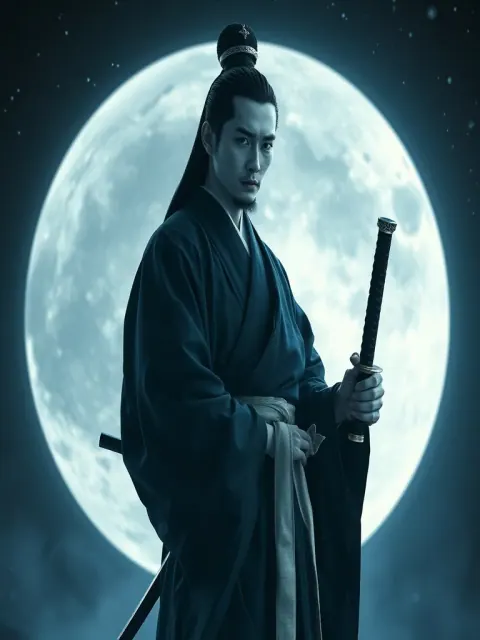
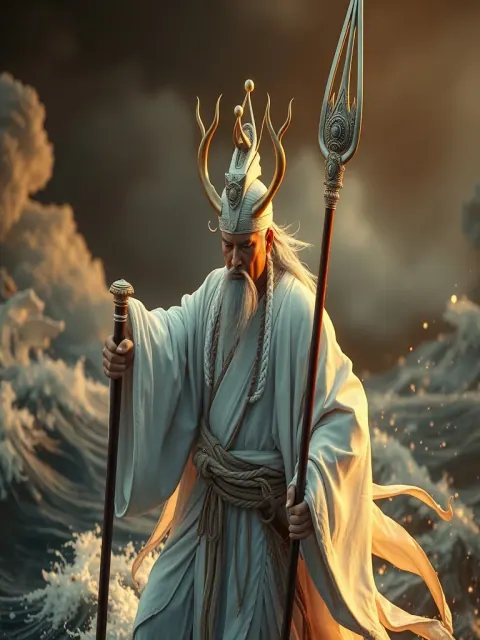
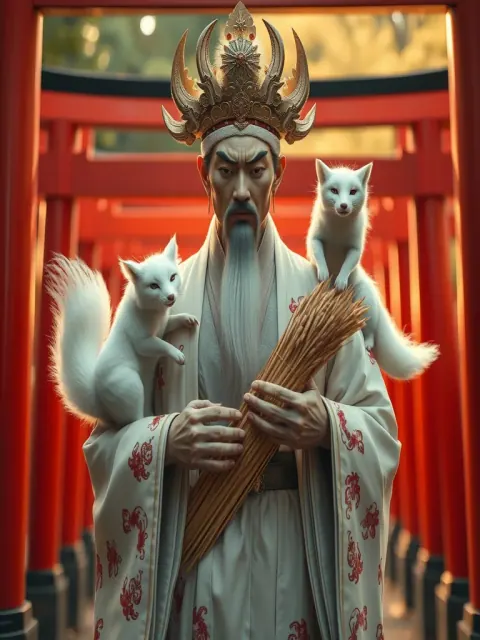
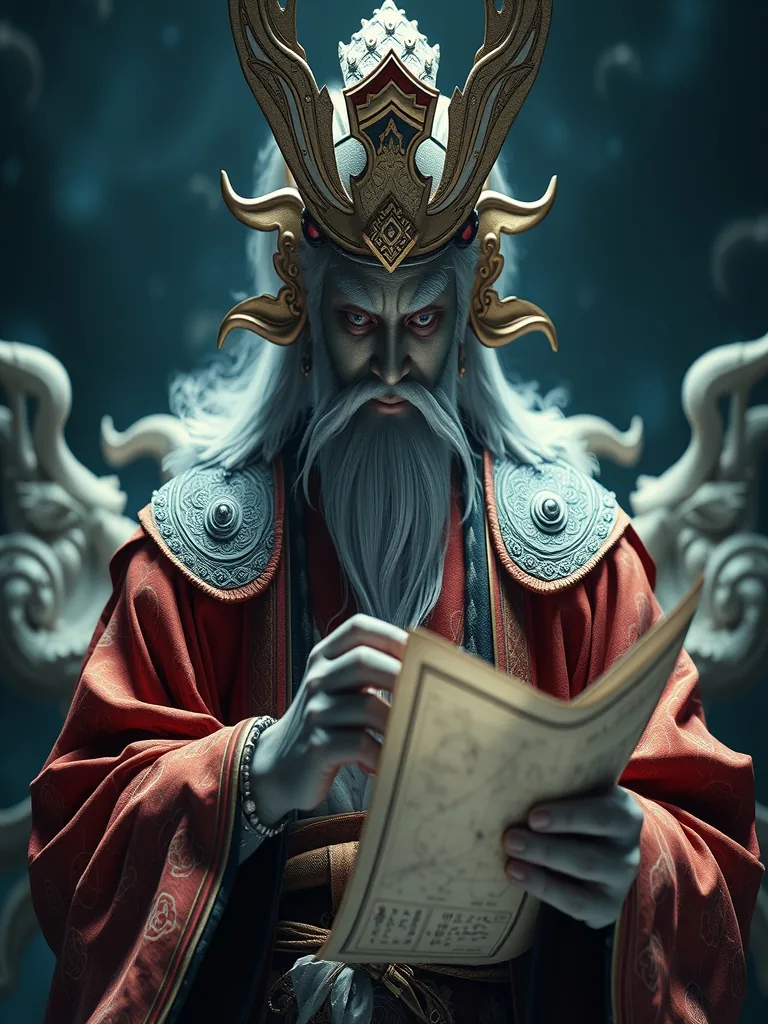
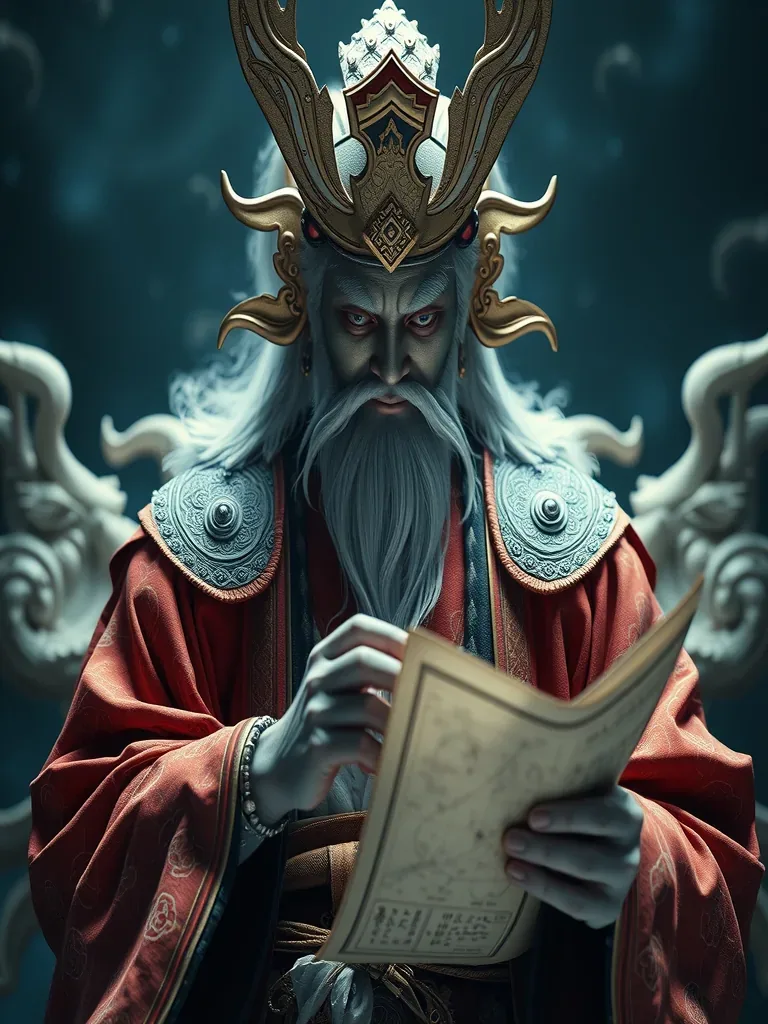
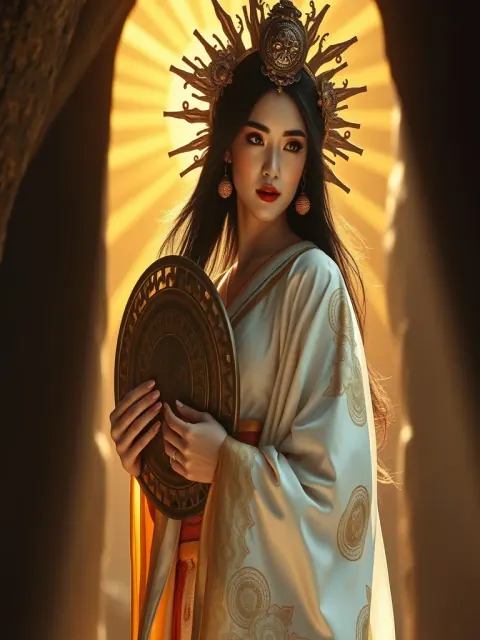
Portrait of Omoikane, Japanese deity
Japanese
Tap or drag
Japanese

Omoikane

The Kami of Wisdom and Counsel

Domain
Wisdom, Strategy & Counsel
Alignment
Lawful Good
Element
Air
Relics of Power
Scroll of a Thousand Thoughts
Speak with Omoikane

The full Codex

5 sections of this entry are open to everyone: the summary, the people, the symbols, the lineage and the sources. The other 9 (Name and epithets, In the ancient sources, The myths, Worship and archaeology, How the god was depicted, What scholars debate, After antiquity, Did you know?, Codex relic) are part of the full Codex: PRO opens the whole study of all 500 deities, and without a subscription you can read one full entry a day, just like in the app.

The People

People
Japanese
Region
Japanese archipelago
Period
c. 500 BC – present

The kami of Shinto have been worshipped in Japan since time immemorial, in thousands of shrines across the archipelago. The imperial family claims direct descent from the sun goddess Amaterasu, and the cult coexists with Buddhism brought from the mainland. Festivals (matsuri) and purification rites keep these beliefs alive to this day.

Matsuri fill the streets with processions of portable shrines (mikoshi), drums, and dances. The great shrine of Ise, dedicated to Amaterasu, is rebuilt every twenty years, and at hatsumode millions visit the shrines at New Year to ask for blessings.
At a glance

Omoikane-no-Kami (formally invoked as Yagokoro-Omoikane) is the supreme Shinto divinity of wisdom, intellect, strategic deliberation, and divine counsel in Japanese mythology. The son of the primordial creator Takamimusubi, he served as the chief intellectual architect for the heavenly pantheon during their greatest cosmological crisis: the withdrawal of the sun goddess Amaterasu into the Heavenly Rock Cave (Ama-no-Iwato). Presiding over the plenary assembly of eight hundred myriads of kami on the gravel banks of the heavenly Ame-no-Yasu River, Omoikane devised the ingenious psychological plan combining sacred metalwork, jewel crafting, roosters' dawn-crowing, and the comic shamanic dance of Ame-no-Uzume to lure the sun out of seclusion. He later descended with Ninigi-no-Mikoto to earth, serving as the master of imperial ritual and chief advisor on the sacred mirror.

5 min read · Reviewed on September 28, 2026 · How we research

Sacred symbols

The scroll, the crowing rooster, the assembly of the gods and the sacred rope

Family

Parents
Takamimusubi (primordial deity of cosmic creation and weaving)
Omoikane
Genealogy according to Kojiki 1.16-17; 1.33; Nihon Shoki 1.25-28; Kogoshui; Engishiki, Livro 8

Sources and further reading

Primary sources

  • Ono Yasumaro (compilador), Kojiki (The Myth of Ama-no-Iwato and the Gathering of the Gods at Ame-no-Yasu). translation: Basil H. Chamberlain, The Kojiki, or Records of Ancient Matters, Asiatic Society of Japan (Sacred Digital Edition). read
  • Prince Toneri (compiler), Nihon Shoki (Mythological Treatise on the Making of the Mirror and Jewels). translation: W. G. Aston, Chronicles of Japan from the Earliest Times to A.D. 697, Japan Society London / Kegan Paul. read
  • Imbe no Hironari, Kogoshui (Record of the Priestly Clans of Craftsmen and Diviners). translation: Genchi Kato and Hikoshiro Hoshino, The Kogoshui or Gleanings from Ancient Stories, Tokyo, 1925. read
  • Fujiwara no Tadahira (compiler), Engishiki (Liturgies of the Heian Court: Invocation of the Kami of Takamagahara). translation: Felicia Bock, Engi-Shiki: Procedures of the Engi Era (Books I-V), Sophia University Asian Studies, 1970. read

Studies

  • Daniel Clarence Holtom, The National Faith of Japan (Deliberations of the Kami and Shinto Mythology). Kegan Paul, Trench, Trubner & Co., Londres, 1938. open
  • Helen Hardacre, Shinto: A History (The Heavenly Pantheons and Shrine Lineages). Oxford University Press, Oxford/New York, 2017. open
  • Michael Ashkenazi, Handbook of Japanese Mythology (Entry on Omoikane and Sacred Wisdom). ABC-CLIO, Santa Barbara, 2003. open
  • Carmen Blacker, The Catalpa Bow (The Archetypal Assemblies of the Kami). Unwin Hyman / Routledge, Londres, 1975. open

Name and epithets

The divine name Omoikane is formed from the classical Japanese roots omoi (thought, reflection, intellect, pondering) and kane (to combine, hold together, or synthesize), translating as 'The One Who Synthesizes Multiple…

In the ancient sources

Kojiki, 712 CE. Documents the divine council on the Ame-no-Yasu riverbed, the forging of the mirror, and Omoikane's appointment to guard the regalia. Nihon Shoki, 720 CE.

The myths

The Council at the Ame-no-Yasu River and the Strategy for the Cave. When the sun goddess Amaterasu retreated into the Heavenly Rock Cave (Ama-no-Iwato) following Susanoo's rampages, complete darkness engulfed the cosmos…

Worship and archaeology

Omoikane-no-Kami is worshipped as the supreme Shinto divinity of intellectual prowess, scholarly success, sound administrative discernment, and technological invention.

How the god was depicted

Classical shrine art and emakimono scrolls portray Omoikane as a dignified, elderly court noble or imperial minister dressed in flowing white silk ceremonial robes (sokutai) with wide sleeves, holding a wooden shaku sce…

What scholars debate

Tribal Consensus Politics versus Imperial Bureaucracy. Scholars of early Japanese state formation, such as Daniel Clarence Holtom and Helen Hardacre, discuss whether Omoikane represents an archaic memory of pre-imperial…

After antiquity

In modern Japan, Omoikane is recognized as a divine patron of science, research, engineering, and technology. Corporate executives, inventors, and academic researchers regularly seek his blessings for breakthroughs in c…

Did you know?

Kishisho Shrine in Suginami, Tokyo, is the only dedicated weather shrine in Japan, venerating Omoikane as the deity who brought back sunlight after the darkness of the celestial cave.

Codex relic

Scroll of a Thousand Thoughts. A sacred scroll gathering within it all the deliberation and ingenuity of the gods in council.

The rest of this scroll is sealed

The legends, the myth, the cult and relics are part of the full Codex. You can open 1 full entry for free every day; to open all 500 deities with no limits and no ads, subscribe to Codex PRO.

See Codex PROGet it on Google Play

From the same pantheon

View pantheon