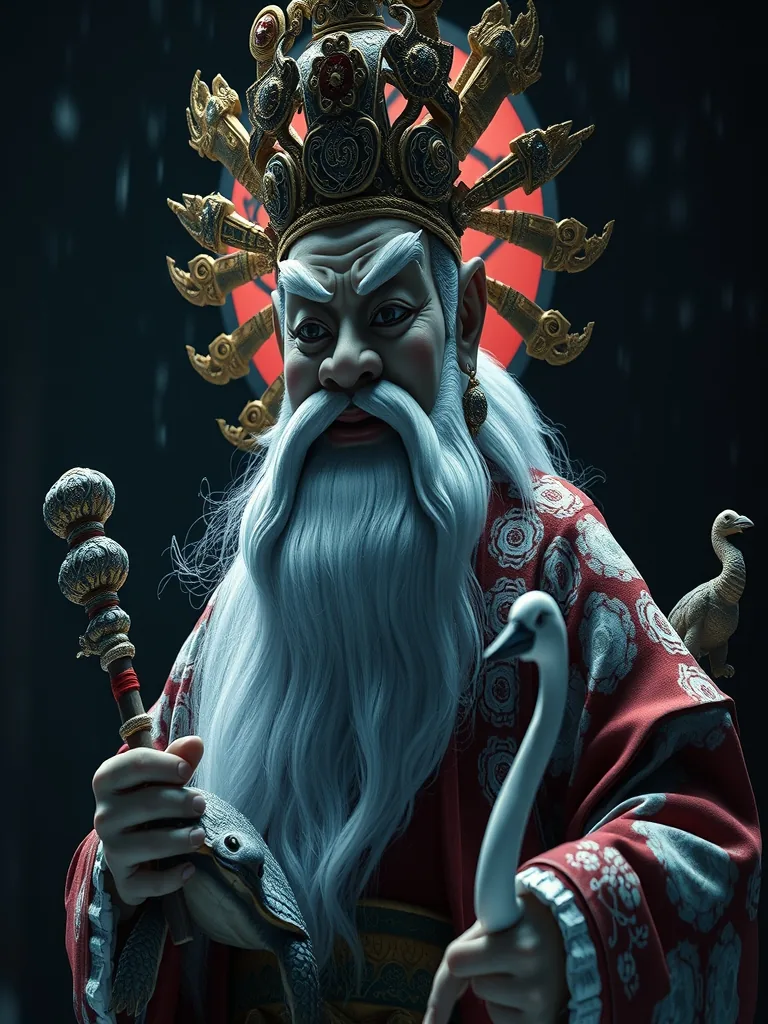
Japanese
29 deities of this pantheon
Origin, Worldview and Mythology of the Japanese
Sacred tradition associated with the Japanese
Origin and Mythological Worldview
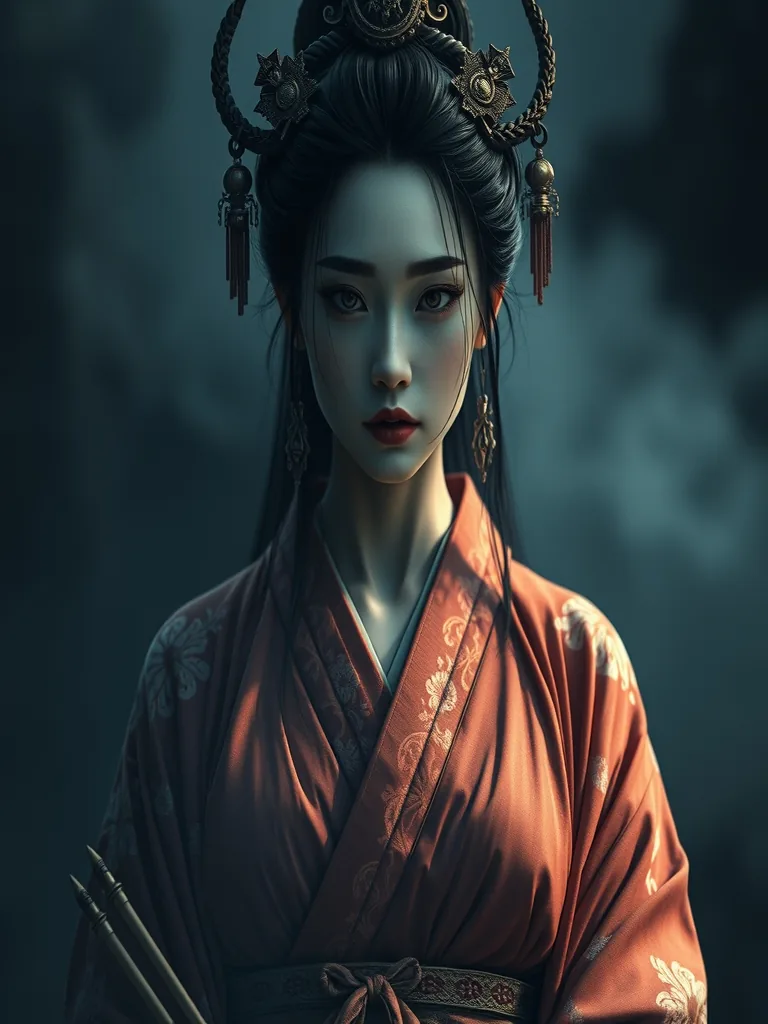
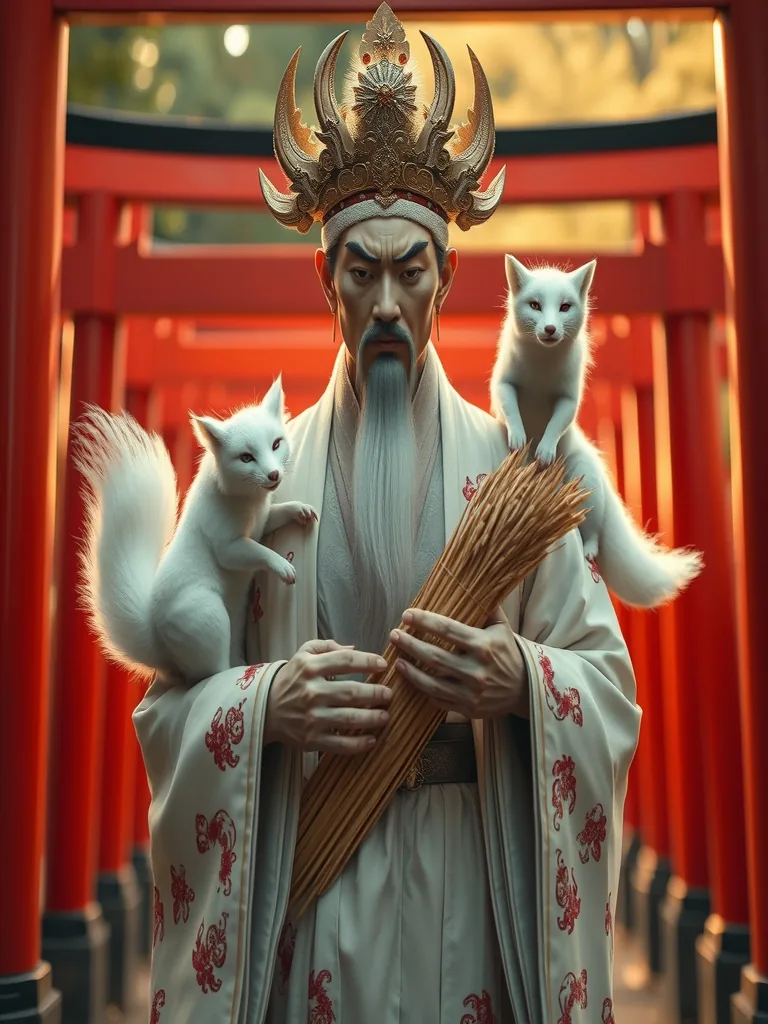
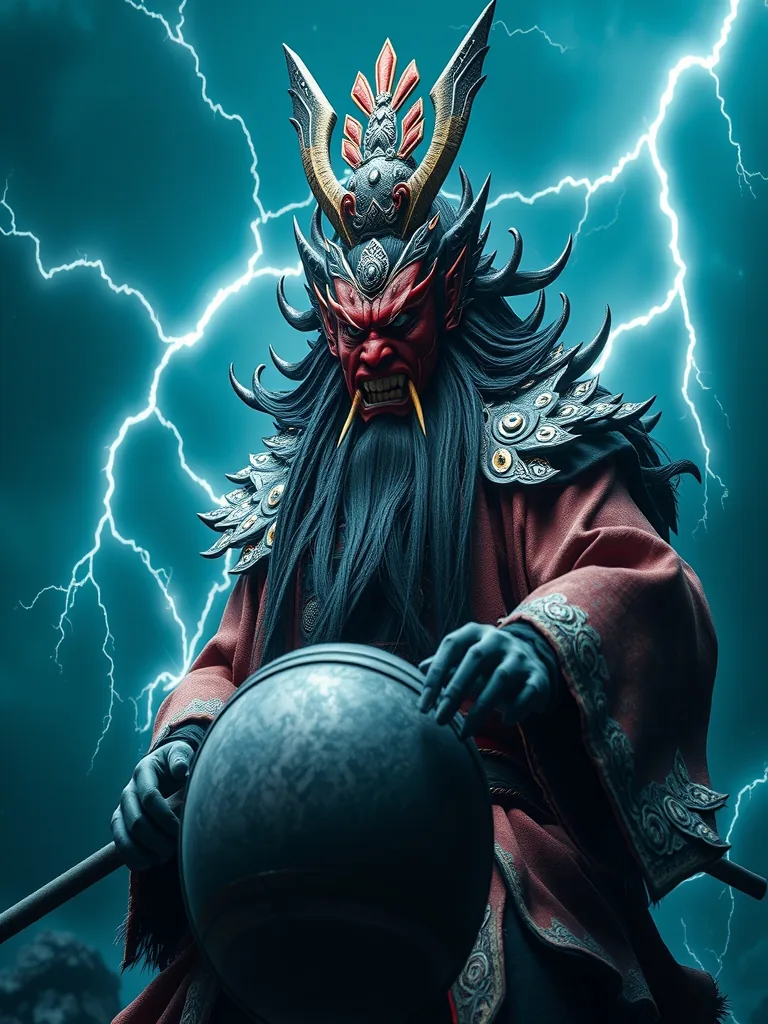
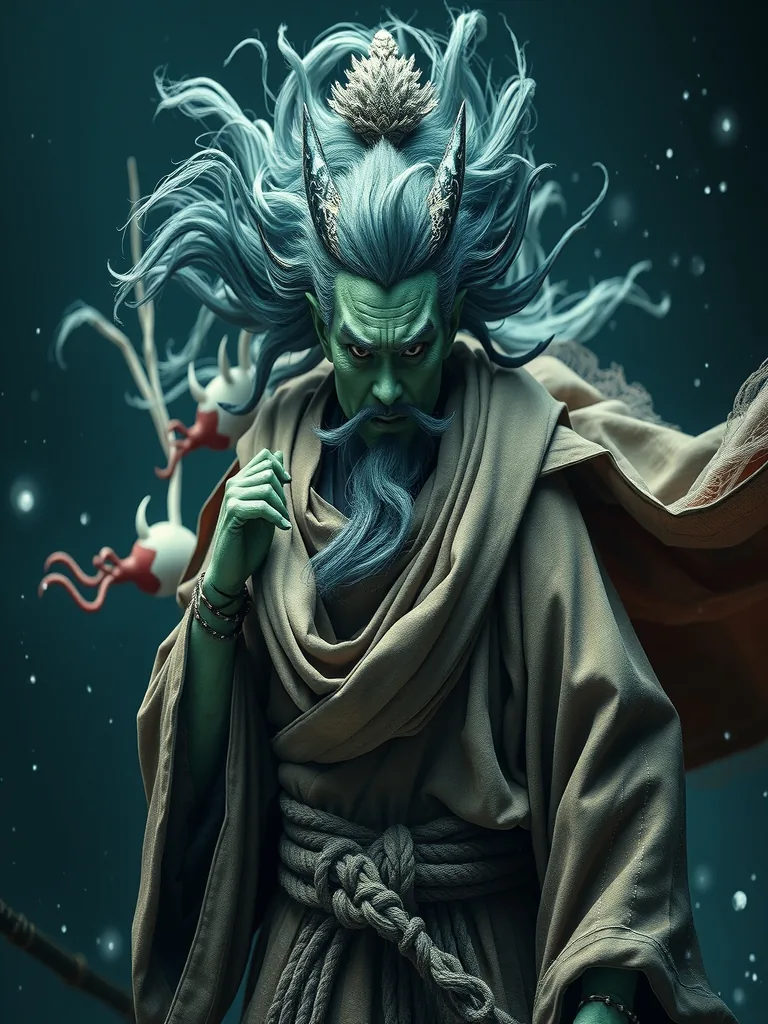
The kami of Shinto have been worshipped in Japan since time immemorial, in thousands of shrines across the archipelago. The imperial family claims direct descent from the sun goddess Amaterasu, and the cult coexists with Buddhism brought from the mainland. Festivals (matsuri) and purification rites keep these beliefs alive to this day.
The sacred stories of this pantheon anchored the moral and civic foundation of ancient settlements, establishing rites of passage, seasonal liturgies, and explanations for terrestrial and celestial cycles.
Principal Deities and Central Figures
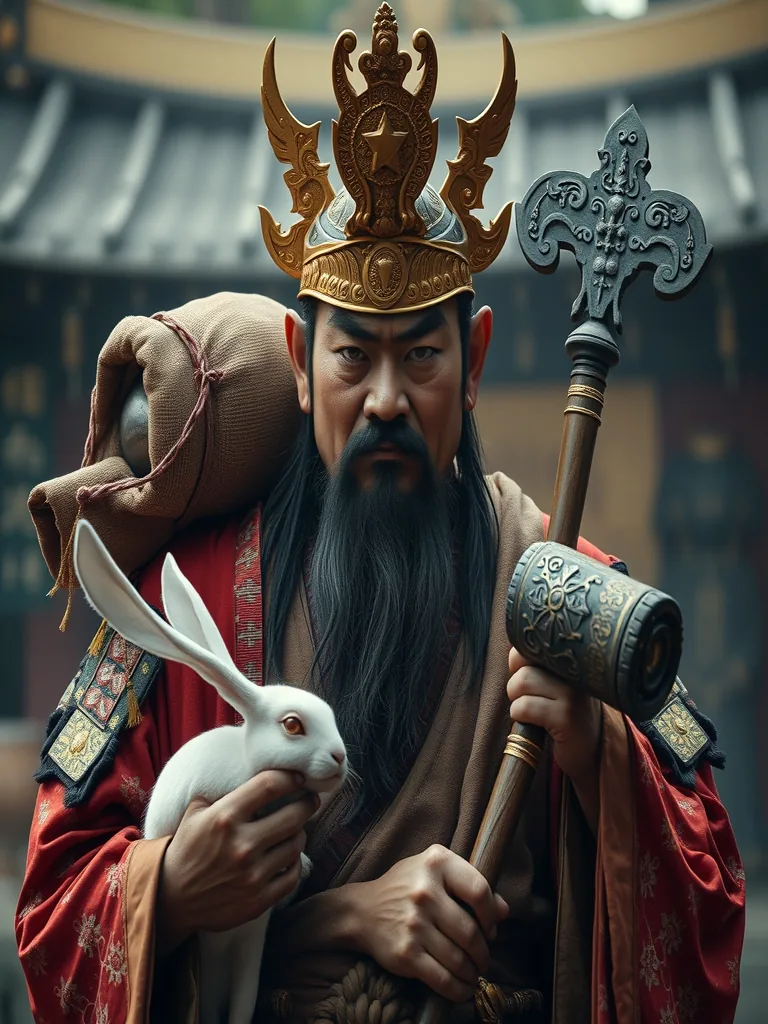
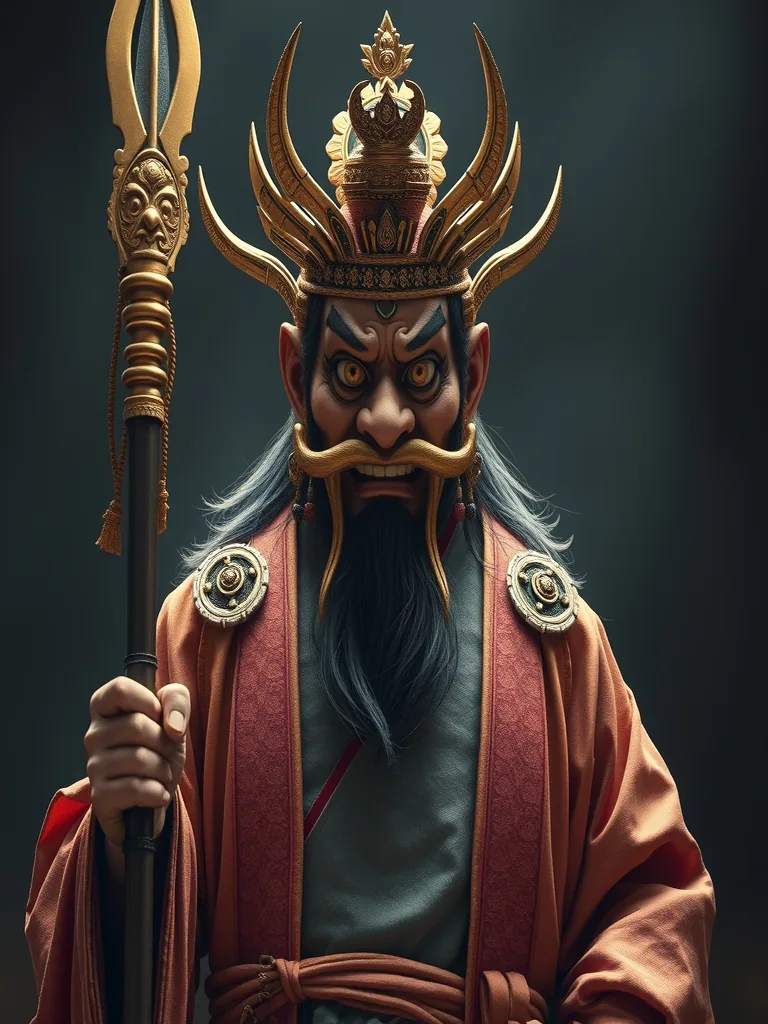
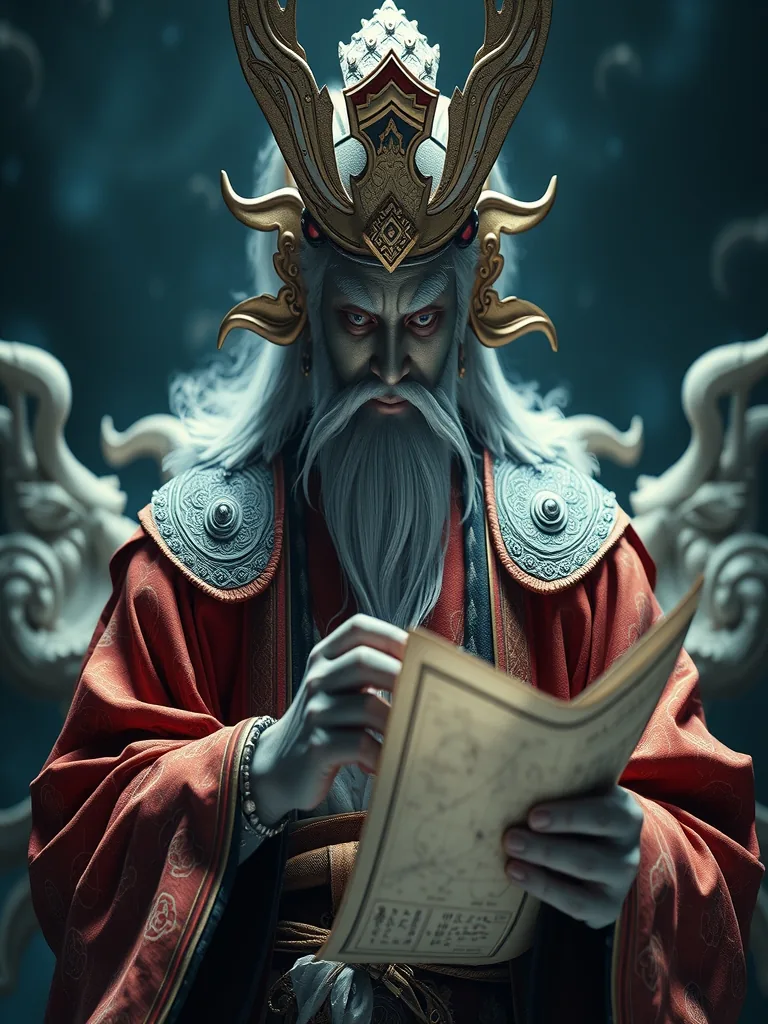
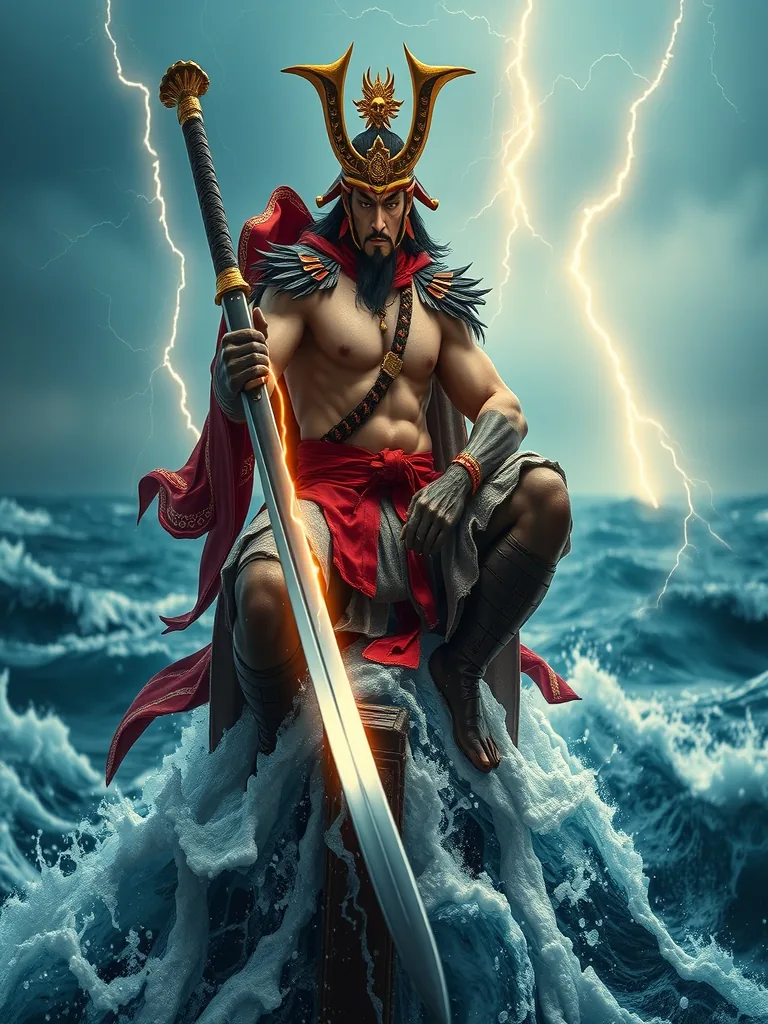
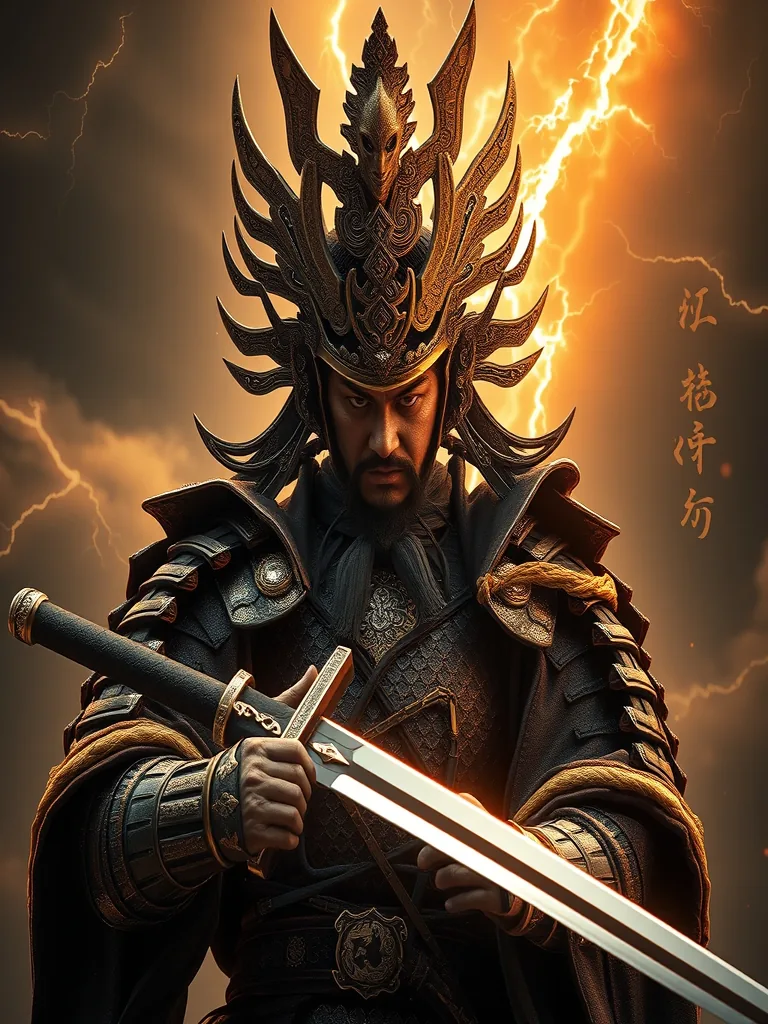
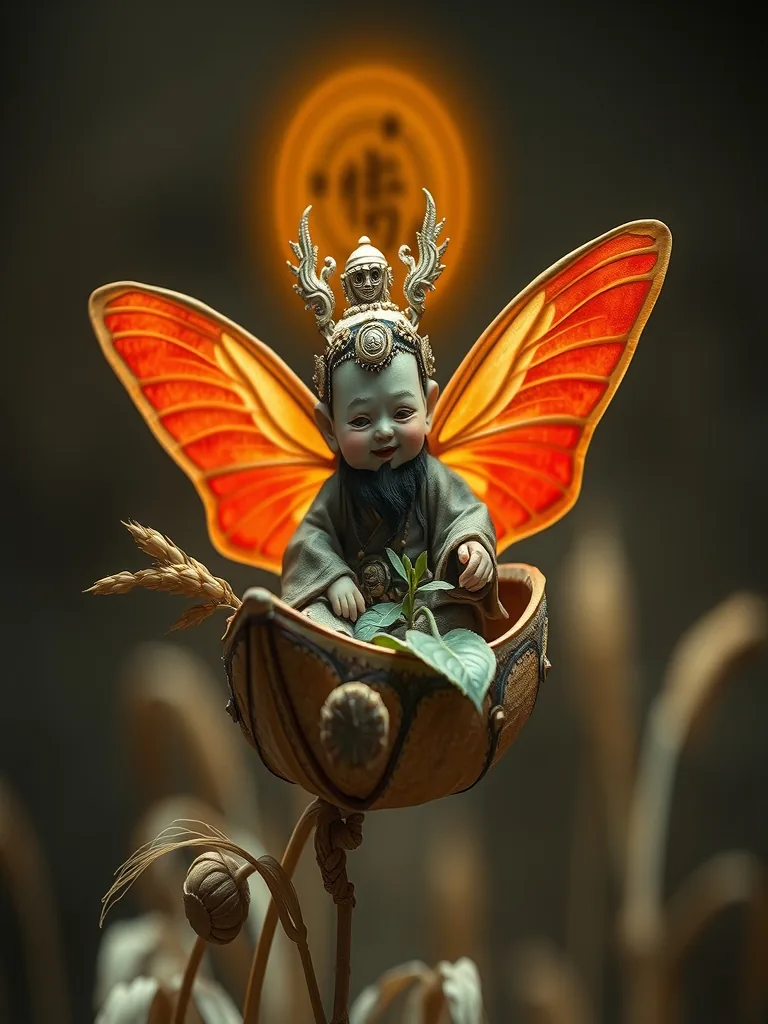
Among the 29 deities cataloged in the Codex for this pantheon, several figures hold preeminent standing across cosmic domains and civic life:
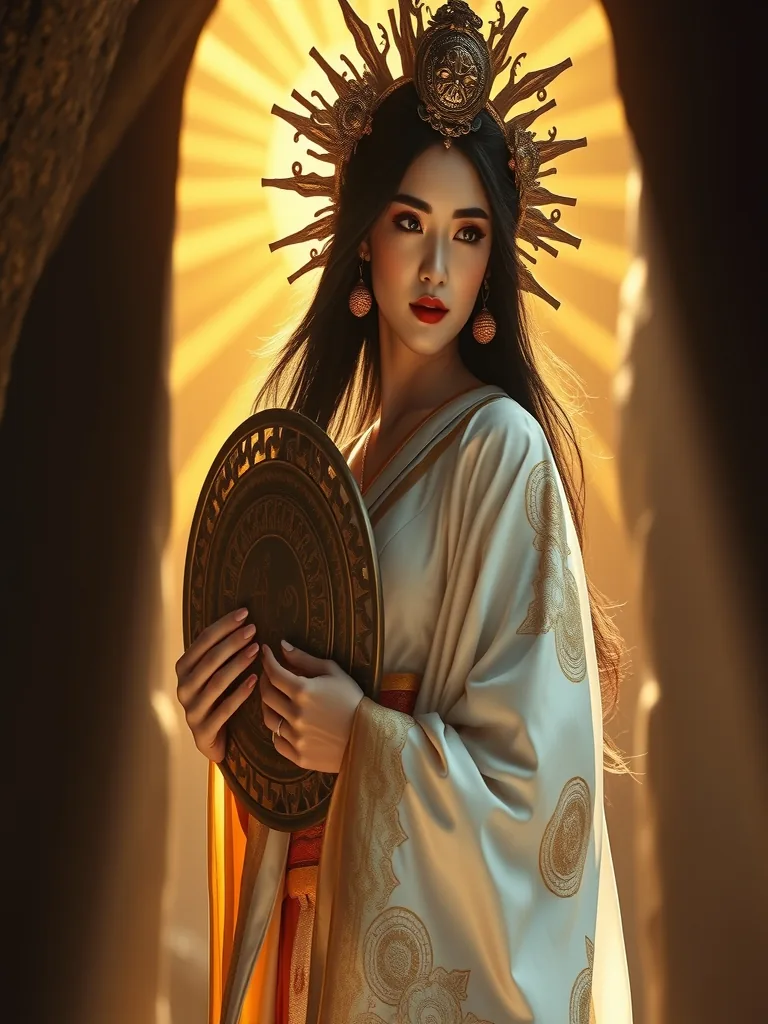
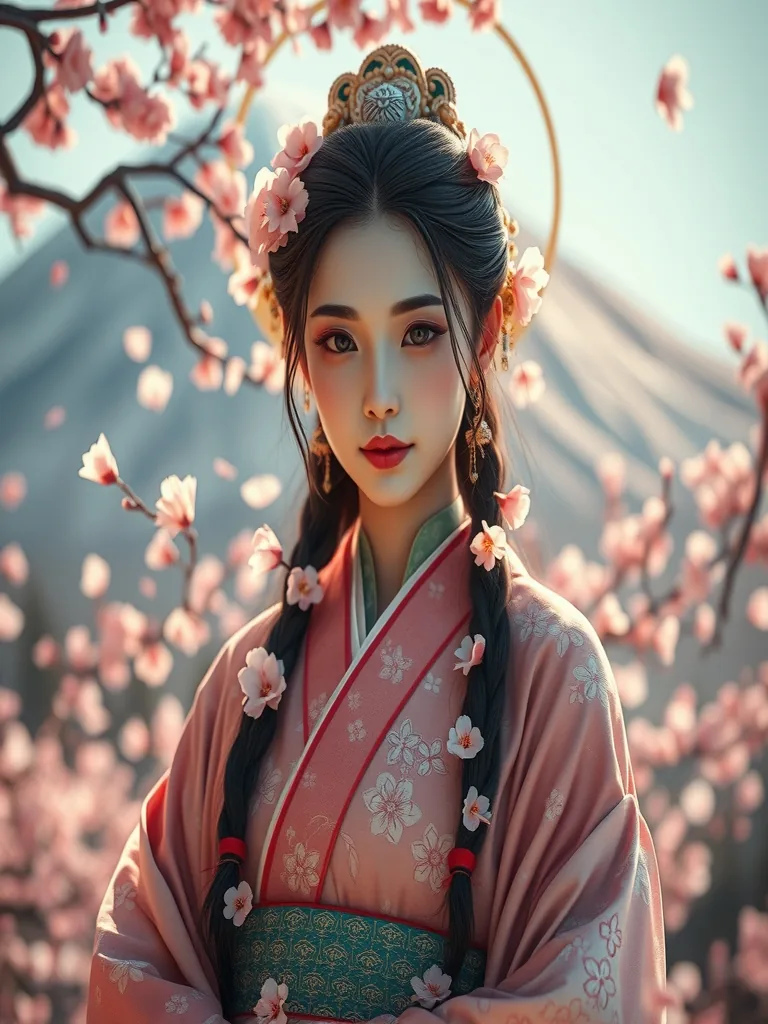
- Amaterasu — Sun & Royalty
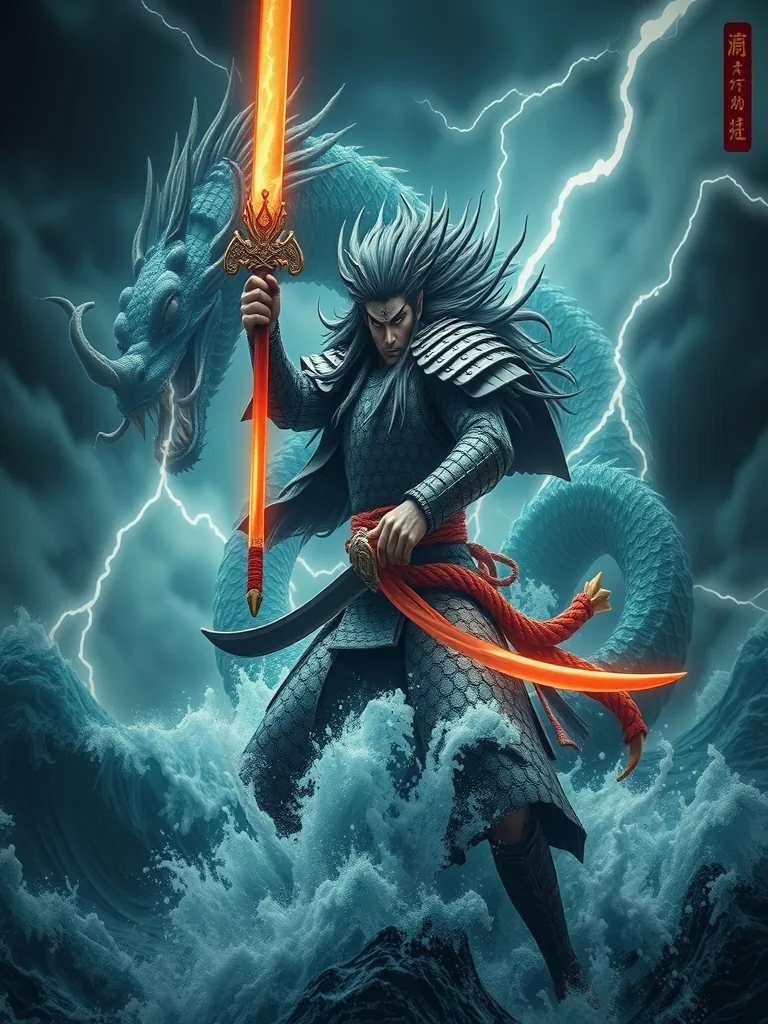
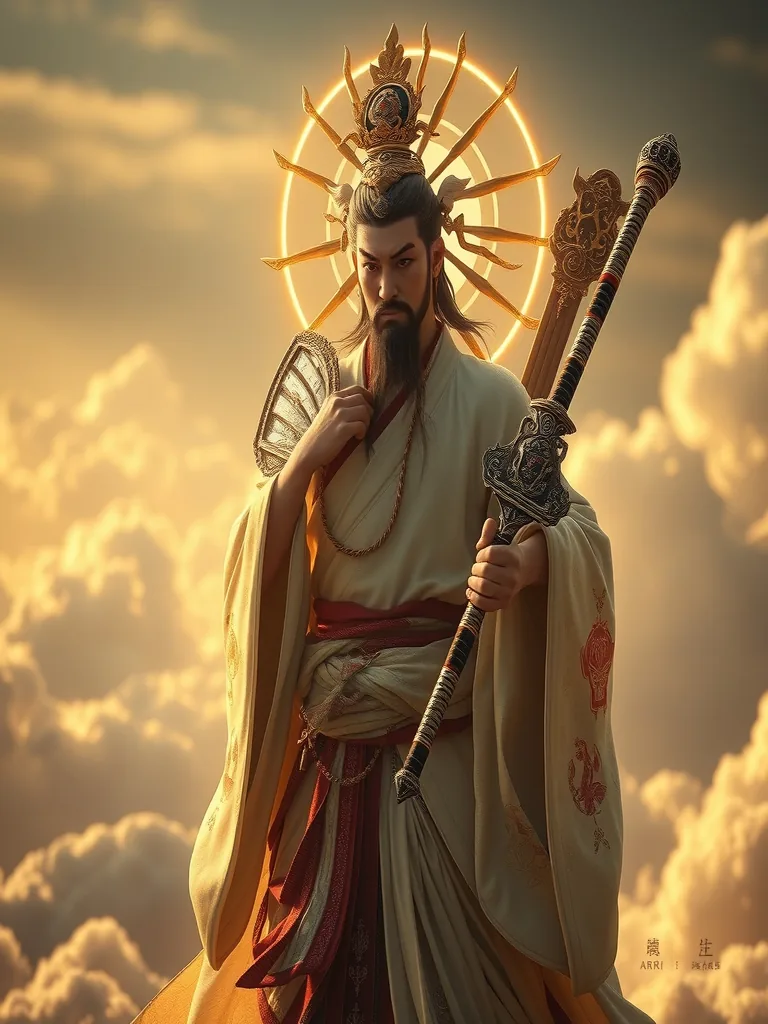
- Susanoo — Storms & Seas
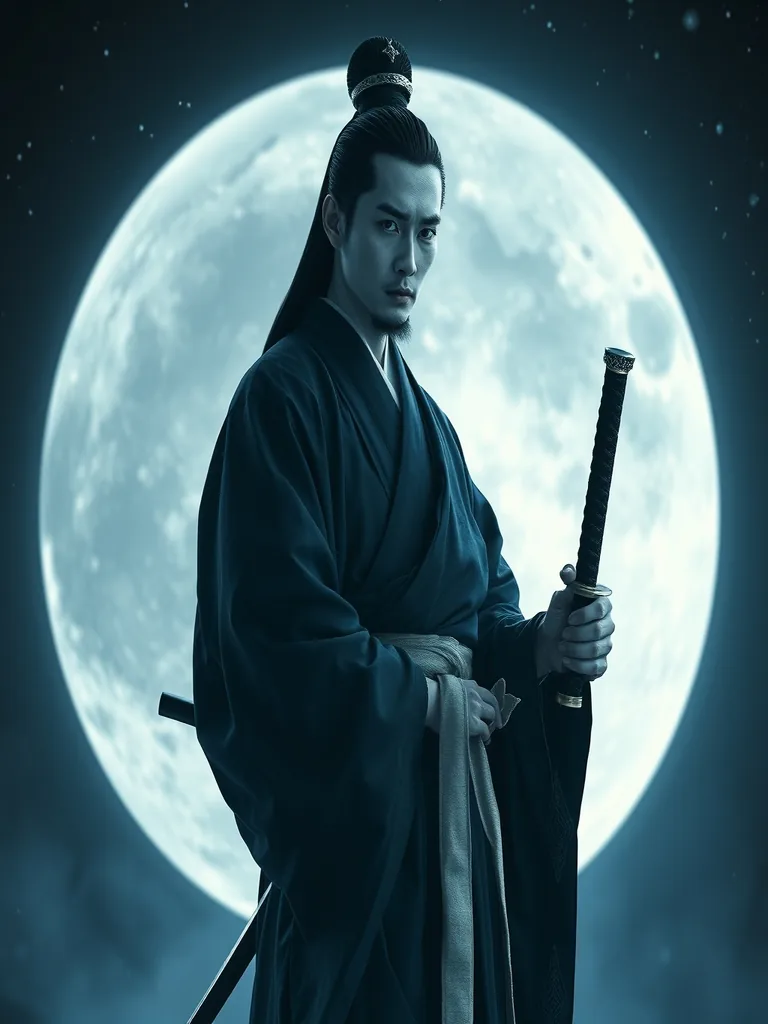
- Tsukuyomi — Night, Moon & Seasons
- Izanagi — Creation & Life
- Izanami — Creation & the Underworld
Temples, Ritual Practices and Cult
Matsuri fill the streets with processions of portable shrines (mikoshi), drums, and dances. The great shrine of Ise, dedicated to Amaterasu, is rebuilt every twenty years, and at hatsumode millions visit the shrines at New Year to ask for blessings.
Priests and traditional lorekeepers guarded the continuity of sacred hymns and divine genealogies, ensuring the benevolence of the gods for agricultural fertility, social harmony, and communal protection.
29 deities