Skip to content
CodexMythologia
Back to the Codex
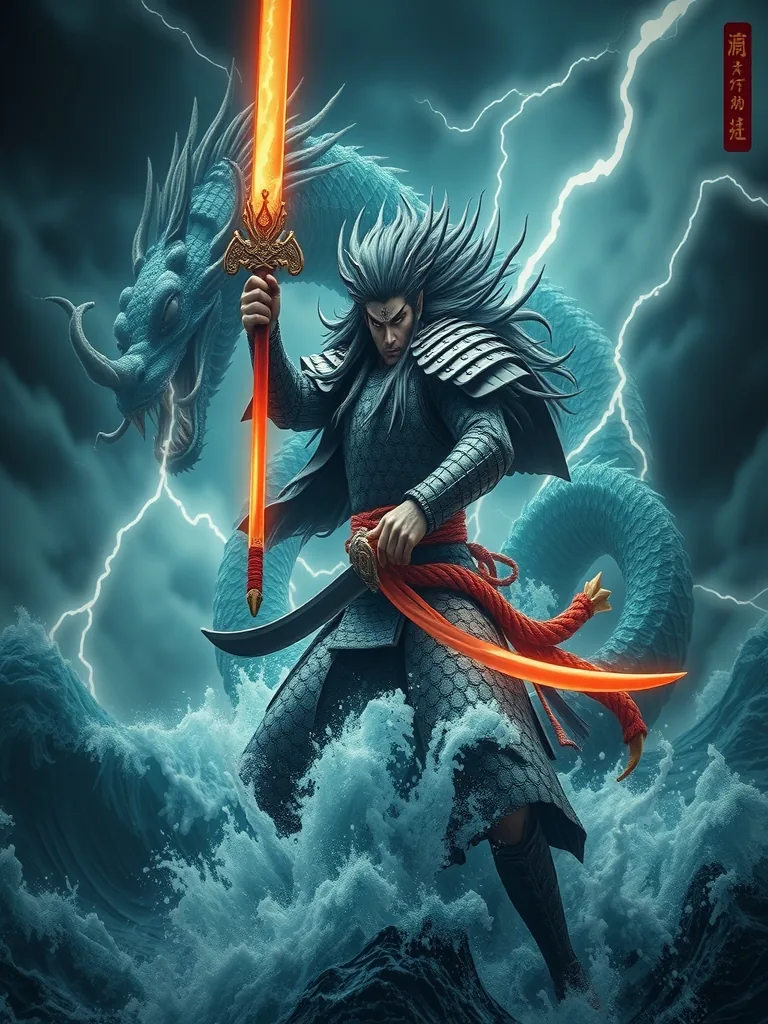
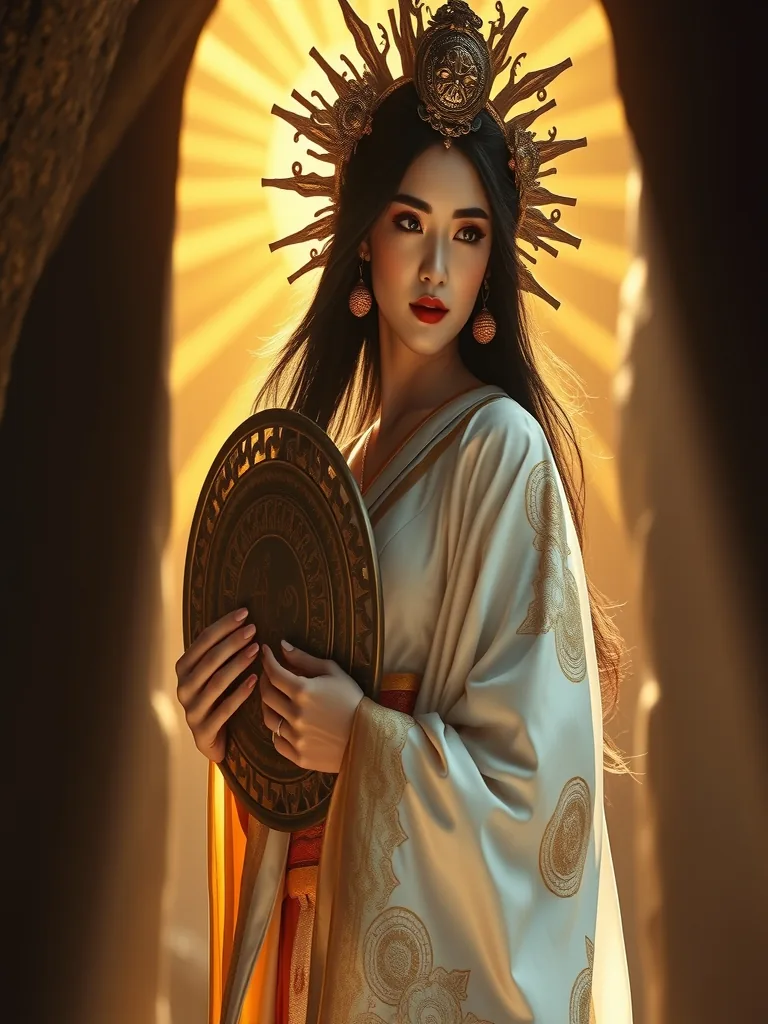
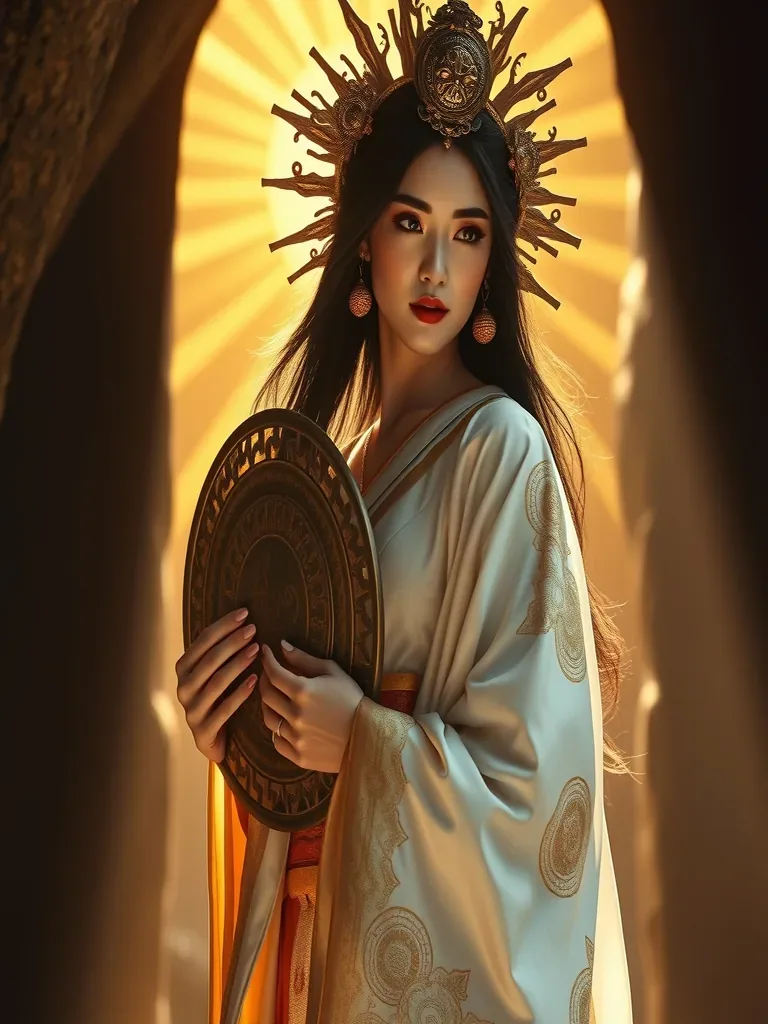
Portrait of Amaterasu, Japanese deity
Japanese
Tap or drag
Japanese

Amaterasu

The Goddess of the Heavenly Sun

Domain
Sun & Royalty
Alignment
Lawful Good
Element
Light
Relics of Power
Yata no Kagami Mirror
Speak with Amaterasu

The full Codex

5 sections of this entry are open to everyone: the summary, the people, the symbols, the lineage and the sources. The other 9 (Name and epithets, In the ancient sources, The myths, Worship and archaeology, How the god was depicted, What scholars debate, After antiquity, Did you know?, Codex relic) are part of the full Codex: PRO opens the whole study of all 500 deities, and without a subscription you can read one full entry a day, just like in the app.

The People

People
Japanese
Region
Japanese archipelago
Period
c. 500 BC – present

The kami of Shinto have been worshipped in Japan since time immemorial, in thousands of shrines across the archipelago. The imperial family claims direct descent from the sun goddess Amaterasu, and the cult coexists with Buddhism brought from the mainland. Festivals (matsuri) and purification rites keep these beliefs alive to this day.

Matsuri fill the streets with processions of portable shrines (mikoshi), drums, and dances. The great shrine of Ise, dedicated to Amaterasu, is rebuilt every twenty years, and at hatsumode millions visit the shrines at New Year to ask for blessings.
At a glance

Amaterasu Ōmikami is a solar deity and ruler of the Plain of High Heaven in the Kojiki and Nihon Shoki. The first text has her emerge from Izanagi's left eye during a purification; the main account of the second says that Izanagi and Izanami generated her together. Her retreat into a cave leaves heaven and earth in darkness. Later she takes part in the transfer of earthly rule to her descendant Ninigi. At Ise, the Naikū shrine venerates her and houses a mirror as her symbol. These scenes belong to traditions transmitted and edited in ancient texts, not to one biography without variants.

10 min read · Reviewed on October 13, 2026 · How we research

Sacred symbols

Sun, the mirror Yata no Kagami, the rooster and the sacred jewel

Family

Parents
IzanagiIzanami (mother in the main Nihon Shoki account)
Amaterasu
Children
Oshihomimi (one of the five sons acknowledged by Amaterasu in the Kojiki)Ame no HohiAmatsuhikoneIkutsuhikoneKumano no Kusubi
Genealogy according to Kojiki, purificação de Izanagi e juramento com Susanoo; Nihon Shoki (Nihongi), livro I, relato principal e variantes

Sources and further reading

Primary sources

  • Anonymous; translation by Basil Hall Chamberlain, The Kojiki. translation: English, 1882. read
  • Anonymous; translation by Donald L. Philippi, Kojiki, excerpt from book I. translation: English, 1969. read
  • Imperial Japanese court commission; translation by William George Aston, Nihongi (Nihon Shoki), Book I. translation: English, 1896. read
  • Imperial Japanese court commission; translation by William George Aston, Nihongi (Nihon Shoki), Book II. translation: English, 1896. read

Studies

  • Mori Mizue, Amaterasu. Kokugakuin University, Encyclopedia of Shinto. open
  • Ise Jingu, About Ise Jingu. Ise Jingu. open
  • Ise Jingu, Rituals and Ceremonies. Ise Jingu. open

Name and epithets

The name Amaterasu, written 天照, identifies the deity who illuminates heaven; Ōmikami is a reverential title. Chamberlain renders her name in the Kojiki as the great deity shining in heaven, while Aston also records the…

In the ancient sources

Kojiki, compiled in 712 CE. A continuous account linking Amaterasu's birth to the mythical origin of the imperial line. Nihon Shoki (Nihongi), compiled in 720 CE.

The myths

From Izanagi's bath to rule over heaven. After leaving the land of the dead, Izanagi washes his body to purify himself.

Worship and archaeology

The Kojiki connects Amaterasu to the shrine at Ise and says that Yamato Takeru visits it before his eastern expedition.

How the god was depicted

Mirror, curved jewels, sakaki tree, rope, and cave are objects or places named in the Kojiki scene of the return of light.

What scholars debate

Birth and narrative variants. The Kojiki has Amaterasu born from Izanagi's eye. The main Nihon Shoki account presents her as the daughter of Izanagi and Izanami; an alternative version in the same book returns to birth…

After antiquity

Amaterasu's connection to the imperial house remains in the official account of the Ise shrine, which calls her an ancestral kami of the imperial family.

Did you know?

In the Kojiki, restoring light requires an assembly of deities and a sequence of tasks; the mirror is only one part of the plan.

Codex relic

Yata no Kagami Mirror. A sacred bronze mirror that reflects the pure truth of the soul.

The rest of this scroll is sealed

The legends, the myth, the cult and relics are part of the full Codex. You can open 1 full entry for free every day; to open all 500 deities with no limits and no ads, subscribe to Codex PRO.

See Codex PROGet it on Google Play

Divine Equivalents

From the same pantheon

View pantheon