CMCodex
Back to the Codex
Fujin
Japanese

Fujin

The God of Wind

Domain
Wind & Typhoons
Alignment
Chaotic Neutral
Element
Air
Relics of Power
Bag of Winds
Speak with Fujin

The People

People
Japanese
Region
Japanese archipelago
Period
c. 500 BC – present

The kami of Shinto have been worshipped in Japan since time immemorial, in thousands of shrines across the archipelago. The imperial family claims direct descent from the sun goddess Amaterasu, and the cult coexists with Buddhism brought from the mainland. Festivals (matsuri) and purification rites keep these beliefs alive to this day.

Matsuri fill the streets with processions of portable shrines (mikoshi), drums, and dances. The great shrine of Ise, dedicated to Amaterasu, is rebuilt every twenty years, and at hatsumode millions visit the shrines at New Year to ask for blessings.
The Sacred Scrolls

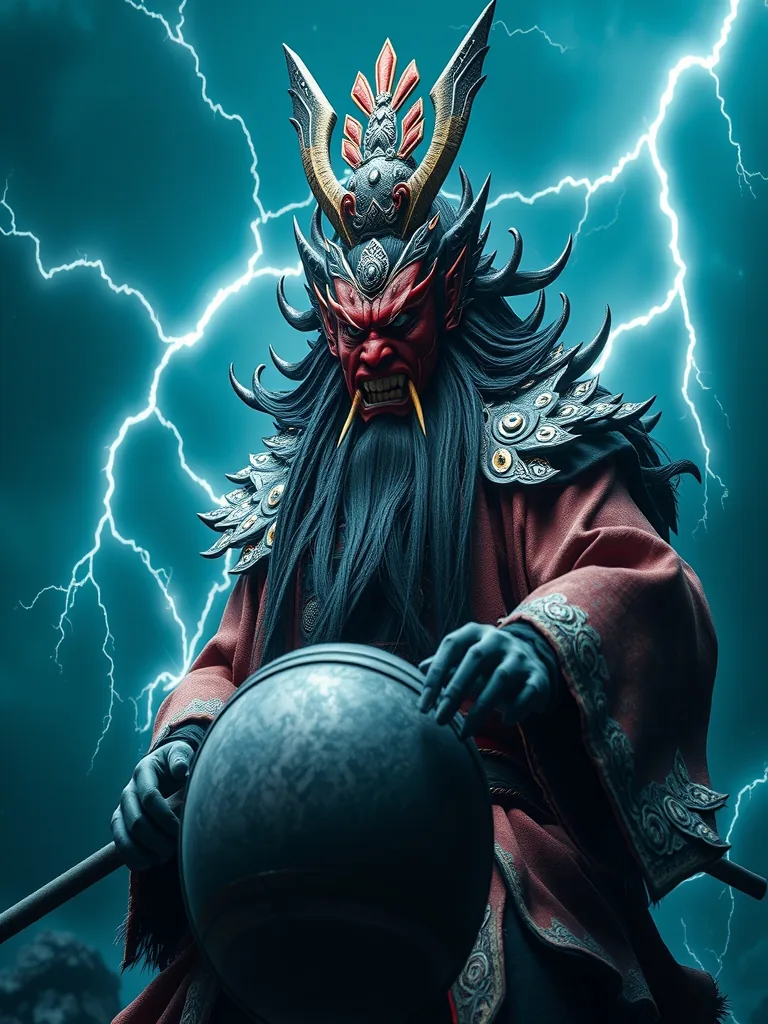
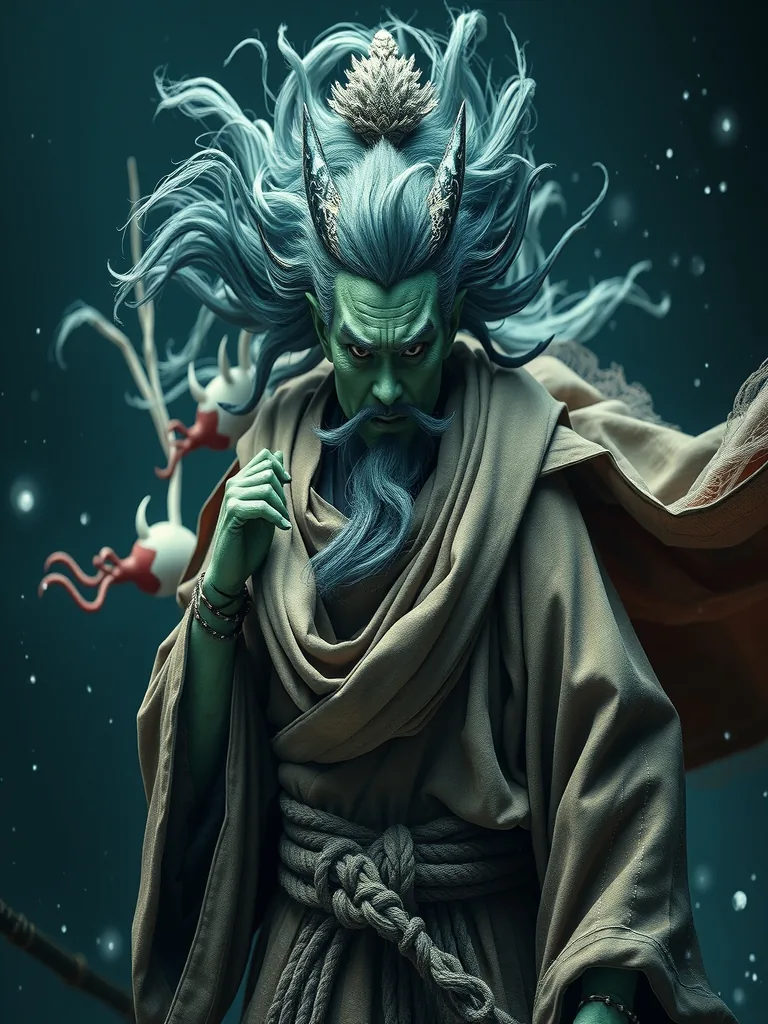
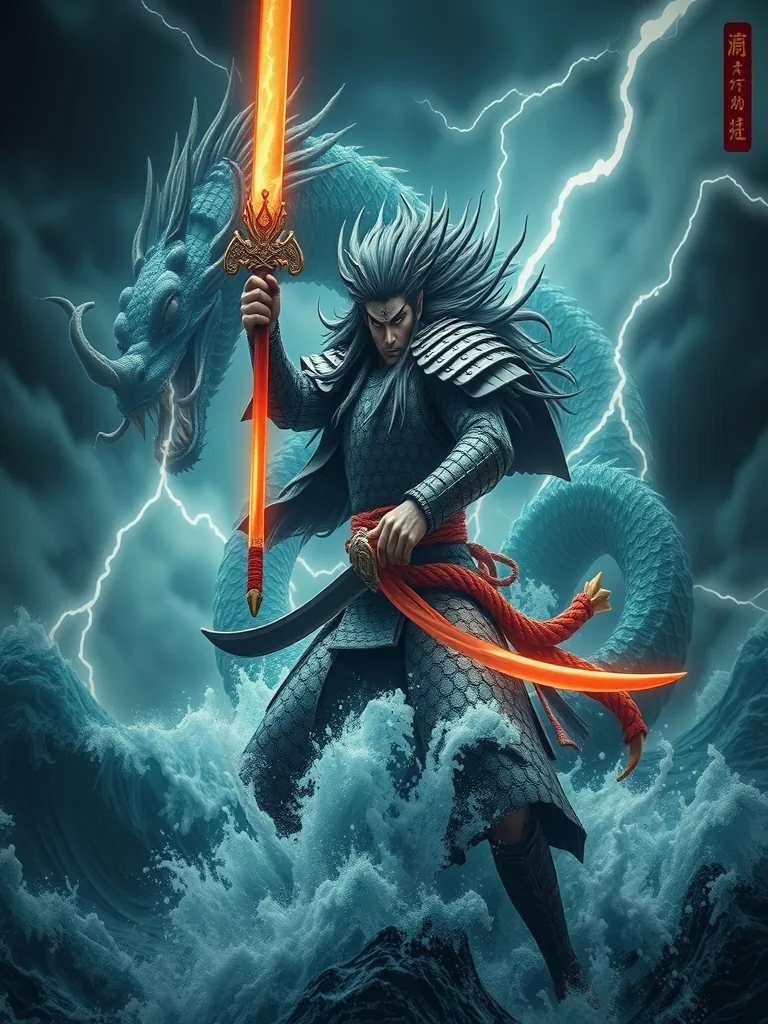
God of wind, Fujin is one of the oldest kami, depicted as a green demonic figure carrying an enormous bag of winds over his shoulders. By opening it, he releases everything from gentle breezes to devastating typhoons. He almost always appears paired with Raijin, forming the duo of the storms. As The God of Wind, this deity occupies a position of supreme prestige in the japoneses pantheon. Their domains over Wind & Typhoons reflect ancestral cosmic order maintained across millennia. In classical iconography, they are depicted with an aura of unshakeable majesty and sacred attributes that inspired reverence in emperors and peasants alike. Their influence extended beyond earthly boundaries, governing fates and harmony between the visible and invisible worlds. For ancient devotees, contemplating their essence was to understand the very fundamental forces of nature and human existence.

Sacred Symbols

The bag of winds, the green skin, the clouds and the typhoon

Divine Lineage

An ancient storm kami; inseparable companion of Raijin.

The Legendary Myth

It is believed that it was Fujin's wind that helped form the world, dispersing the primordial mist between sky and earth. Like Raijin, he was associated with the kamikaze winds that sank the invading Mongol fleets.

Legends & Deeds

A celebrated secondary legend preserved in the oral traditions of the japoneses recounts the journey when Fujin intervened directly in the lives of mortals.

Cult & Worship

Historically, the cult of Fujin occupied a central place in the religious and architectural calendar of antiquity.

Relics of Power

A great bag over his shoulders from which he releases all the winds of the world, from breeze to typhoon.

Did You Know?

The iconography of Fujin with his wind bag traces back, via the Silk Road, to Greco-Buddhist wind deities of Central Asia.

The rest of this scroll is sealed

The myth, the legends, the cult, the relic and the curiosity are part of the full Codex. Without a subscription you open 3 scrolls a day.

See Codex PRO

From the same pantheon

View pantheon