Skip to content
CodexMythologia
Back to the Codex
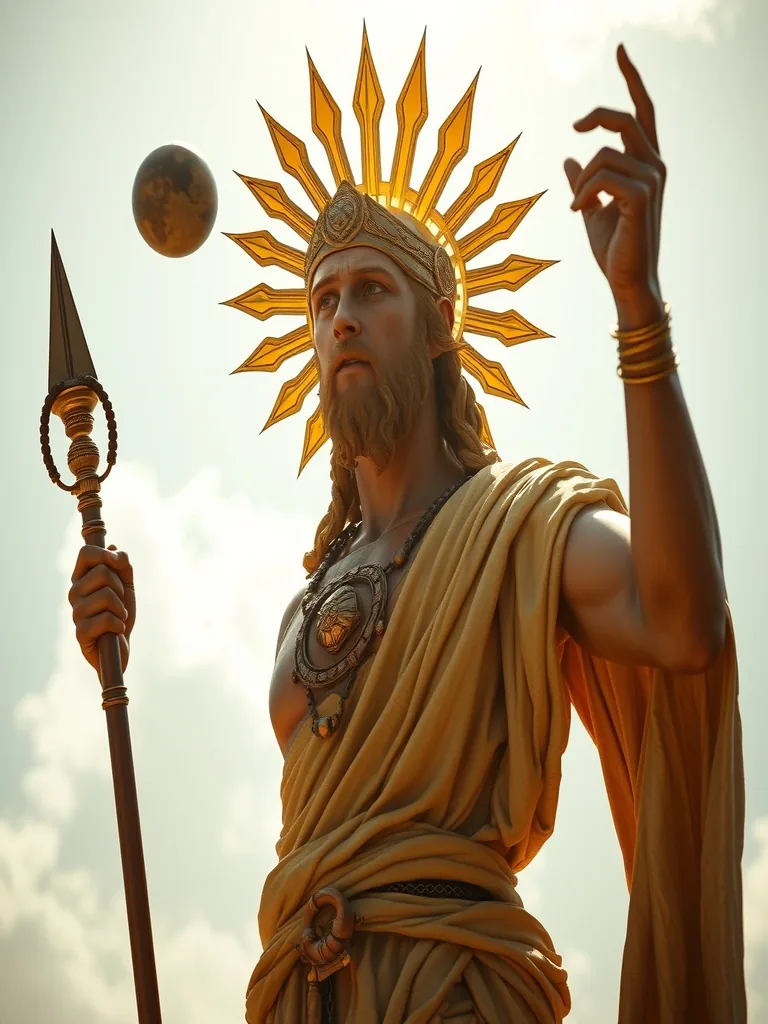
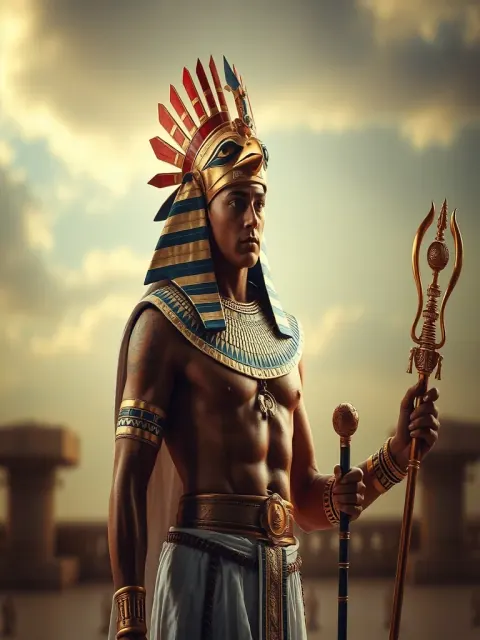
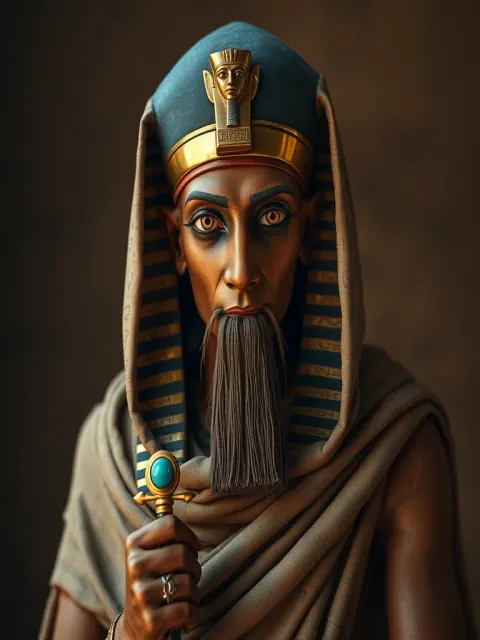
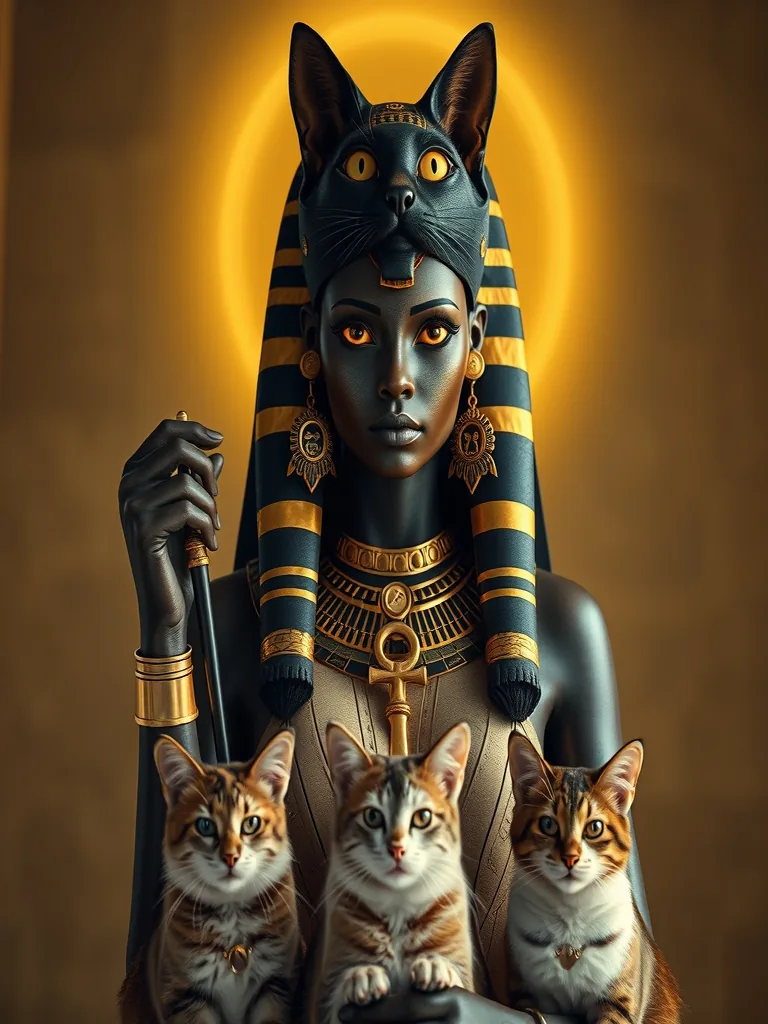
Portrait of Ra, Egyptian deity
Egyptian
Tap or drag
Egyptian

Ra

The Solar Creator

Domain
Sun & Creation
Alignment
Lawful Good
Element
Light
Relics of Power
Sacred Eye of Ra
Speak with Ra

The full Codex

5 sections of this entry are open to everyone: the summary, the people, the symbols, the lineage and the sources. The other 9 (Name and epithets, In the ancient sources, The myths, Worship and archaeology, How the god was depicted, What scholars debate, After antiquity, Did you know?, Codex relic) are part of the full Codex: PRO opens the whole study of all 500 deities, and without a subscription you can read one full entry a day, just like in the app.

The People

People
Ancient Egyptians
Region
Nile Valley, Egypt
Period
c. 3100 BC – 400 AD

The Egyptian gods were worshipped for over three millennia along the banks of the Nile, with monumental temples at Karnak, Luxor, and Heliopolis. The pharaohs were held to be divine, and life revolved around cosmic order (Maat) and preparation for the afterlife. The cult endured until the rise of Christianity in Roman Egypt.

At the Opet festival, Amun's sacred barque sailed from Karnak to Luxor amid celebrating crowds. In the temples, priests woke, dressed, and fed the god's statue every day, and the Beautiful Festival of the Valley carried the deities to visit the shore of the dead.
At a glance

Ra is the Egyptian sun god, tied to Heliopolis (Iunu) and presented in the sources as a creator who rises from the waters of Nun, crosses the sky and the Duat in boats, and is defended against the serpent Apophis. This study rests on texts translated by Budge (the Bremner-Rhind Papyrus, the Turin Papyrus, the Destruction of Mankind, the Papyrus of Ani, the Amduat) and on the Pyramid Texts in Mercer's translation.

15 min read · Reviewed on October 14, 2026 · How we research

Sacred symbols

Solar disk, falcon, scarab, obelisk and the uraeus serpent

Family

Parents
Nun (The Primordial Abyssal Waters)
Ra
Unions
Rat-TawyHathor
Children
Shu (The Luminous Air)Tefnut (Moisture)HathorBastetSekhmetMa'at (Cosmic Truth)
Genealogy according to Budge, Legends of the Gods (1912), Caps. I a III; Textos das Pirâmides, enunciado 486 (Mercer 1952); Livro dos Mortos, capítulo 17 (Budge 1895)

Sources and further reading

Primary sources

  • Budge, E. A. Wallis, The Book of the Dead (Monograph / Summary). read
  • Budge, E. A. Wallis, Legends of the Gods: The Egyptian Texts (Ch. I Creation, Ch. II Destruction of Mankind, Ch. III Ra and Isis). read
  • Budge, E. A. Wallis, The Book of the Dead: The Papyrus of Ani. read
  • Budge, E. A. Wallis, The Egyptian Heaven and Hell, vol. I (The Book Am-Tuat). read
  • Mercer, Samuel A. B., The Pyramid Texts in Translation and Commentary. read

Studies

  • Wikipedia contributors, Ra. 2026. open
  • Wikipedia contributors, Egyptian sun temple. 2026. open
  • Wikipedia contributors, Heliopolis (ancient Egypt). 2026. open
  • Wikipedia contributors, Djedefre. 2026. open

Name and epithets

The name Rꜥ is written with the signs for the mouth (r) and the forearm (ꜥ), followed by the sun disk as a determinative, and it is the Egyptian word for the sun itself.

In the ancient sources

Pyramid Texts, Old Kingdom, from the pyramid of Unas (Fifth Dynasty). Royal funerary inscriptions in which the dead king addresses Ra-Atum, sits among the rowers of Ra or crosses the sky toward the horizon.

The myths

Creation according to the Bremner-Rhind Papyrus. The creation legend of the Bremner-Rhind Papyrus is inserted in the Book of overthrowing Apophis and is spoken by the god Neb-er-tcher, who declares that he came into bei…

Worship and archaeology

Djedefre, a king of the Fourth Dynasty, is named as the one who introduced the title Son of Ra (Sa-Re) and as the first to connect his cartouche name with the sun god.

How the god was depicted

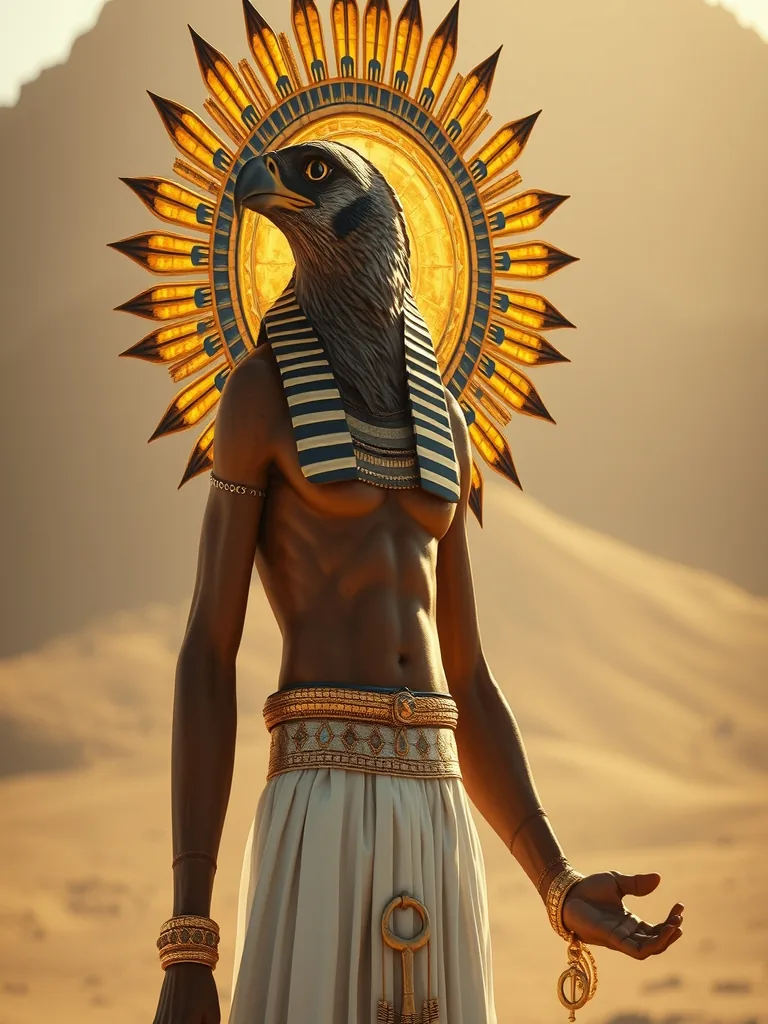
Ra is portrayed as a man with the head of a falcon, probably a peregrine or lanner, with a sun disk encircled by a cobra.

What scholars debate

One Creator God or many solar gods. Budge, in 1912, saw in the Egyptian legends a remote Creator God, Neb-er-tcher, who had entrusted the world to subordinate spirits called gods, and he recalled that the Copts used tha…

After antiquity

The Greeks identified Ra with Helios, and the Greek name of Heliopolis, City of the Sun, renders Iunu. Obelisks from Heliopolis were carried off by the Romans after the conquest of Egypt.

Did you know?

In the Bremner-Rhind Papyrus, the creation legend is inserted among spells against Apep, and a longer version appears later. Budge cannot determine whether the scribe used two copies or expanded the first.

Codex relic

Sacred Eye of Ra. A solar amulet capable of unleashing the burning heat of the desert sun.

The rest of this scroll is sealed

The legends, the myth, the cult and relics are part of the full Codex. You can open 1 full entry for free every day; to open all 500 deities with no limits and no ads, subscribe to Codex PRO.

See Codex PROGet it on Google Play

Divine Equivalents

From the same pantheon

View pantheon