Skip to content
CodexMythologia
Back to the Codex
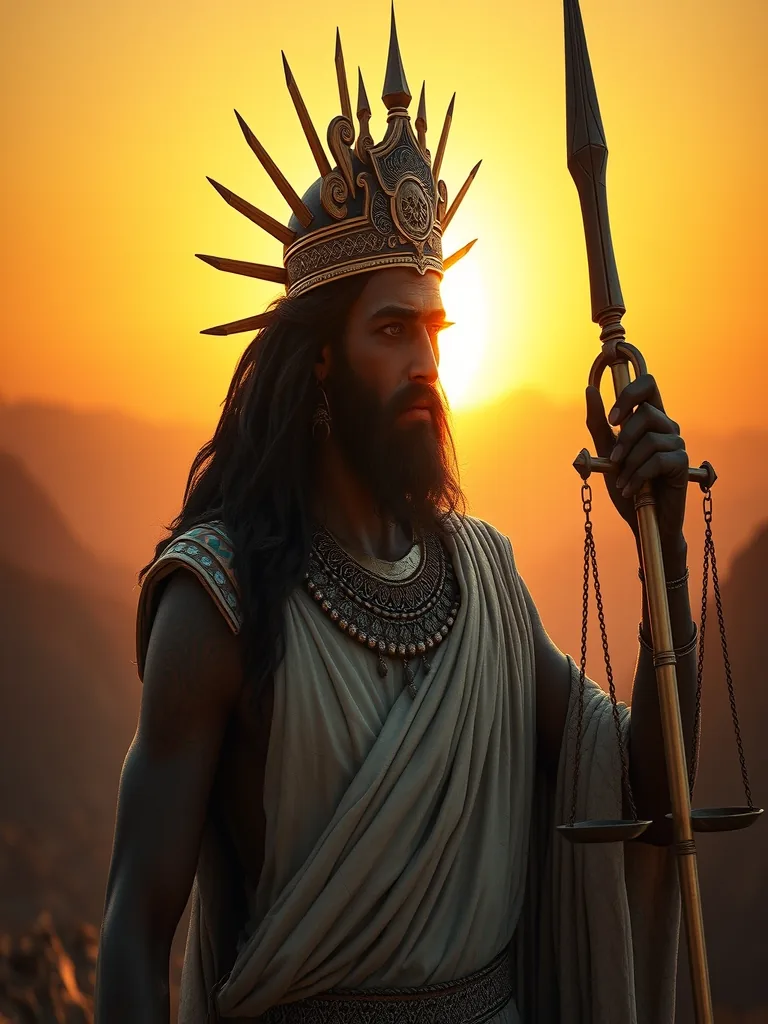
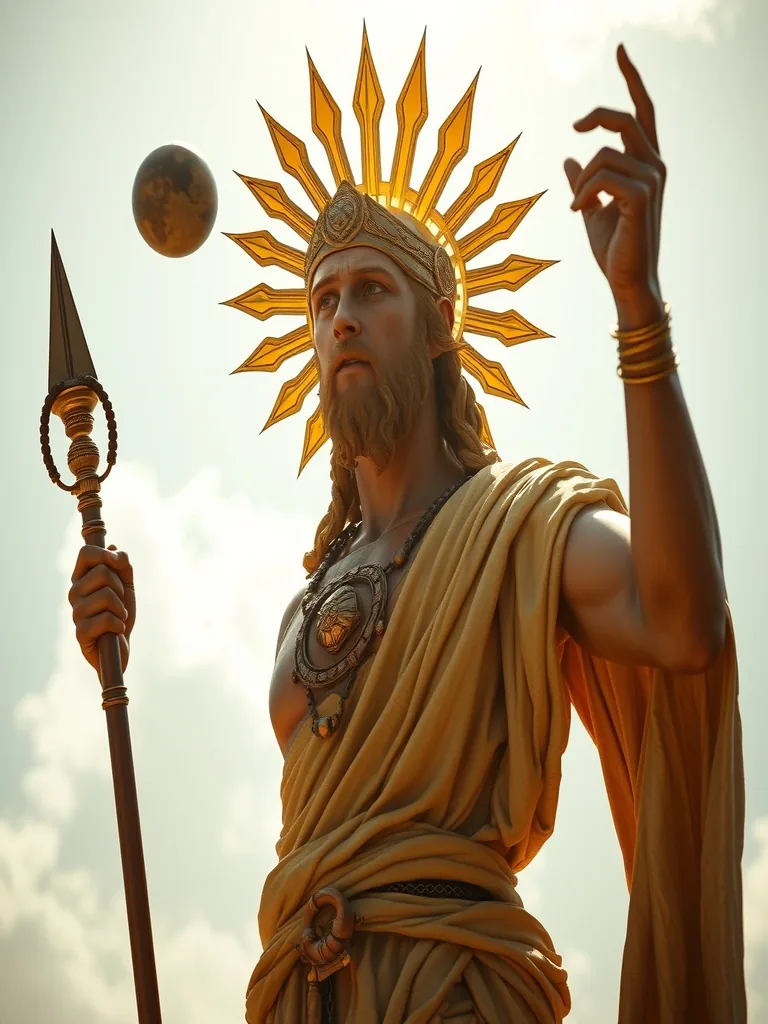
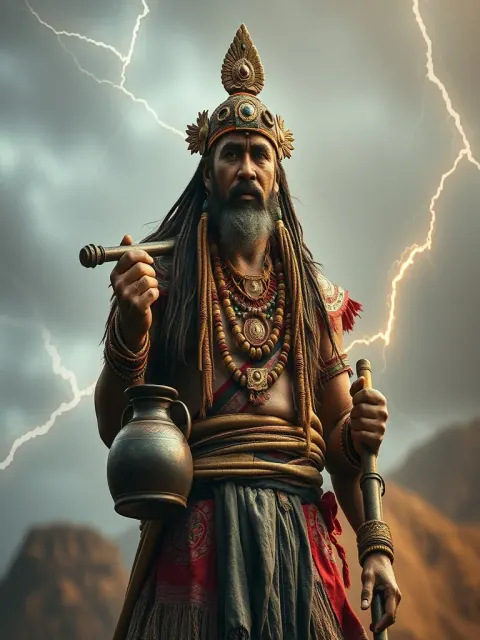
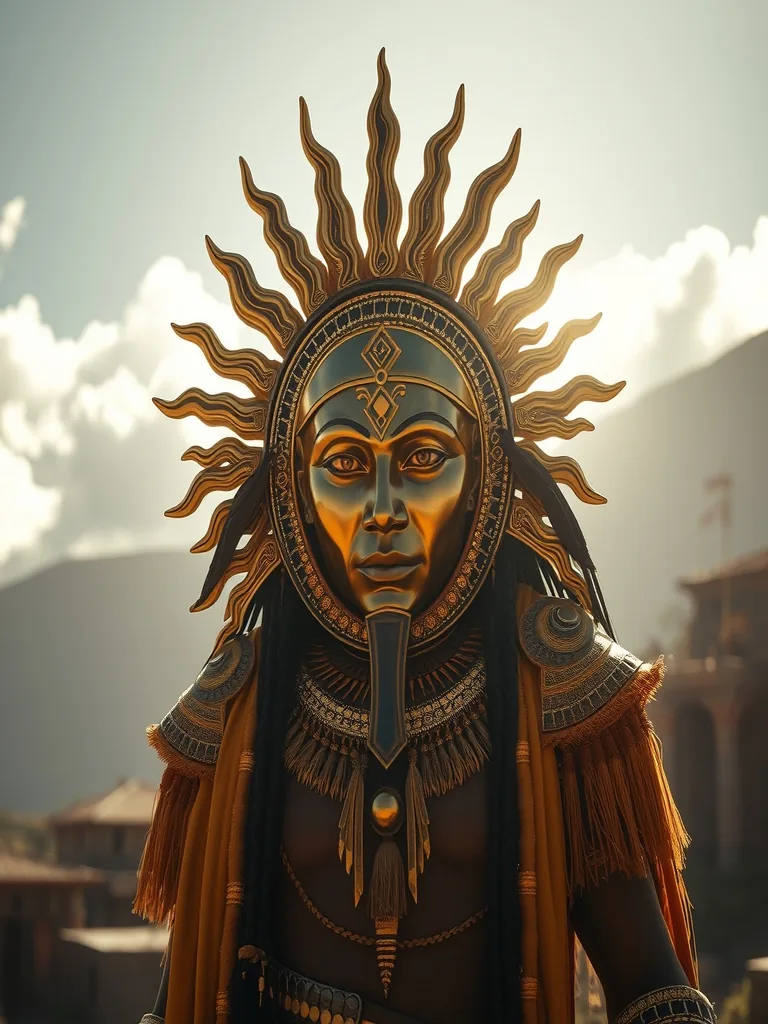
Portrait of Inti, Inca deity
Inca
Tap or drag
Inca

Inti

The Sacred Sun

Domain
Sun, Kingship & Harvest
Alignment
Lawful Good
Element
Light
Relics of Power
Radiant Golden Disk
Speak with Inti

The full Codex

5 sections of this entry are open to everyone: the summary, the people, the symbols, the lineage and the sources. The other 9 (Name and epithets, In the ancient sources, The myths, Worship and archaeology, How the god was depicted, What scholars debate, After antiquity, Did you know?, Codex relic) are part of the full Codex: PRO opens the whole study of all 500 deities, and without a subscription you can read one full entry a day, just like in the app.

The People

People
Inca
Region
Andes mountains
Period
15th – 16th c.

The Inca gods were worshipped along the Andes, from present-day Peru to Chile, from the sacred capital of Cusco. The emperor (Sapa Inca) was held to be the son of the sun Inti, and the people honored the earth-mother Pachamama with offerings. The cult was suppressed after the Spanish conquest, but persists in living Andean traditions.

The Inti Raymi, the Festival of the Sun, gathered the empire in Cusco at the winter solstice — and is re-enacted to this day. The Coricancha temple had walls covered in gold, and offerings to Pachamama remain alive in the Andes, with coca leaves and ritual bundles.
At a glance

Inti (in Imperial Quechua Apu Inti, “Lord Sun”, or Tayta Inti, “Father Sun”) is the sovereign solar deity, dynastic ancestor and tutelary patron of the Inca Empire (Tawantinsuyu). In the Andean theology recorded by the colonial chroniclers Juan de Betanzos, Pedro Cieza de León and the Inca Garcilaso de la Vega, Inti was ordered by the creator deity Viracocha to rise from the waters of Lake Titicaca, receiving the mission to warm the world, fertilize the maize terraces and banish the primordial dusk. Regarded as the biological and spiritual progenitor of the first Inca ruler, Manco Cápac, and of his consort Mama Ocllo, the god conferred perpetual divine authority on the imperial line of the Sapa Incas, who ruled under the title Intip Churin (“Son of the Sun”). His central cult radiated from the Qorikancha (“Golden Enclosure”) in Cusco, whose walls of perfectly cut masonry were lined with massive sheets of beaten gold (the sacred sweat of the sun). At the June winter solstice of the Southern Hemisphere, the ruler and the nobility celebrated Inti Raymi, the great festival of solar rebirth in which the new fire was kindled by means of polished concave metal mirrors and distributed to all the shrines of the empire.

6 min read · Reviewed on September 28, 2026 · How we research

Sacred symbols

The golden solar disk, the rays, the imperial crown and the corn

Family

Parents
Inti
Children
Manco CapacMama Ocllo
Genealogy according to Inca Garcilaso de la Vega, Comentarios Reales de los Incas (1609); Juan de Betanzos, Suma y Narración de los Incas (1551); Cristóbal de Molina (c. 1575); Pedro Cieza de León (1553)

Sources and further reading

Primary sources

  • Inca Garcilaso de la Vega, Comentarios Reales de los Incas. translation: Edition by Aurelio Miró Quesada, Biblioteca Ayacucho, Caracas, 1985.
  • Juan de Betanzos, Suma y Narración de los Incas. translation: Edition by María del Carmen Martín Rubio, Ediciones Atlas, Madrid, 1987.

Studies

  • Terence N. D'Altroy, The Incas. Blackwell Publishing, 2002.
  • Brian S. Bauer, The Sacred Landscape of the Inca: The Cusco Ceque System. University of Texas Press, 1998.
  • Gary Urton, Inca Myths. British Museum Press, 1999.

Name and epithets

The name in imperial Quechua is Inti, a root word that designates the physical Sun as a daytime star and as the supreme cosmic entity.

In the ancient sources

Royal Commentaries of the Incas, 1609 AD.. Inca Garcilaso de la Vega describes in detail the myth of Manco Cápac, the architecture of the Qorikancha and the Inti Raymi festival. Suma y Narración de los Incas, 1551 AD..

The myths

The Civilizing Mission of Manco Cápac and the Golden Staff. As narrated by the Inca Garcilaso de la Vega in the Royal Commentaries, the sun god Inti looked down upon the earth and took pity on humanity, which lived with…

Worship and archaeology

Inti’s state cult had the most sophisticated ceremonial and priestly infrastructure in pre-Columbian South America.

How the god was depicted

The most famous and venerated material representation of Inti was the Punchao (“Daylight”), a colossal anthropomorphic image cast in solid, finely embossed gold, kept in the main sanctuary of the Qorikancha.

What scholars debate

The Theological Relationship between Inti and Viracocha. Anthropologists and ethnohistorians such as John Howland Rowe and Gary Urton have examined the hierarchical relationship between Viracocha and Inti.

After antiquity

Inti remains the most powerful and universal symbol of cultural identity and historical dignity of contemporary Andean peoples.

Did you know?

The Qorikancha in Cusco had a famous ceremonial garden in which the entire agricultural cycle was reproduced in gold and silver: golden maize stalks with polished grains, earth shaped from precious leaves, and life-size…

Codex relic

Radiant Golden Disk. The great golden disk with a human face ringed by rays, the image of the sun that reigned in the Coricancha temple.

The rest of this scroll is sealed

The legends, the myth, the cult and relics are part of the full Codex. You can open 1 full entry for free every day; to open all 500 deities with no limits and no ads, subscribe to Codex PRO.

See Codex PROGet it on Google Play

Divine Equivalents

From the same pantheon

View pantheon