Egyptian
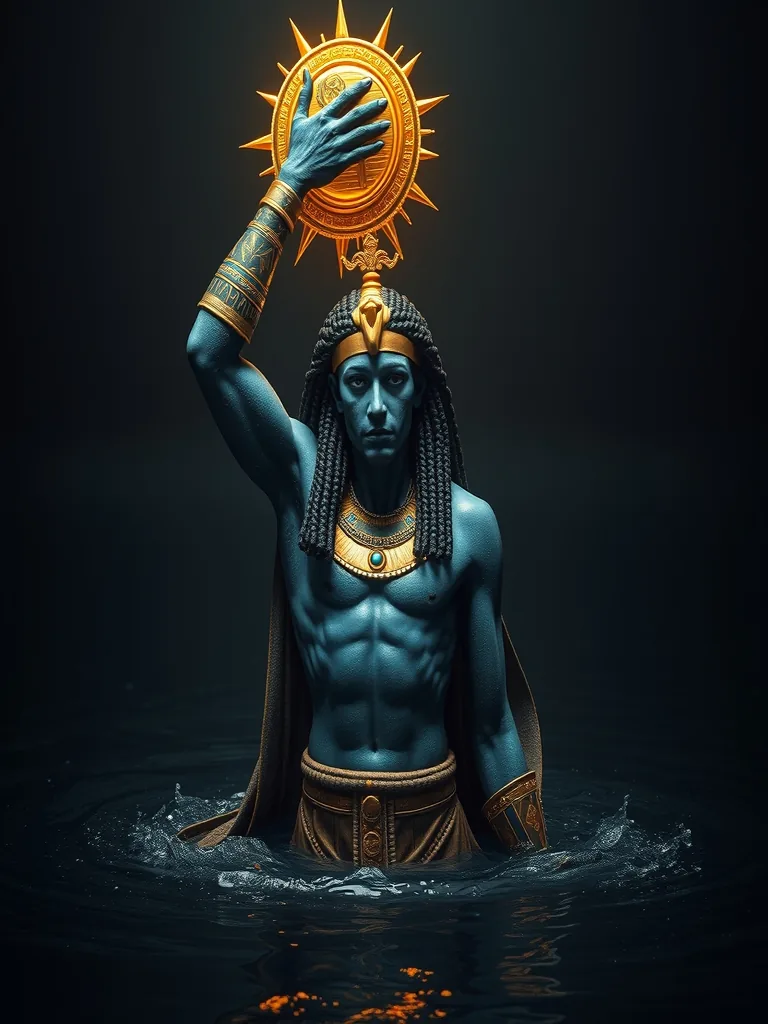
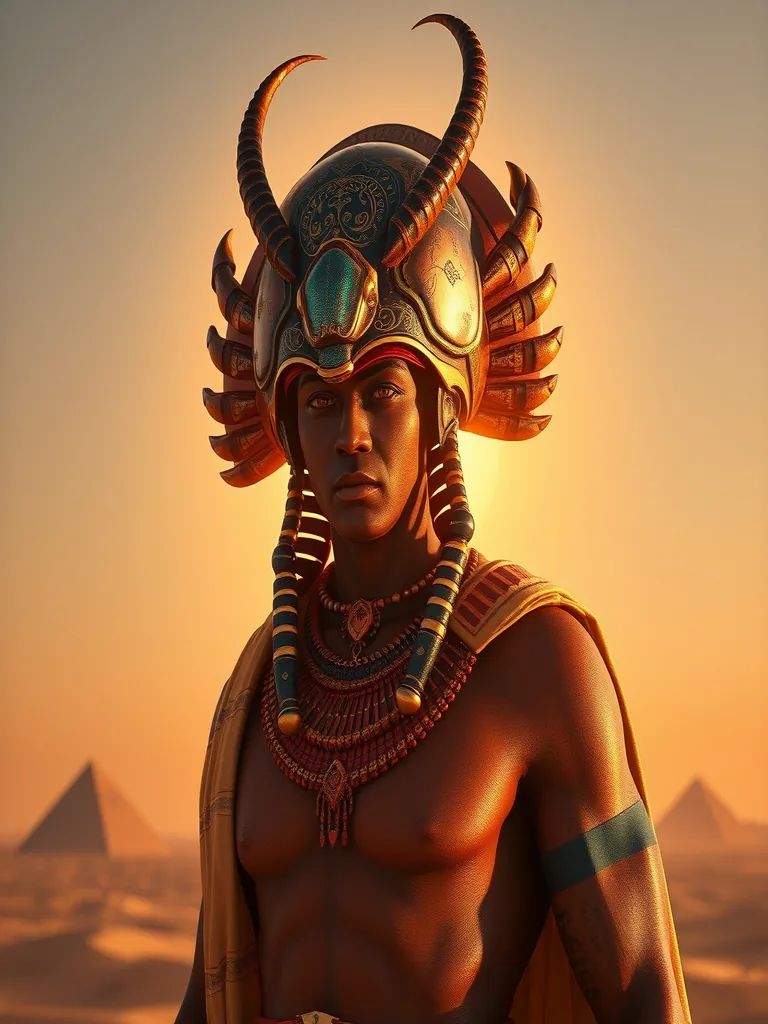
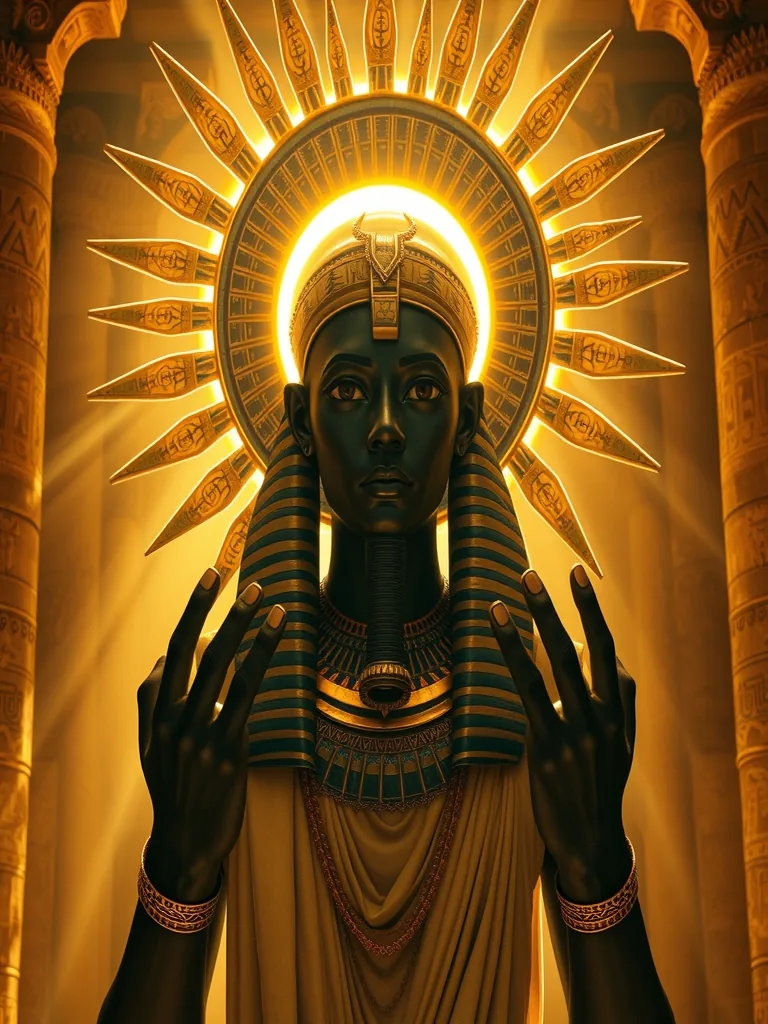
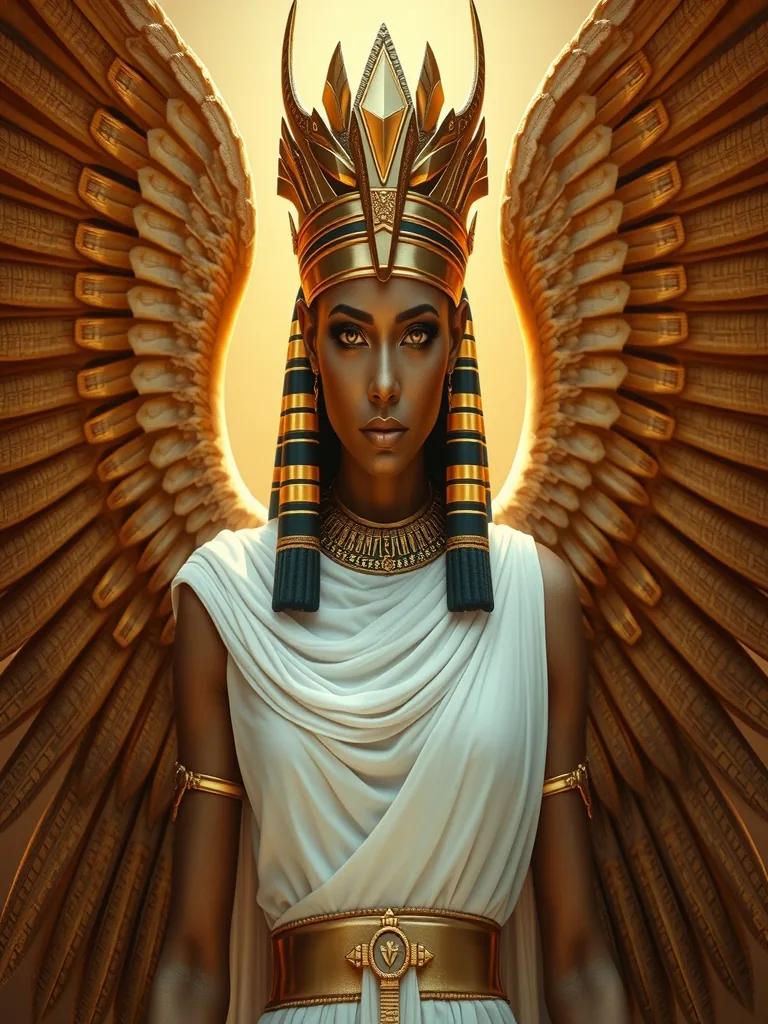
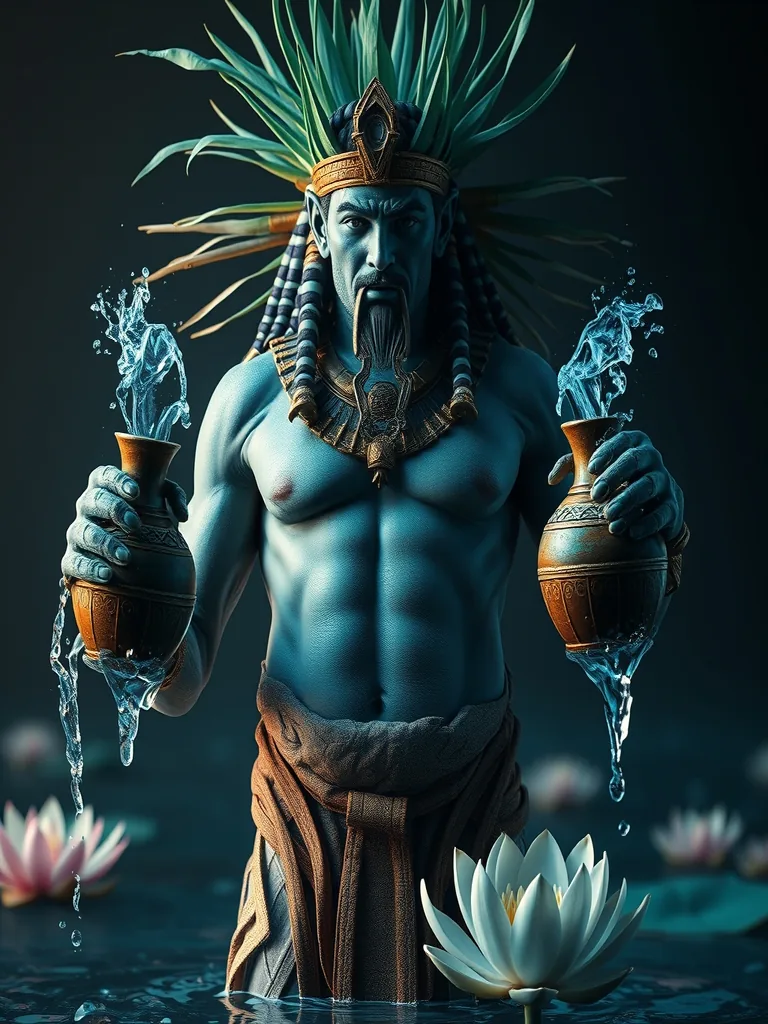
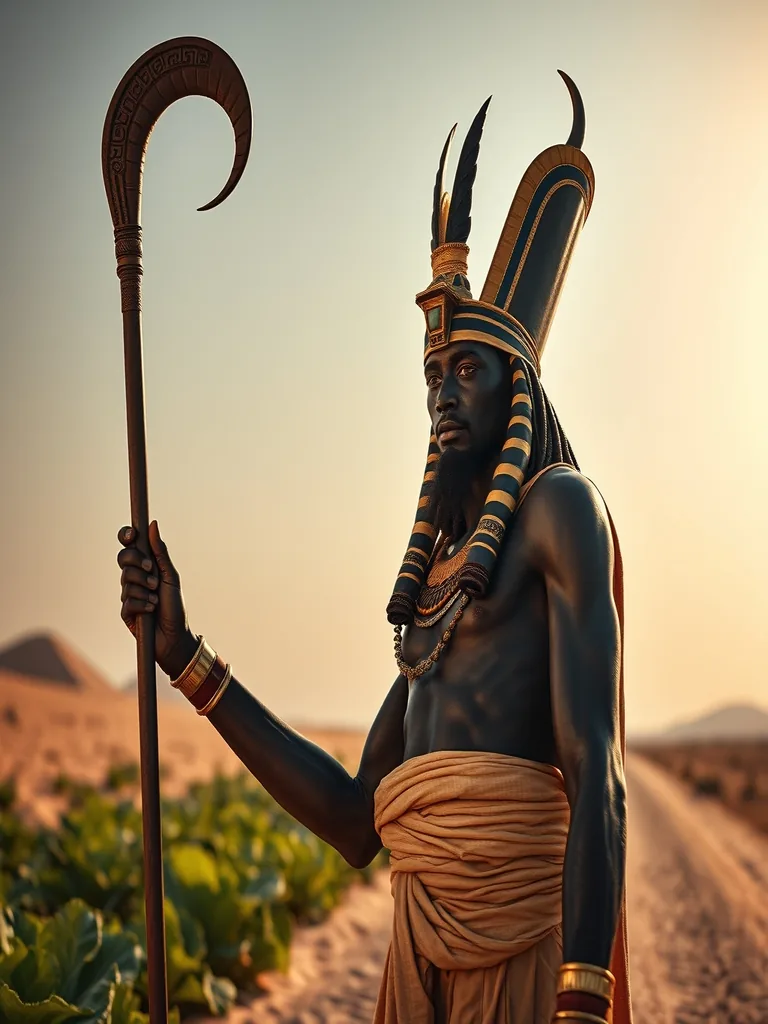
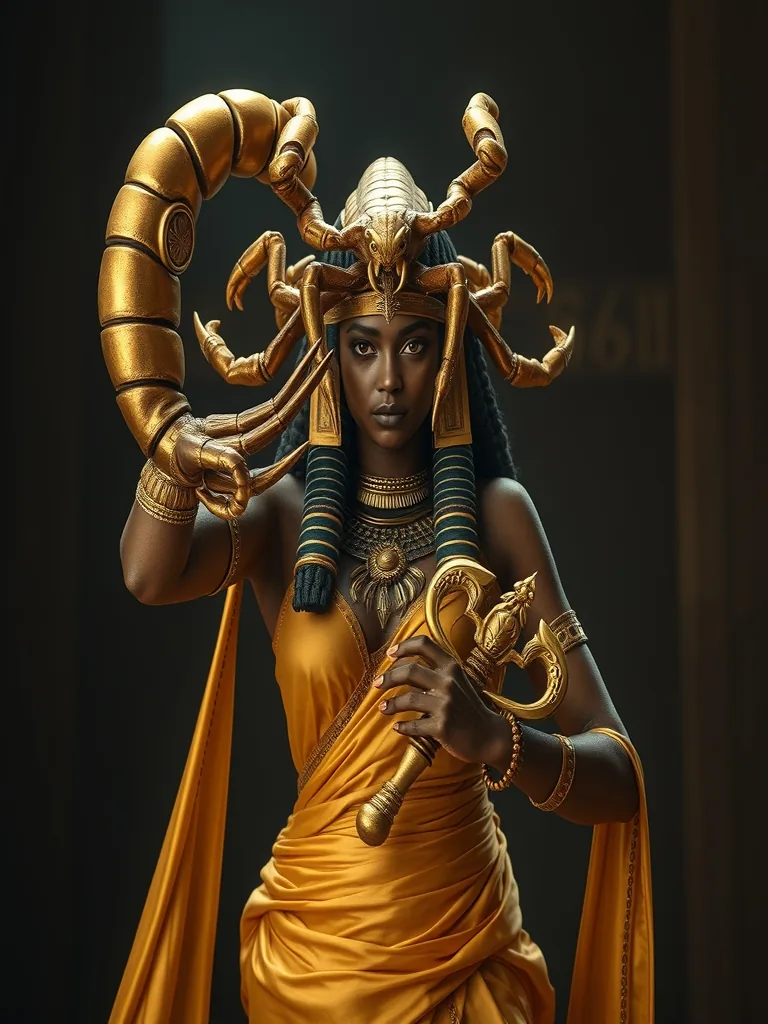
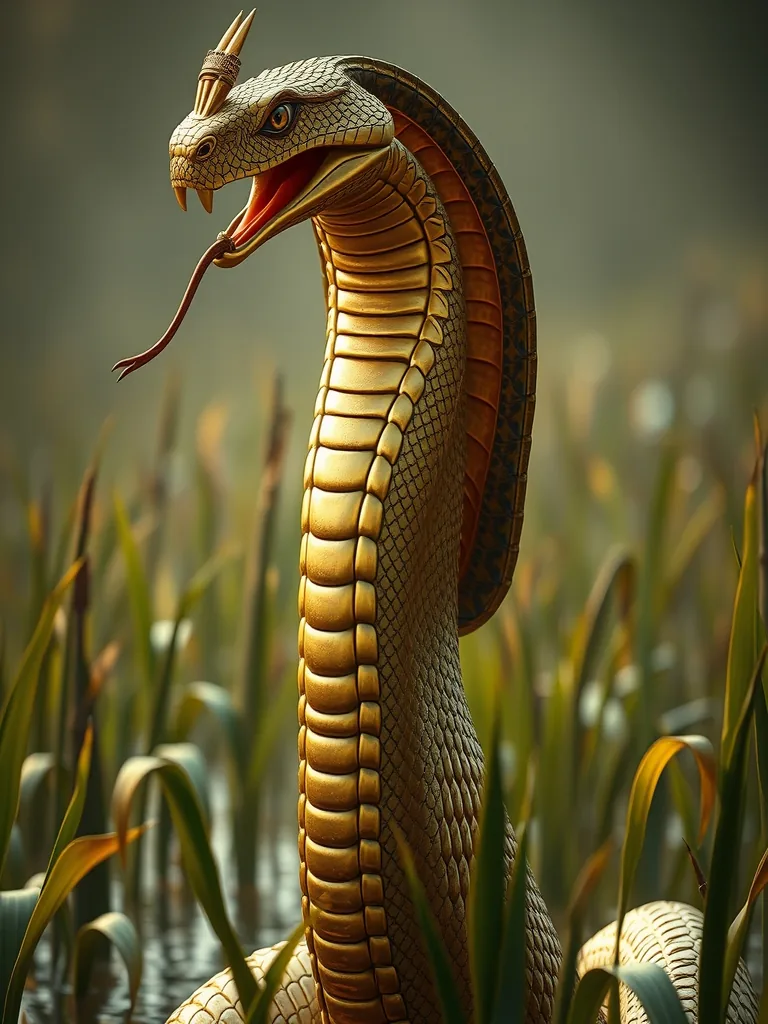
36 deities of this pantheon
Origin, Worldview and Mythology of the Egyptian
Sacred tradition associated with the Ancient Egyptians
Origin and Mythological Worldview
The Egyptian gods were worshipped for over three millennia along the banks of the Nile, with monumental temples at Karnak, Luxor, and Heliopolis. The pharaohs were held to be divine, and life revolved around cosmic order (Maat) and preparation for the afterlife. The cult endured until the rise of Christianity in Roman Egypt.
The sacred stories of this pantheon anchored the moral and civic foundation of ancient settlements, establishing rites of passage, seasonal liturgies, and explanations for terrestrial and celestial cycles.
Principal Deities and Central Figures
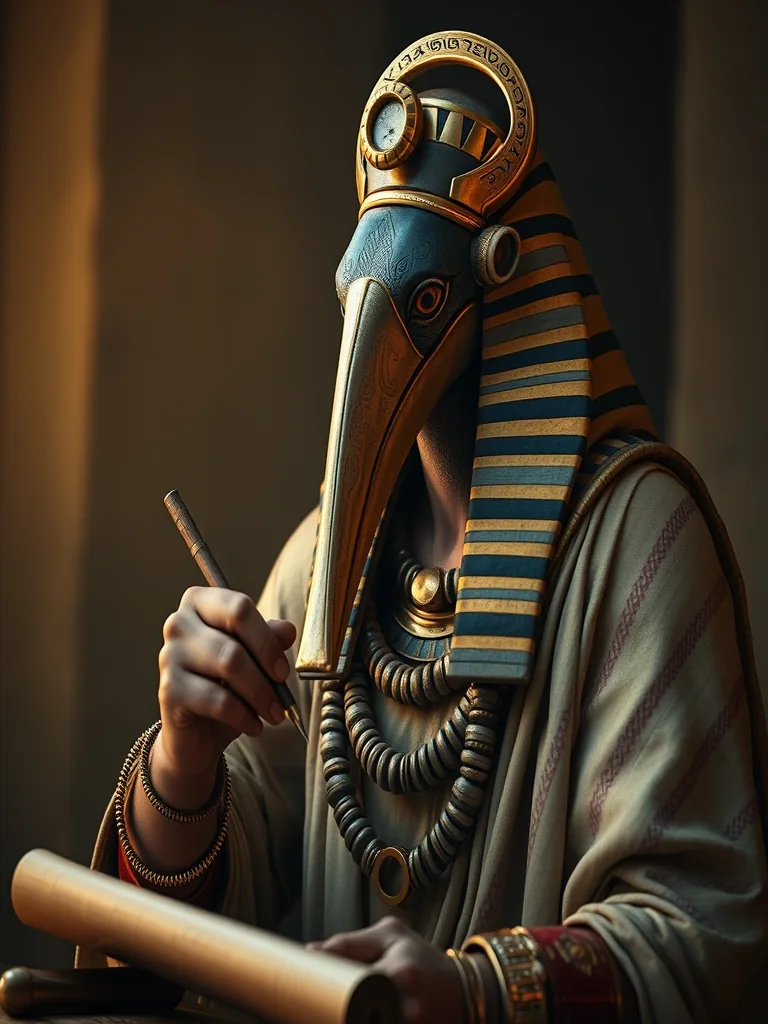
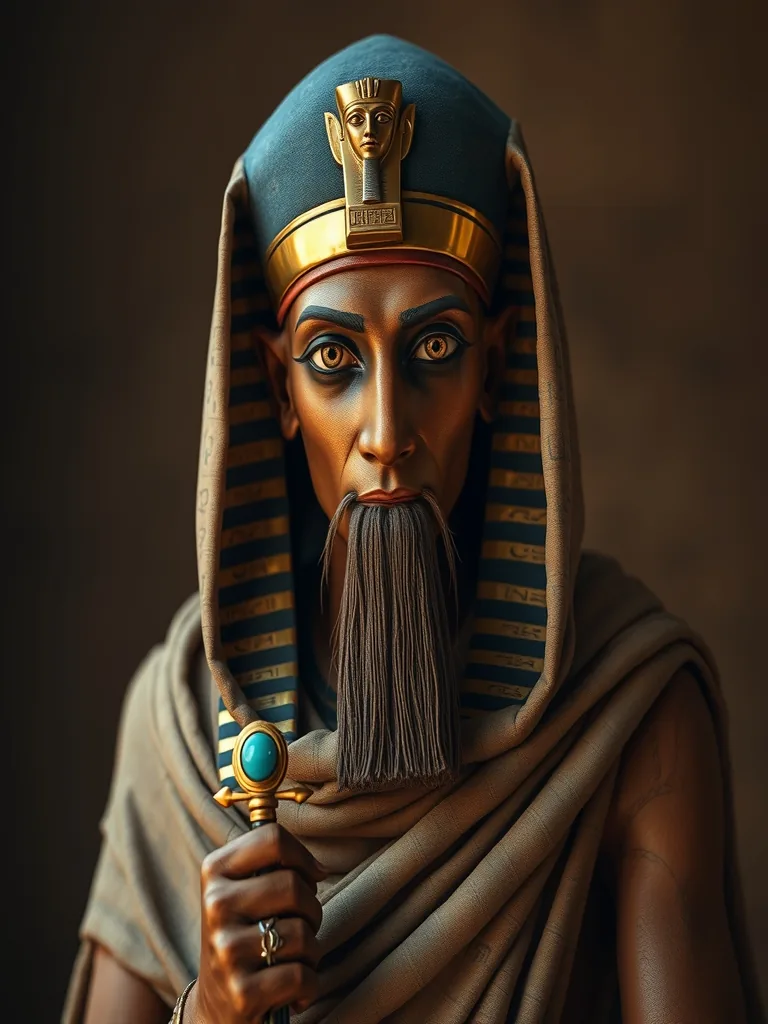
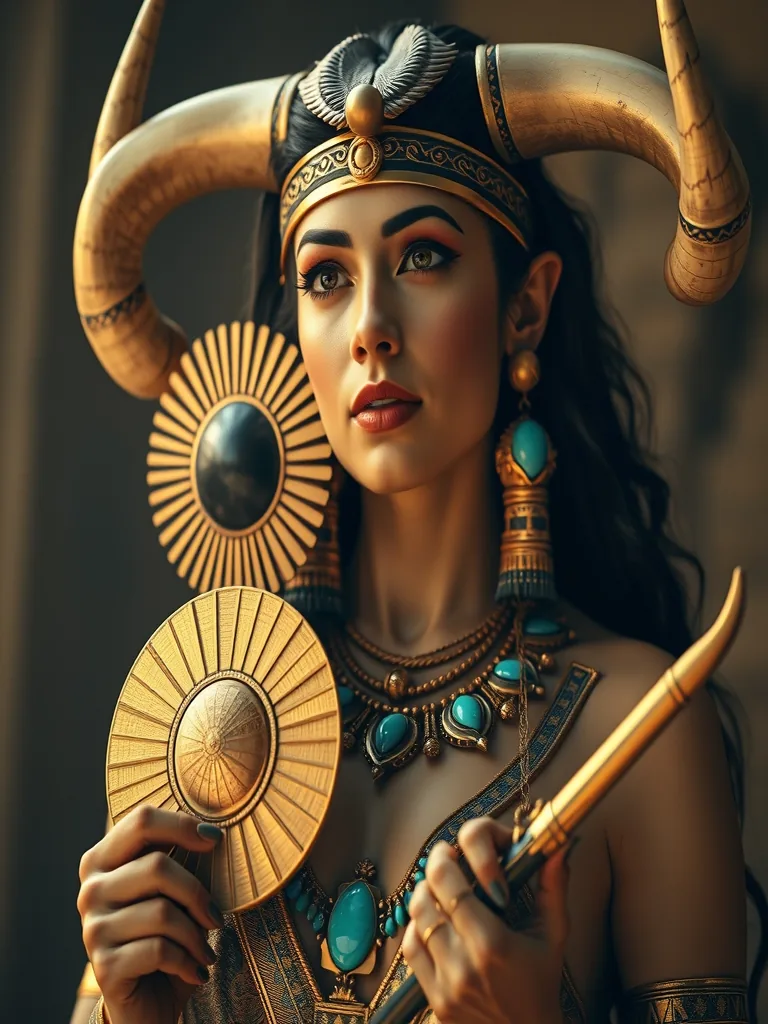
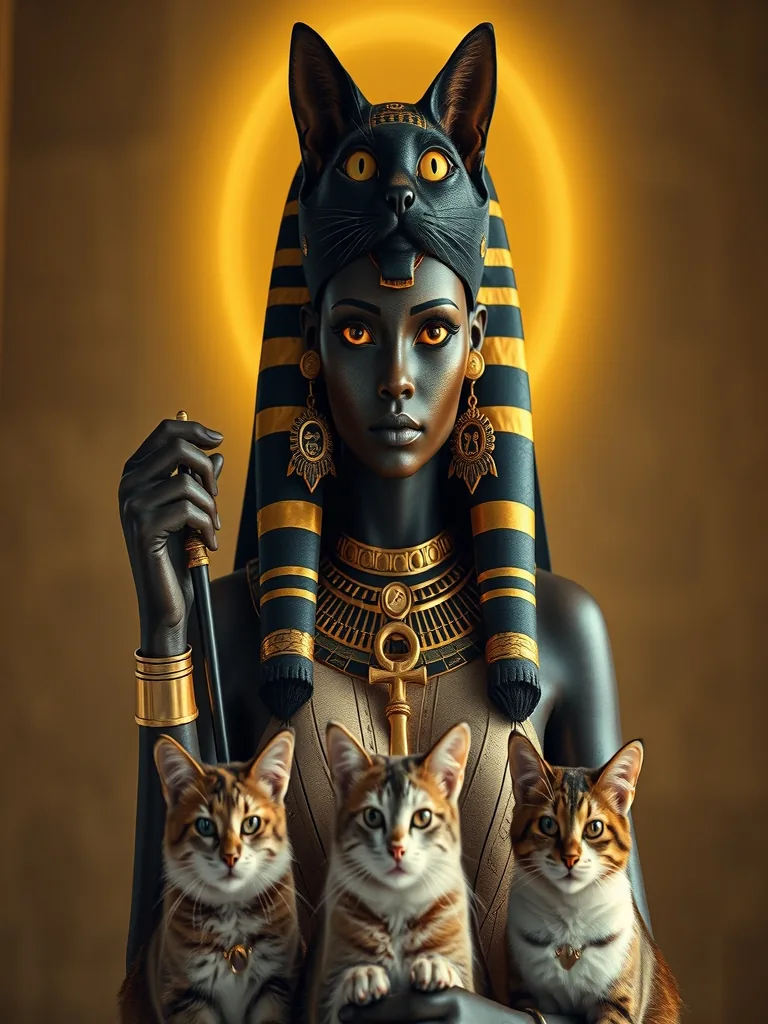
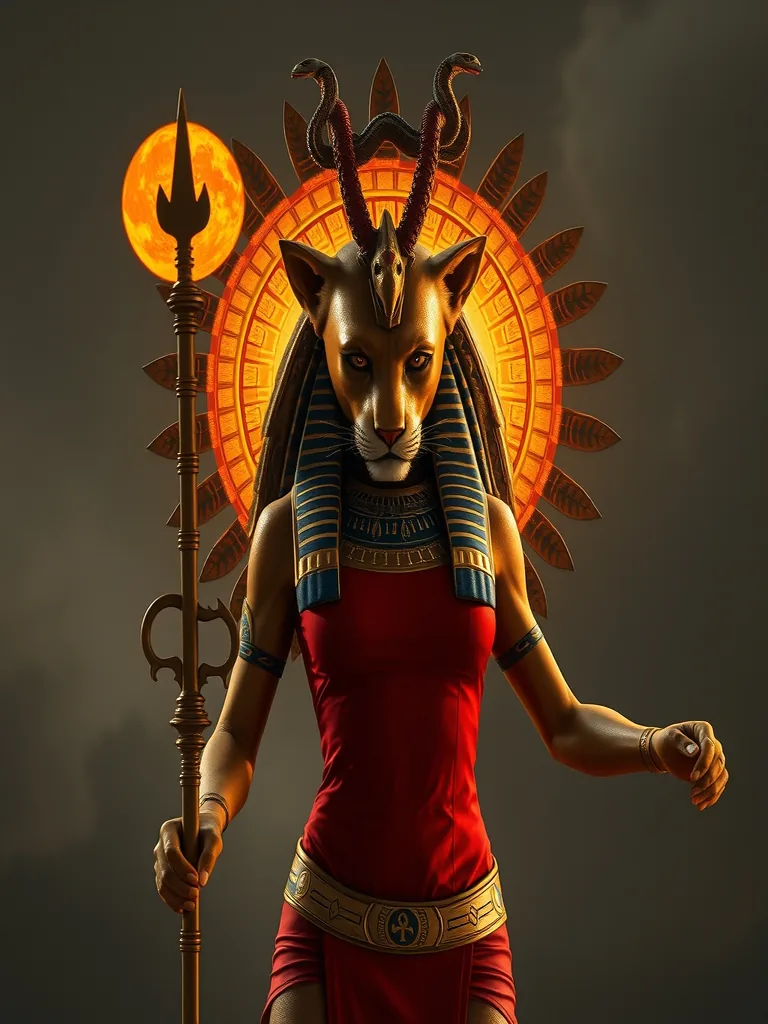
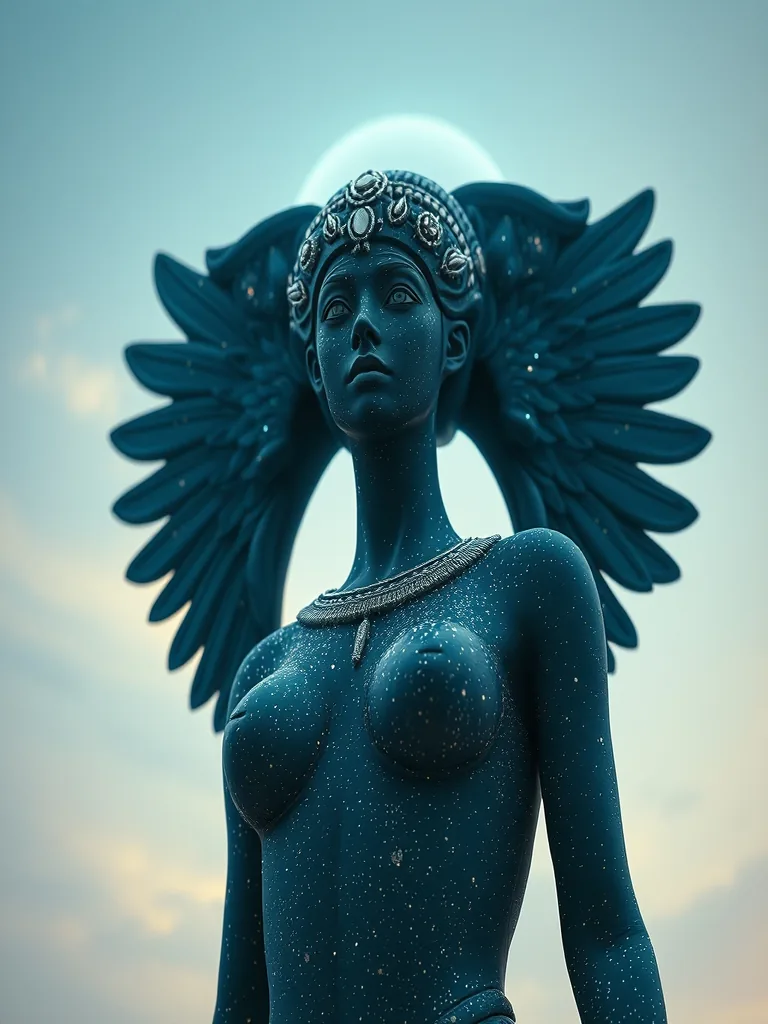
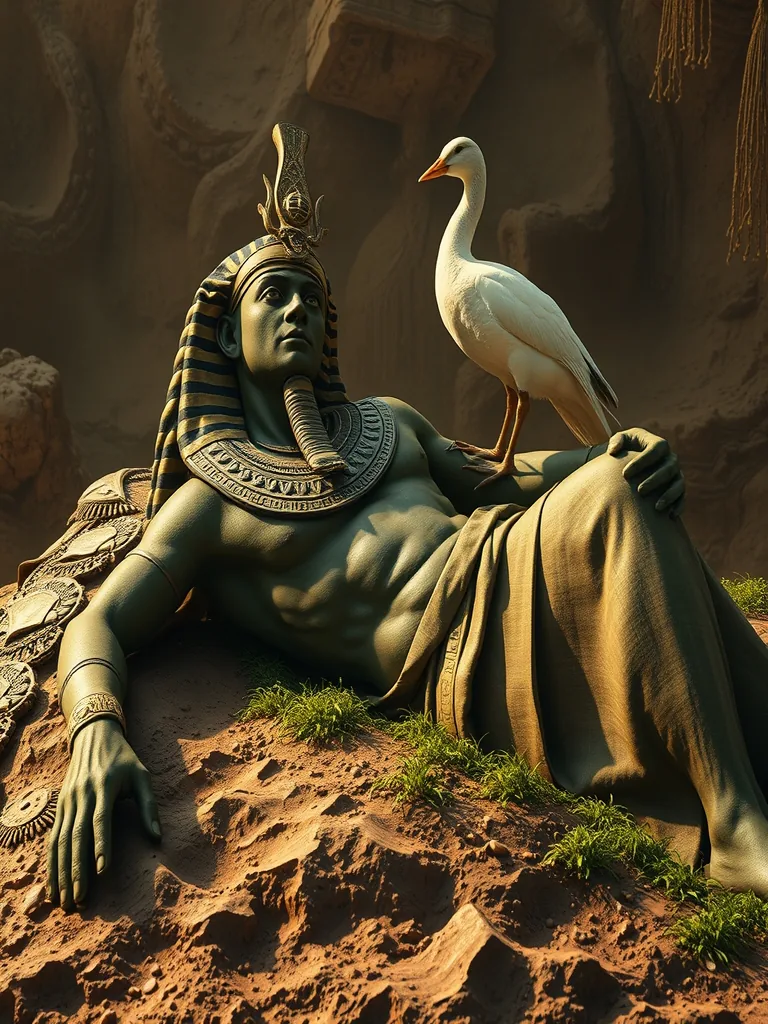
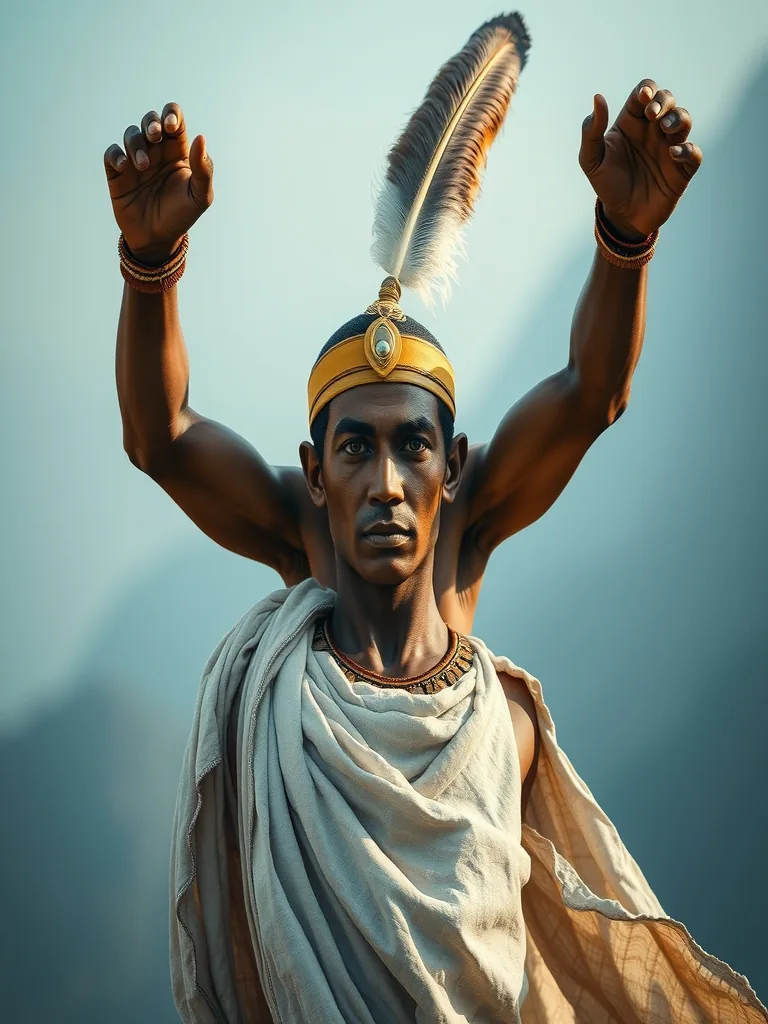
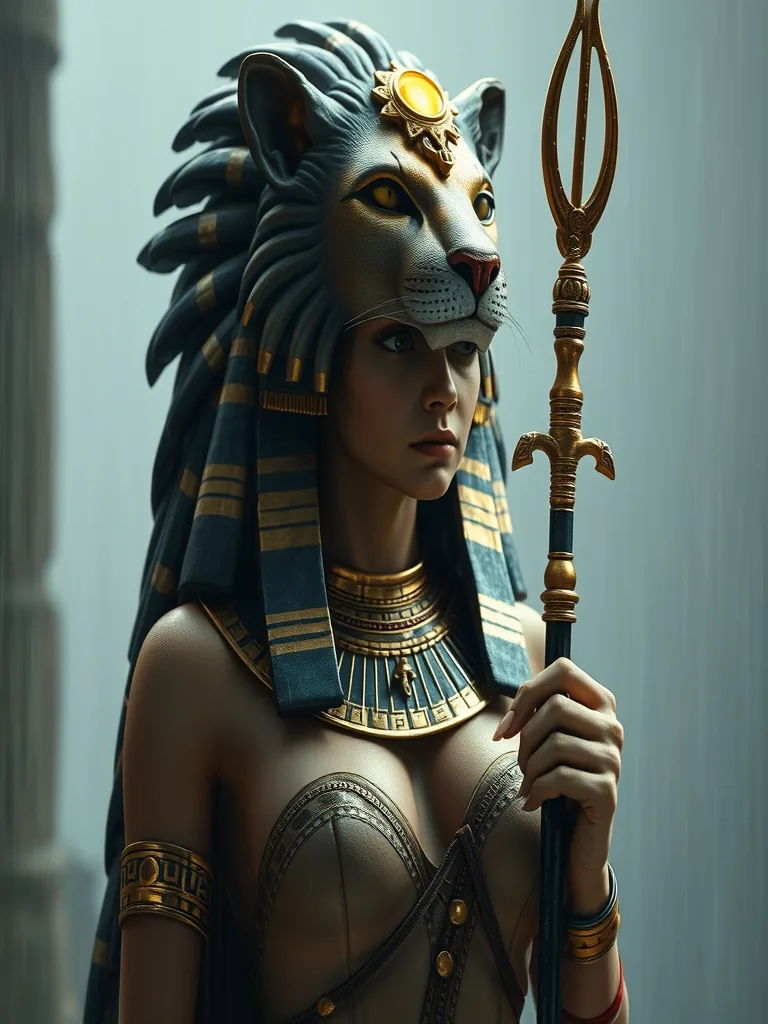
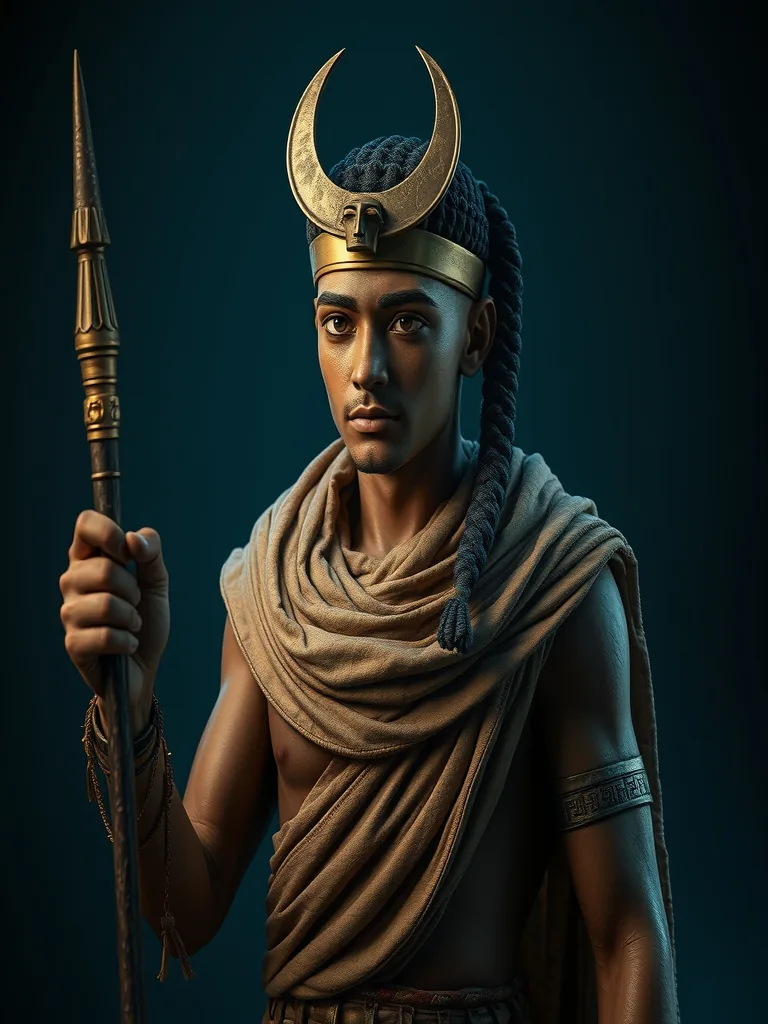
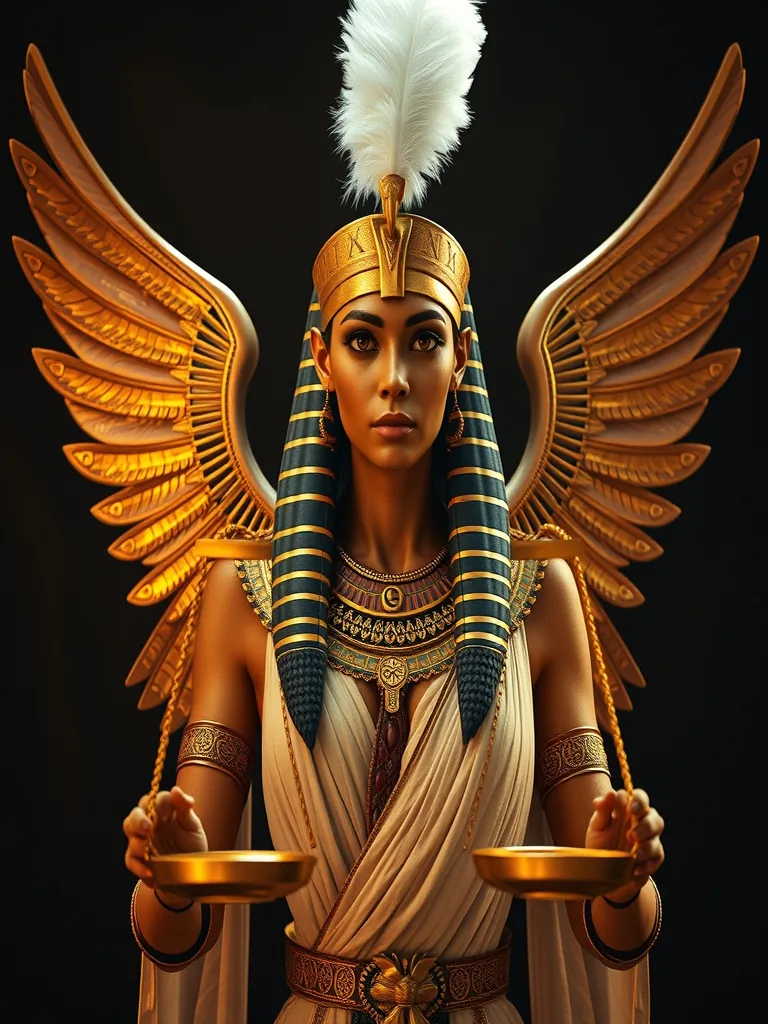
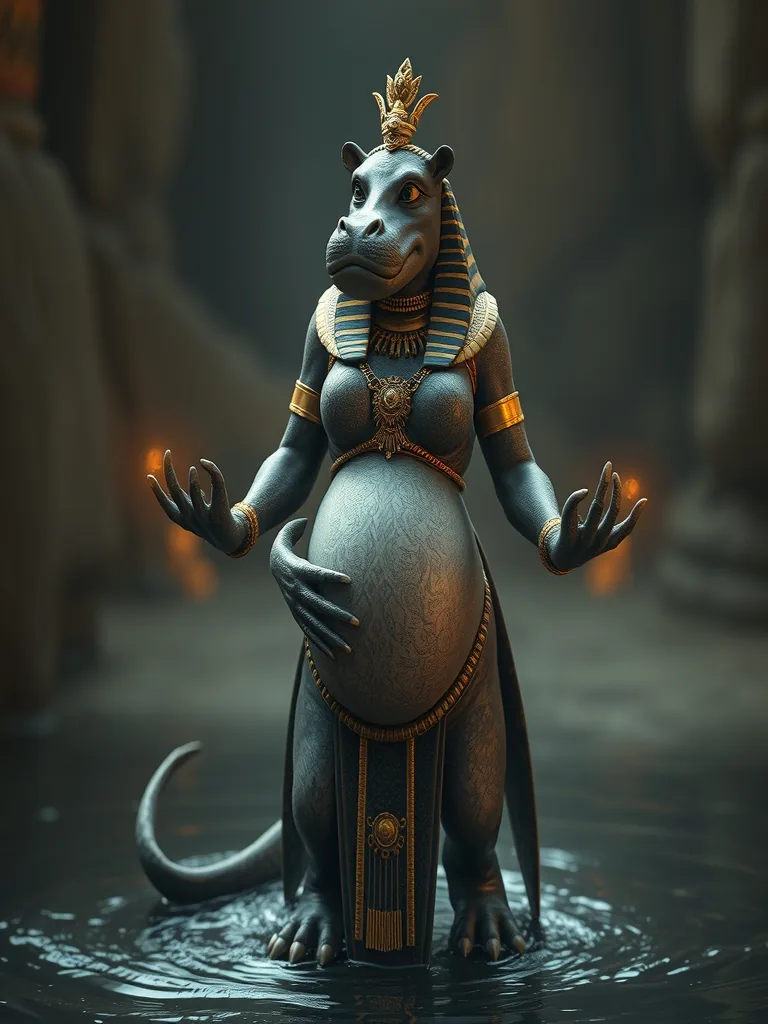
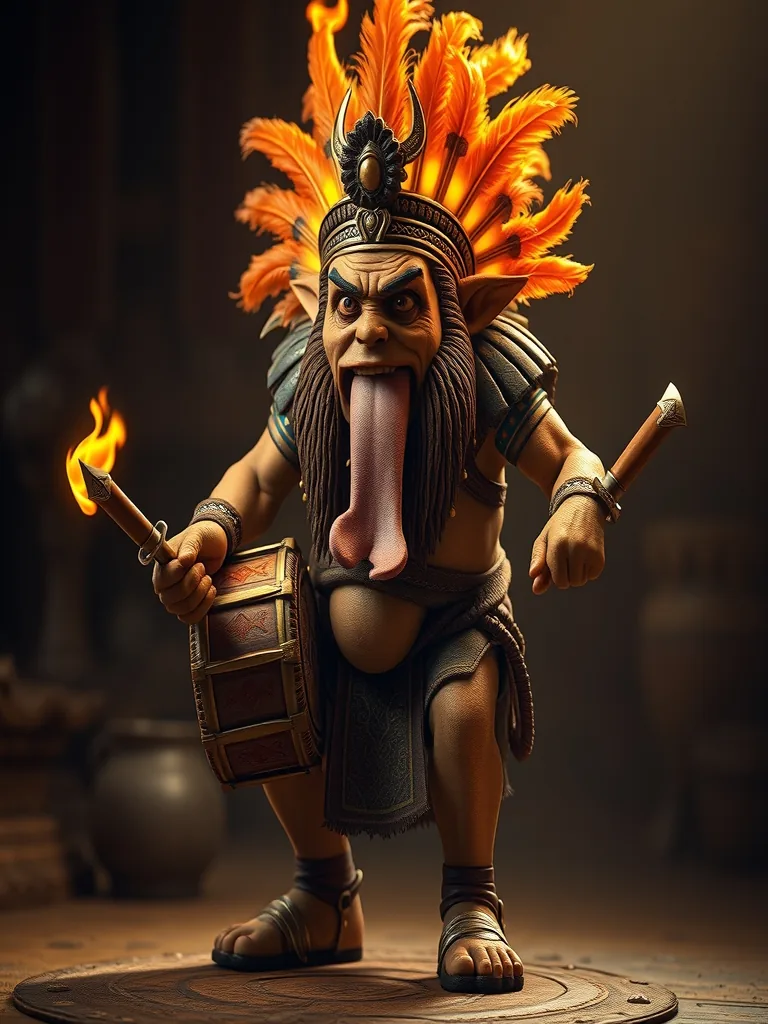
Among the 36 deities cataloged in the Codex for this pantheon, several figures hold preeminent standing across cosmic domains and civic life:
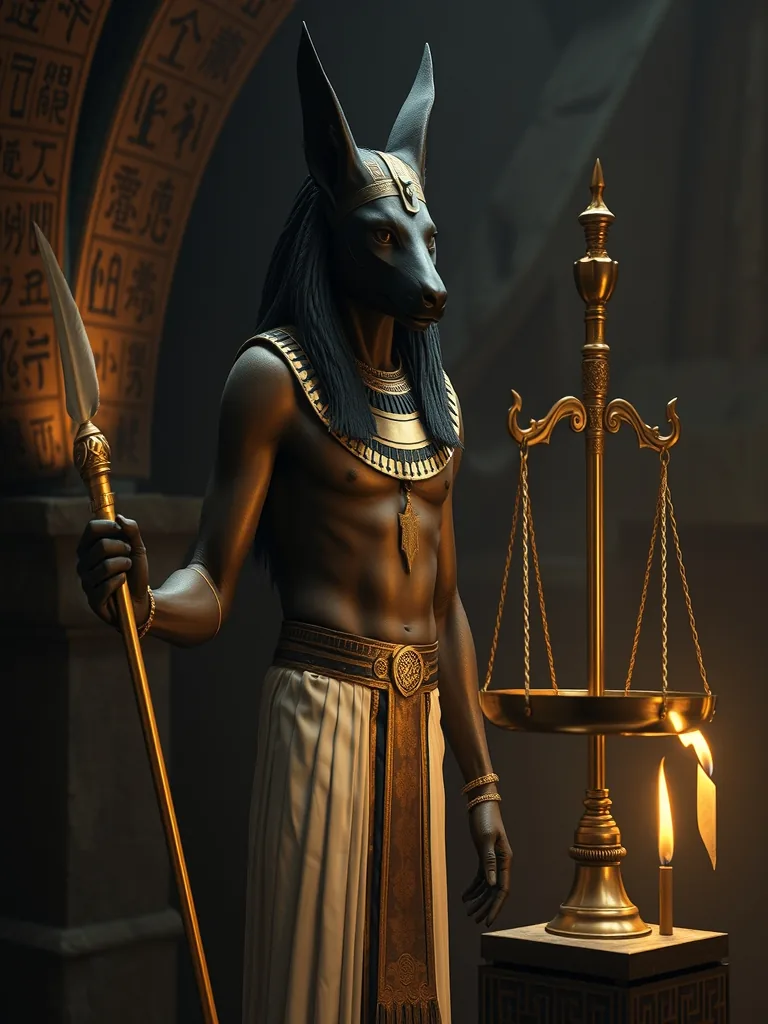
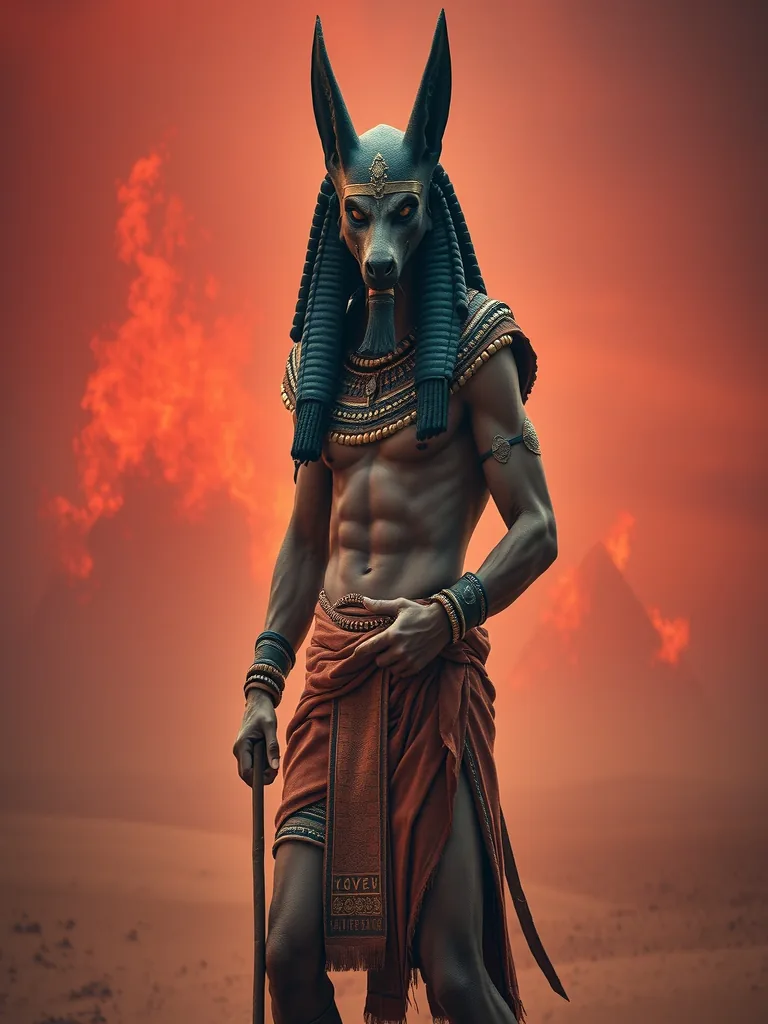
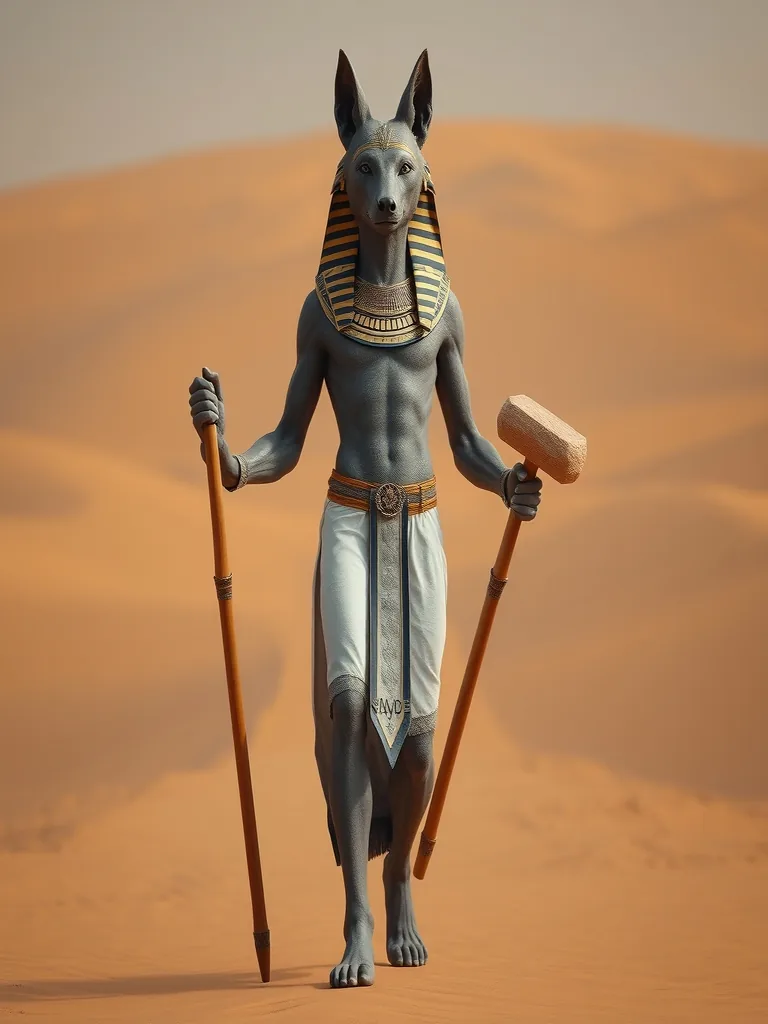
- Anubis — Death & Judgment
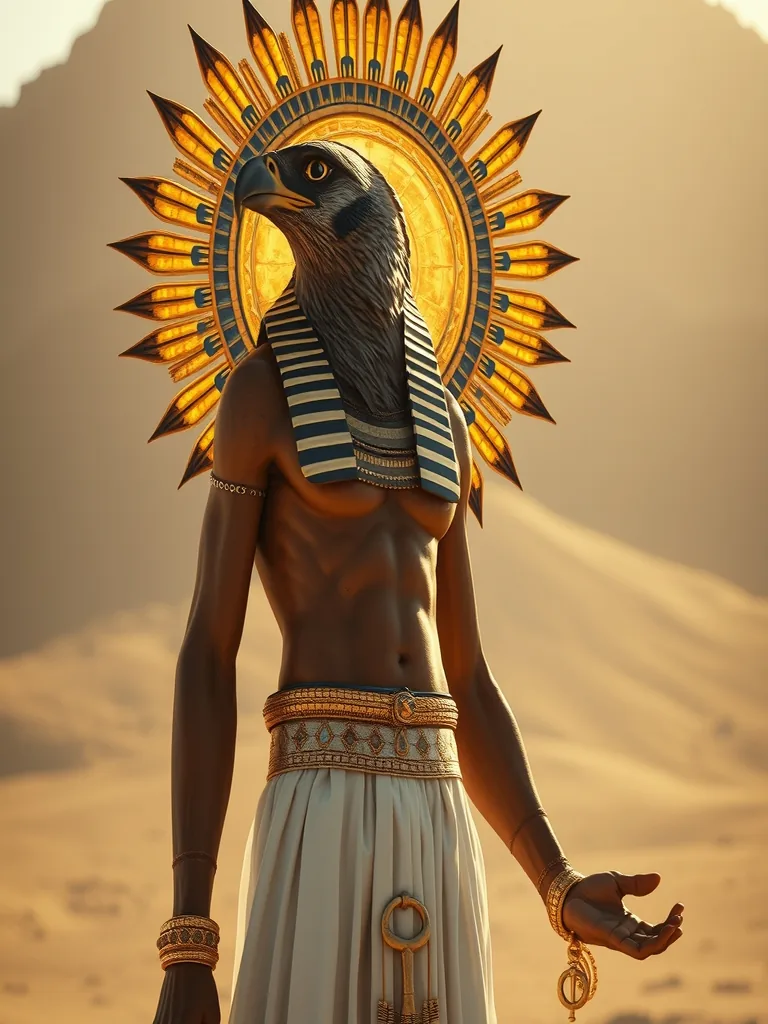
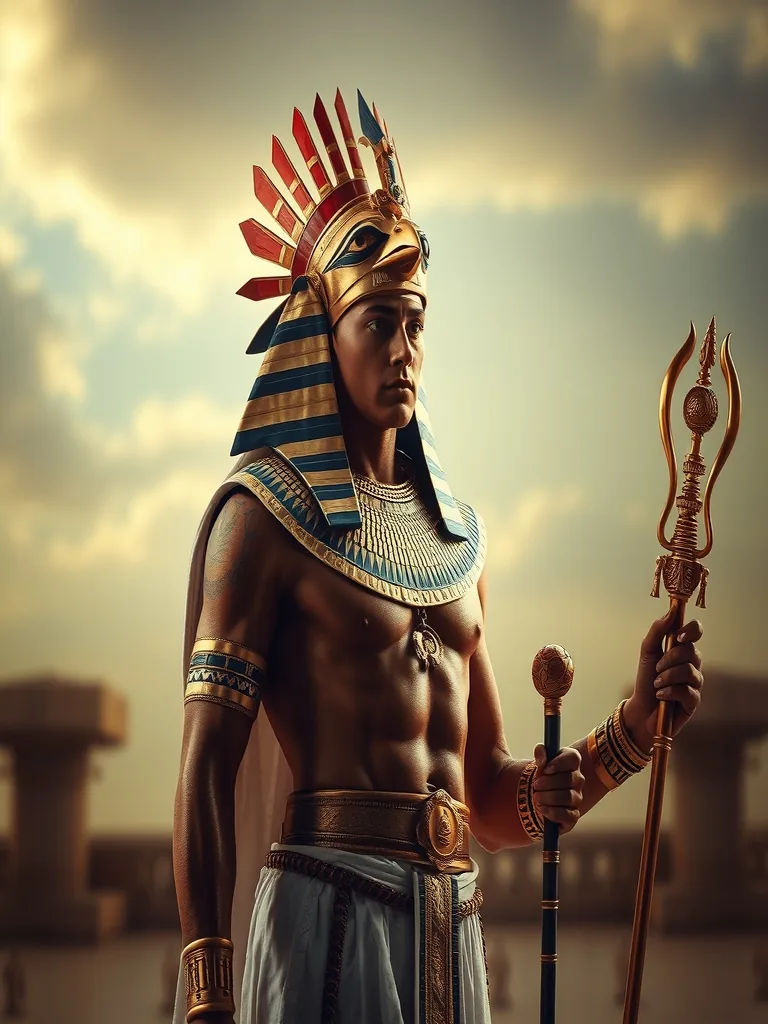
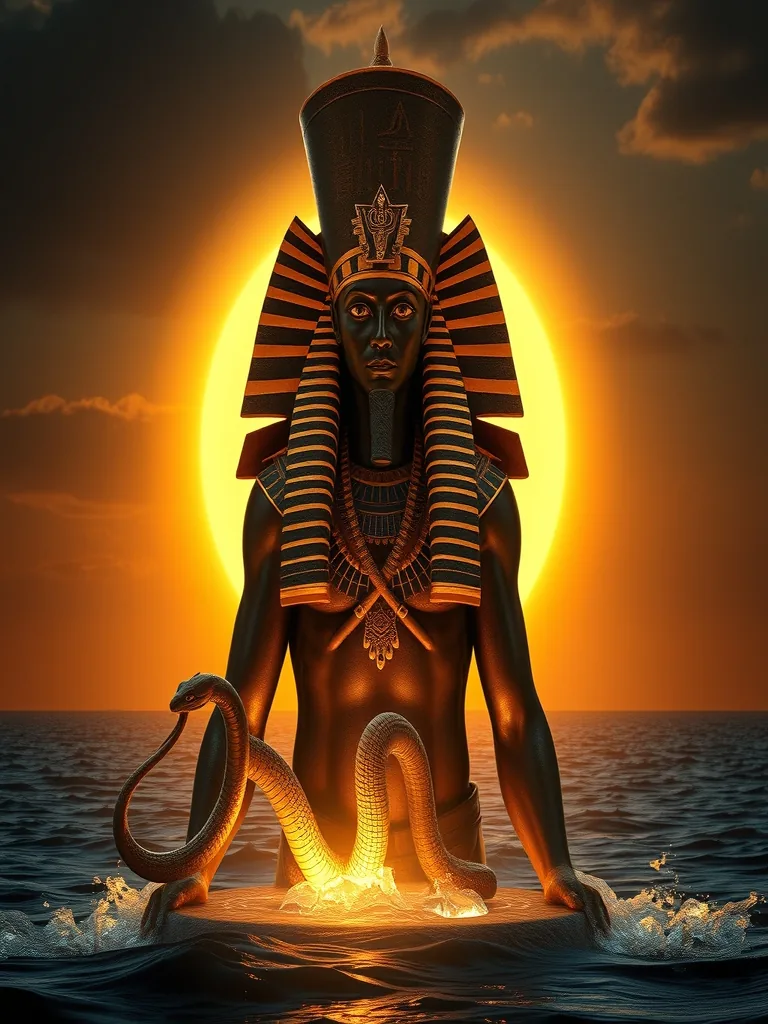
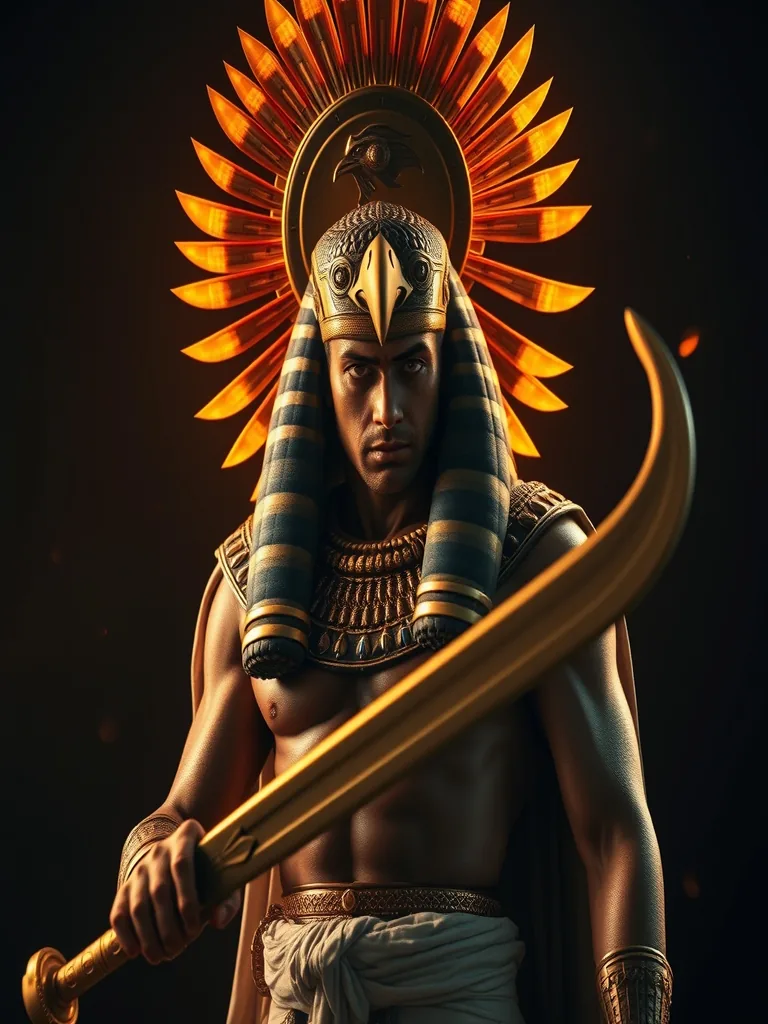
- Ra — Sun & Creation
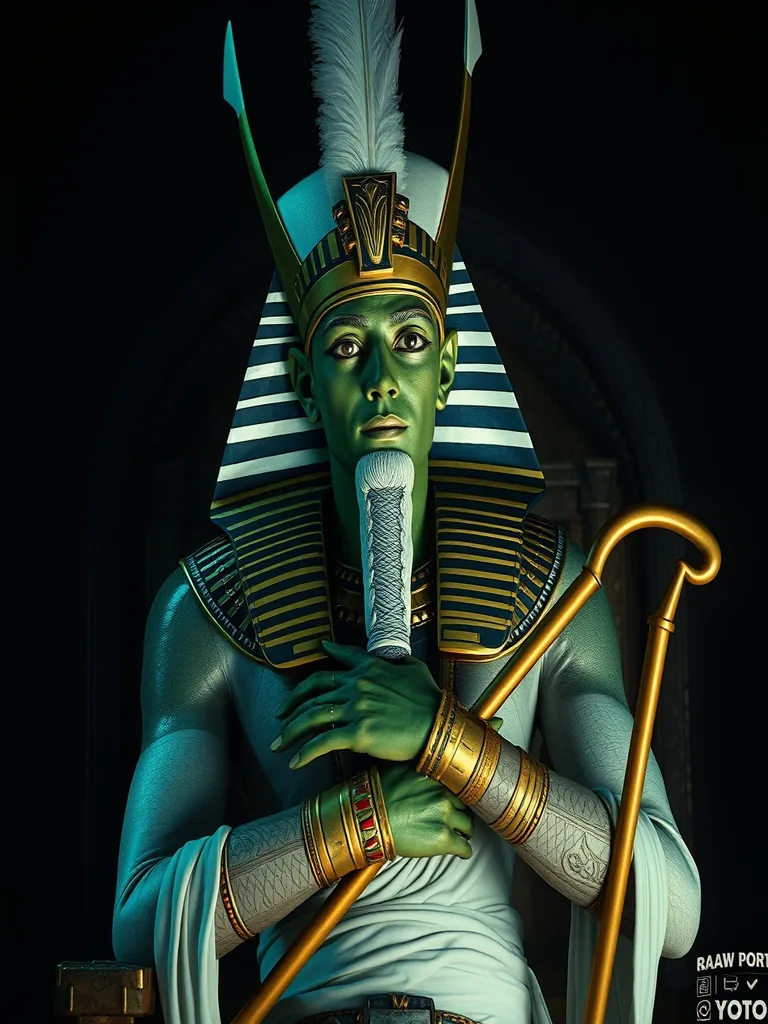
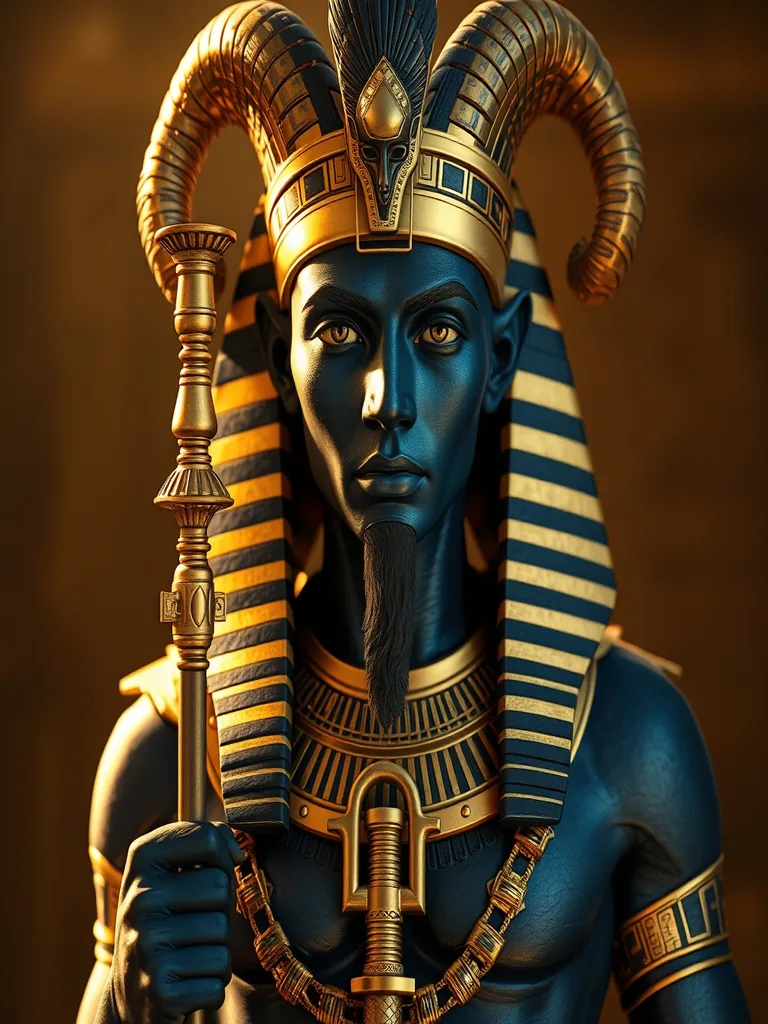
- Osiris — Rebirth & Justice
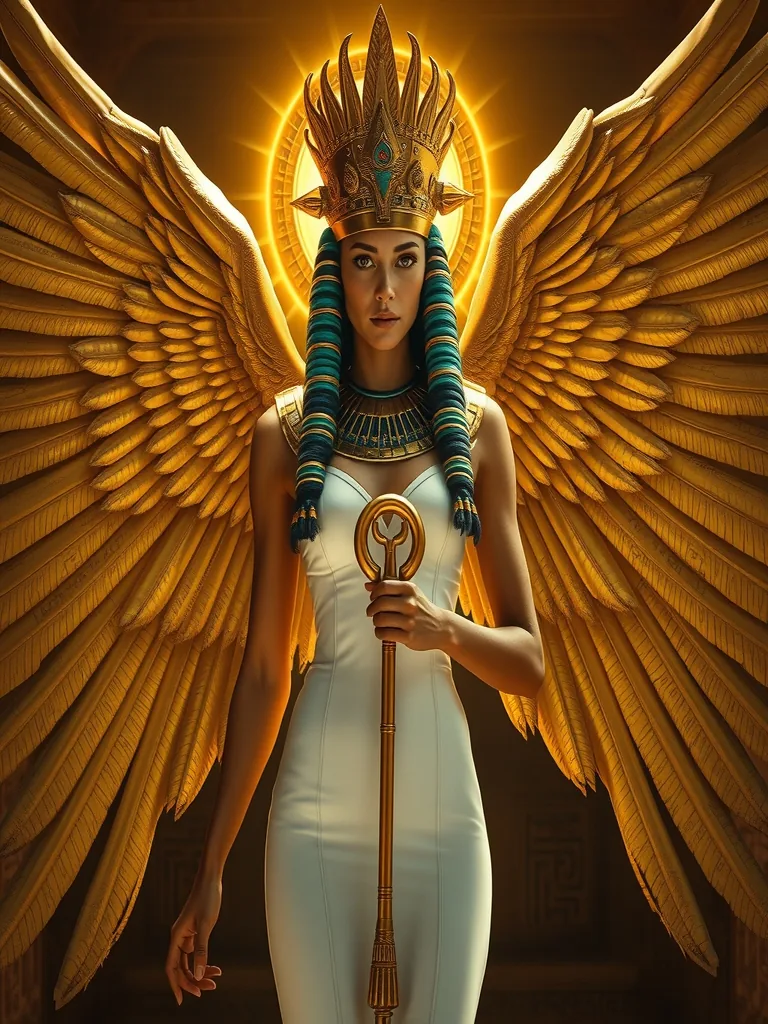
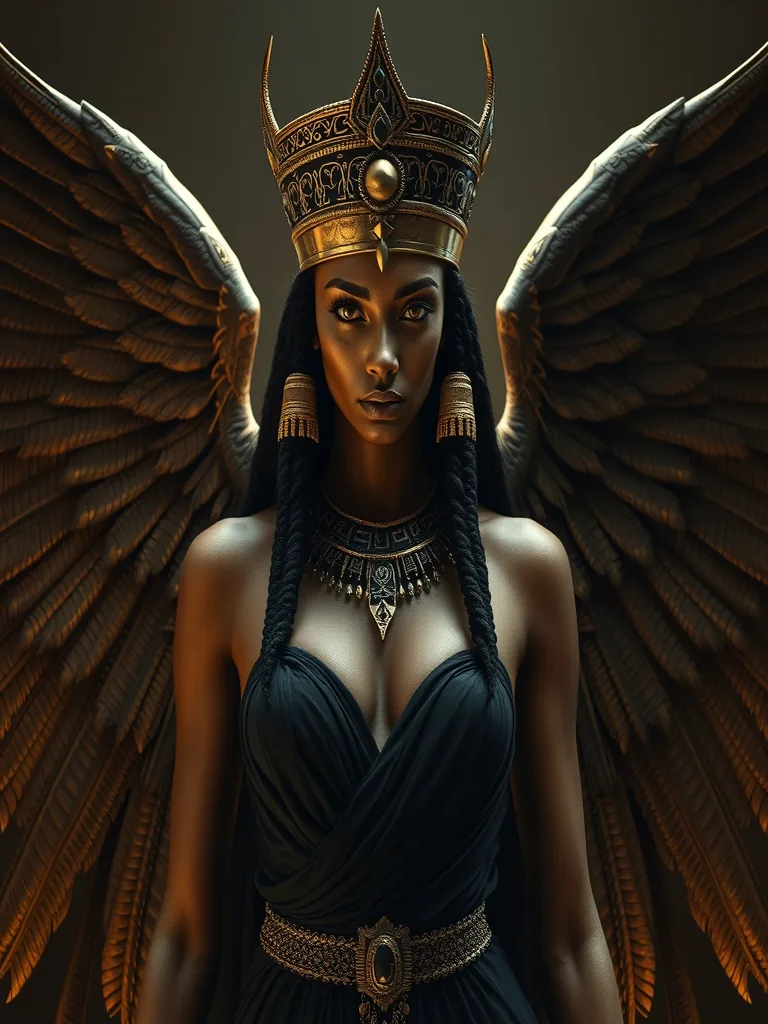
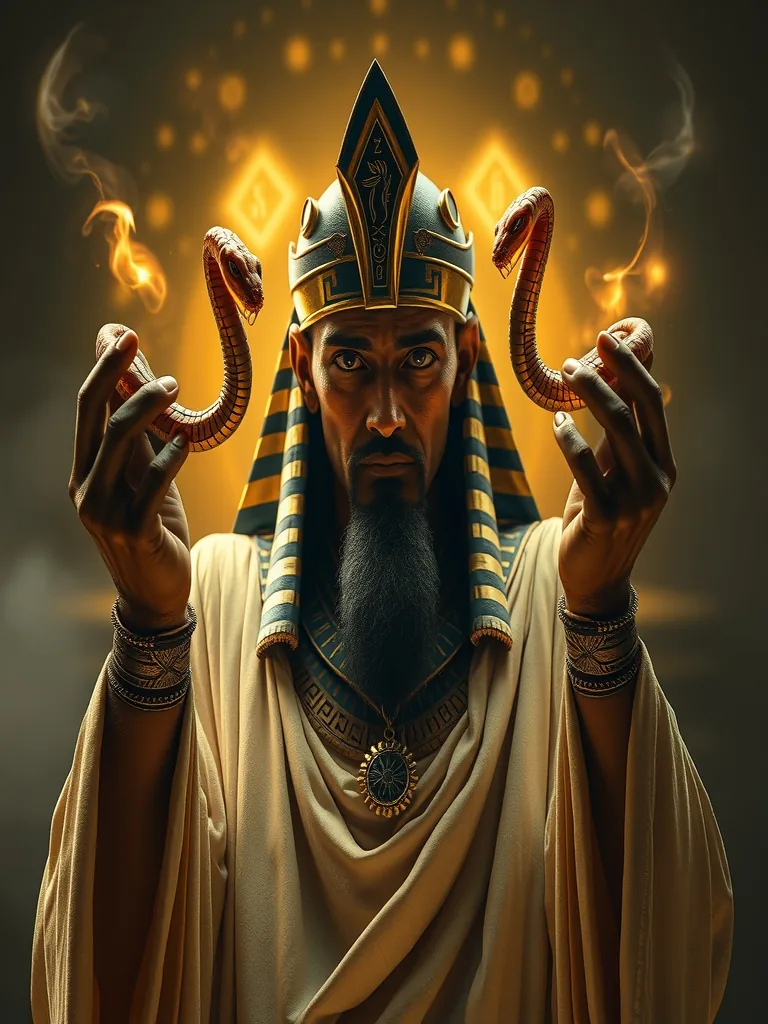
- Isis — Magic & Motherhood
- Horus — Sky & Royalty
Temples, Ritual Practices and Cult
At the Opet festival, Amun's sacred barque sailed from Karnak to Luxor amid celebrating crowds. In the temples, priests woke, dressed, and fed the god's statue every day, and the Beautiful Festival of the Valley carried the deities to visit the shore of the dead.
Priests and traditional lorekeepers guarded the continuity of sacred hymns and divine genealogies, ensuring the benevolence of the gods for agricultural fertility, social harmony, and communal protection.
36 deities