Skip to content
CodexMythologia
Back to the Codex
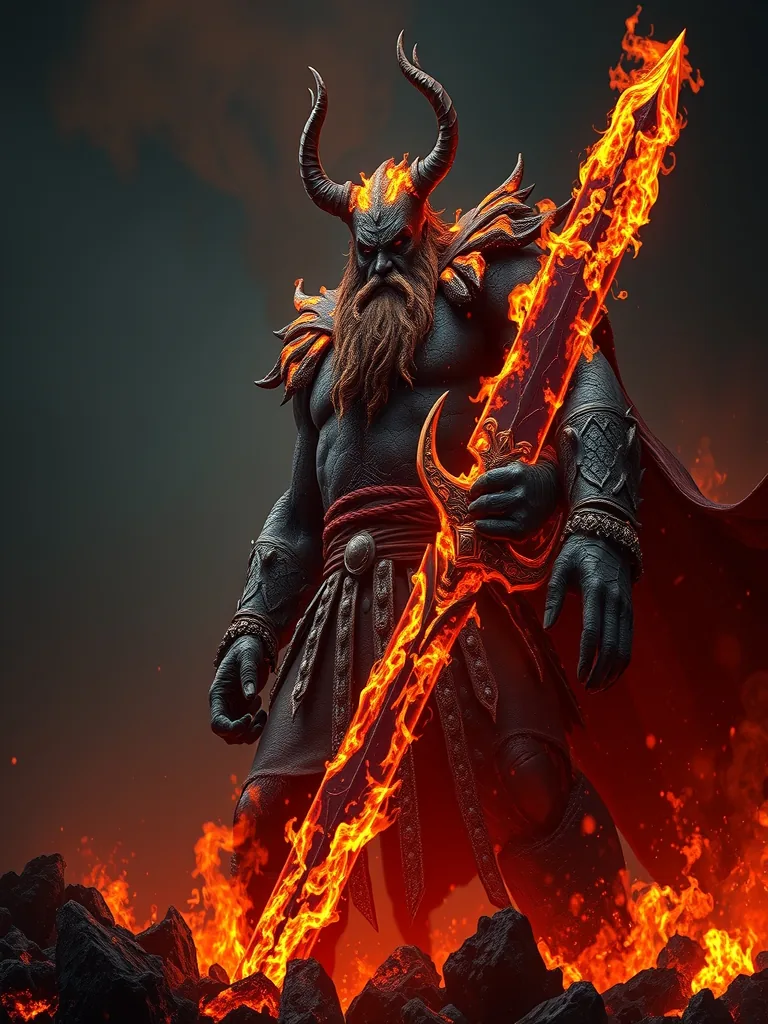
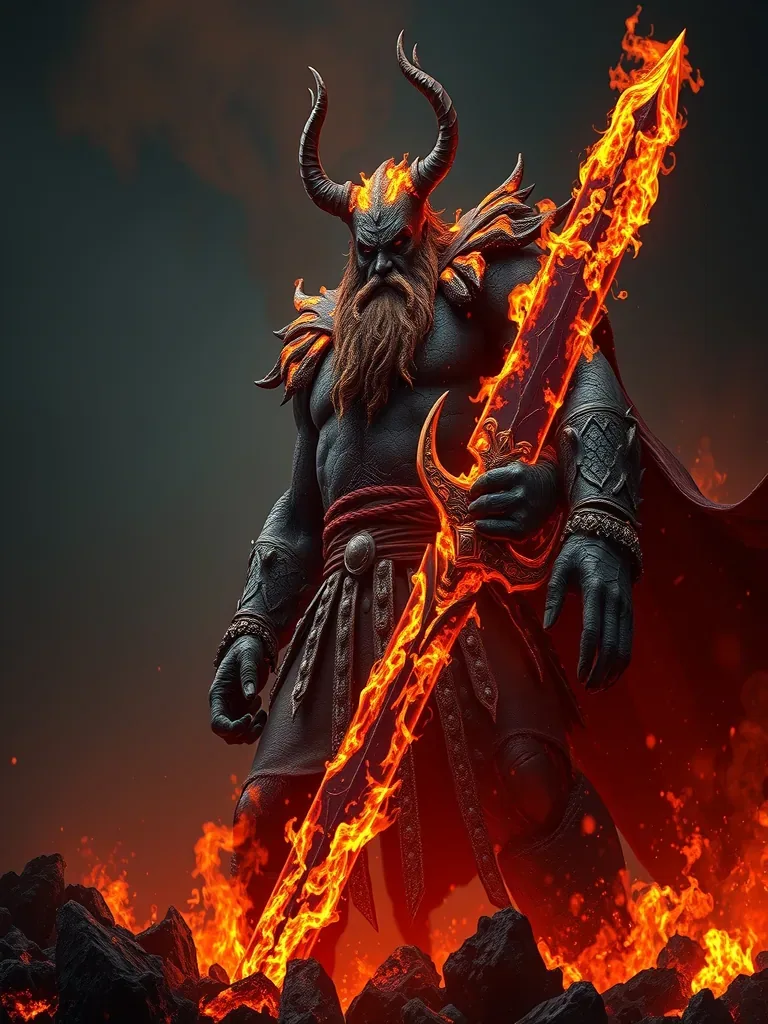
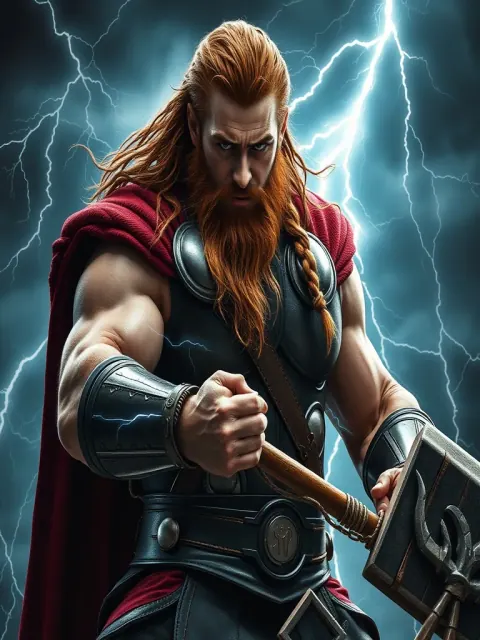
Portrait of Surtr, Norse deity
Norse
Tap or drag
Norse

Surtr

The Fire Giant

Domain
Fire, Destruction & World's End
Alignment
Chaotic Evil
Element
Fire
Relics of Power
Flaming Sword
Speak with Surtr

The full Codex

4 sections of this entry are open to everyone: the summary, the people, the symbols, the lineage and the sources. The other 9 (Name and epithets, In the ancient sources, The myths, Worship and archaeology, How the god was depicted, What scholars debate, After antiquity, Did you know?, Codex relic) are part of the full Codex: PRO opens the whole study of all 500 deities, and without a subscription you can read one full entry a day, just like in the app.

The People

People
Norse & Germanic peoples
Region
Scandinavia & northern Europe
Period
Viking Age, 8th–11th c.

The gods of Asgard were worshipped by the Norse peoples of Scandinavia and by the Germanic tribes, especially during the Viking Age. Warriors sought to die in battle to reach Odin's Valhalla, and the myths were preserved in the Icelandic Eddas. The cult declined with the region's Christianization around the year 1000.

The Norse celebrated blóts, seasonal sacrifices with feasts of meat and mead, such as the Yule of the winter solstice. The great temple at Uppsala, in Sweden, hosted every nine years one of the largest sacrificial festivals of the Viking world.

At a glance

Surtr, also spelled Surt or Surtur, is the fire giant of Norse mythology. The old texts place him in Muspell, the bright, hot world of the south, where he guards the border with a flaming sword. Nearly everything said about him concerns the end of the world: he rides from the south, meets the gods on the plain of Vígríðr and, after the gods have fallen, flings fire over the earth. There is no childhood myth, marriage or individual adventure, and no source read describes a cult of Surtr. This study gathers the Eddic passages and the prose of Snorri Sturluson that were opened and read in this round, points out where translations differ and records the origin of the name of the island Surtsey.

The ancient sources on this deity are scarce. This study gathers only what is on record.

9 min read · Reviewed on October 14, 2026 · How we research

Sacred symbols

The flaming sword, the fire, Muspelheim and the ashes

Sources and further reading

Primary sources

  • Anonymous, The Poetic Edda (Poetic Edda). translation: Henry Adams Bellows. read
  • Anonymous, The Elder Eddas of Saemund Sigfusson (Poetic Edda). translation: Benjamin Thorpe. read
  • Snorri Sturluson, The Younger Edda; Also called Snorre's Edda, or The Prose Edda. translation: Rasmus B. Anderson. read
  • Snorri Sturluson, Edda Snorra Sturlusonar, Gylfaginning (Old Norse, edition by Guðni Jónsson). read
  • Snorri Sturluson, Skáldskaparmál (Old Norse, heimskringla.no). read

Studies

  • Deborah Byrd e Shireen Gonzaga, Surtsey, volcanic island, emerged in 1963 (EarthSky). 2021. open

Name and epithets

The name Surtr appears in different forms depending on the language of the edition: Surtr in Old Norse, Surt in the translations by Bellows and Anderson, Surtur in Thorpe and in the English versions of Snorri.

In the ancient sources

Poetic Edda, Völuspá, date of the poem uncertain. Surt comes from the south with fire, his sword shines like the sun of the gods, and later the slayer of Beli seeks him out in combat.

The myths

The guardian of Muspell. In the Gylfaginning, when Gangleri asks how the world began, the third speaker tells him that before everything there existed in the south the world called Muspell.

Worship and archaeology

None of the sources read describes a temple, sacrifice, invocation or feast dedicated to Surtr. In the open passages he appears only as the power of Muspell at the end of the world, and these texts are poems and mythogr…

How the god was depicted

The sources read give Surtr a sharply defined verbal image: the flaming sword he carries in his hand in Muspell, the fire that burns before and behind him as he rides, and the blade that shines brighter than the sun.

What scholars debate

How to translate Surt's fire. The line in which Surt comes from the south in Old Norse is read by Snorri in the Gylfaginning with the phrase sviga lævi.

After antiquity

The name of Surtr lives on in geography: Surtsey, a volcanic island about 32 km off the south coast of Iceland, rose from the sea on 14 November 1963 and was named in reference to the fire giant.

Did you know?

In Fáfnismál 14-15, Sigurd's question centers on an island. In the two poems read, the gods' battlefield receives different names, Vígríðr and Óskópnir, and Bellows supposes they are the same place.

Codex relic

Flaming Sword. The blade brighter than the sun with which he will set the nine worlds ablaze at the end of time.

The rest of this scroll is sealed

The legends, the myth, the cult and relics are part of the full Codex. You can open 1 full entry for free every day; to open all 500 deities with no limits and no ads, subscribe to Codex PRO.

See Codex PROGet it on Google Play

From the same pantheon

View pantheon