CMCodex
Back to the Codex
Loki
Norse

Loki

The Trickster of Asgard

Domain
Trickery & Chaos
Alignment
Chaotic Evil
Element
Darkness
Relics of Power
Scepter of Illusion
Speak with Loki

The People

People
Norse & Germanic peoples
Region
Scandinavia & northern Europe
Period
Viking Age, 8th–11th c.

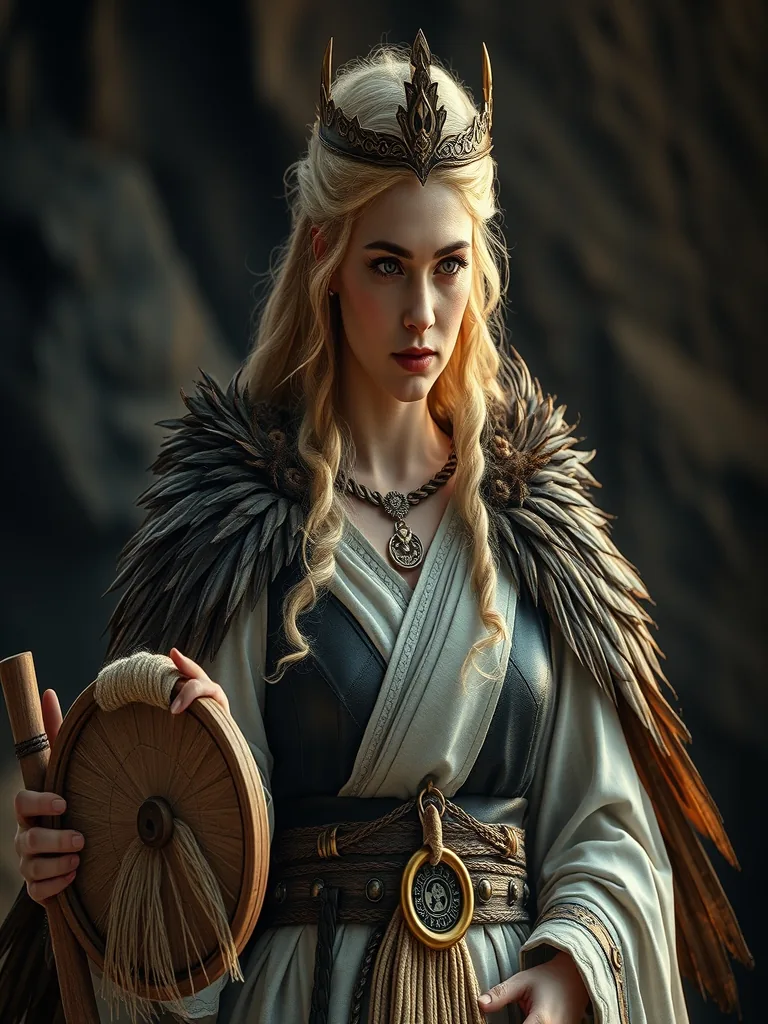
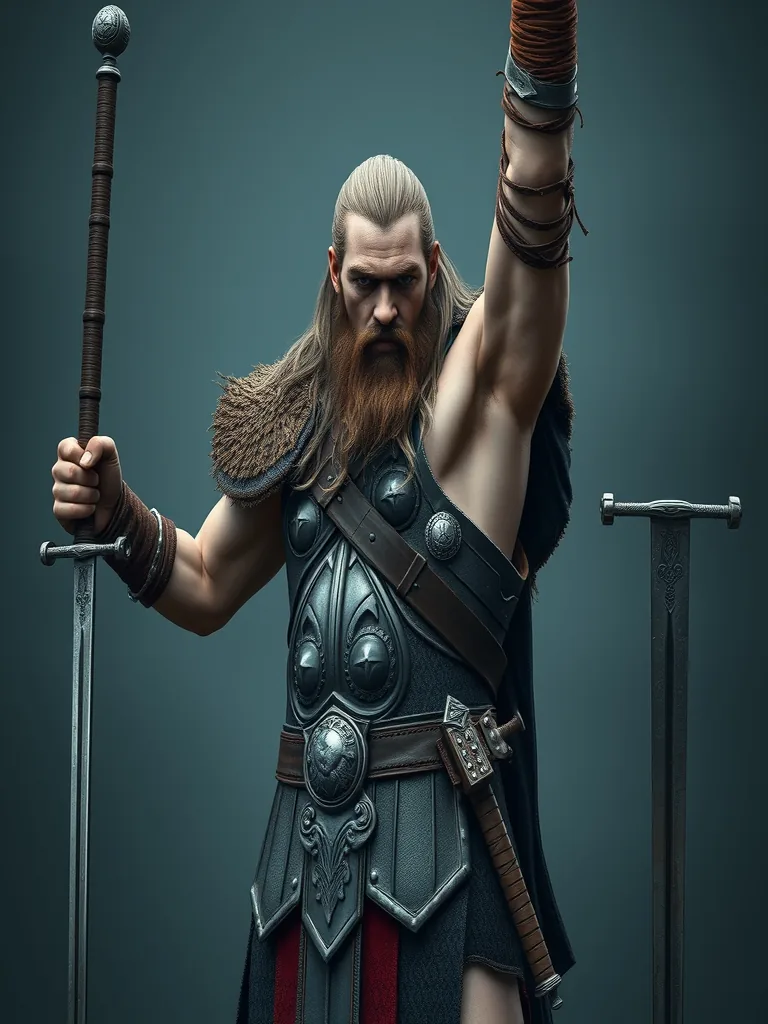
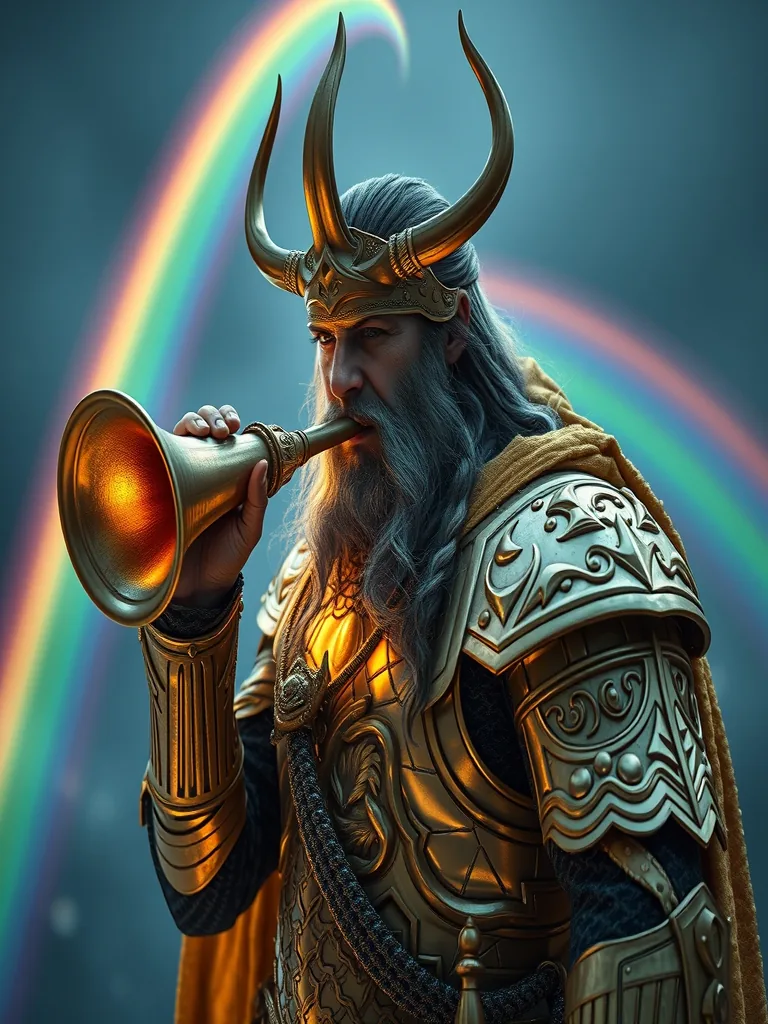
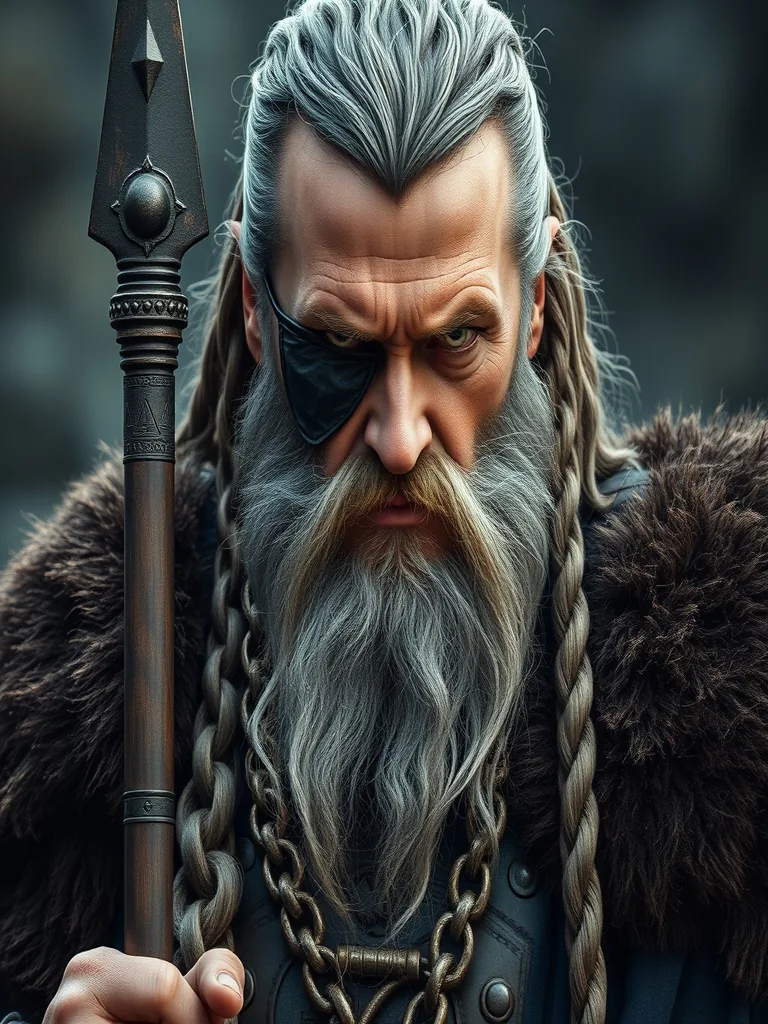
The gods of Asgard were worshipped by the Norse peoples of Scandinavia and by the Germanic tribes, especially during the Viking Age. Warriors sought to die in battle to reach Odin's Valhalla, and the myths were preserved in the Icelandic Eddas. The cult declined with the region's Christianization around the year 1000.

The Norse celebrated blóts, seasonal sacrifices with feasts of meat and mead, such as the Yule of the winter solstice. The great temple at Uppsala, in Sweden, hosted every nine years one of the largest sacrificial festivals of the Viking world.
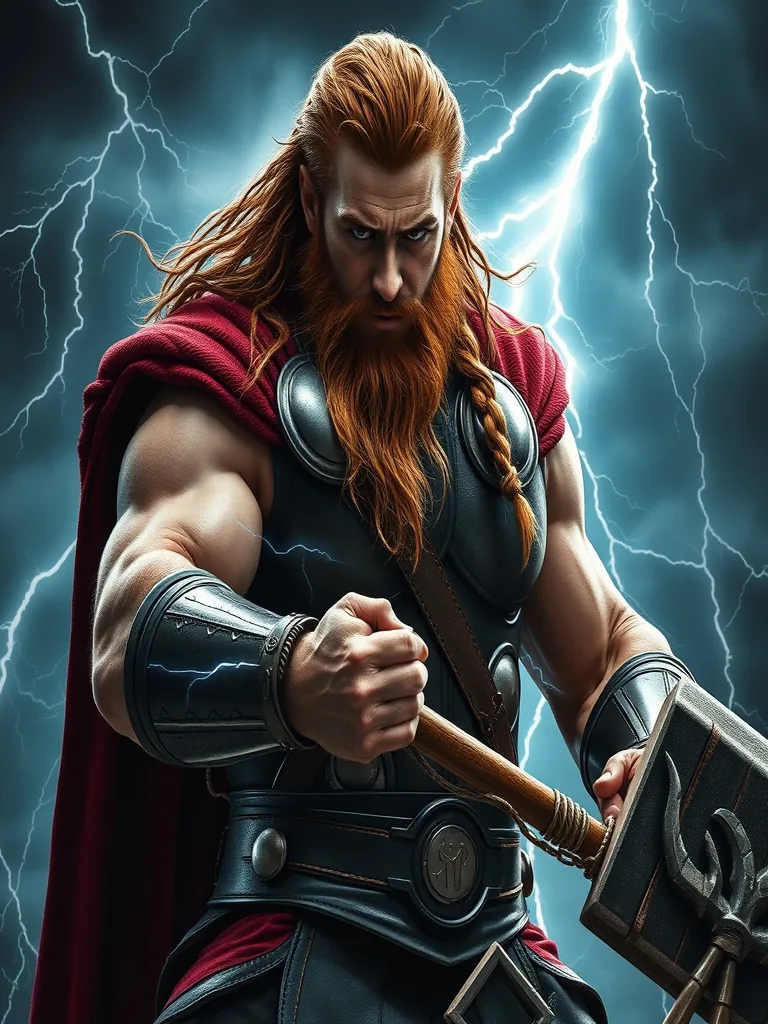
The Sacred Scrolls

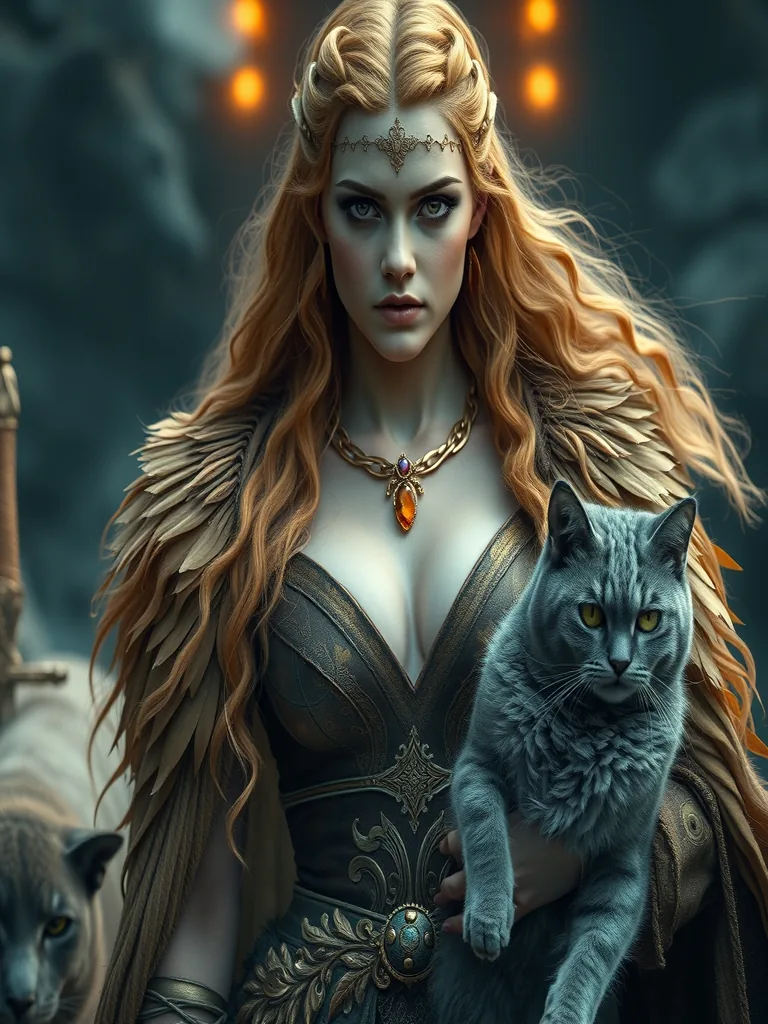
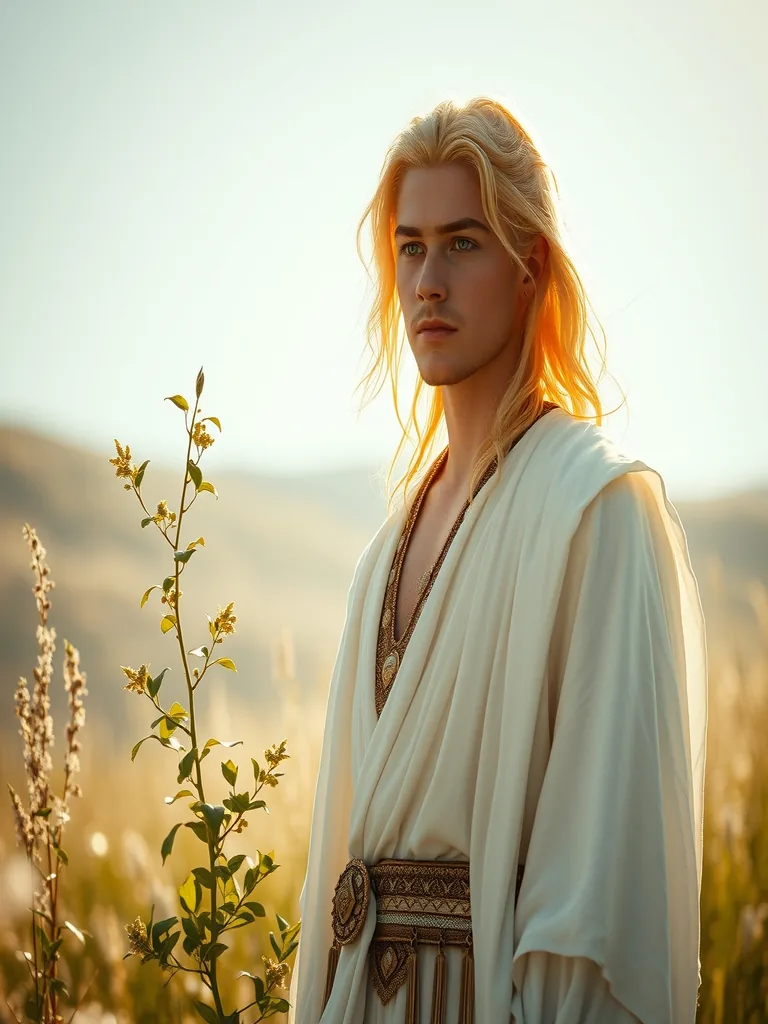
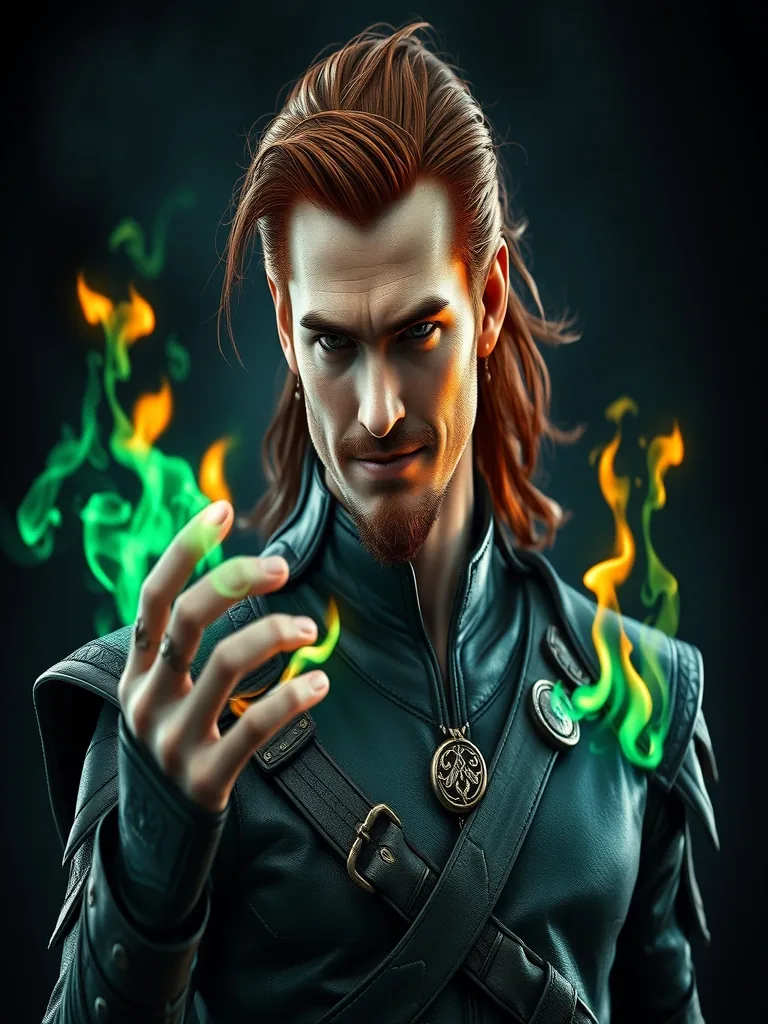
Giant adopted in Asgard, Loki is the god of intrigue and change. His tricks amuse, but also trigger Ragnarok. As The Trickster of Asgard, this deity occupies a position of supreme prestige in the nórdicos pantheon. Their domains over Trickery & Chaos reflect ancestral cosmic order maintained across millennia. In classical iconography, they are depicted with an aura of unshakeable majesty and sacred attributes that inspired reverence in emperors and peasants alike. Their influence extended beyond earthly boundaries, governing fates and harmony between the visible and invisible worlds. For ancient devotees, contemplating their essence was to understand the very fundamental forces of nature and human existence.

Sacred Symbols

Serpent, fishing net, flames and shifting shapes

Divine Lineage

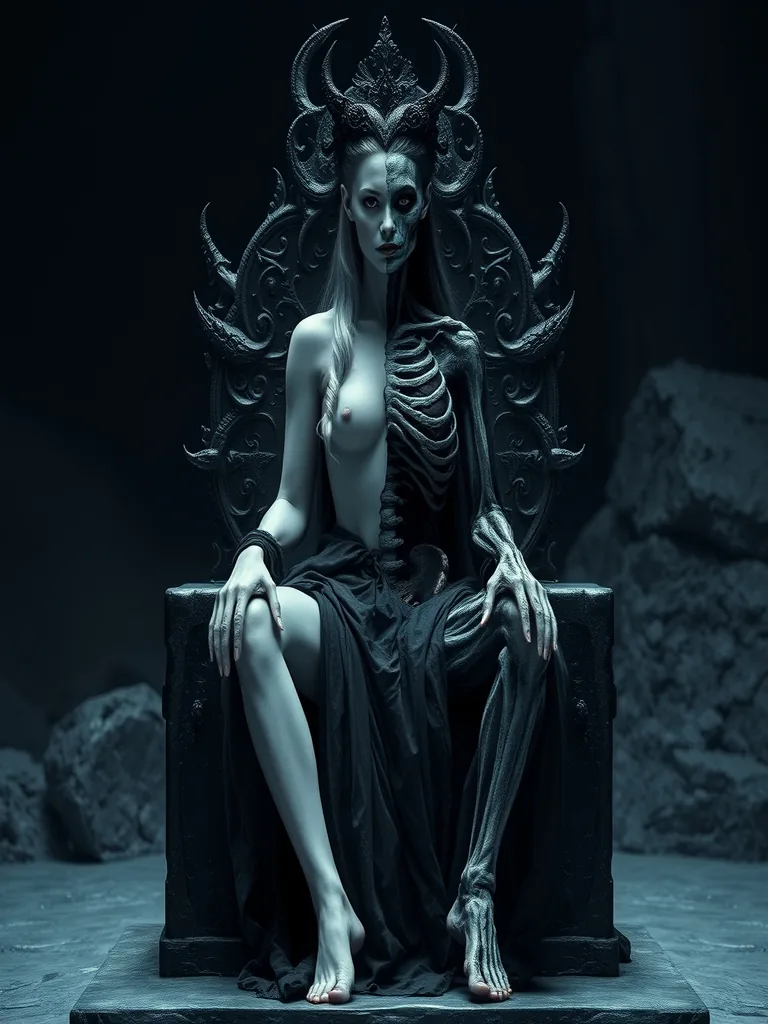
Son of the giants Fárbauti and Laufey; father of Fenrir, Jörmungandr and Hel; and mother of the steed Sleipnir.

The Legendary Myth

He caused Baldur's death by guiding the blind Höðr to throw a dart of mistletoe. As punishment, he was chained beneath a serpent whose venom drips on his face until Ragnarok.

Legends & Deeds

A celebrated secondary legend preserved in the oral traditions of the nórdicos recounts the journey when Loki intervened directly in the lives of mortals.

Cult & Worship

Historically, the cult of Loki occupied a central place in the religious and architectural calendar of antiquity.

Relics of Power

A runic scepter that distorts visual reality, generating perfect clones.

Did You Know?

He turned into a mare to distract a stallion and, from that union, gave birth to Sleipnir, Odin's eight-legged steed.

The rest of this scroll is sealed

The myth, the legends, the cult, the relic and the curiosity are part of the full Codex. Without a subscription you open 3 scrolls a day.

See Codex PRO

From the same pantheon

View pantheon