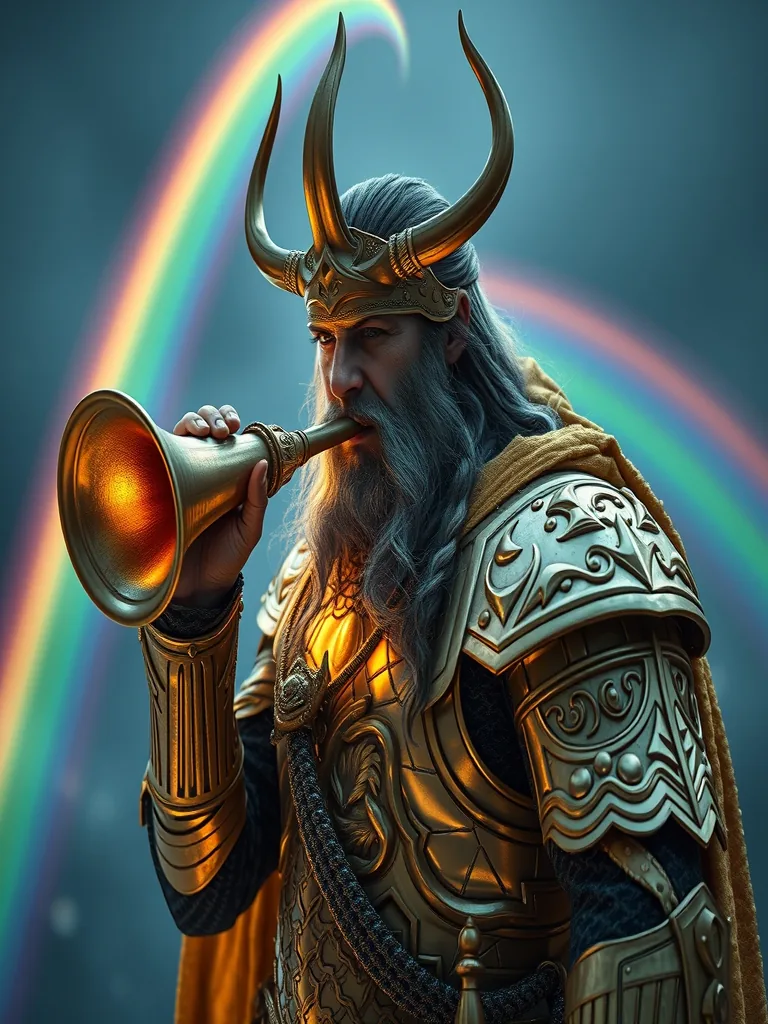
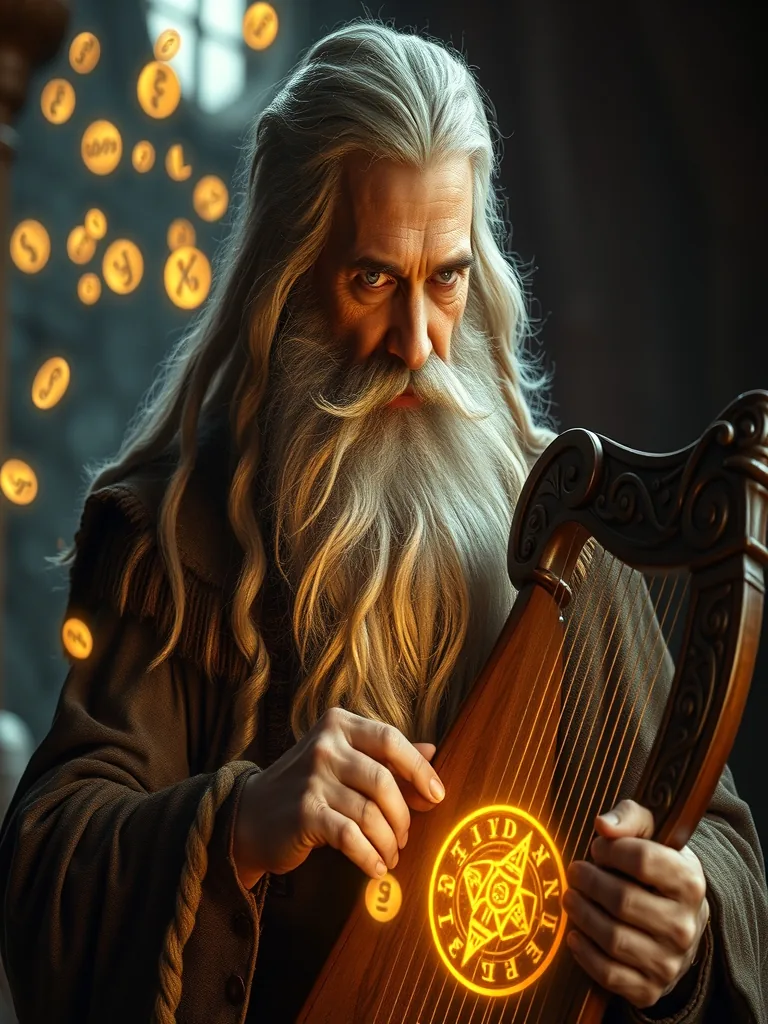
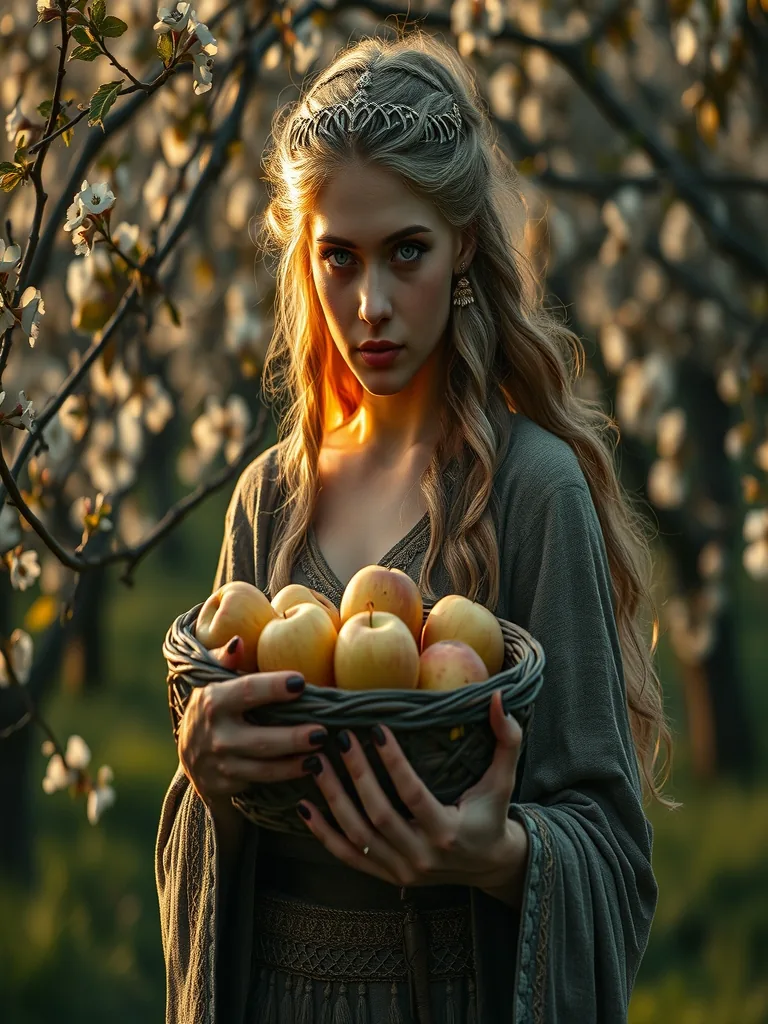
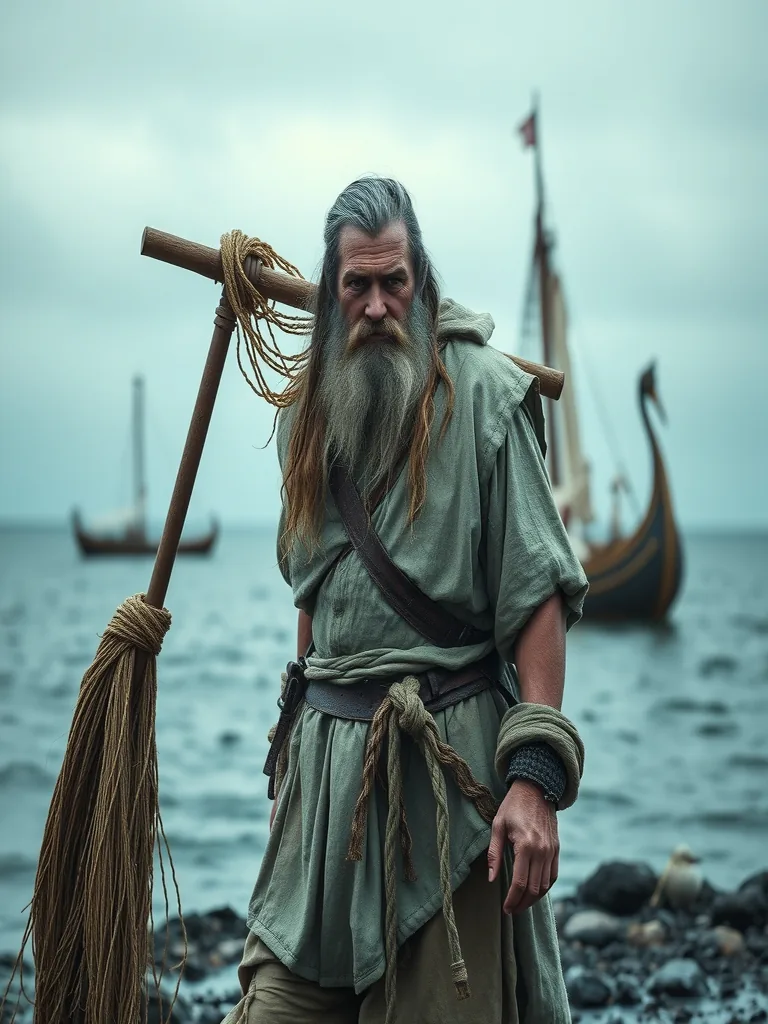
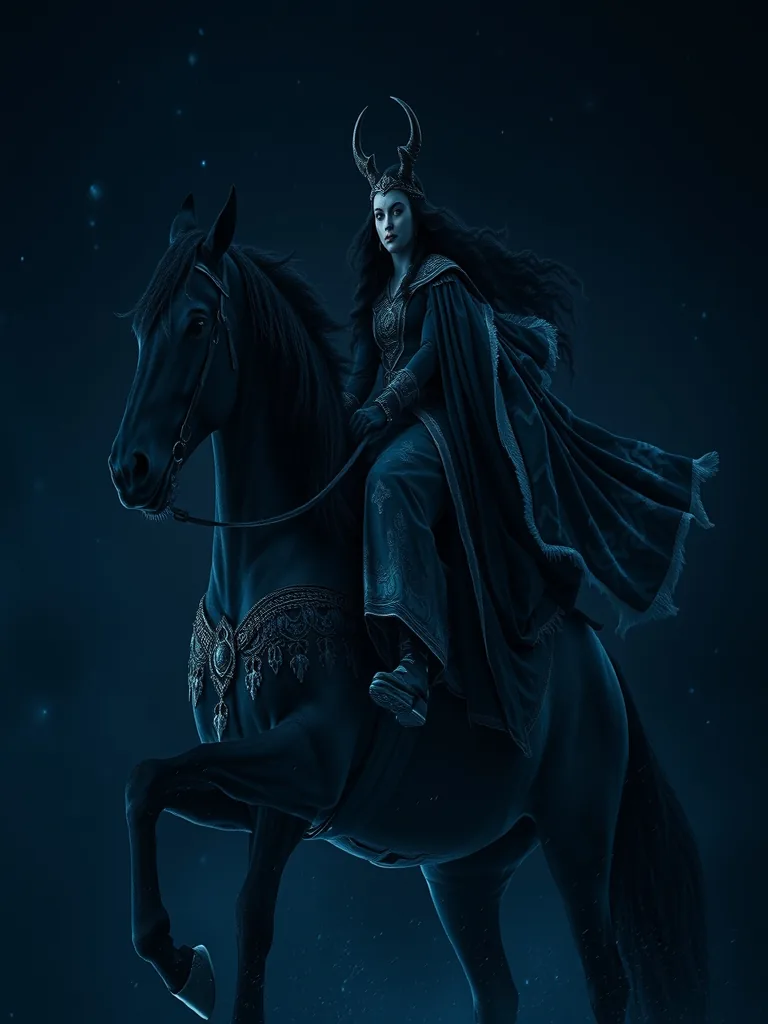
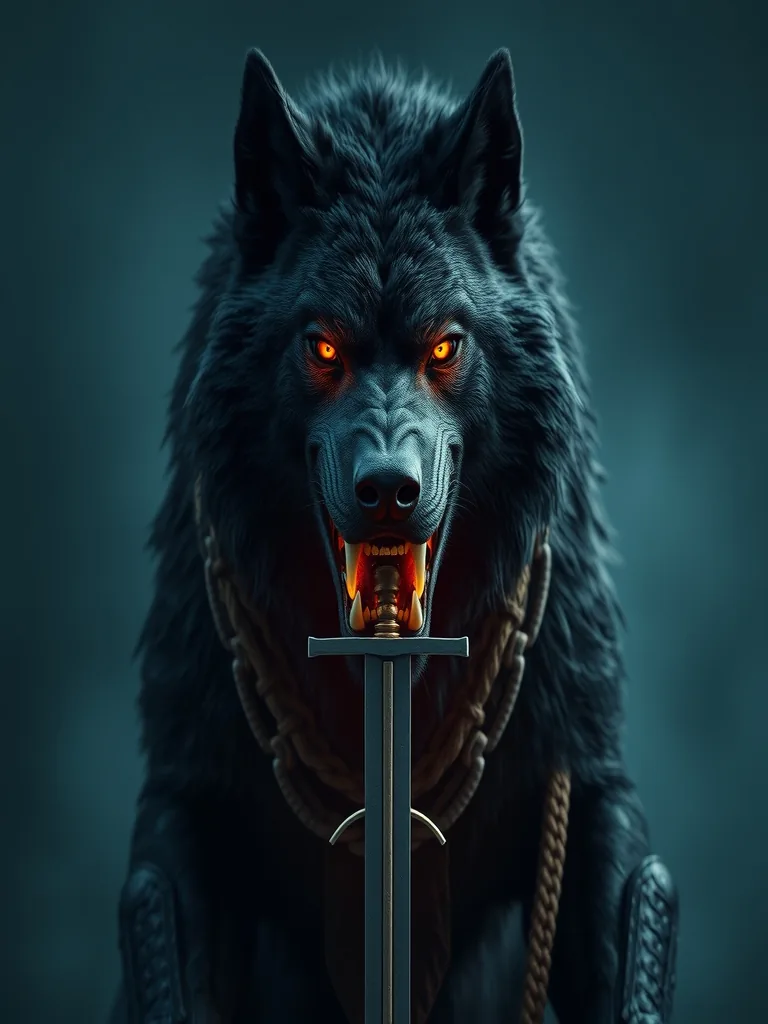
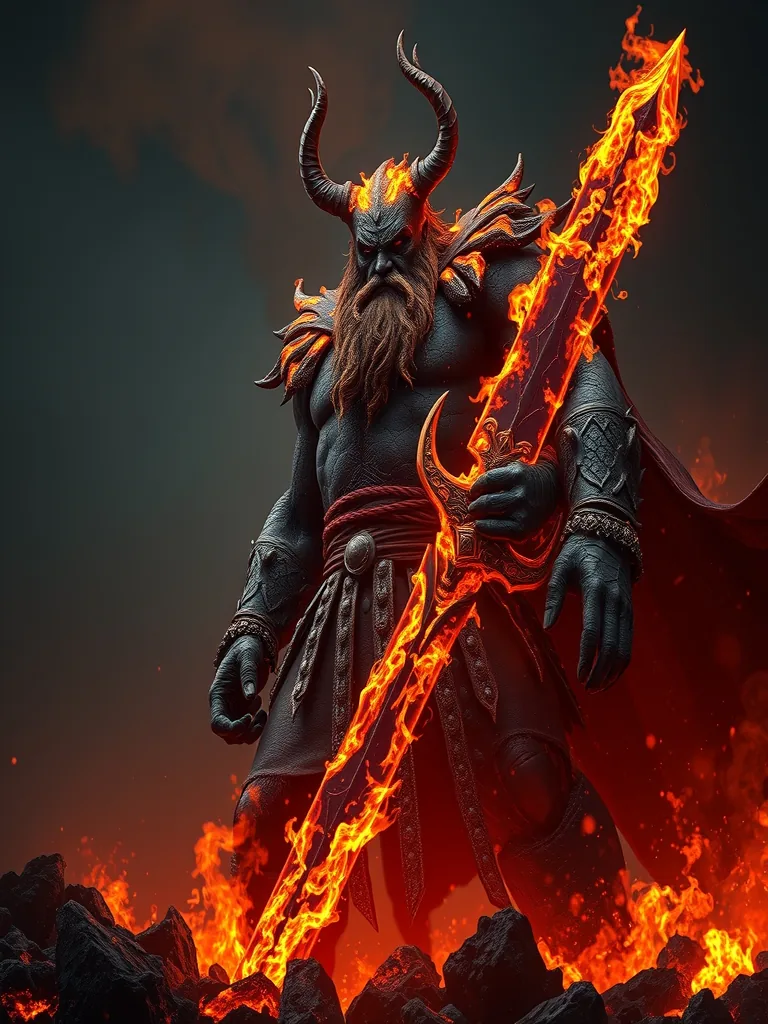
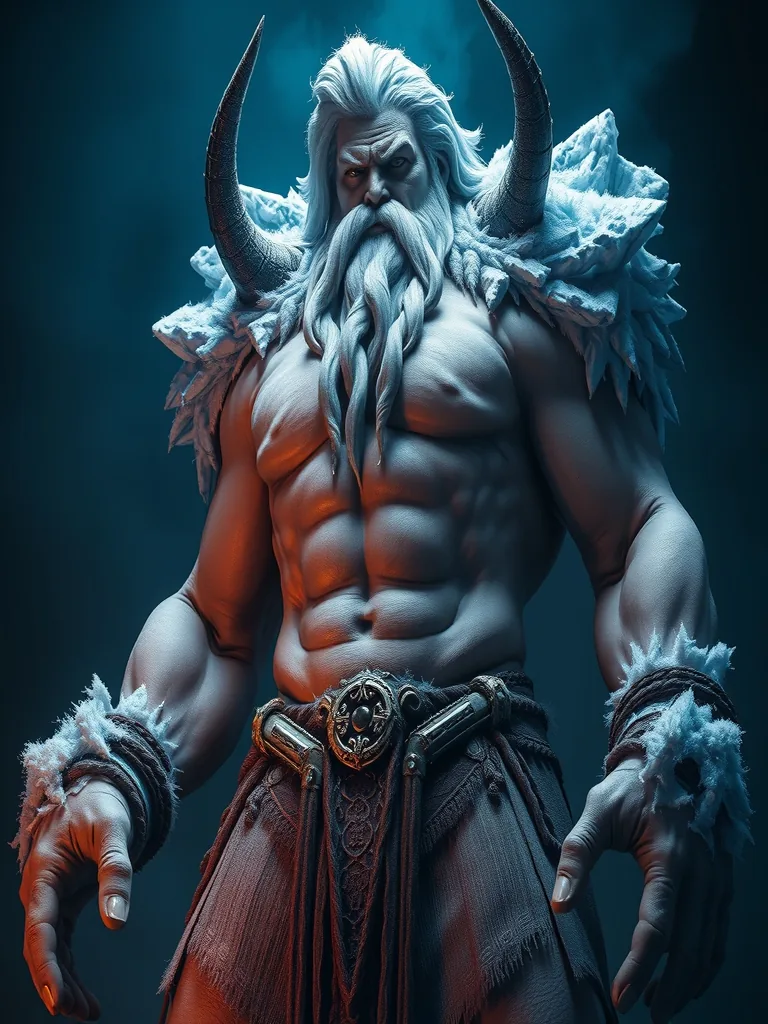
Norse
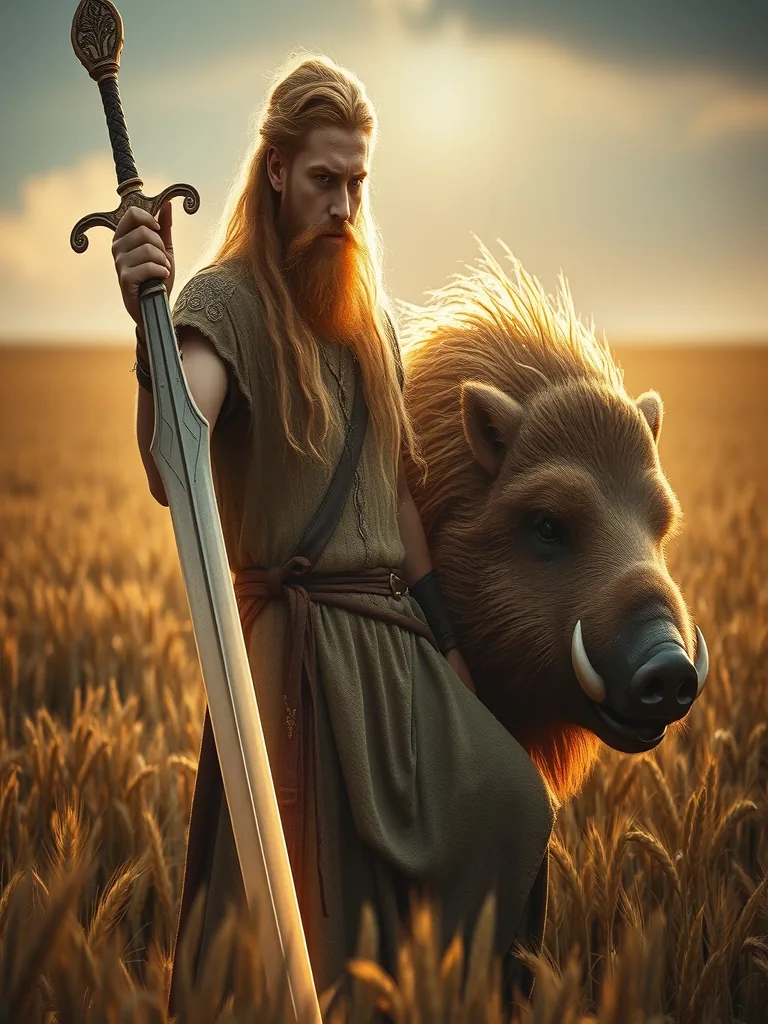
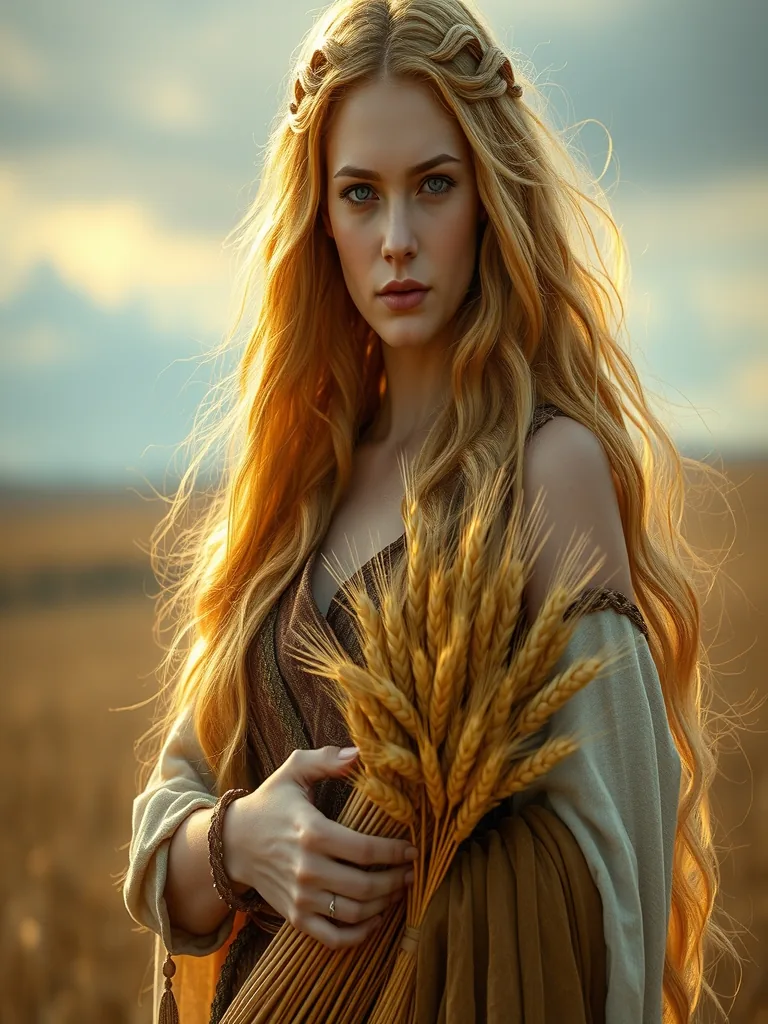
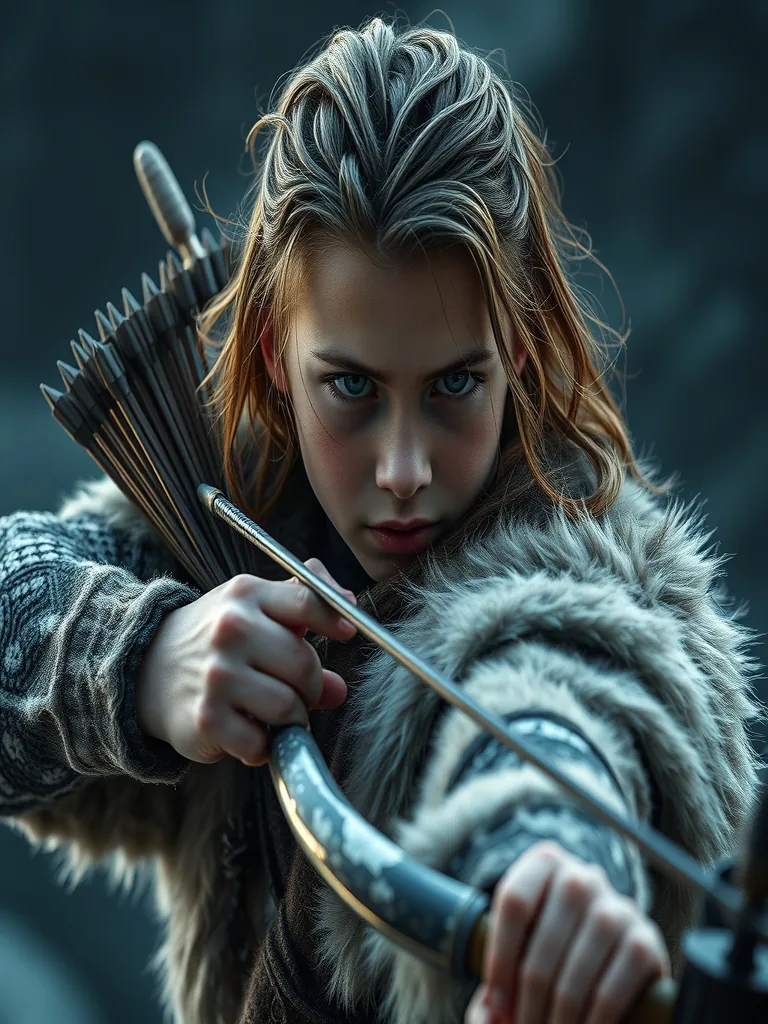
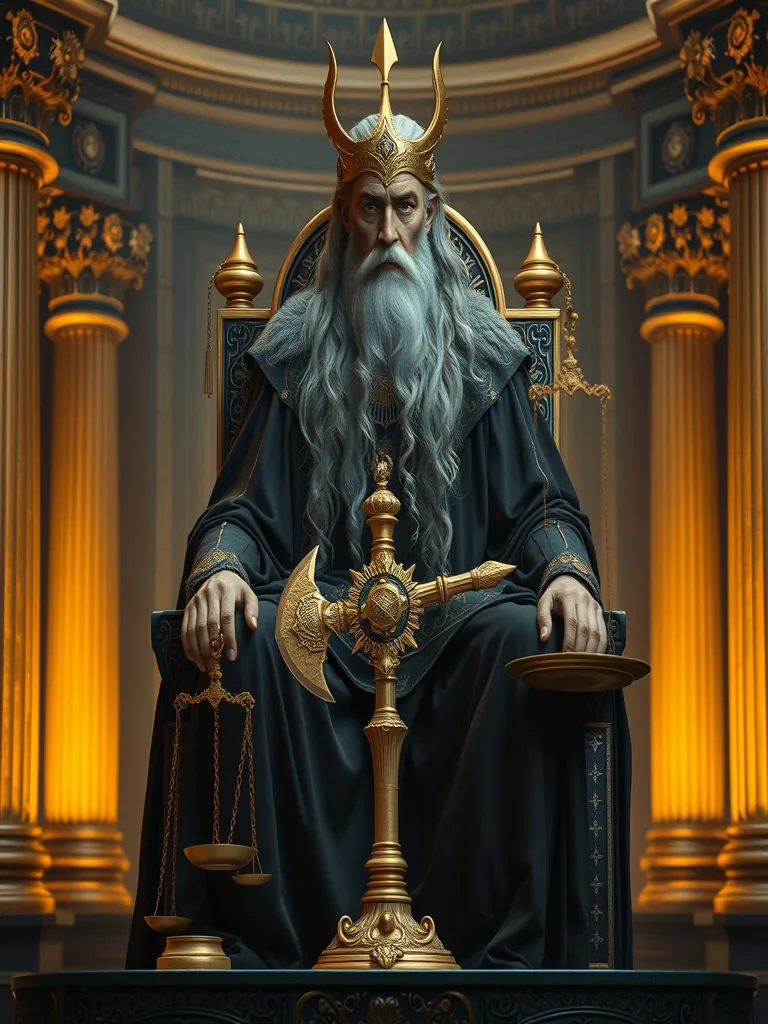
36 deities of this pantheon
Origin, Worldview and Mythology of the Norse
Sacred tradition associated with the Norse & Germanic peoples
Origin and Mythological Worldview
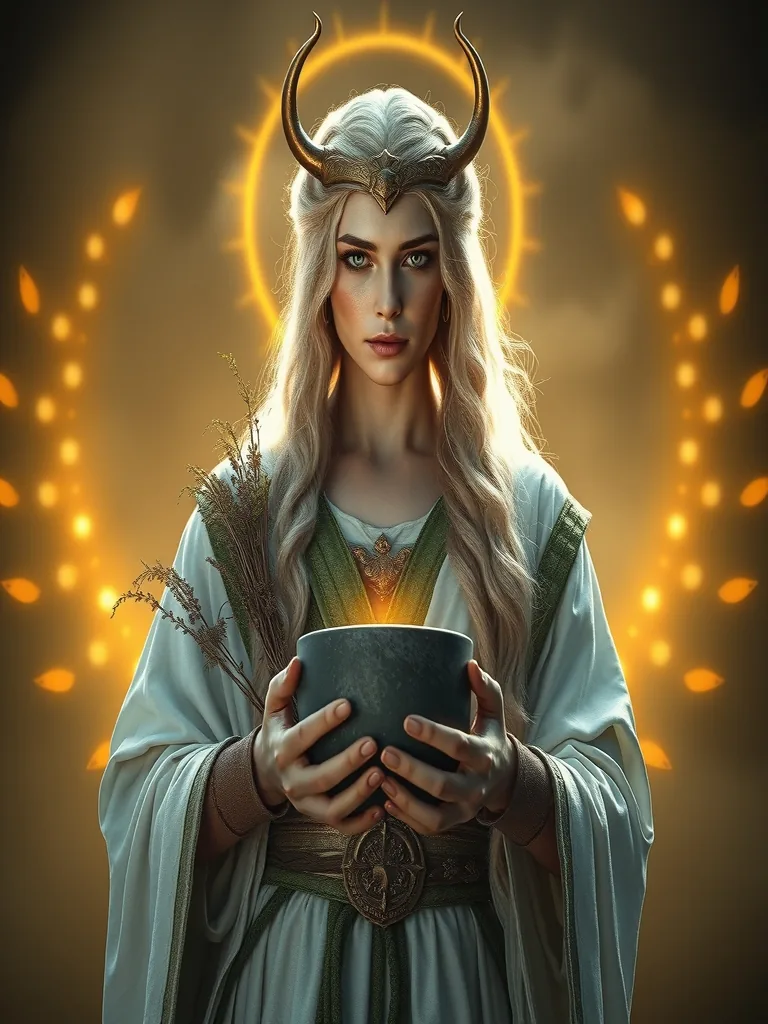
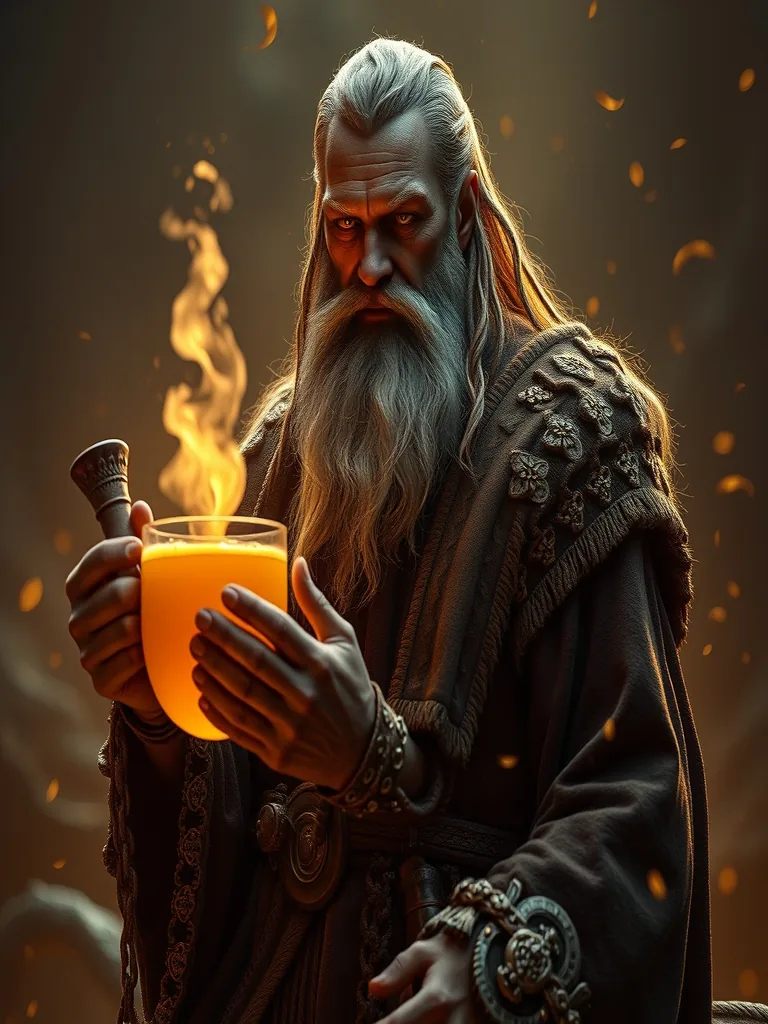
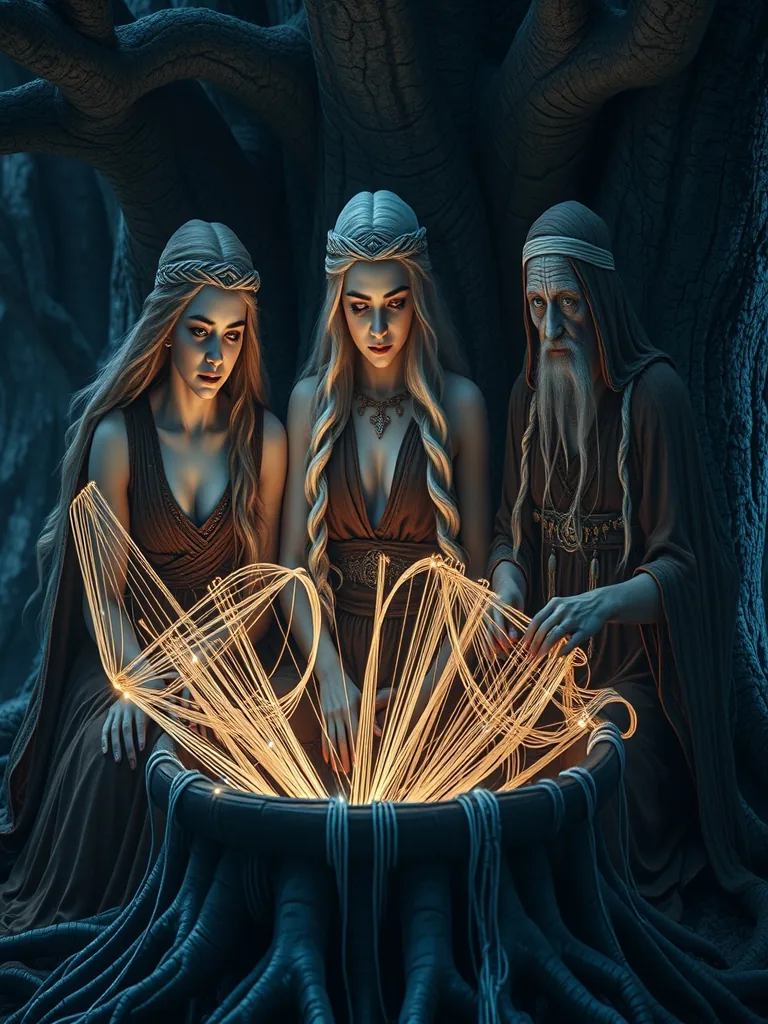
The gods of Asgard were worshipped by the Norse peoples of Scandinavia and by the Germanic tribes, especially during the Viking Age. Warriors sought to die in battle to reach Odin's Valhalla, and the myths were preserved in the Icelandic Eddas. The cult declined with the region's Christianization around the year 1000.
The sacred stories of this pantheon anchored the moral and civic foundation of ancient settlements, establishing rites of passage, seasonal liturgies, and explanations for terrestrial and celestial cycles.
Principal Deities and Central Figures
Among the 36 deities cataloged in the Codex for this pantheon, several figures hold preeminent standing across cosmic domains and civic life:
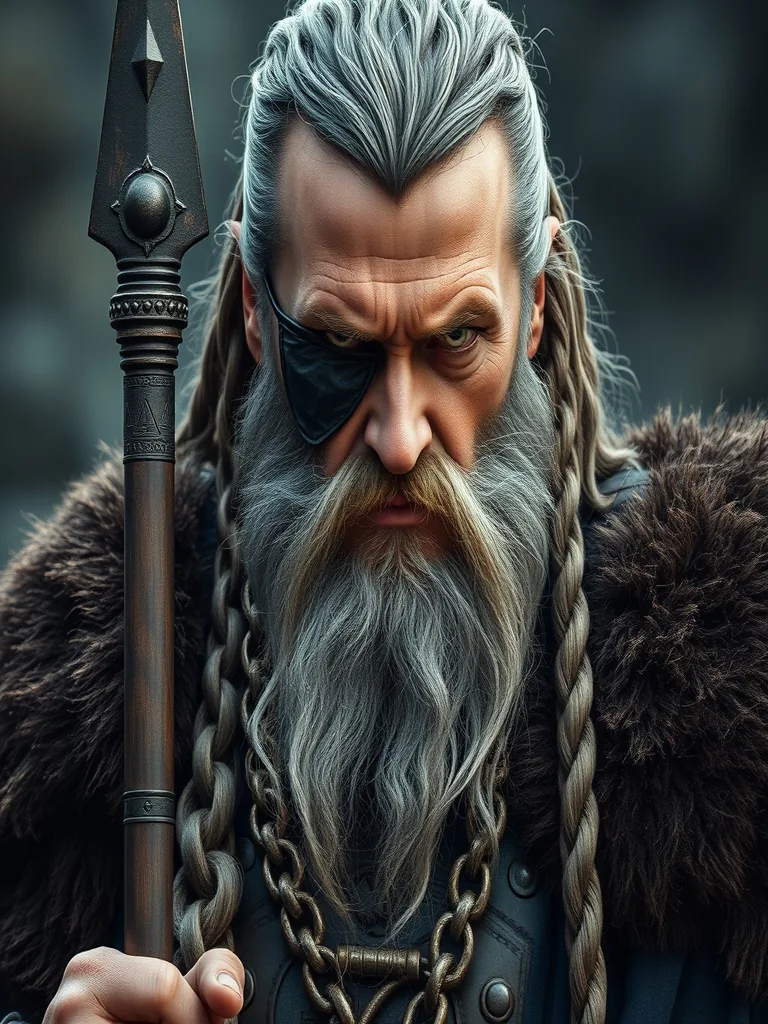
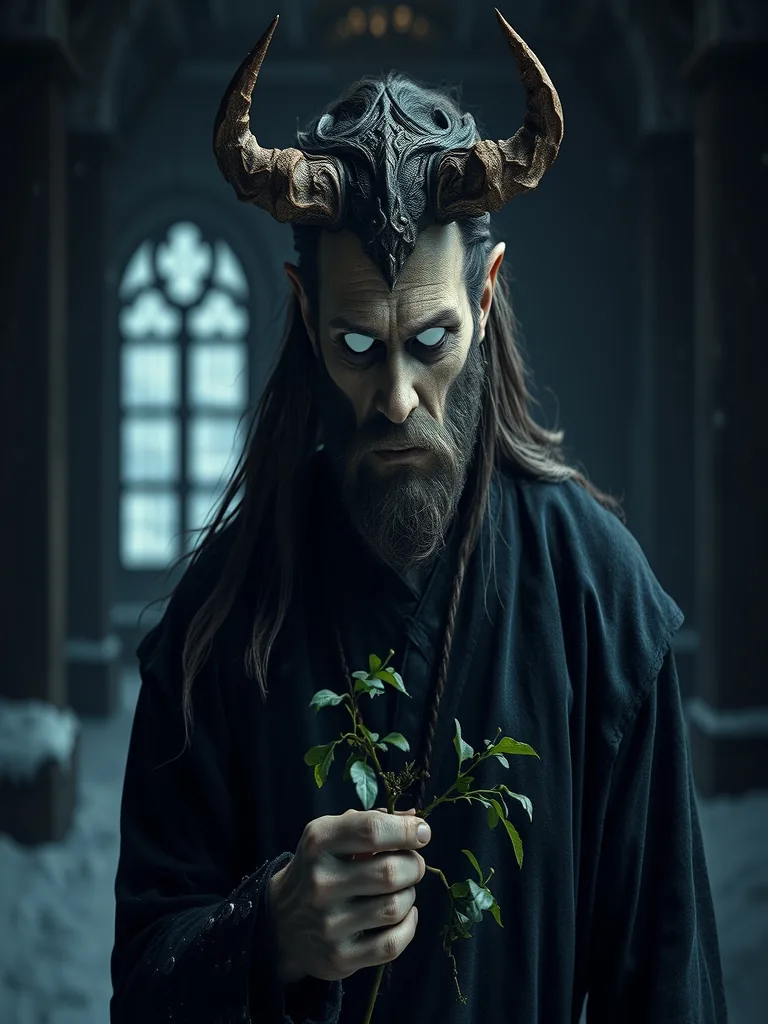
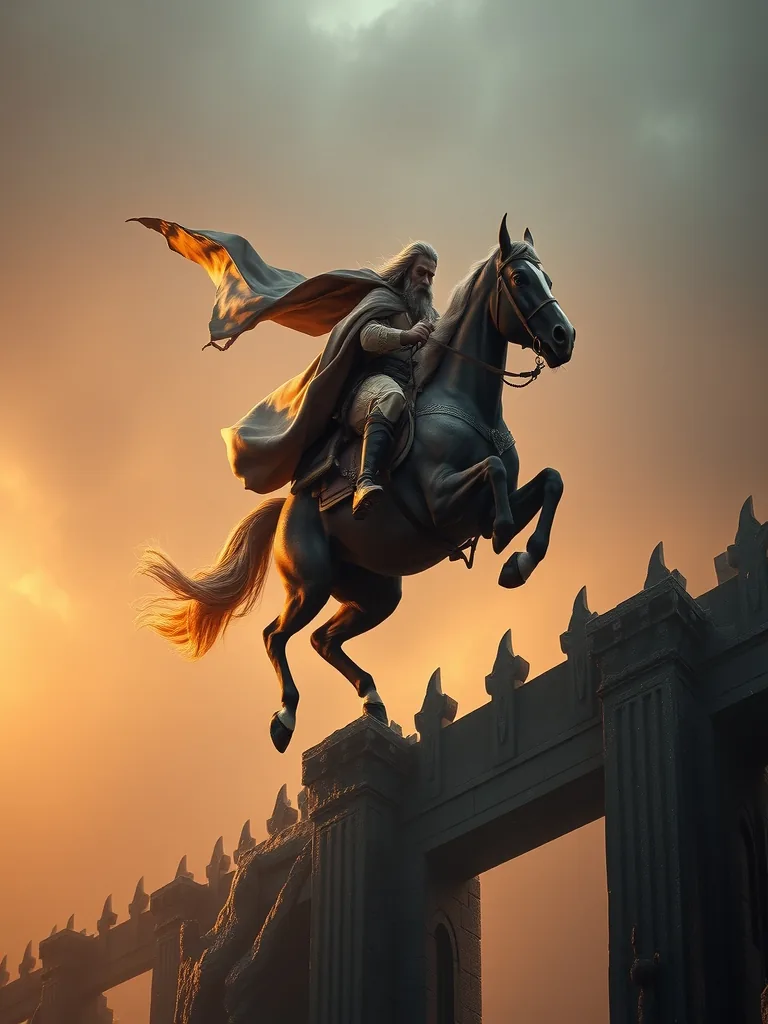
- Odin — Wisdom & Sorcery
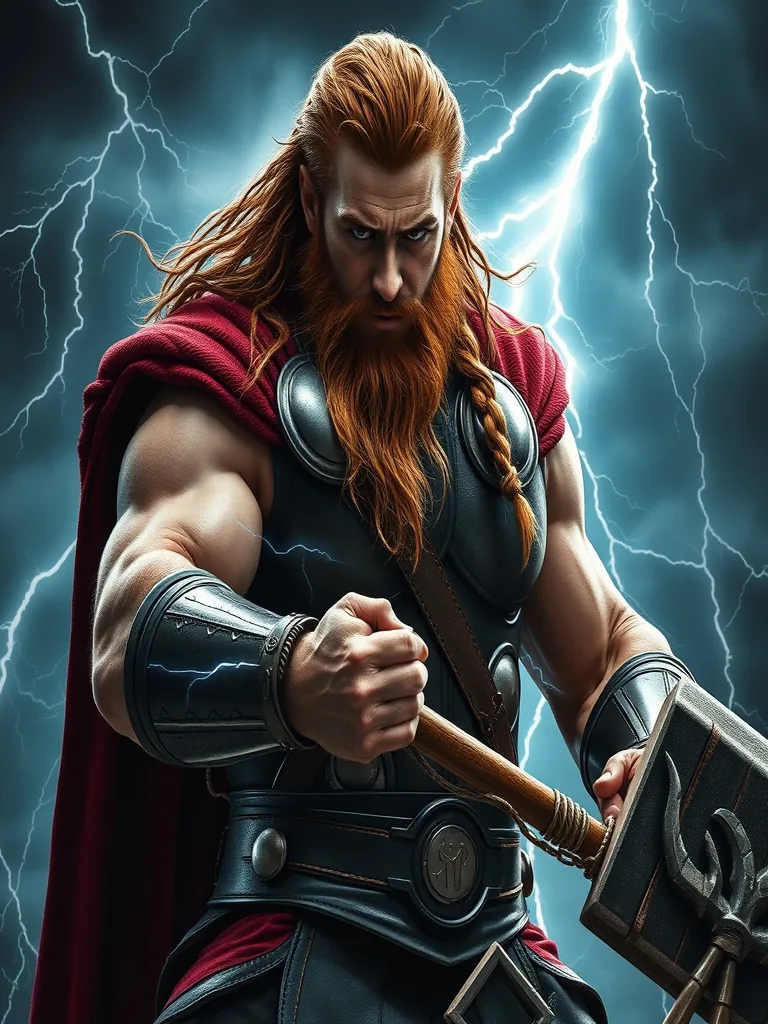
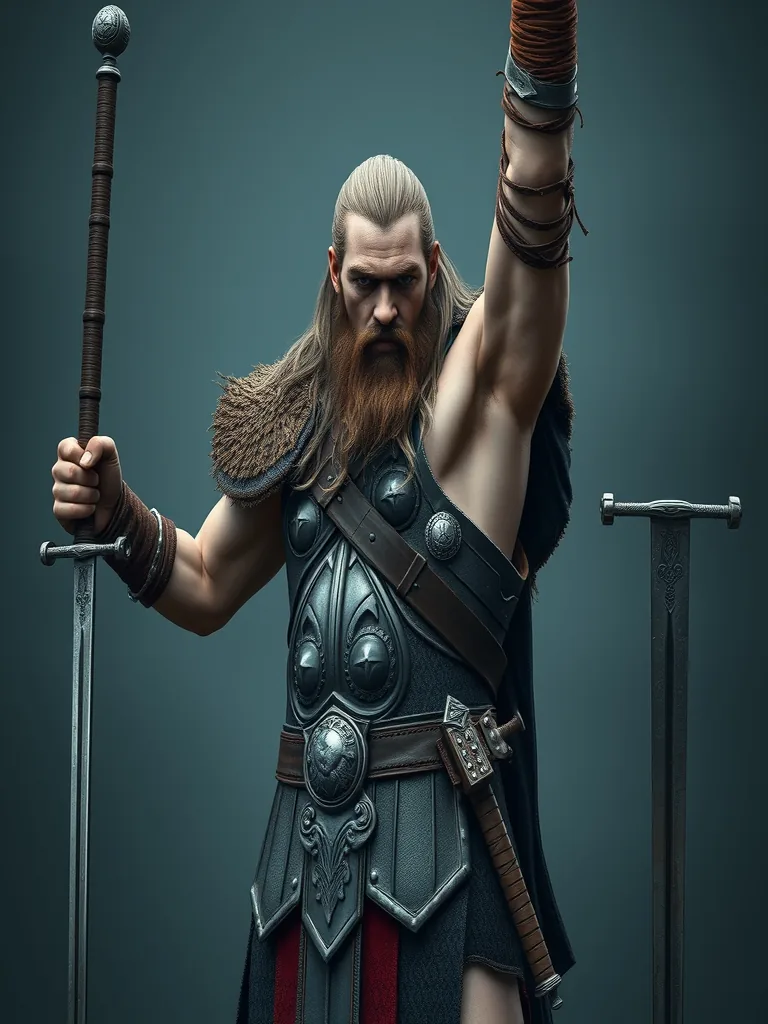
- Thor — Thunder & Strength
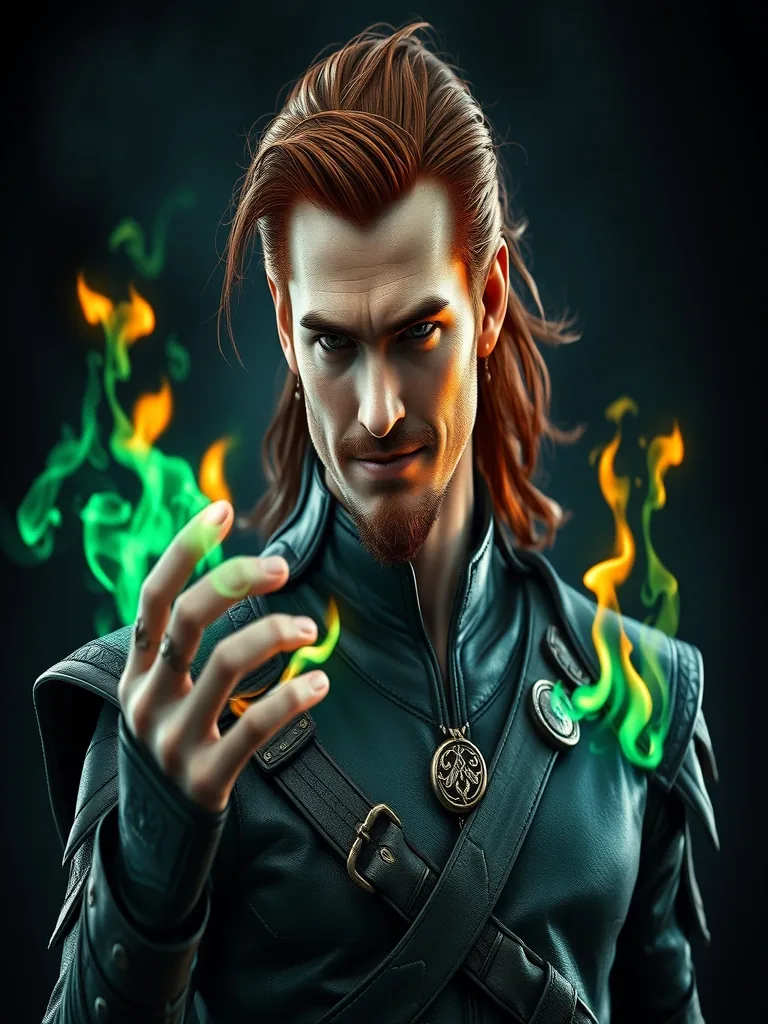
- Loki — Trickery & Chaos
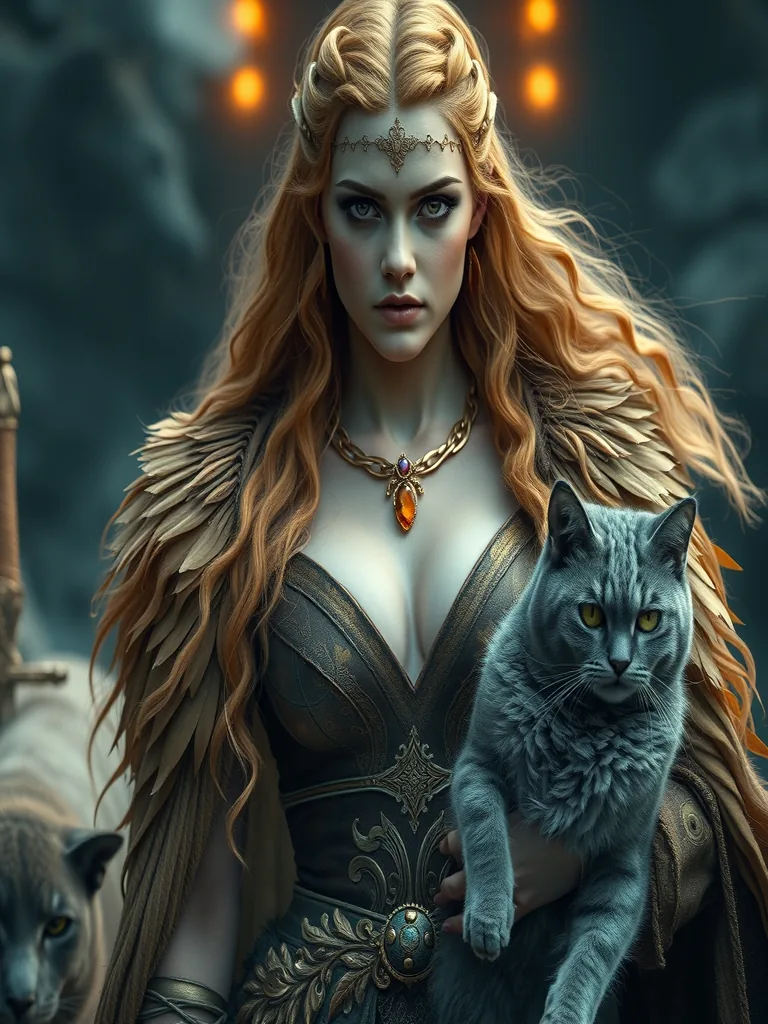
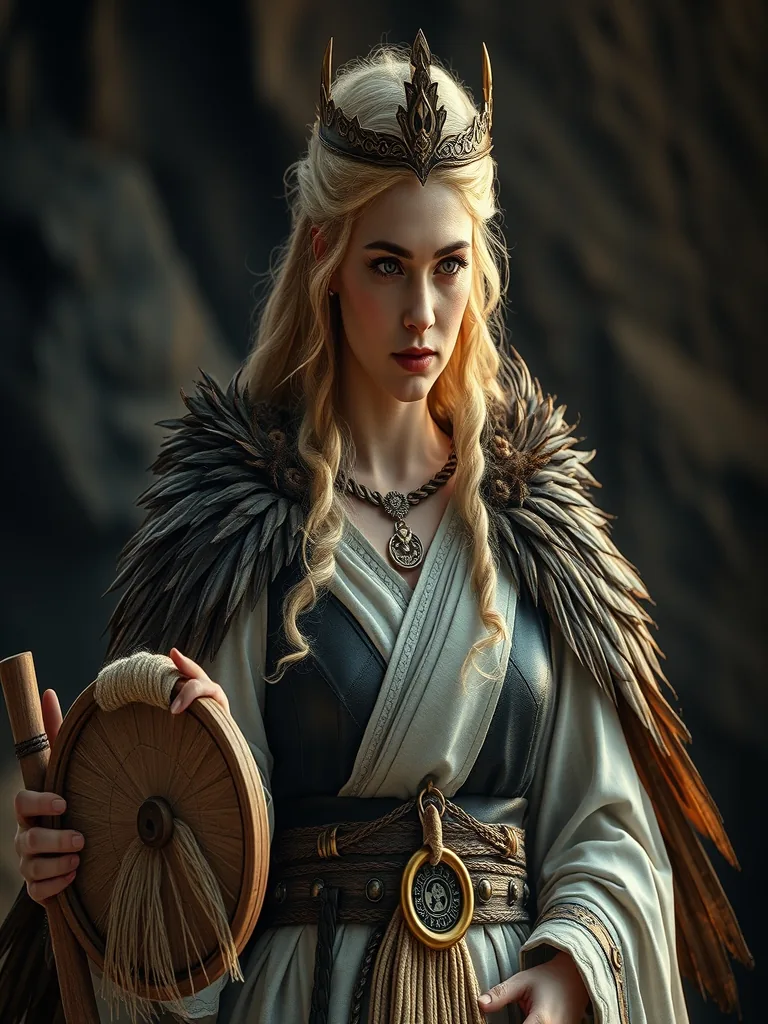
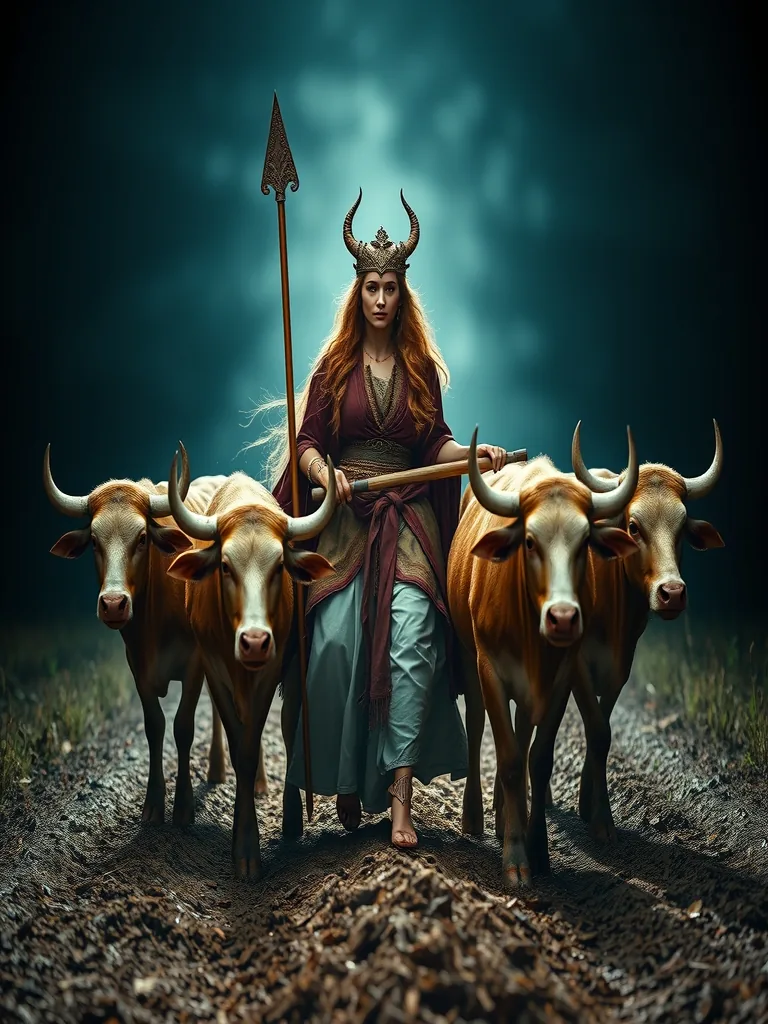
- Freya — Love & Sorcery
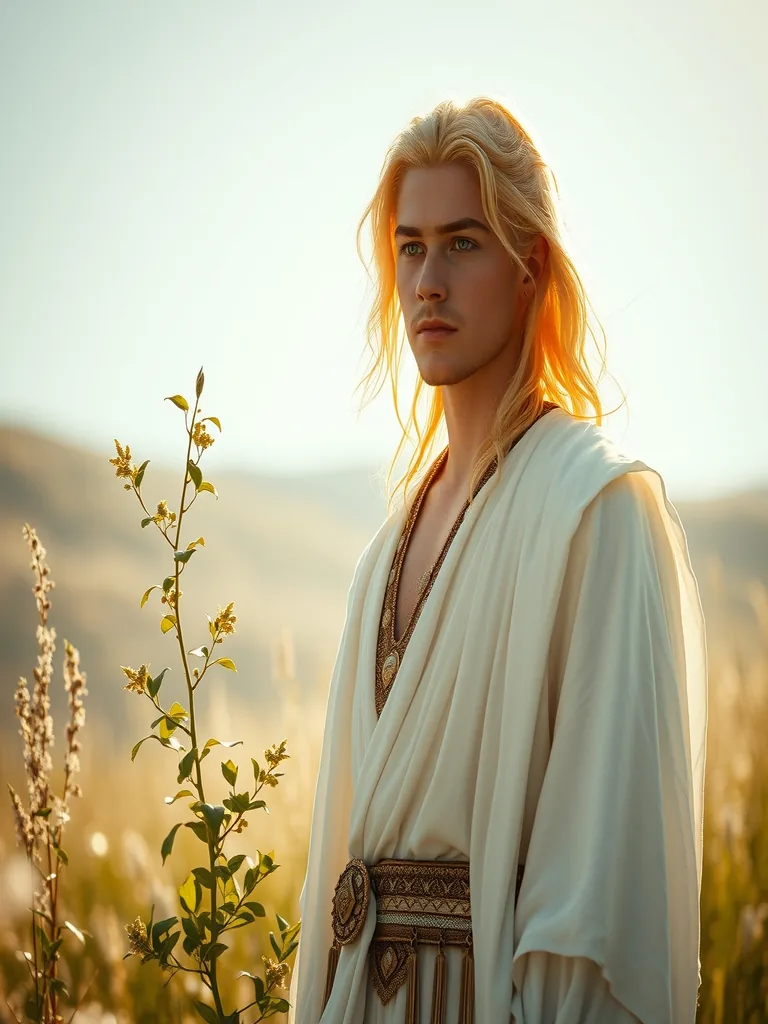
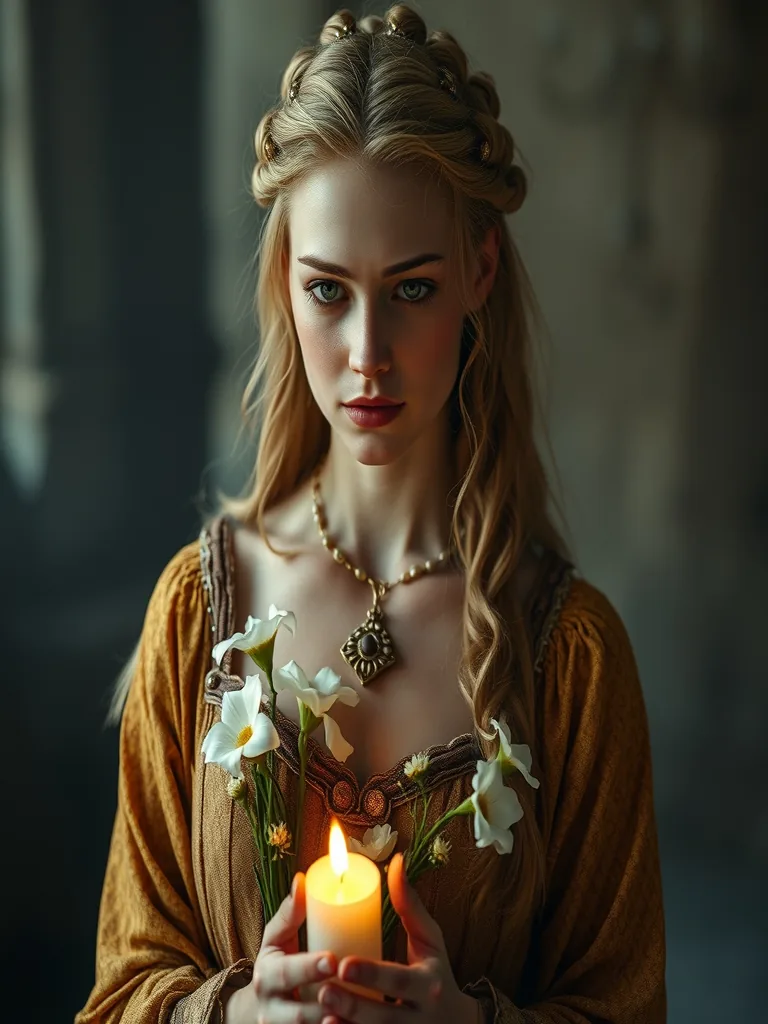
- Baldur — Light & Purity
Temples, Ritual Practices and Cult
The Norse celebrated blóts, seasonal sacrifices with feasts of meat and mead, such as the Yule of the winter solstice. The great temple at Uppsala, in Sweden, hosted every nine years one of the largest sacrificial festivals of the Viking world.
Priests and traditional lorekeepers guarded the continuity of sacred hymns and divine genealogies, ensuring the benevolence of the gods for agricultural fertility, social harmony, and communal protection.
36 deities