Skip to content
CodexMythologia
Back to the Codex
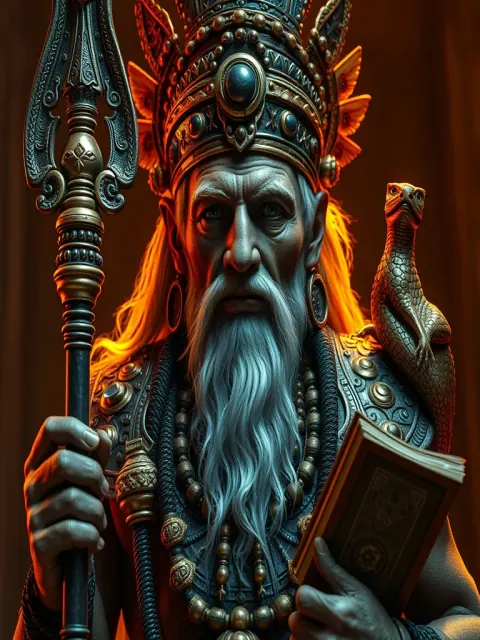
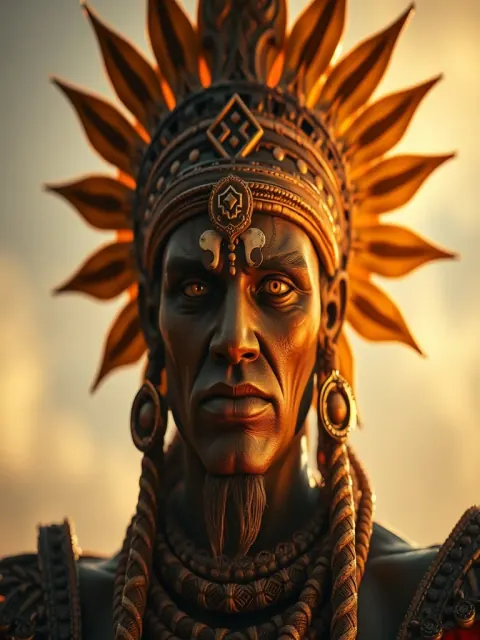
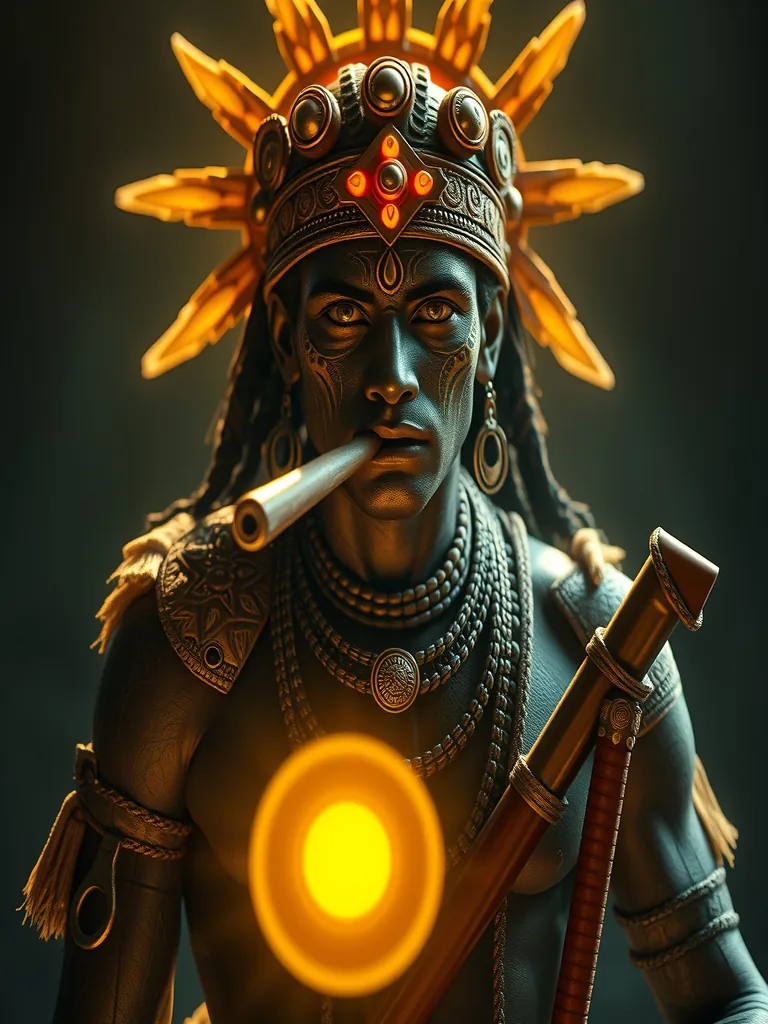
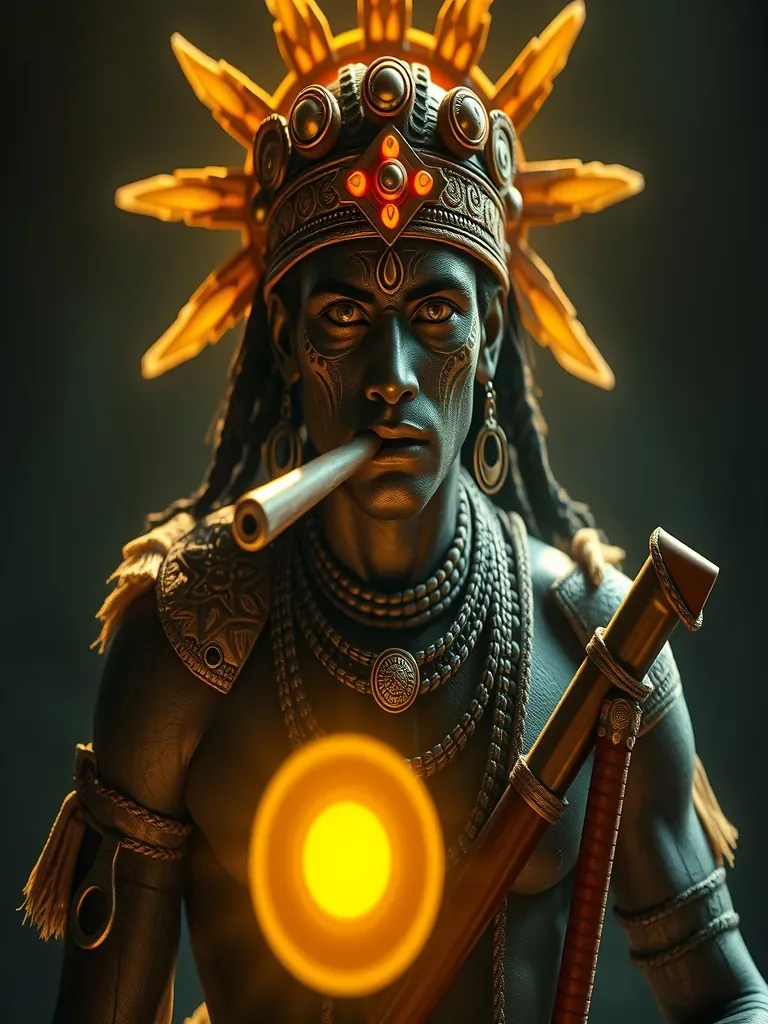
Portrait of Hunahpu, Maya deity
Maya
Tap or drag
Maya

Hunahpu

The Solar Hero Twin

Domain
Heroism, Cunning & Sun
Alignment
Chaotic Good
Element
Light
Relics of Power
Blowgun of the Twins
Speak with Hunahpu

The full Codex

5 sections of this entry are open to everyone: the summary, the people, the symbols, the lineage and the sources. The other 9 (Name and epithets, In the ancient sources, The myths, Worship and archaeology, How the god was depicted, What scholars debate, After antiquity, Did you know?, Codex relic) are part of the full Codex: PRO opens the whole study of all 500 deities, and without a subscription you can read one full entry a day, just like in the app.

The People

People
Maya
Region
Mesoamerica (Yucatán & Guatemala)
Period
c. 2000 BC – 1500 AD

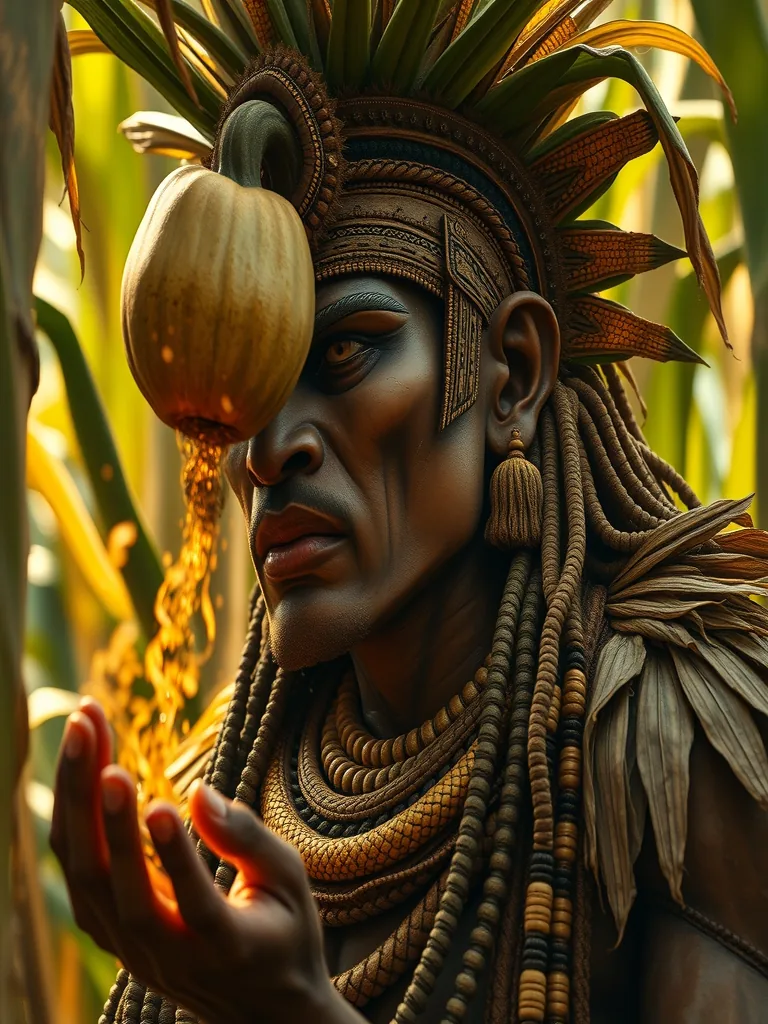
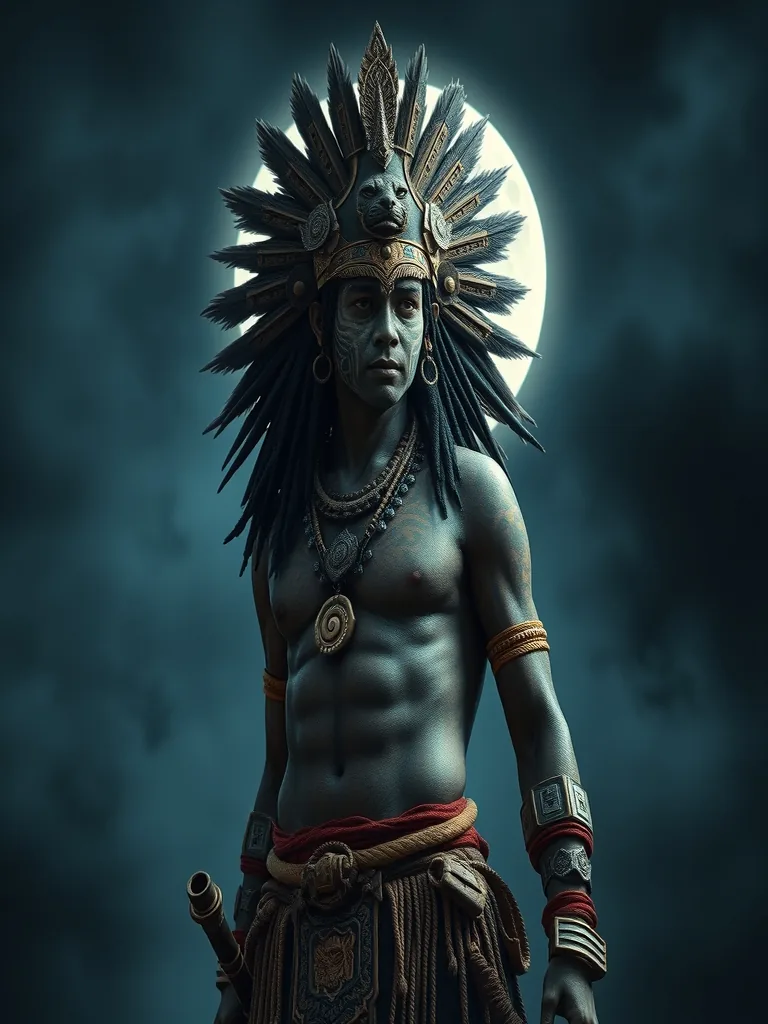
The Maya gods were worshipped in the city-states of Mesoamerica, such as Tikal, Palenque, and Chichén Itzá. Astronomer-priests read the skies and the calendar to honor them at the right time, in pyramid-temples now swallowed by the jungle. Many of their myths survive in the Popol Vuh, the sacred book of the Quiché Maya.

Maya kings and queens offered their own blood in bloodletting rituals to feed the gods, and the ritual ballgame re-enacted the duel against the lords of the underworld. Cenotes such as the one at Chichén Itzá received precious offerings, guided by the 260-day sacred calendar.
At a glance

Hunahpu (in the standardized modern K'iche' Maya spelling Junajpu, corresponding to the Classic Maya Juun Ajaw, meaning 'One Blowgunner' or 'One Lord') is the prominent solar hero twin, divine hunter and ballgame player of Maya mythology, the central protagonist of the Popol Vuh. Son of Hun Hunahpu and of Xquic, the maiden of the underworld, Junajpu and his inseparable twin brother Xbalanque played the role of cosmic pioneers in the age before the first solar dawn, defeating the arrogant false sun Vucub Caquix and his demiurgic sons Sipacna and Cabracan. Summoned by the death lords Jun Kame and Wuqub' Kame to descend to Xibalba because of the noise of the ballgame on the surface of the earth, the brothers overcame successive chambers of underground torment (the Dark House, the House of Razors, the House of Cold, the House of Jaguars, the House of Fire and the House of Bats). Beheaded in the lair of the bat Camazotz, Junajpu had his head recovered by Xbalanque through a stratagem on the ballcourt. After voluntarily sacrificing themselves in a blazing fire and being resurrected as itinerant illusionists, the twins executed the monarchs of Xibalba without returning to them the breath of life, avenging the death of their father and ascending triumphantly to the firmament to become the daytime sun and the full moon.

6 min read · Reviewed on September 28, 2026 · How we research

Sacred symbols

The blowgun, the ball-game ball, the spots on his body and the rising sun

Family

Parents
Siblings
Hunahpu
Genealogy according to Popol Vuh (manuscrito k'iche' c. 1554-1558); cerâmicas policromadas do período Clássico (Kerr K504 e vasos funerários do estilo códice)

Sources and further reading

Primary sources

  • Anônimo (Maias K'iche'), Popol Vuh: The Sacred Book of the Maya. translation: Allen J. Christenson, University of Oklahoma Press, 2007.
  • Michael D. Coe, The Maya Scribe and His World. translation: The Grolier Club, New York, 1973.

Studies

  • Dennis Tedlock, Popol Vuh (Ed. Dennis Tedlock). Simon & Schuster, 1996.
  • Karl Taube, The Major Gods of Ancient Yucatan. Dumbarton Oaks, 1992.
  • Linda Schele e David Freidel, A Forest of Kings: The Untold Story of the Ancient Maya. William Morrow, 1990.

Name and epithets

The theonym in the Classical K'iche' language is Junajpu, composed of the numeral jun ('one') and the noun ajpu (derived from the root pu, meaning 'the one who shoots with a blowgun' or 'blowgun hunter'), literally tran…

In the ancient sources

Popol Vuh, c. 1554-1558 CE. The most extensive alphabetic K'iche' narrative of Maya cosmogony, detailing the deeds of Junajpu and Xbalanque. The Blowgunner Vase (Kerr vase K504), c. 700 CE.

The myths

The Felling of the Bird Vucub Caquix with the Blowgun. Before the definitive light was established on earth, the monstrous creature Vucub Caquix proclaimed himself the sun and the moon of the world because of the brilli…

Worship and archaeology

Although conceived primarily as a primordial hero of the mythic ages and not as the recipient of isolated state temples, the archetype of Junajpu was organically rooted in the consecration rituals of the ballcourts of a…

How the god was depicted

In Classic period Maya ceramics, Juun Ajaw (Hunahpu) is systematically identified by specific diagnostic traits: round black patches distributed over the body, cheeks or arms (a symbol of his consecration as hunter and…

What scholars debate

The Classical Antiquity of the Popol Vuh Myths. Until the 1970s, part of Western historians argued that the Popol Vuh had undergone intense Spanish Christian influence during its alphabetic fixation in the sixteenth cen…

After antiquity

Hunahpu is internationally acclaimed as one of the most universal and captivating figures of the world's indigenous heroic mythology, often compared by comparative philologists to legendary heroes such as Heracles and G…

Did you know?

The famous Vase K504, discovered in the Petén basin, contains the sharpest pictorial representation of the hero Juun Ajaw shooting his blowgun at the great celestial bird Itzam-Yeh, an almost literal scene of the confro…

Codex relic

Blowgun of the Twins. A blowgun with which the hero twins hunt and face the monsters and lords of death.

The rest of this scroll is sealed

The legends, the myth, the cult and relics are part of the full Codex. You can open 1 full entry for free every day; to open all 500 deities with no limits and no ads, subscribe to Codex PRO.

See Codex PROGet it on Google Play

From the same pantheon

View pantheon