Maya
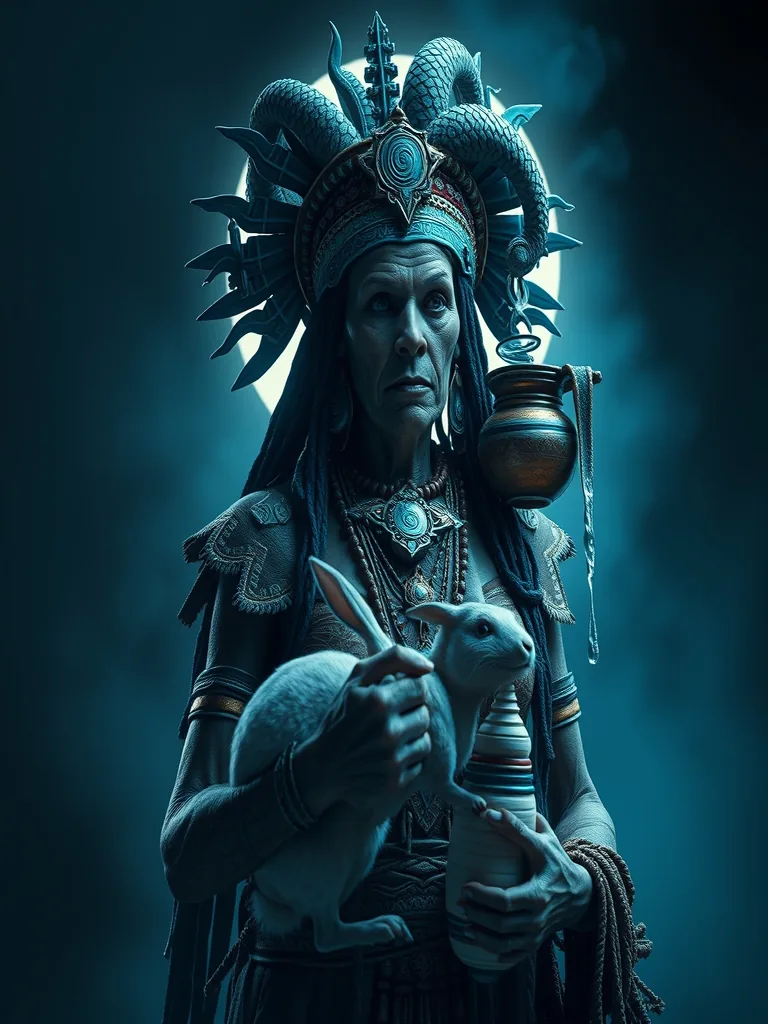
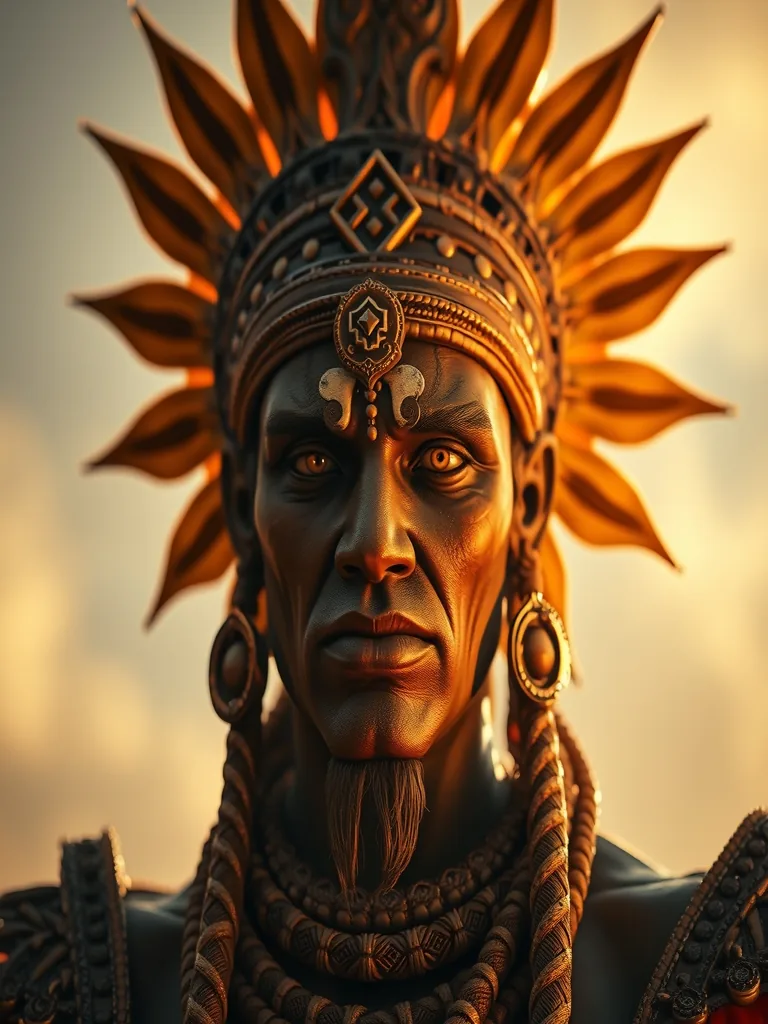
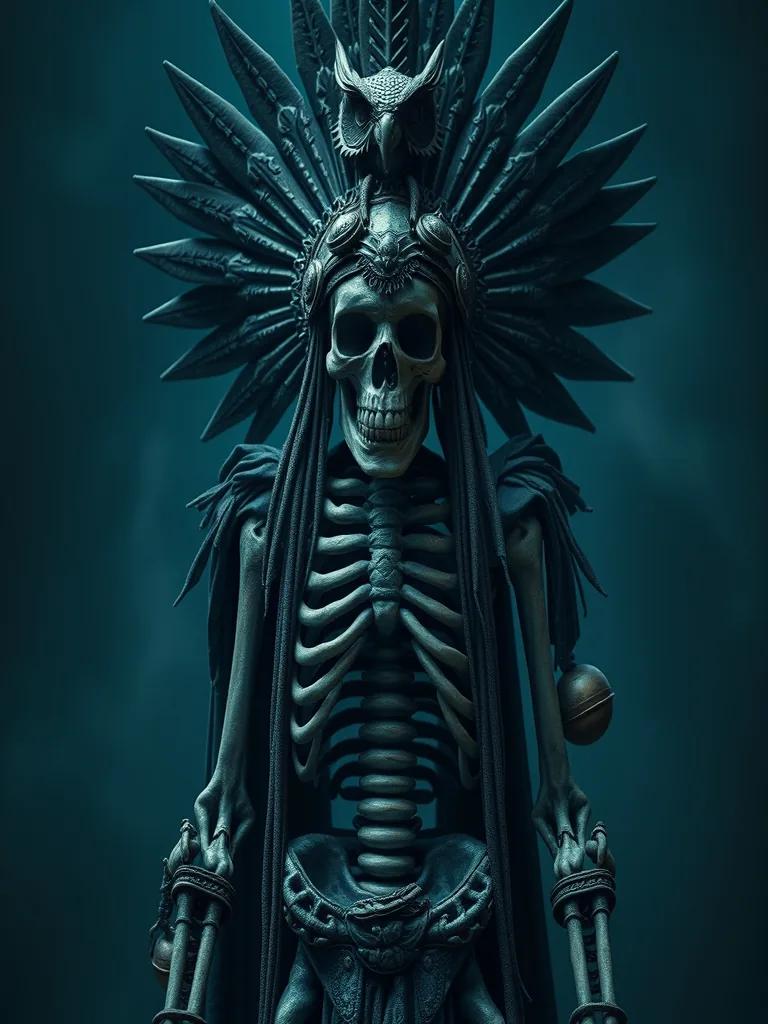
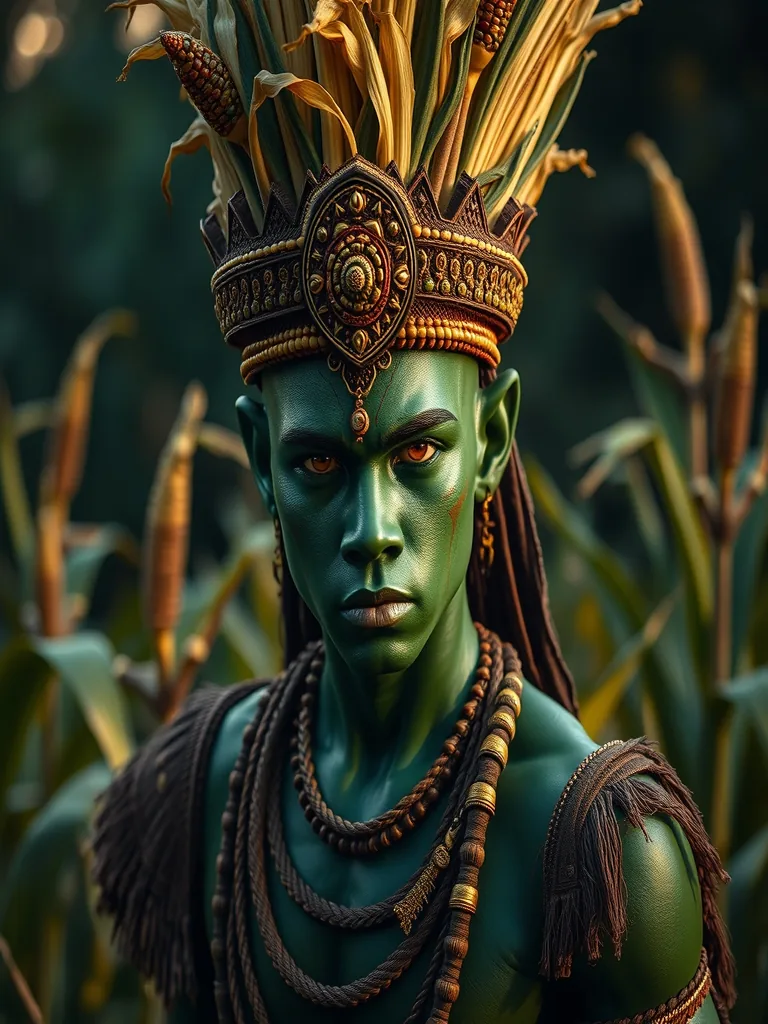
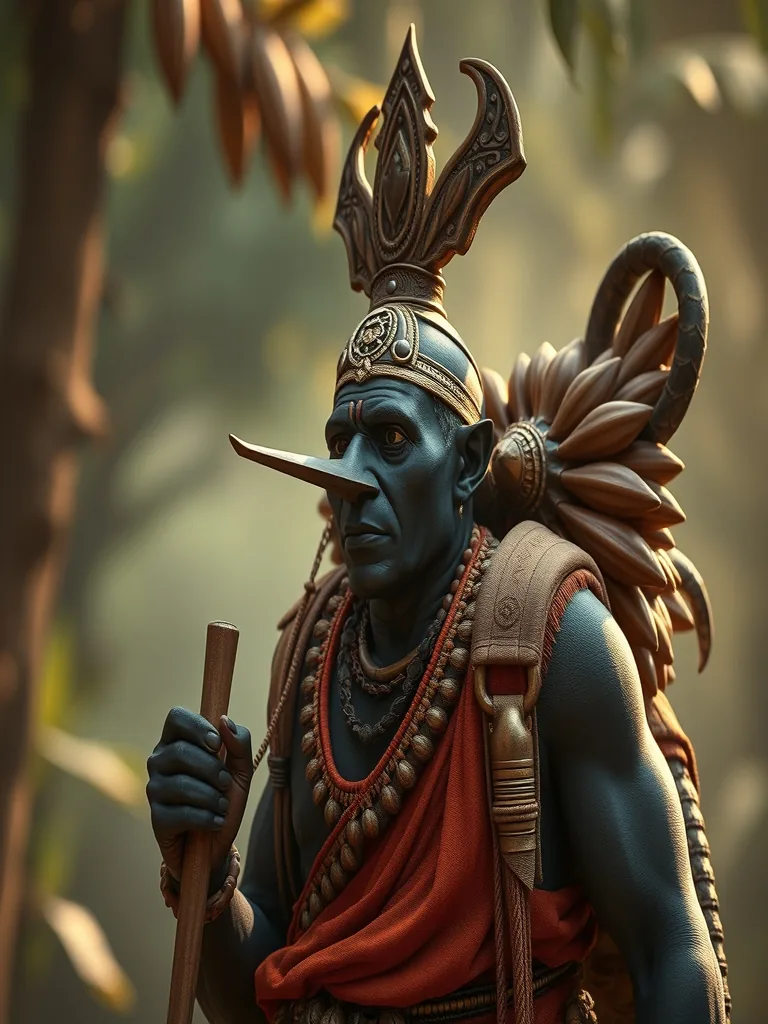
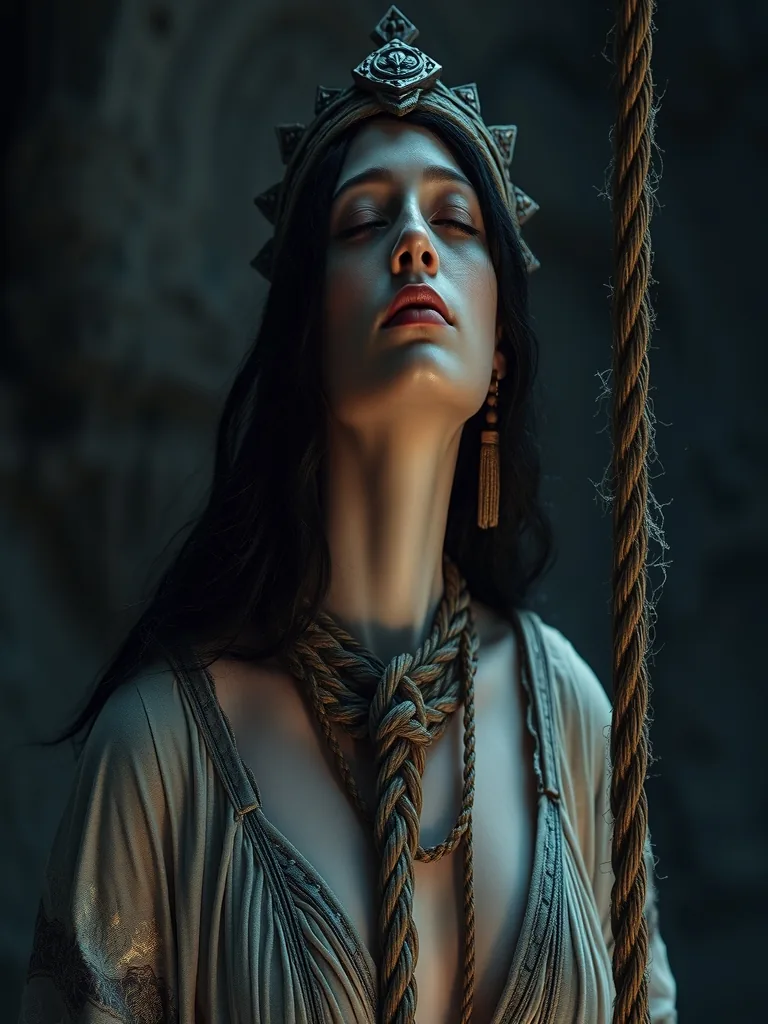
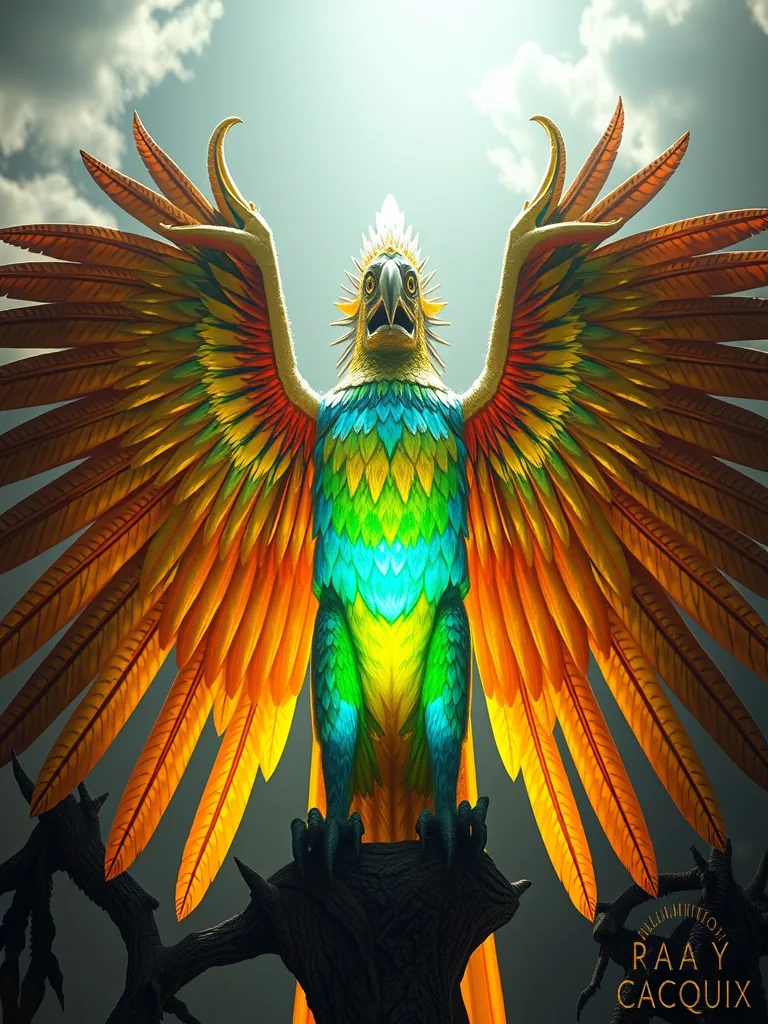
15 deities of this pantheon
Origin, Worldview and Mythology of the Maya
Sacred tradition associated with the Maya
Origin and Mythological Worldview
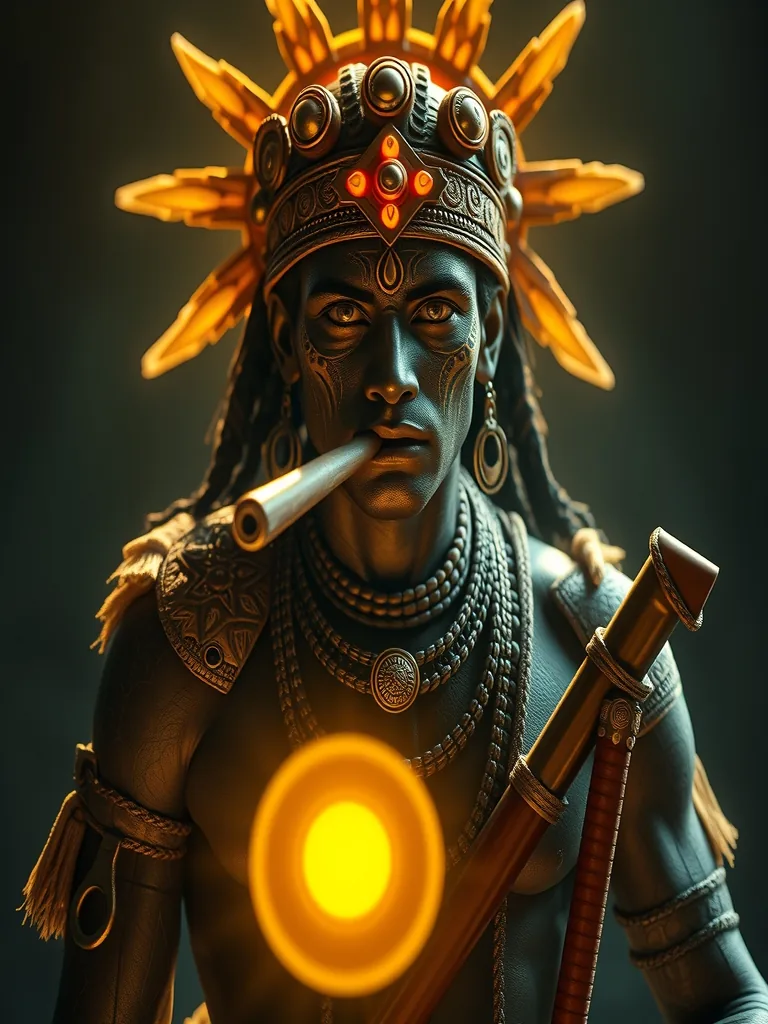
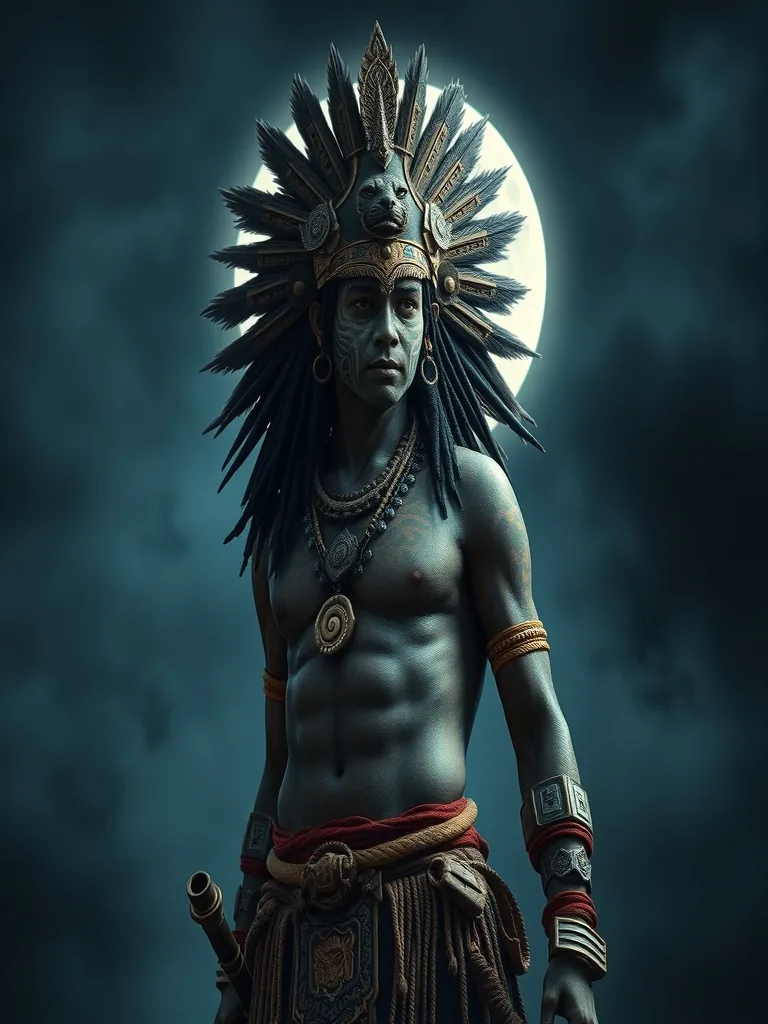
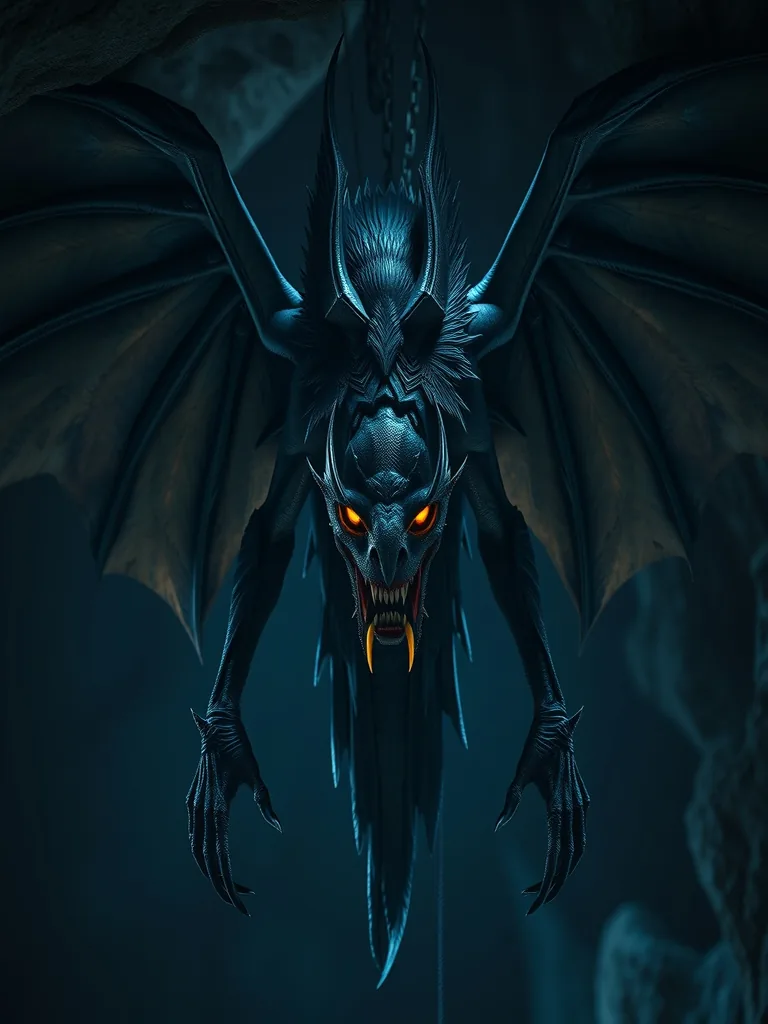
The Maya gods were worshipped in the city-states of Mesoamerica, such as Tikal, Palenque, and Chichén Itzá. Astronomer-priests read the skies and the calendar to honor them at the right time, in pyramid-temples now swallowed by the jungle. Many of their myths survive in the Popol Vuh, the sacred book of the Quiché Maya.
The sacred stories of this pantheon anchored the moral and civic foundation of ancient settlements, establishing rites of passage, seasonal liturgies, and explanations for terrestrial and celestial cycles.
Principal Deities and Central Figures
Among the 15 deities cataloged in the Codex for this pantheon, several figures hold preeminent standing across cosmic domains and civic life:
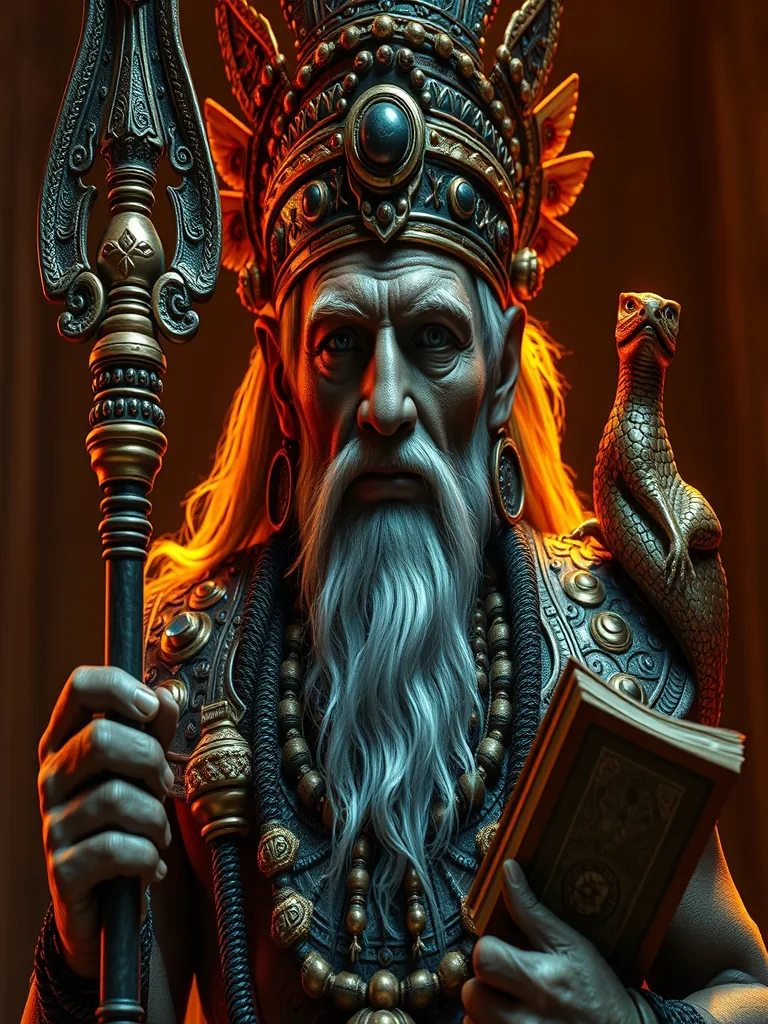
- Itzamna — Sky, Wisdom & Creation
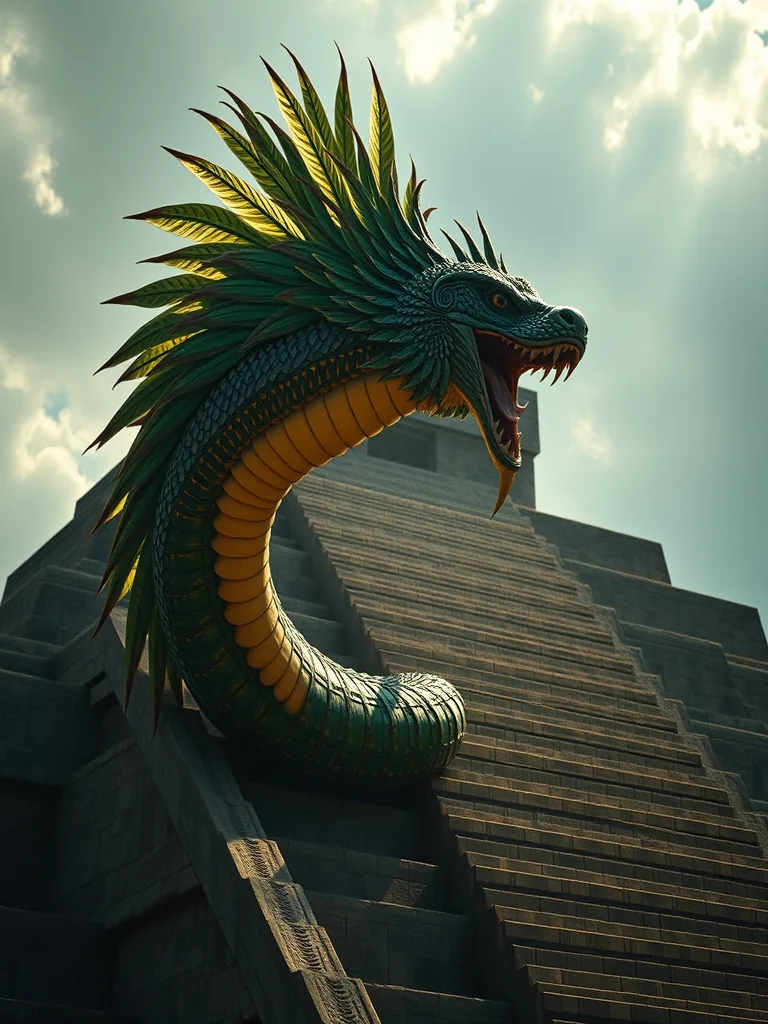
- Kukulkan — Wind, Rain & Wisdom
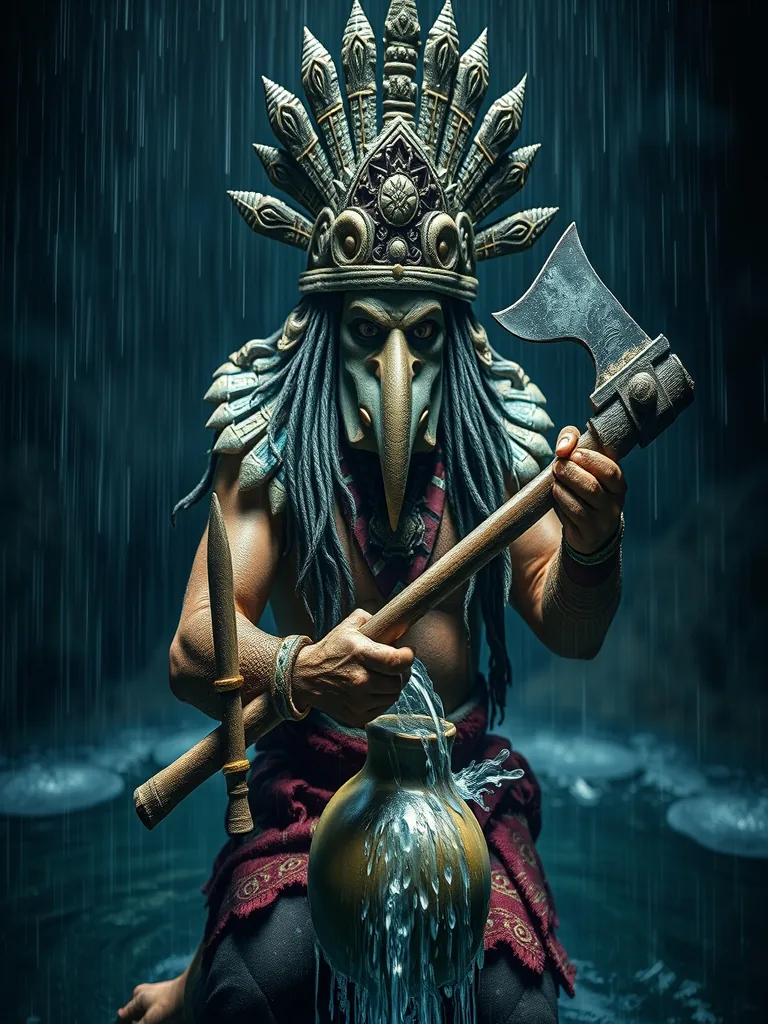
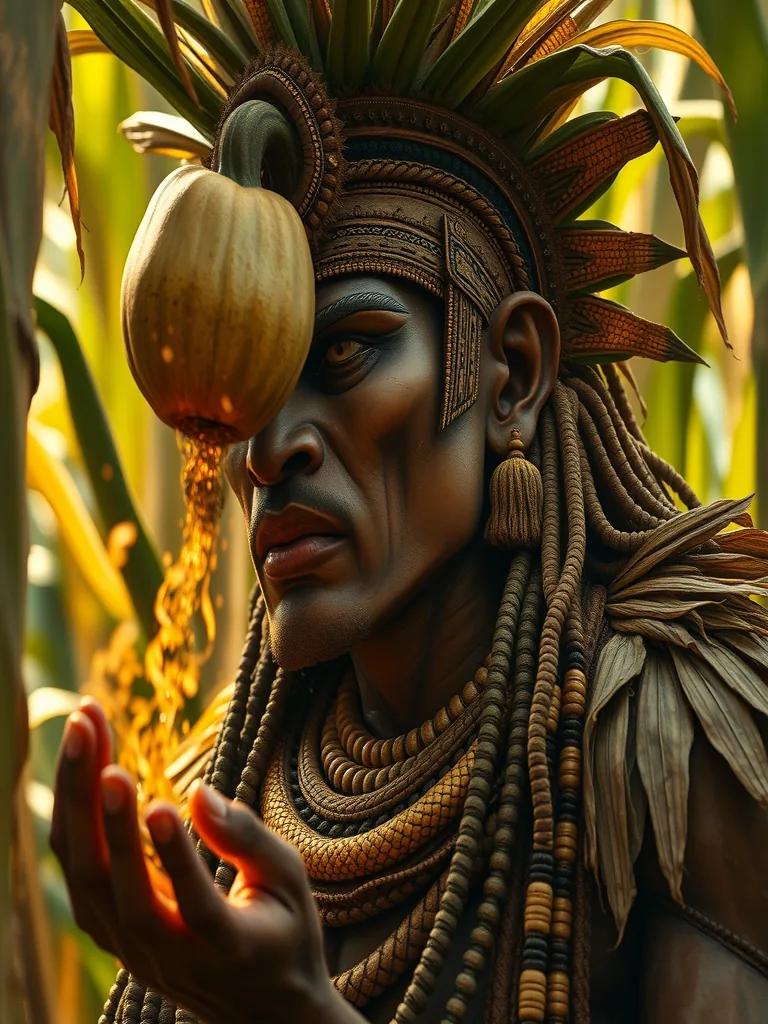
- Chaac — Rain, Thunder & Agriculture
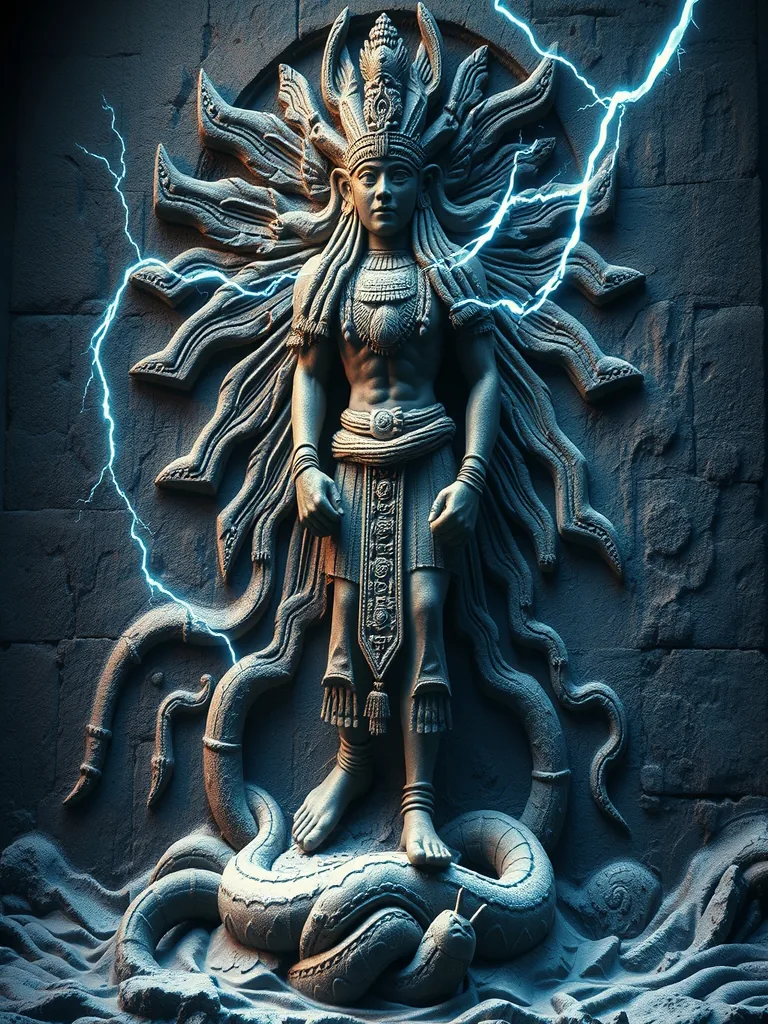
- Hurakan — Storm, Wind & Creation
- Ix Chel — Moon, Childbirth, Healing & Weaving
Temples, Ritual Practices and Cult
Maya kings and queens offered their own blood in bloodletting rituals to feed the gods, and the ritual ballgame re-enacted the duel against the lords of the underworld. Cenotes such as the one at Chichén Itzá received precious offerings, guided by the 260-day sacred calendar.
Priests and traditional lorekeepers guarded the continuity of sacred hymns and divine genealogies, ensuring the benevolence of the gods for agricultural fertility, social harmony, and communal protection.
15 deities