Skip to content
CodexMythologia
Back to the Codex
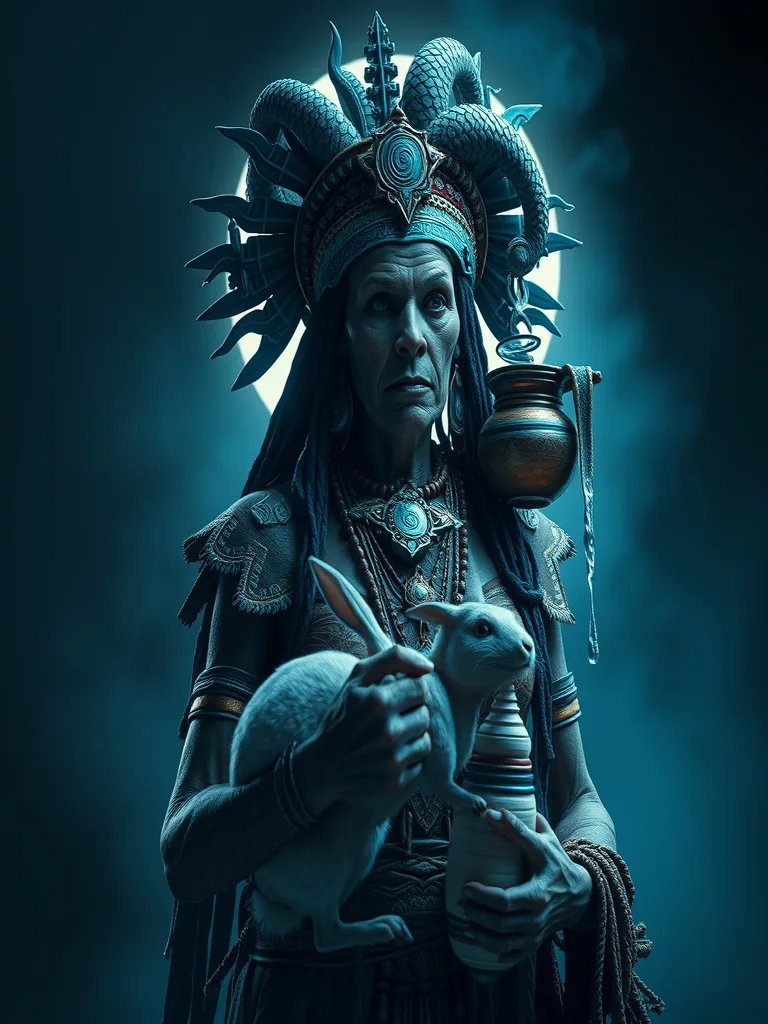
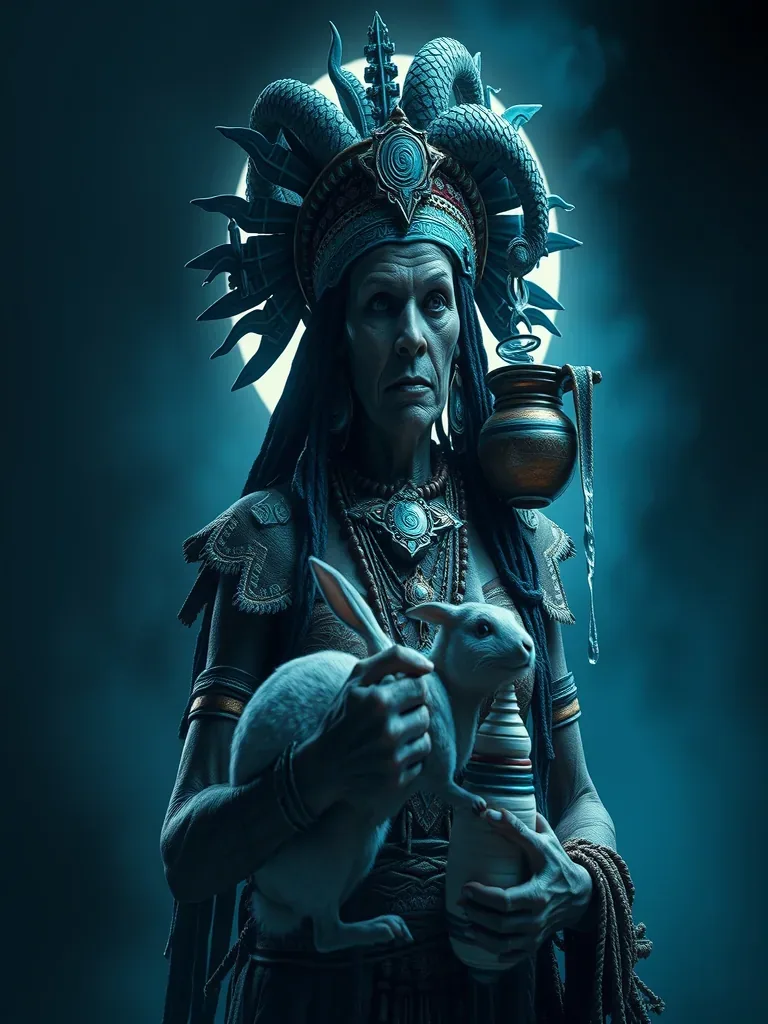
Portrait of Ix Chel, Maya deity
Maya
Tap or drag
Maya

Ix Chel

The Goddess of the Moon and Childbirth

Domain
Moon, Childbirth, Healing & Weaving
Alignment
Neutral Good
Element
Water
Relics of Power
Sacred Loom
Speak with Ix Chel

The full Codex

5 sections of this entry are open to everyone: the summary, the people, the symbols, the lineage and the sources. The other 9 (Name and epithets, In the ancient sources, The myths, Worship and archaeology, How the god was depicted, What scholars debate, After antiquity, Did you know?, Codex relic) are part of the full Codex: PRO opens the whole study of all 500 deities, and without a subscription you can read one full entry a day, just like in the app.

The People

People
Maya
Region
Mesoamerica (Yucatán & Guatemala)
Period
c. 2000 BC – 1500 AD

The Maya gods were worshipped in the city-states of Mesoamerica, such as Tikal, Palenque, and Chichén Itzá. Astronomer-priests read the skies and the calendar to honor them at the right time, in pyramid-temples now swallowed by the jungle. Many of their myths survive in the Popol Vuh, the sacred book of the Quiché Maya.

Maya kings and queens offered their own blood in bloodletting rituals to feed the gods, and the ritual ballgame re-enacted the duel against the lords of the underworld. Cenotes such as the one at Chichén Itzá received precious offerings, guided by the 260-day sacred calendar.
At a glance

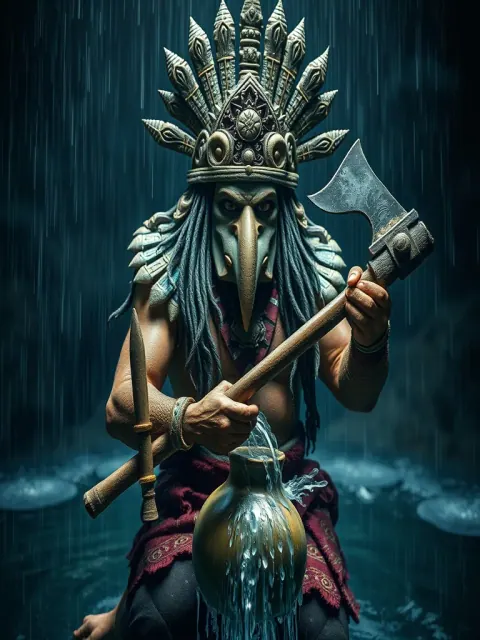
Ix Chel (or Ixchel, identified in pre-Columbian manuscripts mainly as Goddess O, Chak Chel) is the revered Maya deity of childbirth, pregnancy, healing medicine, backstrap weaving, and the powers of celestial and deluge waters. In sixteenth-century colonial ethnographic sources, notably the accounts of Friar Diego de Landa and Francisco López de Gómara, Ix Chel is described as the patroness of women in labor, of traditional healers (ah men) and of diviners, with her main oracular sanctuary and maritime pilgrimage center on the island of Cozumel, off the eastern coast of Yucatán. Maya women travelled in fleets of canoes from the mainland port of Polé to consult her oracles and to consecrate figurines that were placed under the marriage bed to ensure fertile conceptions and safe births. In the iconography of the post-Classic hieroglyphic codices, Chak Chel (“Great Rainbow” or “Red Rainbow”) is depicted as a wrinkled matron with jaguar claws, a coiled serpent headdress and a skirt embroidered with crossed bones, pouring torrential water from a ceramic jar in the famous scene of the final flood on page 74 of the Dresden Codex. In the shamanic texts of the Ritual de los Bacabes, she is invoked as the primordial cosmic midwife charged with untying the knots of the womb and curing fevers and bodily pains.

6 min read · Reviewed on September 28, 2026 · How we research

Sacred symbols

The moon, the loom, the serpent in her hair and the lunar rabbit

Family

Ix Chel
Unions
Genealogy according to Diego de Landa, Relación de las cosas de Yucatán (c. 1566); Ritual de los Bacabes; Códice de Dresde; Códice de Madrid

Sources and further reading

Primary sources

  • Diego de Landa, Relación de las cosas de Yucatán. translation: Critical edition and commentary by Ángel María Garibay, Editorial Porrúa, Mexico, 1959.
  • Anonymous (Post-Classic Maya), Dresden Codex. translation: Analytical study by Helmut Deckert, Akademische Druck, Graz, 1975.
  • Anonymous (Yucatec Maya), The Ritual of the Bacabs: A Religious Text. translation: Translation by Ralph L. Roys, University of Oklahoma Press, Norman, 1965.

Studies

  • Karl Taube, The Major Gods of Ancient Yucatan. Dumbarton Oaks Research Library and Collection, 1992.
  • J. Eric S. Thompson, Maya History and Religion. University of Oklahoma Press, 1970.
  • Linda Schele e David Freidel, A Forest of Kings: The Untold Story of the Ancient Maya. William Morrow and Company, 1990.

Name and epithets

The colonial theonym Ix Chel is formed from the Maya feminine prefix ix- and the noun chel, which in Yucatec Maya means ‘rainbow’.

In the ancient sources

Relación de las cosas de Yucatán, c. 1566 CE.. Diego de Landa describes the Cozumel sanctuary, the use of Ix Chel statues under the beds of women in labor, and the feast of the healers at Zip.

The myths

The Cosmic Flood and the Overturned Jar of Chak Chel. On page 74 of the Dresden Codex, the pre-Columbian Maya depiction of the destructive flood that closes a cycle of cosmic time is recorded.

Worship and archaeology

The cult of Ix Chel combined mass pan-regional pilgrimages with domestic medical liturgies across the whole Yucatán peninsula.

How the god was depicted

In the post-Classic Maya codices, Goddess O (Chak Chel) is systematically depicted with the features of an old woman: a wrinkled face, a mouth without teeth or with a single protruding tooth, sharp feline claws on the h…

What scholars debate

The Epigraphic Distinction between Goddess O (Chak Chel) and the Moon Goddess (Goddess I). For almost a century, archaeologists and mythologists followed Eric Thompson’s hypothesis that Ix Chel was the single personific…

After antiquity

Ix Chel is internationally acclaimed as one of the most powerful and revered female archetypes of the civilizations native to the Americas.

Did you know?

In 1517, the Spanish expedition led by Francisco Hernández de Córdoba named the coastal island facing Cancún ‘Isla Mujeres’ after finding stone altars full of hundreds of female clay figurines dedicated to Ix Chel.

Codex relic

Sacred Loom. A divine loom that weaves the threads of life, healing, and the destinies of women.

The rest of this scroll is sealed

The legends, the myth, the cult and relics are part of the full Codex. You can open 1 full entry for free every day; to open all 500 deities with no limits and no ads, subscribe to Codex PRO.

See Codex PROGet it on Google Play

From the same pantheon

View pantheon