5 sections of this entry are open to everyone: the summary, the people, the symbols, the lineage and the sources. The other 9 (Name and epithets, In the ancient sources, The myths, Worship and archaeology, How the god was depicted, What scholars debate, After antiquity, Did you know?, Codex relic) are part of the full Codex: PRO opens the whole study of all 500 deities, and without a subscription you can read one full entry a day, just like in the app.
The Romans worshipped their gods as guardians of the state, the home, and war, identifying many of them with Greek deities. The official cult was led by colleges of priests and by the emperor himself, with temples in the heart of Rome. Their religion followed the Empire's expansion across Europe, North Africa, and the Middle East.
The December Saturnalia reversed social roles in days of feasting and gifts, and the Lupercalia purified the city in February. The Vestal Virgins guarded Vesta's sacred fire, and victorious generals paraded in triumph to the temple of Jupiter Capitolinus.
01
At a glance
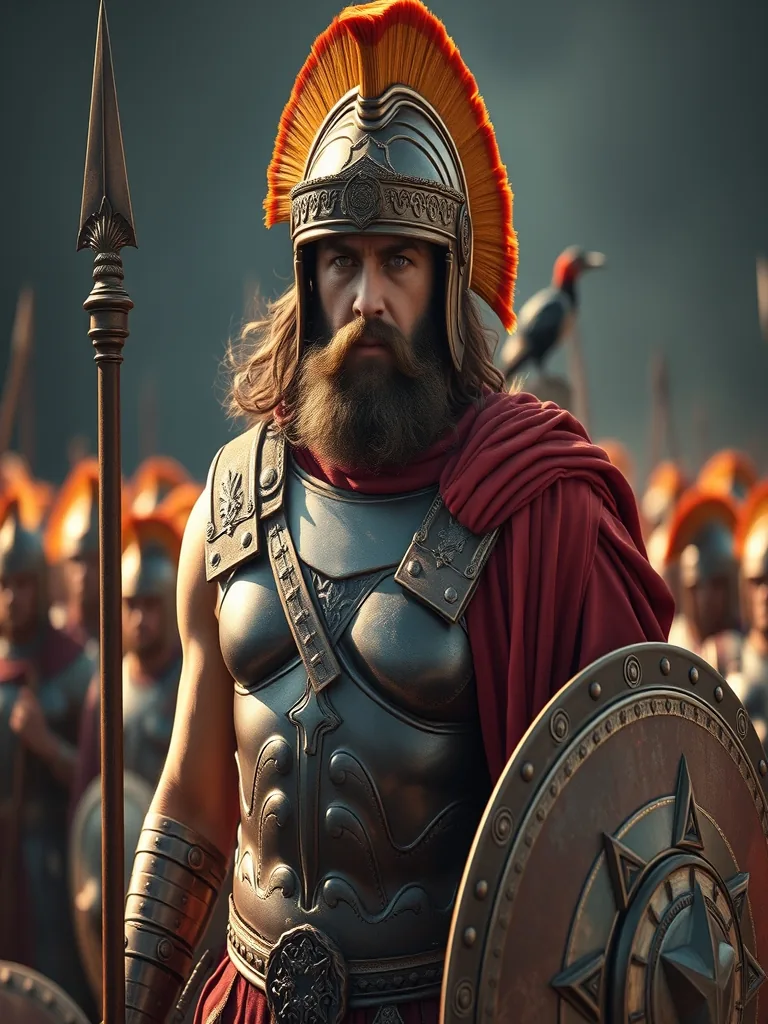
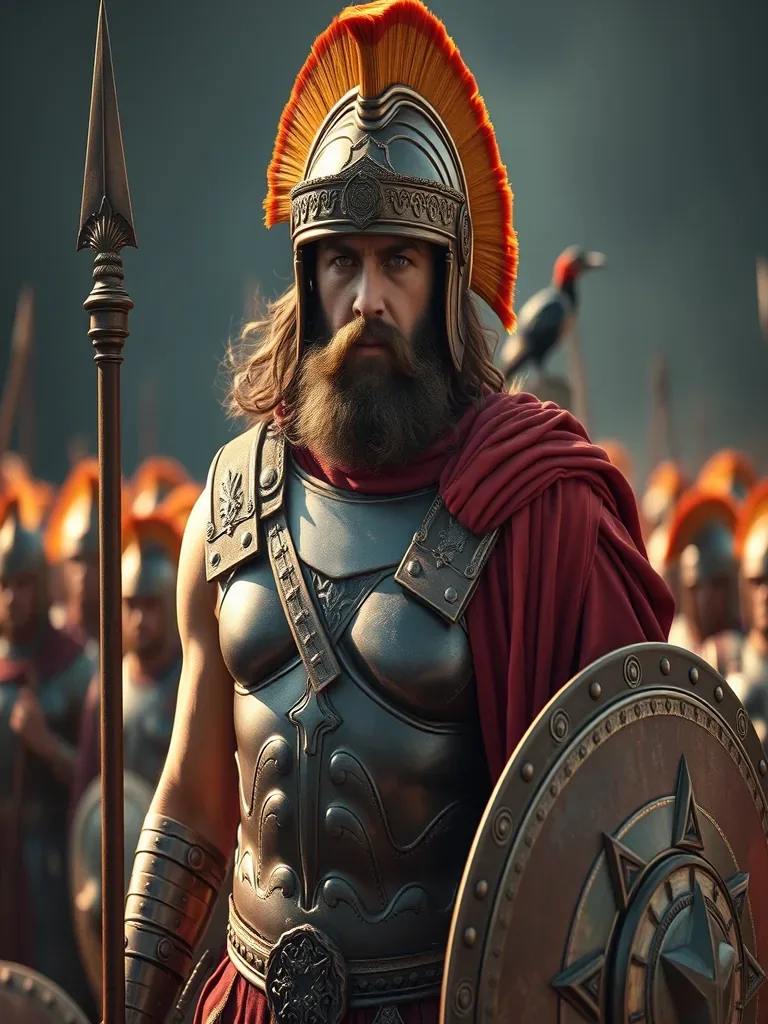
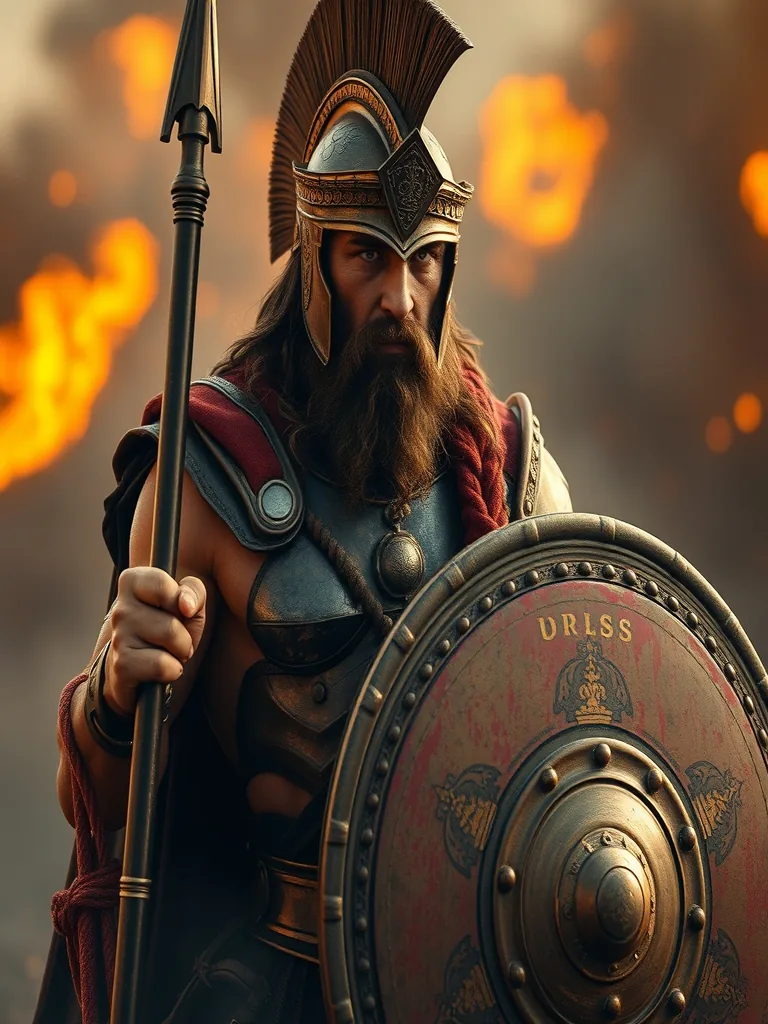
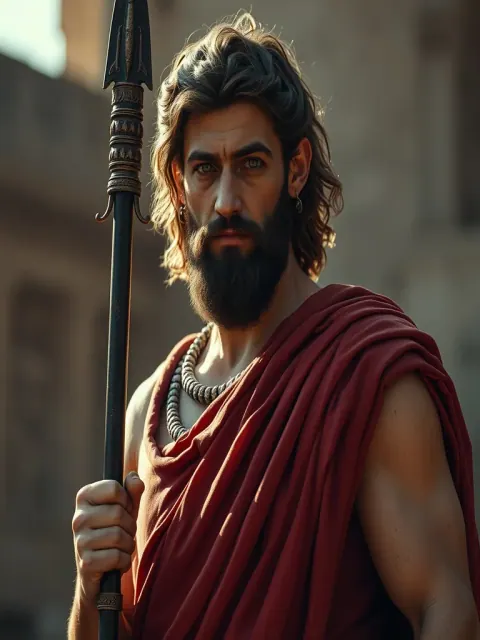
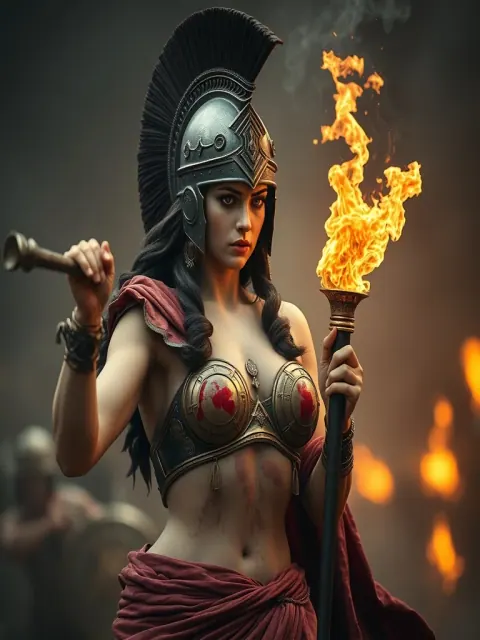
Mars (Classical Latin: Mars; Archaic Latin: Māvors or Mamars) occupied a paramount and foundational place in Roman religion and cultural identity, ranking second only to Jupiter in state majesty and public reverence. Distinct from the Greek Ares, Mars was venerated as Mars Pater ('Father Mars'), the mythical forefather of the Roman people through his paternity of Romulus and Remus with the Vestal Rhea Silvia. In the archaic constitution of the state, Mars belonged to the Pre-Capitoline Triad alongside Jupiter and Quirinus. He was served by his own dedicated flamen maior, the Flamen Martialis, and by the ancient collegium of the twelve Salii Palatini, who guarded the twelve sacred shields (ancilia) and performed the archaic leaping dance (tripudium) at the opening and closing of the campaigning season. Theological analysis reveals an essential duality in his divine competence: Mars was simultaneously the irresistible power of military might securing Roman triumph and the vigilant rustic protector of agricultural boundaries, safeguarding crops and livestock against pestilence, blight, and foreign devastation. This agrarian aspect is famously recorded in Cato the Elder's treatise on agriculture, where the landowner recites an ancient prayer during the lustratio agri, imploring Father Mars to ward off disease and disaster through the triple sacrifice of pig, sheep, and bull (suovetaurilia). Likewise, the archaic Carmen Arvale inscribed on the acts of the Arval Brethren invoked the god as Marmar to protect the fields and halt communal calamity. The opening of the archaic Roman year in the month of March (Martius) was consecrated to his festivals—such as the Equirria, Quinquatrus, and Tubilustrium—culminating in autumn with the October Horse (Equus October) sacrificed on the Campus Martius. Under Augustus, the god's public persona was elevated through the monumental Temple of Mars Ultor ('The Avenger') in the Forum of Augustus, commemorating the punishment of Caesar's assassins at Philippi and the restitution of the Roman legionary eagles from Parthia, establishing Mars as the supreme military guarantor of the imperial regime.
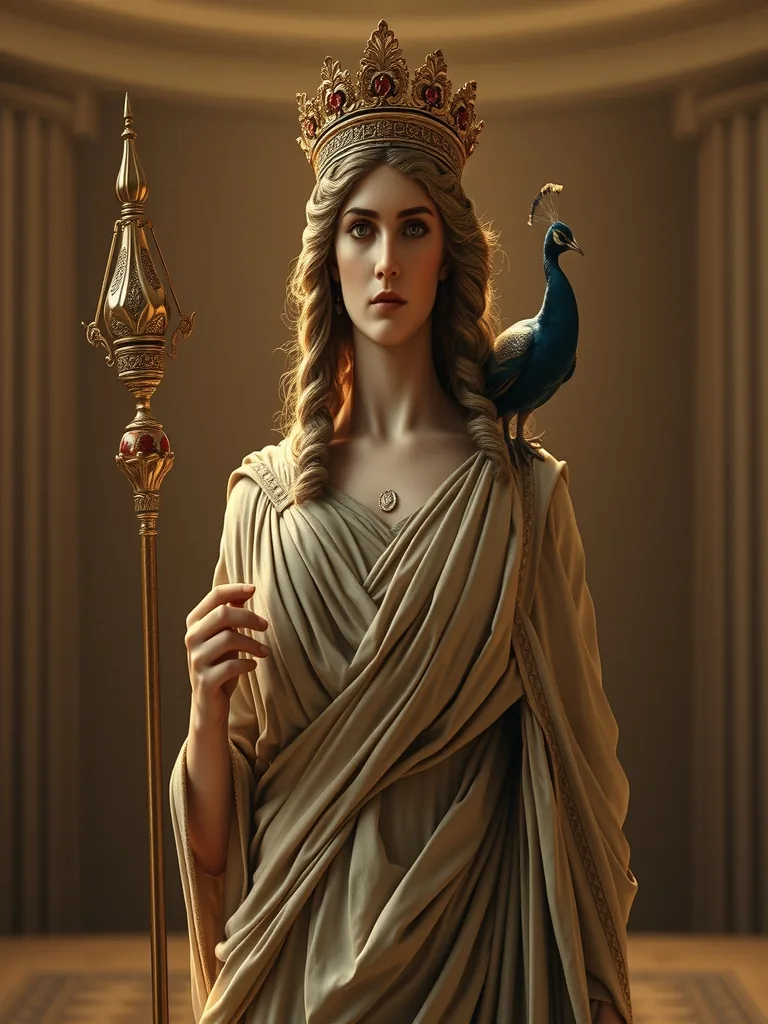
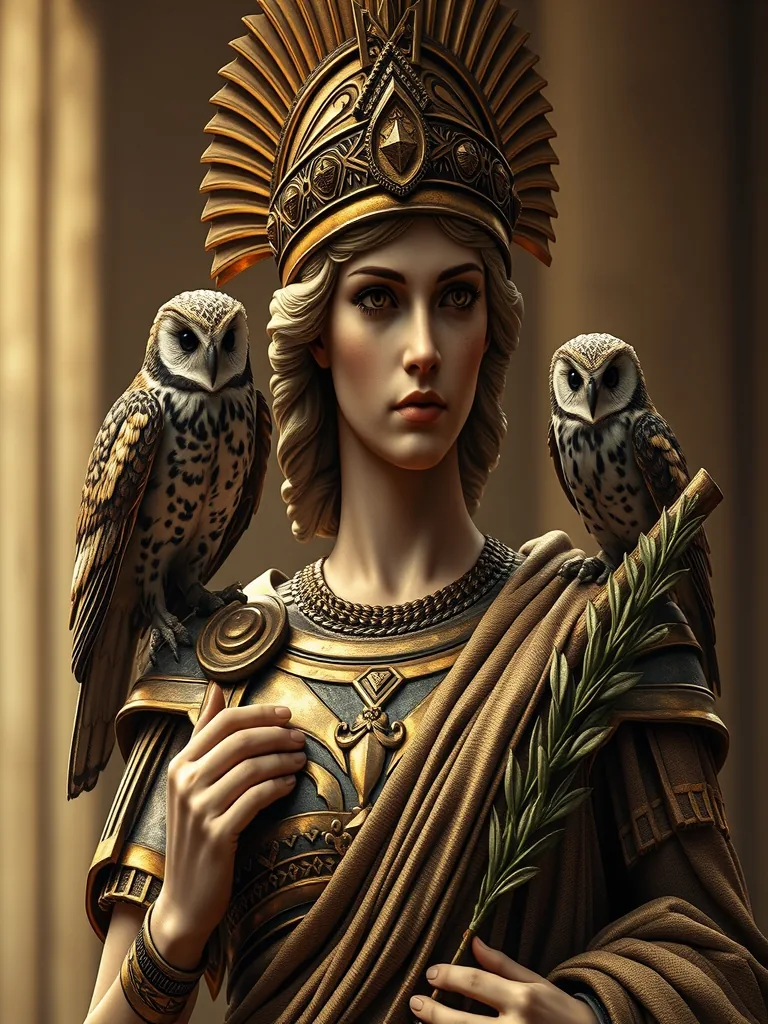
Vulcan (divine brother in classical mythographic tradition)MMinerva
Mars
Unions
Nerio (Neriene Martis, archaic Italic and Sabine personification of valor and martial potency, cf. Aulus Gellius, Attic Nights XIII.23)VVenus
Children
Romulus (son conceived with the Vestal Rhea Silvia, eponymous founder and first king of Rome, cf. Livy I.4)Remus (twin brother of Romulus, co-generated in the union with Rhea Silvia, cf. Livy I.4)
Genealogy according to Catão, o Velho (De Agri Cultura 141); Tito Lívio (Ab Urbe Condita I.4, I.20, VIII.9); Públio Ovídio Naso (Fastos III.1–258, III.675–710); Marco Terêncio Varrão (De Lingua Latina V.73, VI.14, VI.33); Carmen Arvale (CIL VI 2104); Aulo Gélio (Noites Áticas IV.6, XIII.23); Dionísio de Halicarnasso (Antiguidades Romanas II.70); Georges Dumézil (1970); Kurt Latte (1960); Mary Beard, John North & Simon Price (1998)
04
Sources and further reading
Primary sources
, .
, .
, .
, .
Studies
, .
, .
, .
, .
Name and epithets
The Latin theonym Mars derives from archaic Māvors (genitive Māvortis), with epigraphic and dialectal variants preserving Mamars in early Latin and Māmers in Oscan, the latter giving rise to the name of the Campanian me…
In the ancient sources
De Agri Cultura, c. 160 BC. Cato the Elder preserves the complete ritual prayer of the private lustratio agrorum addressed to Mars Pater alongside the suovetaurilia sacrifice. Ab Urbe Condita, c. 27–9 BC.
The myths
The Divine Conception of Romulus and Remus and the Origin of Rome. As recorded in the historical annals of Livy (Ab Urbe Condita I.4) and sung by Ovid (Fasti III.11–54), Rhea Silvia (also named Ilia), daughter of King N…
Worship and archaeology
The cult of Mars was structured around a fundamental geographic and legal boundary: the sacred perimeter of the pomoerium.
How the god was depicted
In Roman monumental relief, coinage, and classical sculpture, Mars is depicted as the quintessential embodiment of disciplined military virtue.
What scholars debate
. The central historiographical debate surrounding Mars concerns his primary functional domain: was he originally an agrarian fertility and vegetation deity whose nature was militarized as the Roman state expanded, or w…
After antiquity
Mars has exerted an enduring influence on Western culture, astronomy, and civic institutions. The fourth planet from the Sun was named Mars by ancient astronomers due to its blood-red luminescence, mirroring the god's f…
Did you know?
The October Horse ritual culminated in an intense street battle between residents of the Subura and Via Sacra for possession of the severed head; if the Via Sacra won, they nailed it to the Regia, whereas if the Subura…
Codex relic
Sacred Spear of the Salii. The sacred spear kept in the Regia, whose trembling announced the war approaching Rome.
The rest of this scroll is sealed
The legends, the myth, the cult and relics are part of the full Codex. You can open 1 full entry for free every day; to open all 500 deities with no limits and no ads, subscribe to Codex PRO.