Roman
27 deities of this pantheon
Origin, Worldview and Mythology of the Roman
Sacred tradition associated with the Romans
Origin and Mythological Worldview
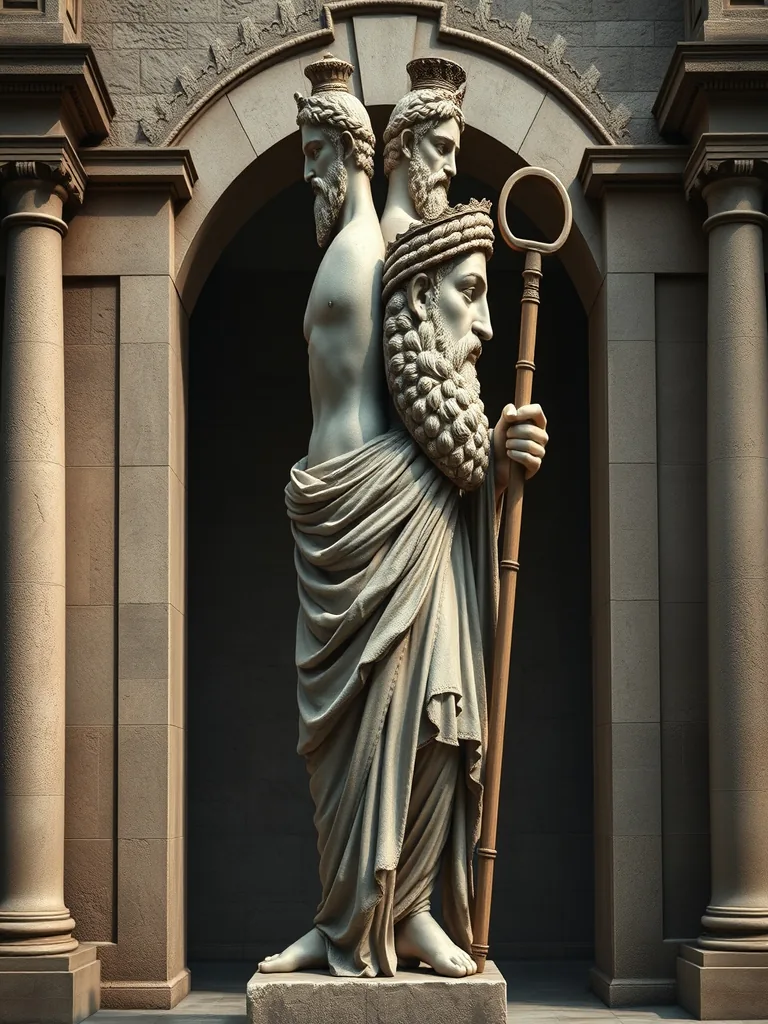
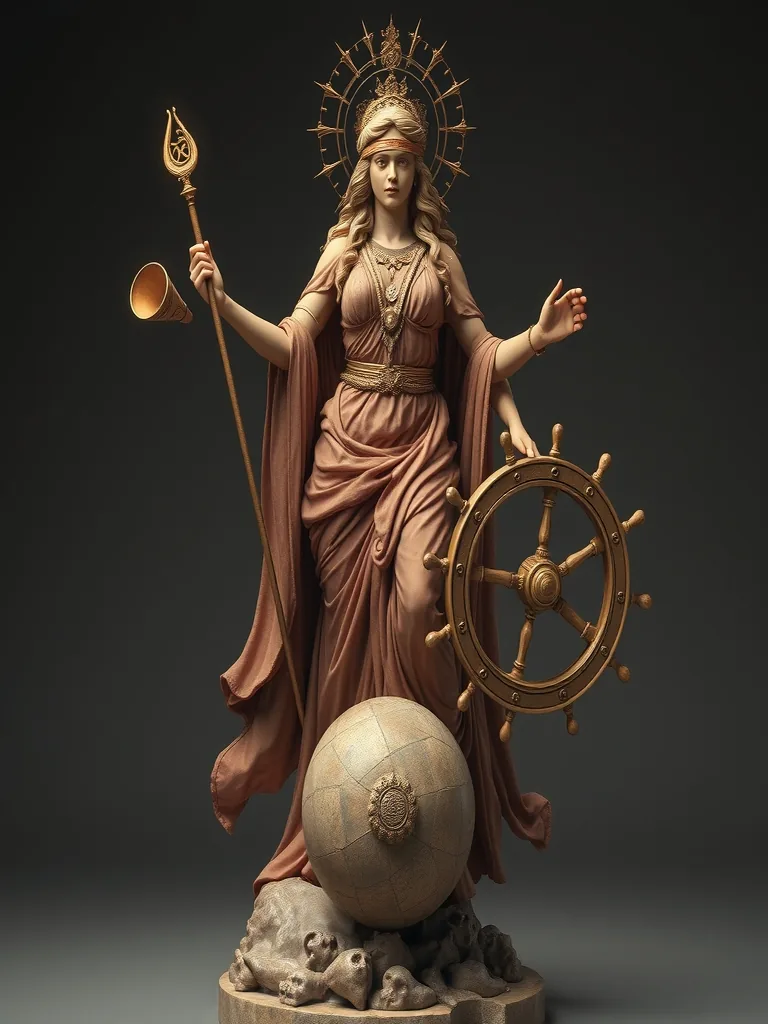
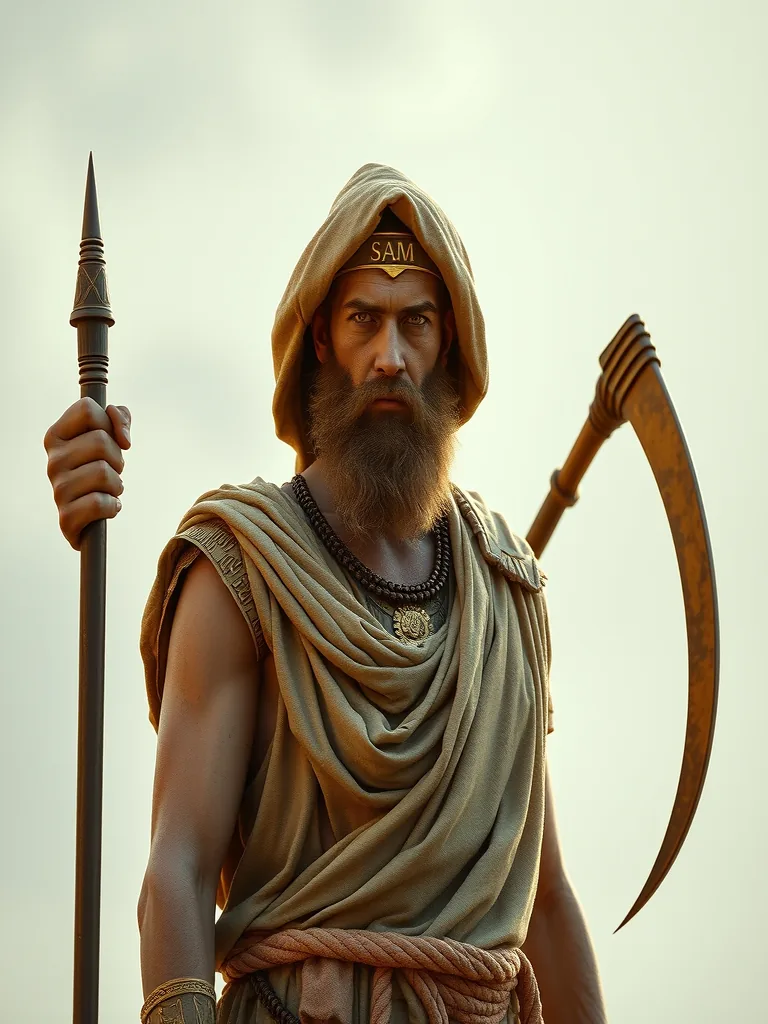
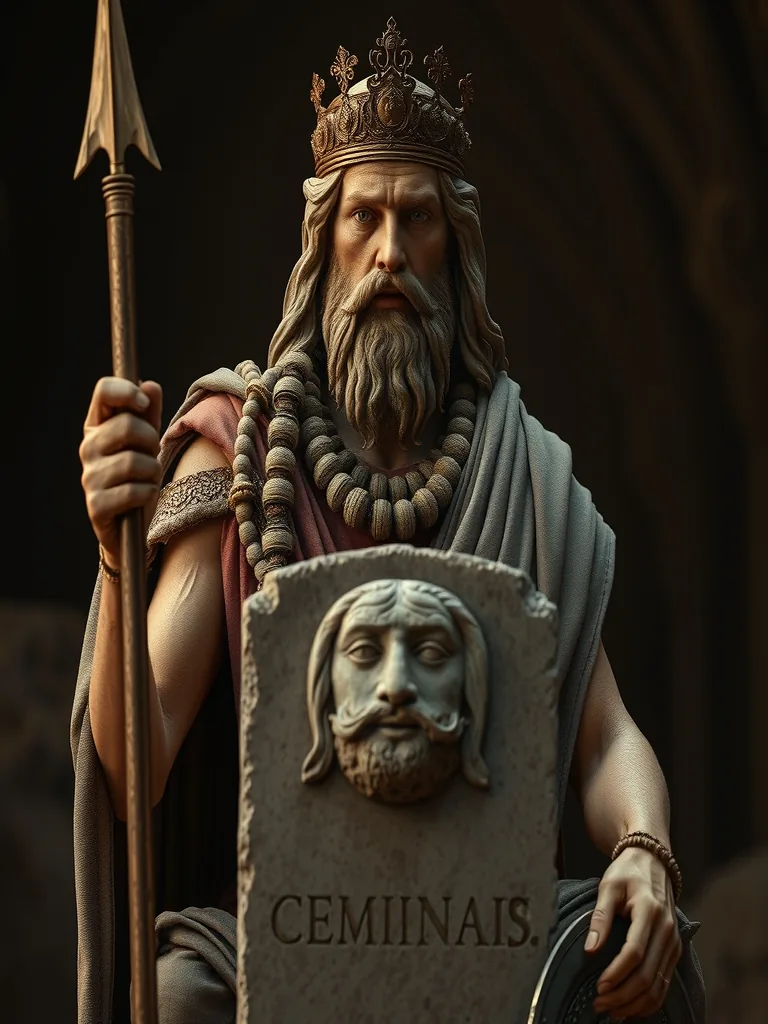
The Romans worshipped their gods as guardians of the state, the home, and war, identifying many of them with Greek deities. The official cult was led by colleges of priests and by the emperor himself, with temples in the heart of Rome. Their religion followed the Empire's expansion across Europe, North Africa, and the Middle East.
The sacred stories of this pantheon anchored the moral and civic foundation of ancient settlements, establishing rites of passage, seasonal liturgies, and explanations for terrestrial and celestial cycles.
Principal Deities and Central Figures
Among the 27 deities cataloged in the Codex for this pantheon, several figures hold preeminent standing across cosmic domains and civic life:
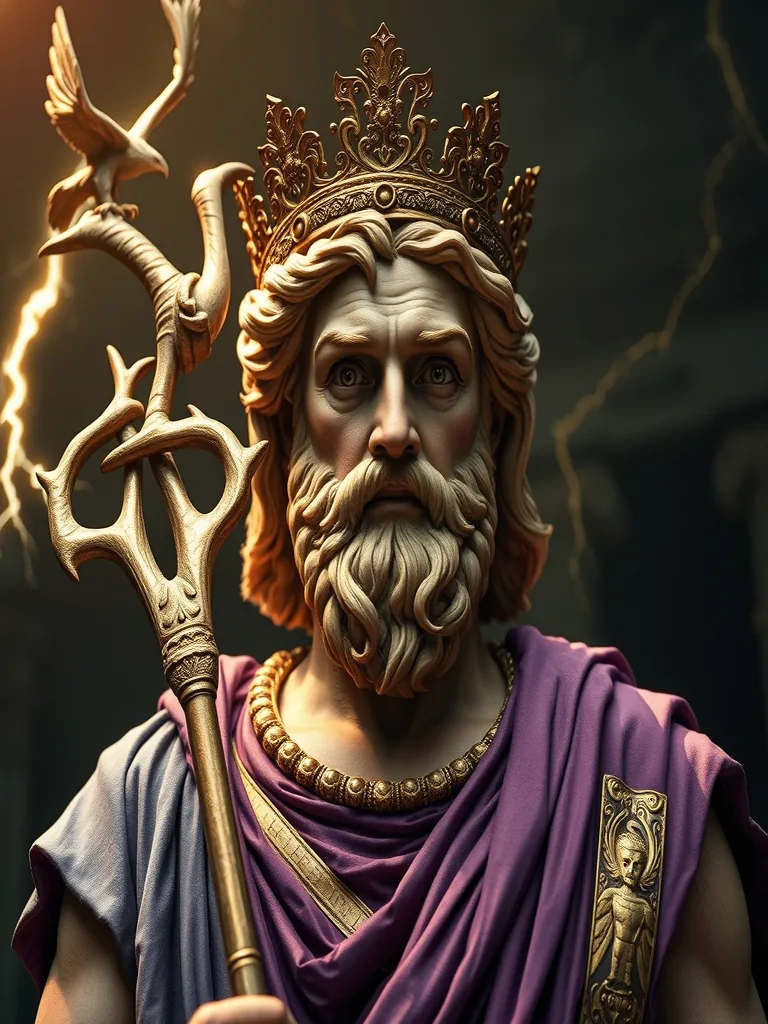
- Jupiter — Sky, State & Law
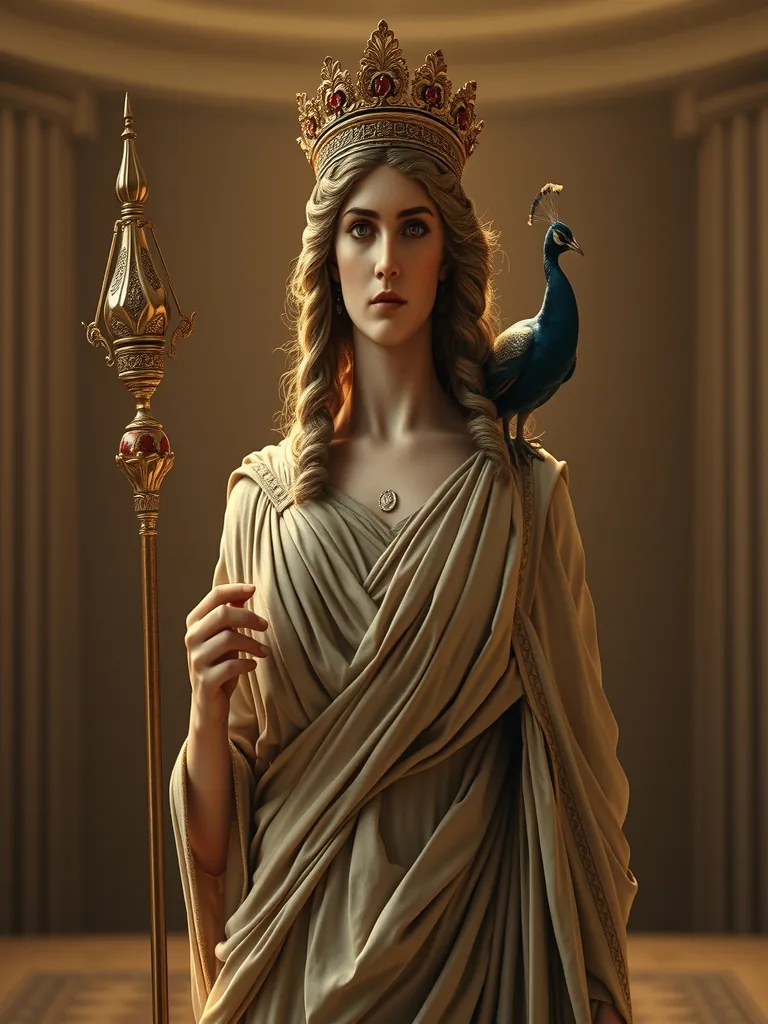
- Juno — Marriage, State & Protection
- Mars — War, Agriculture & Foundation
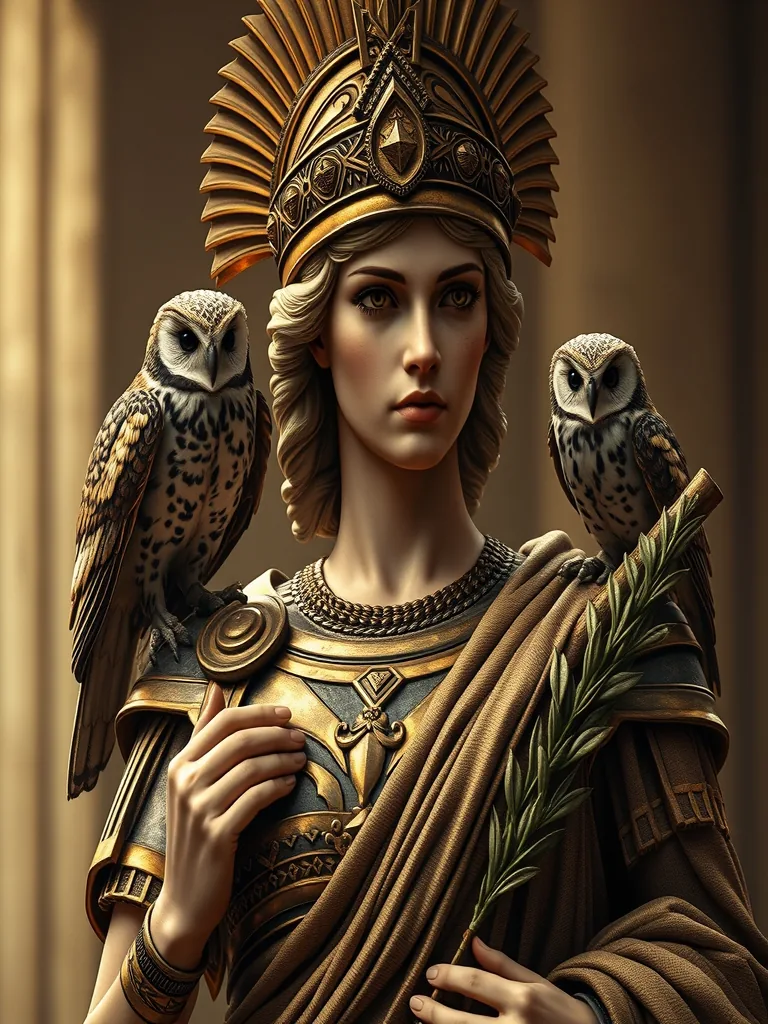
- Minerva — Wisdom, Arts & Crafts
- Venus — Love, Beauty & Victory
Temples, Ritual Practices and Cult
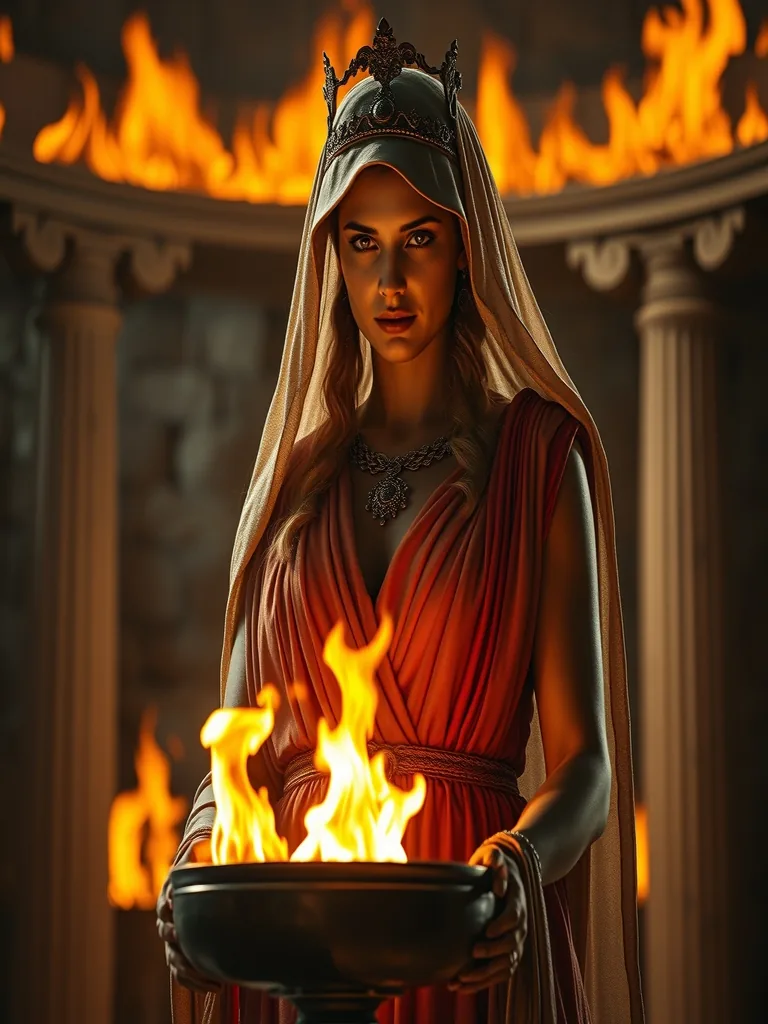
The December Saturnalia reversed social roles in days of feasting and gifts, and the Lupercalia purified the city in February. The Vestal Virgins guarded Vesta's sacred fire, and victorious generals paraded in triumph to the temple of Jupiter Capitolinus.
Priests and traditional lorekeepers guarded the continuity of sacred hymns and divine genealogies, ensuring the benevolence of the gods for agricultural fertility, social harmony, and communal protection.
27 deities