Skip to content
CodexMythologia
Back to the Codex
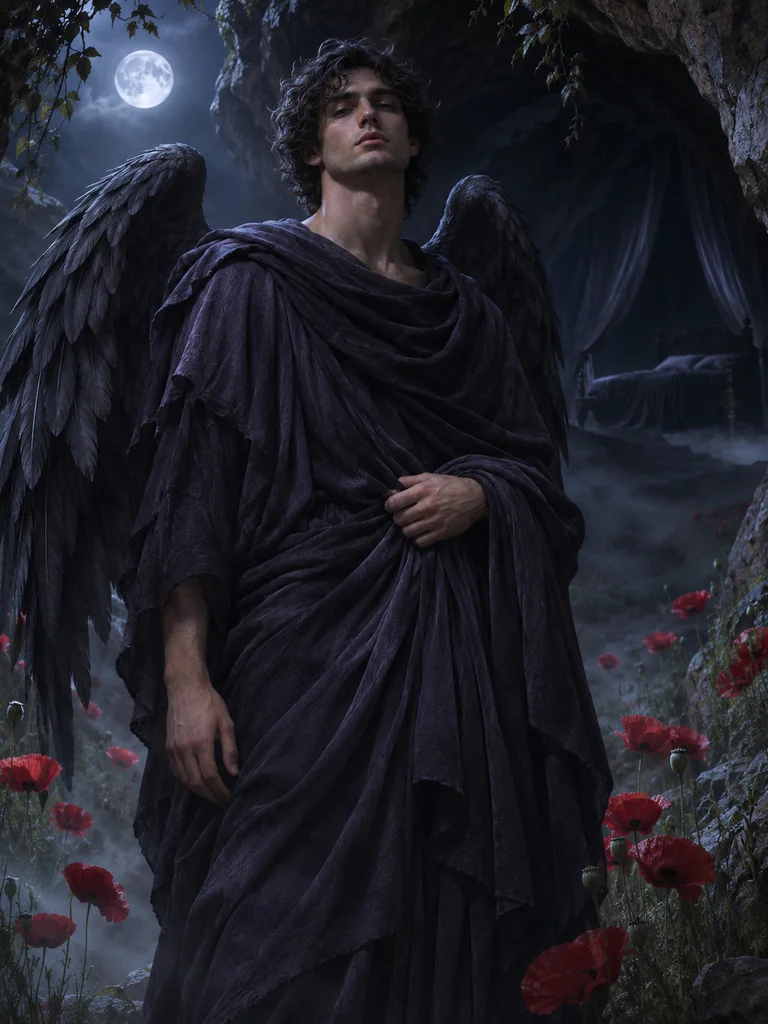
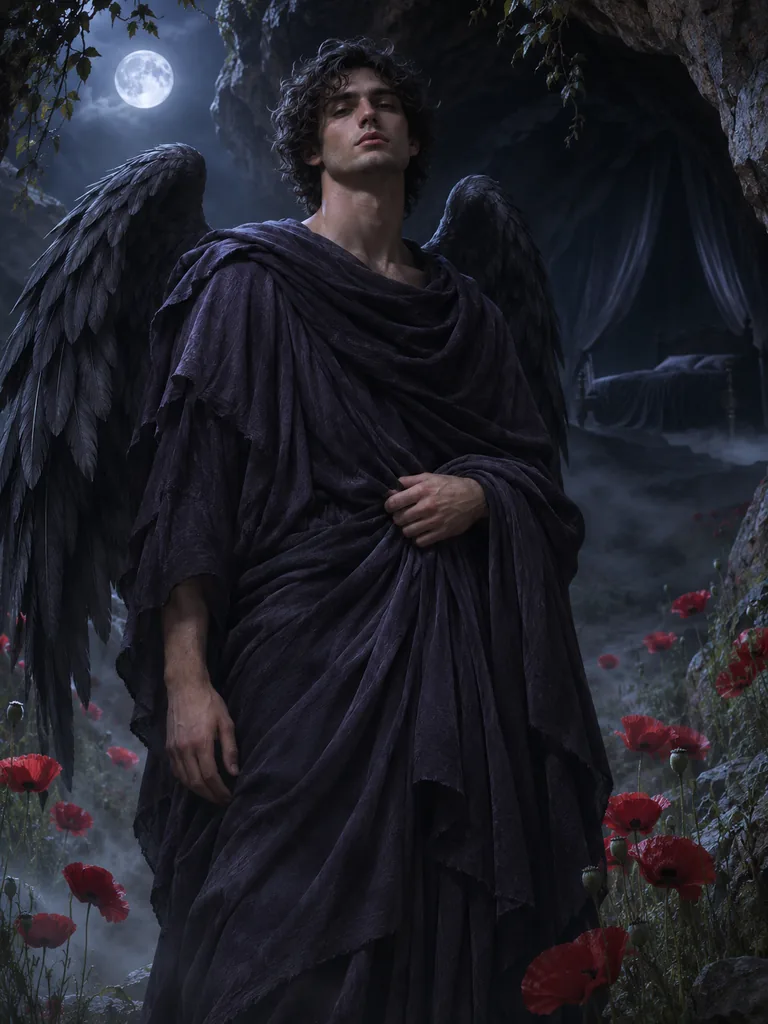
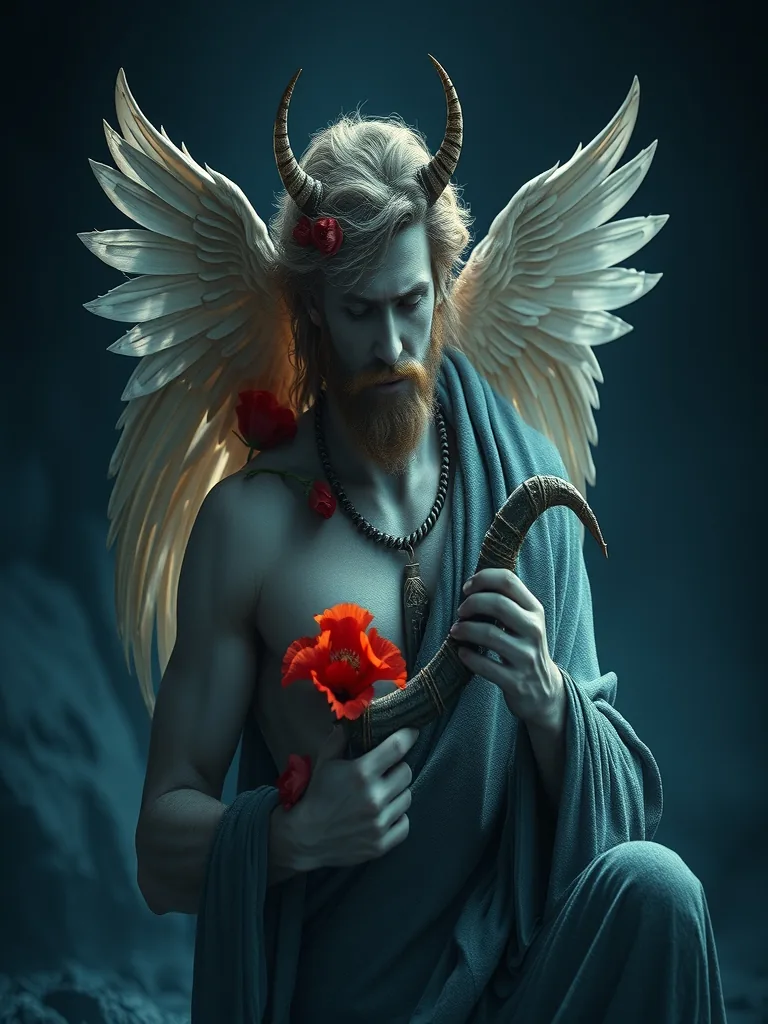
Portrait of Morpheus, Greek deity
Greek
Tap or drag
Greek

Morpheus

The Shaper of Dream Forms

Domain
Dreams, Forms & Visions
Alignment
True Neutral
Element
Darkness
Relics of Power
Mask of a Thousand Forms
Speak with Morpheus

The full Codex

5 sections of this entry are open to everyone: the summary, the people, the symbols, the lineage and the sources. The other 9 (Name and epithets, In the ancient sources, The myths, Worship and archaeology, How the god was depicted, What scholars debate, After antiquity, Did you know?, Codex relic) are part of the full Codex: PRO opens the whole study of all 500 deities, and without a subscription you can read one full entry a day, just like in the app.

The People

People
Ancient Greeks
Region
Greece & the Mediterranean
Period
8th c. BC – 4th c. AD

The Olympian gods were worshipped by the city-states of ancient Greece, from Athens to Sparta, which raised them temples such as the Parthenon. Reigning atop Mount Olympus, they presided over every aspect of life and were celebrated in festivals like the Olympic Games. Homer and Hesiod fixed their myths, which shaped all of Western culture.

The Olympic Games were held every four years in honor of Zeus, and the Panathenaea celebrated Athena in Athens. The Eleusinian Mysteries initiated the faithful into the secrets of Demeter and Persephone, while crowds consulted Apollo's oracle at Delphi.
At a glance

Morpheus (Greek Morpheús, Latin Morpheus) is one of the thousand sons of Sleep in Ovid's Metamorphoses, and the only one whose task is to appear in a dream with the face, gait, voice and clothes of one particular person. The poet introduces him in Book XI, in the episode of Ceyx and Alcyone: Juno orders Sleep to send a wife in Trachis the image of her drowned husband, and Sleep chooses Morpheus. Two brothers complete the trio: Icelos imitates animals and Phantasos imitates lifeless things. The name comes from the Greek morphḗ, “form.” In the ancient texts that have come down to us, outside Ovid, Sleep (Hypnos) and the Dreams (Oneiroi) appear as a group, with no personal name for a god of dreams. This study therefore treats Morpheus as a literary figure of great reach with no attested cult, and marks the evidence as scarce.

The ancient sources on this deity are scarce. This study gathers only what is on record.

10 min read · Reviewed on November 6, 2026 · How we research

Sacred symbols

The mask, the poppy, the ebony couch and the silent wings

Family

Parents
Siblings
Icelos, called Phobetor by mortals (imitates beasts, birds and serpents)Phantasos (imitates earth, stone, water, tree trunks and soulless things)The other Dreams, the “thousand sons” of Sleep according to Ovid
Morpheus
Genealogy according to Ovídio (Metamorfoses XI.592–648); Hesíodo (Teogonia 211–212, 756–766); Homero (Ilíada XIV.231–291, XVI.671–683); Pausânias (II.10.2, II.31.3, V.18.1)

Sources and further reading

Primary sources

  • Ovid (Publius Ovidius Naso), Metamorphoses. translation: Latin text (The Latin Library); English translation by Brookes More (Theoi). read
  • Hesiod, Theogony. translation: H. G. Evelyn-White, Loeb Classical Library, 1914. read
  • Homer, Iliad. translation: A. T. Murray, Loeb Classical Library, 1924. read
  • Homer, Odyssey. translation: A. T. Murray, Loeb Classical Library, 1919. read
  • Pausanias, Description of Greece. translation: W. H. S. Jones, Loeb Classical Library, 1918. read
  • Virgil (Publius Vergilius Maro), Aeneid. read

Studies

  • Gantz, Timothy, Early Greek Myth: A Guide to Literary and Artistic Sources. Johns Hopkins University Press, 1993.
  • Kessels, A. H. M., Studies on the Dream in Greek Literature. HES Publishers, Utrecht, 1978.
  • Edelstein, Emma J.; Edelstein, Ludwig, Asclepius: A Collection and Interpretation of the Testimonies. Johns Hopkins Press, 1945.
  • Sertürner, Friedrich Wilhelm, Über das Morphium, eine neue salzfähige Grundlage, und die Mekonsäure, als Hauptbestandtheile des Opiums. Annalen der Physik, 1817.

Name and epithets

The name Morpheús is tied to the Greek noun morphḗ, “form, appearance,” and Ovid makes the link explicit: he calls the son of Sleep artificem simulatoremque figurae, “craftsman and imitator of the figure” (Metamorphoses…

In the ancient sources

Metamorphoses, c. 8 CE. The surviving ancient source that names Morpheus in this research: the cave of Sleep, the three sons, Alcyone's dream and the couple's transformation into birds. Theogony, c. 700 BCE.

The myths

Juno sends for a dream: Iris's message to Sleep. According to Ovid (Metamorphoses XI.410–748), Ceyx, king of Trachis, sets out by sea to consult an oracle of Apollo and dies in a shipwreck caused by a storm.

Worship and archaeology

There is no attested cult of Morpheus. None of the sources consulted describes an altar, priest, festival or offering dedicated to him, and in them the name appears only in Ovid.

How the god was depicted

In the sources consulted for this study there is no ancient image that securely bears the name of Morpheus. What survives is the iconography of Hypnos, Sleep: a winged youth who, on the great vase of Euphronios (around…

What scholars debate

God of sleep or god of dreams?. In ancient literature Sleep (Hypnos, Somnus) is the god who brings rest, and the Dreams (Oneiroi, Somnia) form a separate tribe, children of Night in Hesiod and children of Sleep in Ovid.…

After antiquity

Ovid's poem fixed Morpheus in the European imagination as a figure of imitation and persuasive dreaming. The episode of Ceyx and Alcyone was taken up by Geoffrey Chaucer in the Book of the Duchess (c.

Did you know?

Morphine owes its name to the god. Friedrich Sertürner, who isolated the alkaloid from opium in the early nineteenth century, called it morphium, in reference to Morpheus, and published the result in the Annalen der Phy…

Codex relic

Mask of a Thousand Forms. The mask that borrows the face, voice and gait of any person in order to appear in a sleeper's dream.

The rest of this scroll is sealed

The legends, the myth, the cult and relics are part of the full Codex. You can open 1 full entry for free every day; to open all 500 deities with no limits and no ads, subscribe to Codex PRO.

See Codex PROGet it on Google Play

From the same pantheon

View pantheon