CMCodex
Back to the Codex
Hemera
Greek

Hemera

The Personification of Day

Domain
Day & Daylight
Alignment
Luminous Primordial
Element
Light
Relics of Power
The Veil of Full Daybreak
Speak with Hemera

The People

People
Ancient Greeks
Region
Greece & the Mediterranean
Period
8th c. BC – 4th c. AD

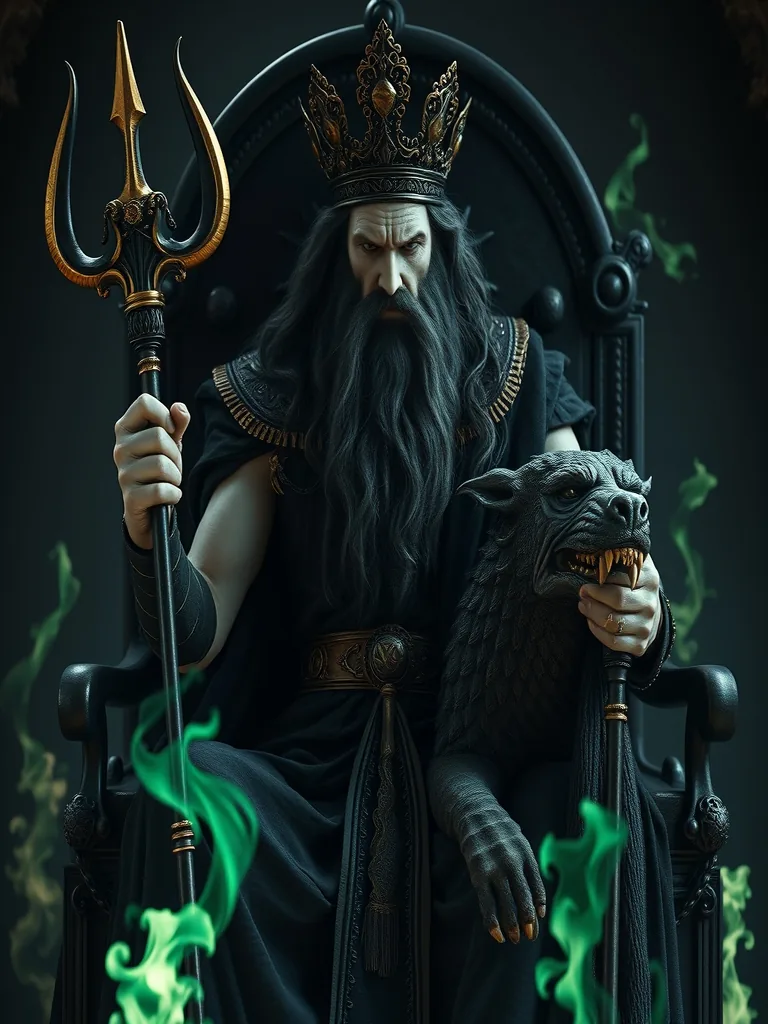
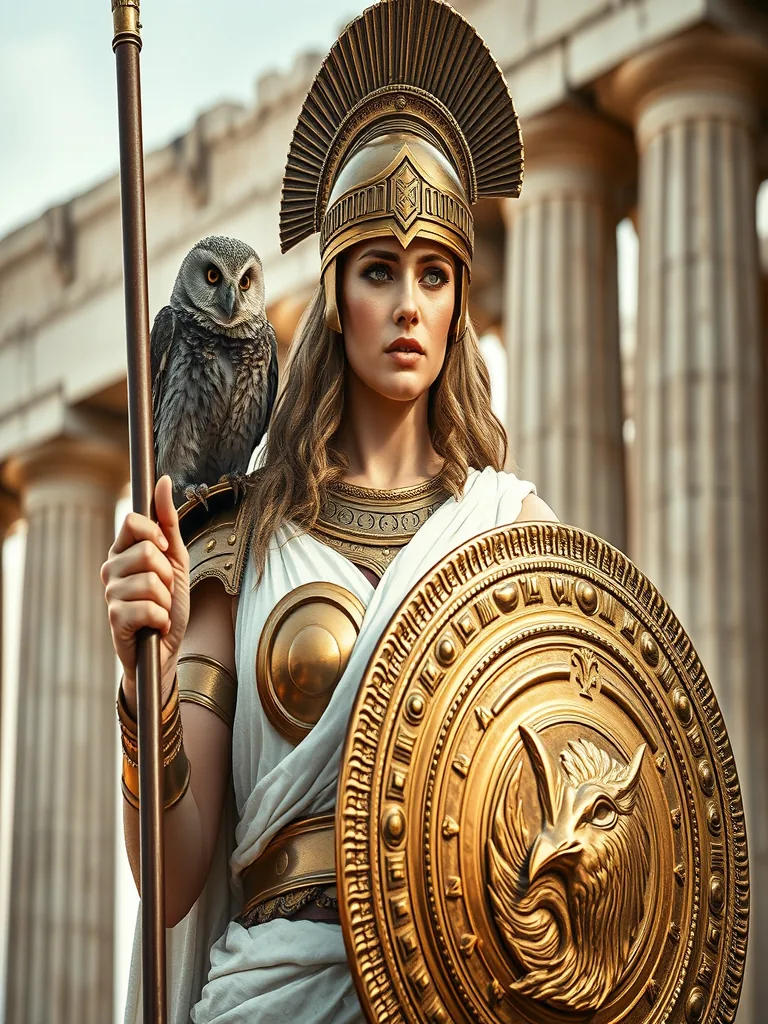
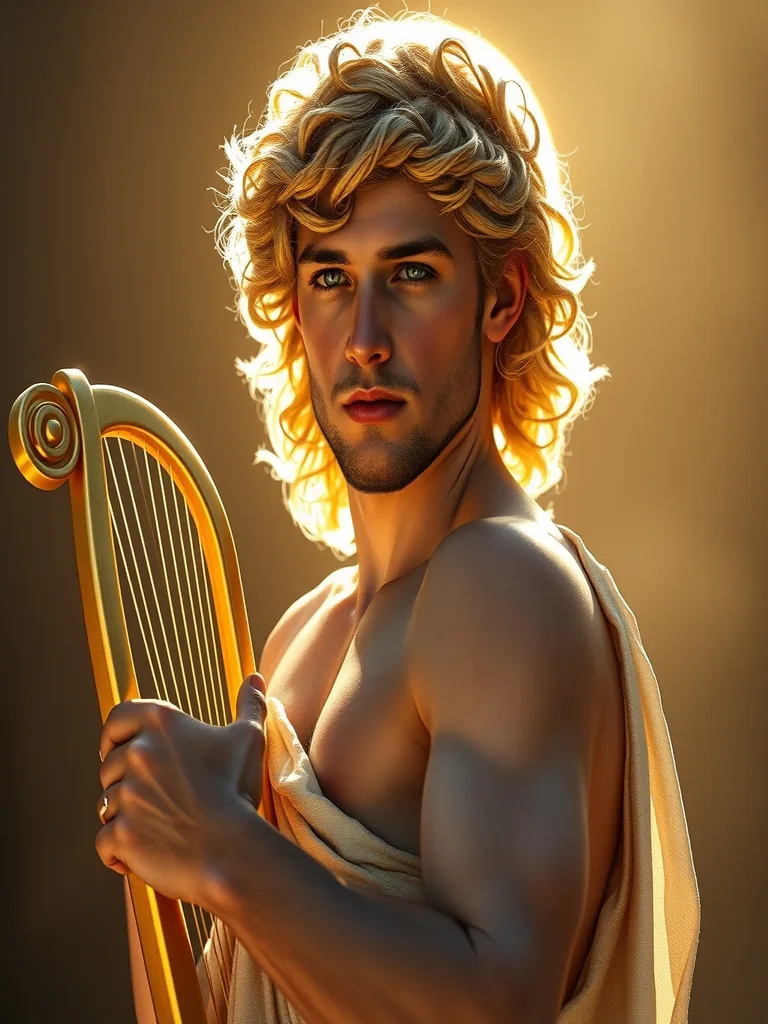
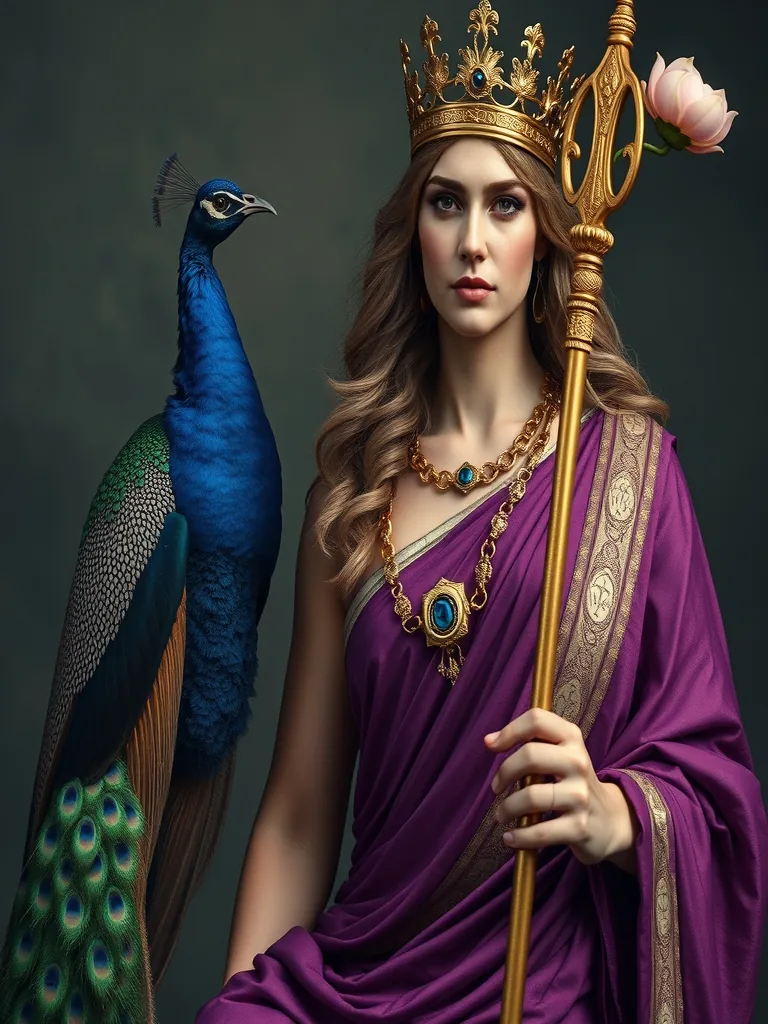
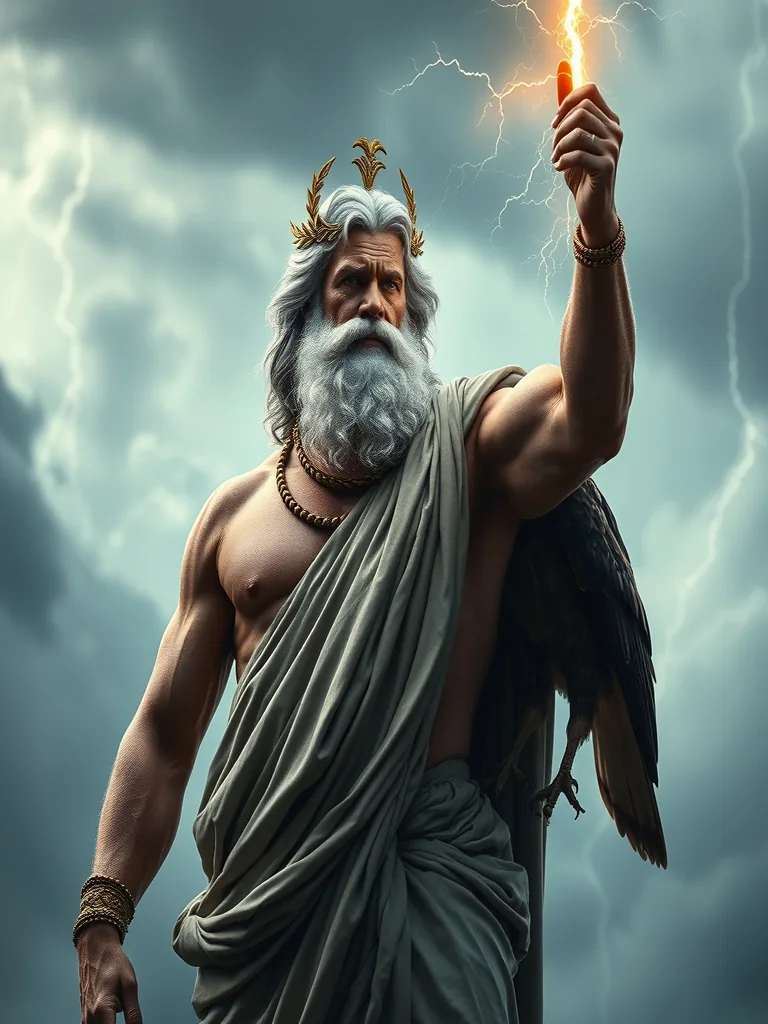
The Olympian gods were worshipped by the city-states of ancient Greece, from Athens to Sparta, which raised them temples such as the Parthenon. Reigning atop Mount Olympus, they presided over every aspect of life and were celebrated in festivals like the Olympic Games. Homer and Hesiod fixed their myths, which shaped all of Western culture.

The Olympic Games were held every four years in honor of Zeus, and the Panathenaea celebrated Athena in Athens. The Eleusinian Mysteries initiated the faithful into the secrets of Demeter and Persephone, while crowds consulted Apollo's oracle at Delphi.

The Sacred Scrolls

Hemera is the majestic and primordial goddess of day, the very personification of the daylight that expels darkness. Born from the shadowy wombs of Erebus and Nyx, she embodies the paradox of light emerging from the deepest darkness of cosmic creation. Alongside her consort and brother, Aether, she completes the luminous duality that allows the world to be seen and admired by mortal creatures. Hemera does not rule the sun itself—that task would later fall to deities like Helios and Apollo—but rather the very essence of the daytime period. Visually, she is described draped in bright, iridescent silks that radiate a soft, comforting warmth, with eyes reflecting the vastness of the morning sky. Her personality is serene, punctual, and unstoppable, an inescapable force of nature that graciously pushes back the shadows with every turn of the world. She is hailed as the great revealer, whose steps open the doors to truth, labor, and human civilization. As a primordial, her power predates the intrigues of the Olympian gods, reigning with ancestral dignity over the cycles of time.

Sacred Symbols

Daybreak, brightness, the daytime sky, shining mantles, morning dew

Divine Lineage

Daughter of Erebus (Darkness) and Nyx (Night). Sister and consort of Aether (Upper Light). Mythical mother of elemental deities in various texts.

The Legendary Myth

The primordial myth of Hemera is not a tale of wars or bloody conquests, but rather the account of the most beautiful cosmic choreography ever drawn in the universe.

Legends & Deeds

An alternative saga rescued from poetic fragments recounts the dispute between Hemera and the goddesses of fate over the living hours of mortals.

Cult & Worship

The formal cult of Hemera did not enjoy the grandiose festivals dedicated to the Olympian gods, but her reverence was continuously and quietly present in the daily life of ancient Greece.

Relics of Power

The mantle of brightness that scatters Nyx's nightly mist and returns the world to mortal eyes. When this veil is shaken, the first rays of pure light sweep across the fields, waking dormant life.

Did You Know?

The Greek word for day, ἡμέρα (hēmera), is the root of many modern terms, such as 'ephemeral' (ephemeros), meaning something that lasts only one day.

The rest of this scroll is sealed

The myth, the legends, the cult, the relic and the curiosity are part of the full Codex. Without a subscription you open 3 scrolls a day.

See Codex PRO

From the same pantheon

View pantheon