Skip to content
CodexMythologia
Back to the Codex
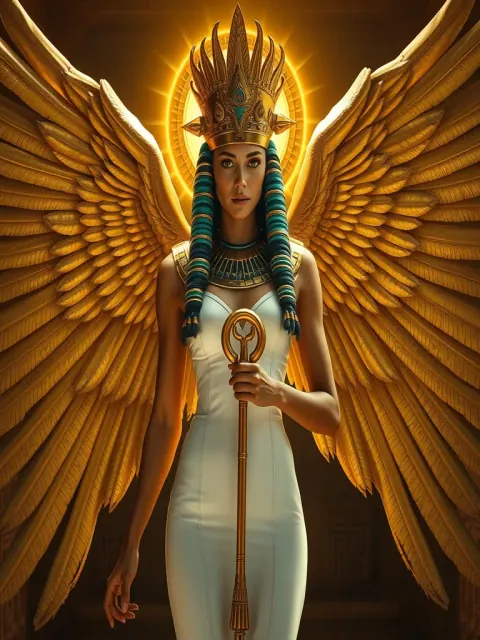
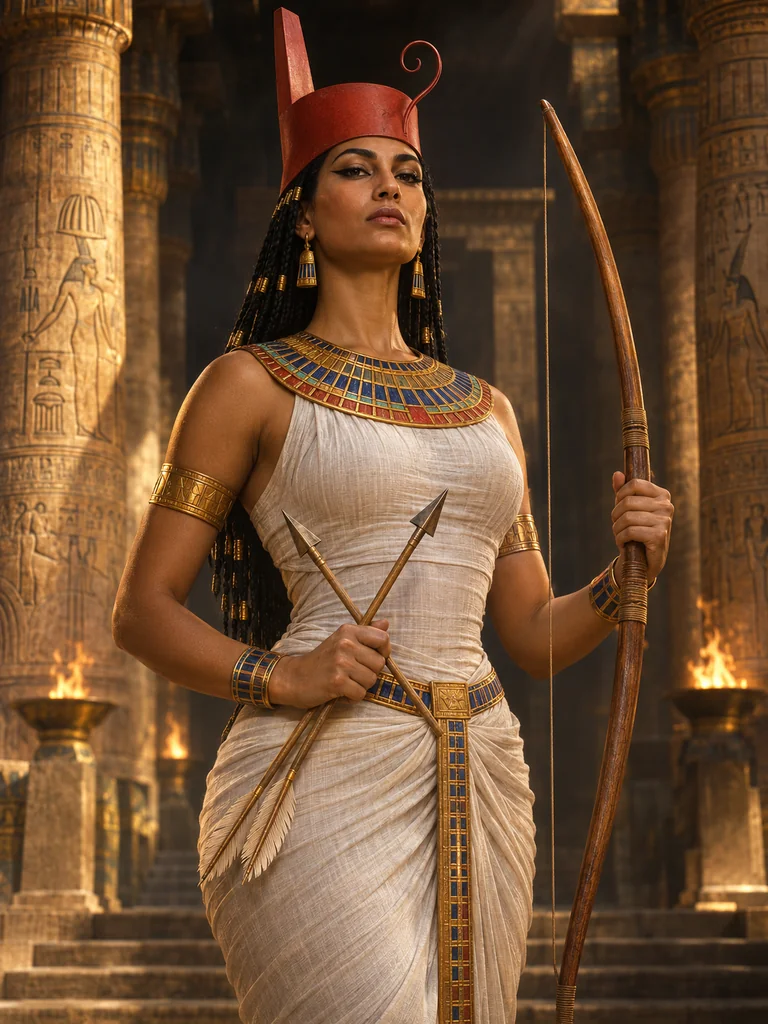
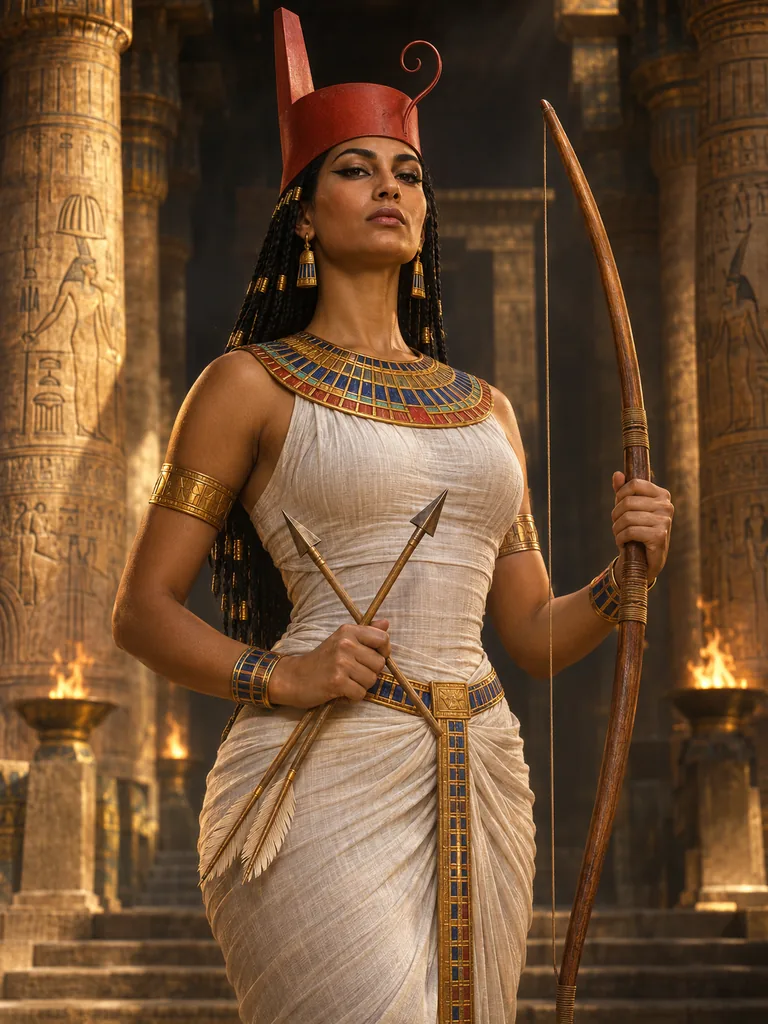
Portrait of Neith, Egyptian deity
Egyptian
Tap or drag
Egyptian

Neith

The Great Mother of Sais

Domain
Creation, War & Protection of the Dead
Alignment
Lawful Neutral
Element
Water
Relics of Power
Shield and Crossed Arrows of Sais
Speak with Neith

The full Codex

5 sections of this entry are open to everyone: the summary, the people, the symbols, the lineage and the sources. The other 9 (Name and epithets, In the ancient sources, The myths, Worship and archaeology, How the god was depicted, What scholars debate, After antiquity, Did you know?, Codex relic) are part of the full Codex: PRO opens the whole study of all 500 deities, and without a subscription you can read one full entry a day, just like in the app.

The People

People
Ancient Egyptians
Region
Nile Valley, Egypt
Period
c. 3100 BC – 400 AD

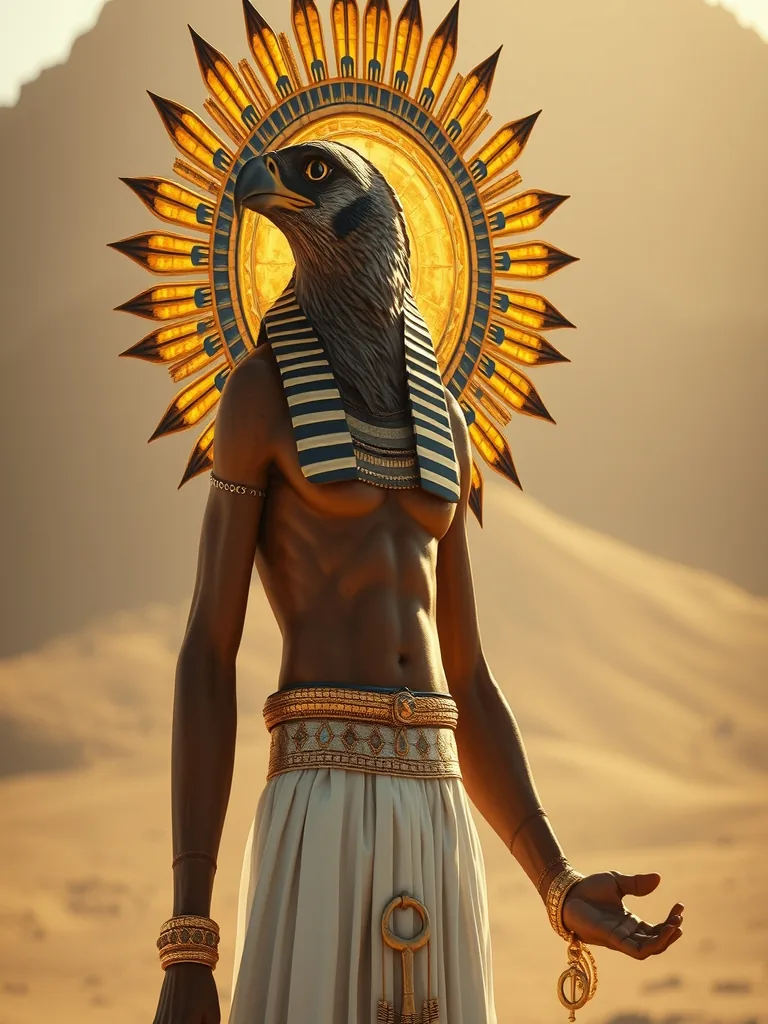
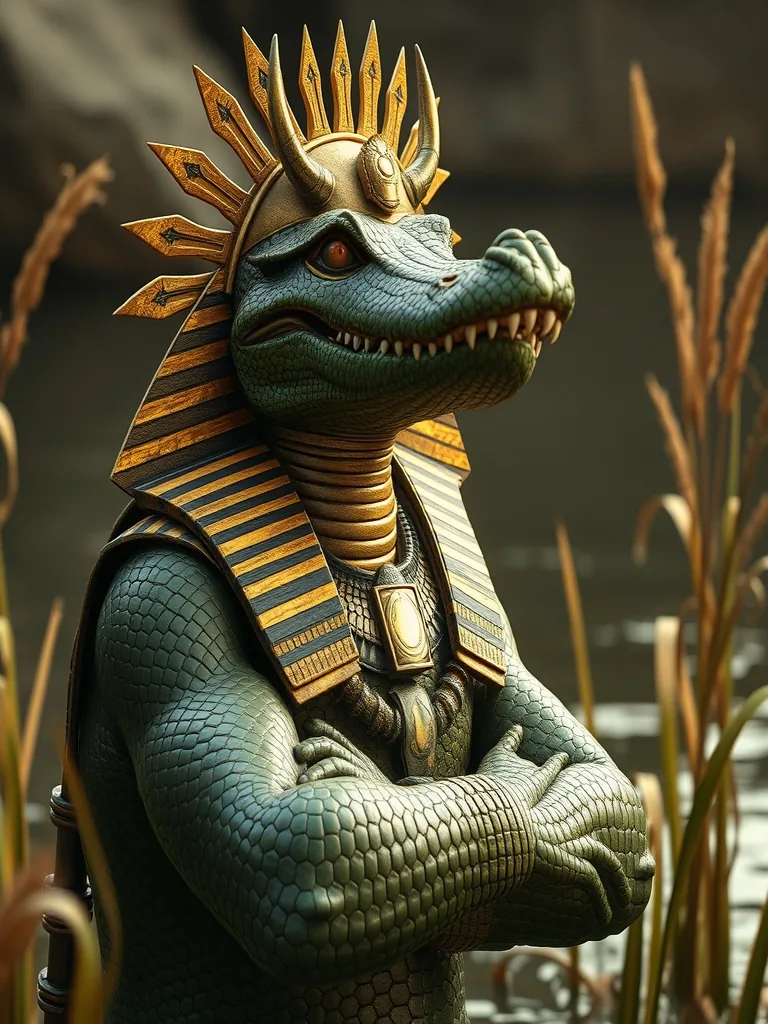
The Egyptian gods were worshipped for over three millennia along the banks of the Nile, with monumental temples at Karnak, Luxor, and Heliopolis. The pharaohs were held to be divine, and life revolved around cosmic order (Maat) and preparation for the afterlife. The cult endured until the rise of Christianity in Roman Egypt.

At the Opet festival, Amun's sacred barque sailed from Karnak to Luxor amid celebrating crowds. In the temples, priests woke, dressed, and fed the god's statue every day, and the Beautiful Festival of the Valley carried the deities to visit the shore of the dead.
At a glance

Neith (Egyptian Nit or Net) is a goddess of the western Delta whose centre was the city of Sais. The open sources read here show her in three overlapping roles: patron of a city and of its kings, mother of Ra and of Sobek, and protector of the dead, one of the four goddesses who guard the coffin and the canopic jars. Herodotus and Plato call her Athena; Plutarch records a statue at Sais whose inscription says that no mortal has lifted the goddess's veil. This study separates what comes from Egyptian texts (the Pyramid Texts, the Contendings of Horus and Seth, the statue of Udjahorresnet) from Greek interpretation, and notes where the synthesis consulted, Budge's work of 1904, is out of date.

11 min read · Reviewed on November 6, 2026 · How we research

Sacred symbols

Shield with two crossed arrows, bow, red crown of the North, sceptre and sign of life

Family

Neith
Children
Genealogy according to Budge, Gods of the Egyptians, vol. 1 (1904), pp. 450-460 (Unas linhas 597 e 620-627; estátua de Udjahorresnet). Nenhuma obra lida dá pais, irmãos ou consorte a Neith. / No work read gives Neith parents, siblings or a consort.

Sources and further reading

Primary sources

  • Herodotus, Histories, book II (chaps. 28, 59, 62, 169, 170, 175). translation: English translation by A. D. Godley, Harvard University Press, 1920. read
  • Plato, Timaeus. translation: English translation by B. Jowett, Project Gutenberg edition. read
  • Plutarch, On Isis and Osiris, chaps. 9 and 62 (Moralia V). translation: English translation by F. C. Babbitt, Loeb Classical Library, 1936. read
  • Chester Beatty Papyrus I, Contendings of Horus and Seth (text and German translation). translation: Thesaurus Linguae Aegyptiae; English translation by M. Lichtheim, vol. 2, pp. 214-223. read

Studies

  • Budge, E. A. Wallis, The Gods of the Egyptians, vol. 1 (pp. 450-460). Methuen, London, 1904. open
  • Lichtheim, Miriam, Ancient Egyptian Literature, vol. 2: The New Kingdom. University of California Press, Berkeley, 1976. open
  • Wilkinson, Richard H., The Complete Gods and Goddesses of Ancient Egypt (listed as further reading; not opened in this study). Thames & Hudson, London, 2003.

Name and epithets

The Egyptian texts write the name Nit or Net; Budge uses both forms and the spelling Neith, which is the modern convention in English.

In the ancient sources

Pyramid Texts (pyramids of Unas, Teti and Pepi I), Old Kingdom; exact dating not checked in the works read. Net appears beside Tatet, as mother of Sobek and as one of the four protective goddesses.

The myths

The mother who gave birth to the sun. The core of every source on Neith is the birth of Ra. Budge gathers three testimonies.

Worship and archaeology

The centre of the cult was Sais, the capital of the fifth nome of Lower Egypt, where the goddess's temple was called the «House of Net».

How the god was depicted

The figure Budge describes from Lanzone's drawings is that of a woman wearing the red crown of the North and holding a sceptre in one hand and the sign of life in the other; sometimes the hand with the sceptre also gras…

What scholars debate

Huntress, weaver or primeval waters?. Budge gives three readings for the origin of Neith and does not firmly choose any.

After antiquity

For the Greeks, Sais was a source of ancient wisdom. Plato has Solon visit the city and hear from a priest that the Hellenes are always children, because they keep no memory of periods before the catastrophes.

Did you know?

Herodotus thought that the scribe of the treasury of Athena at Sais was joking when he claimed to know the sources of the Nile.

Codex relic

Shield and Crossed Arrows of Sais. The emblem of the goddess and of the city of Sais, a shield with two arrows, which guards the road of the living and of the dead.

The rest of this scroll is sealed

The legends, the myth, the cult and relics are part of the full Codex. You can open 1 full entry for free every day; to open all 500 deities with no limits and no ads, subscribe to Codex PRO.

See Codex PROGet it on Google Play

From the same pantheon

View pantheon