Skip to content
CodexMythologia
Back to the Codex
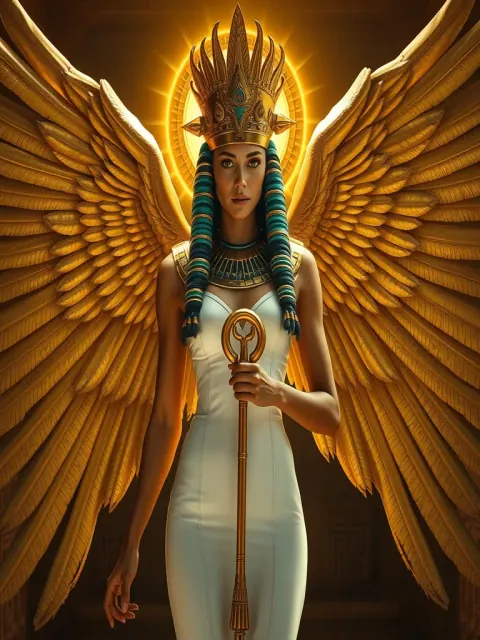
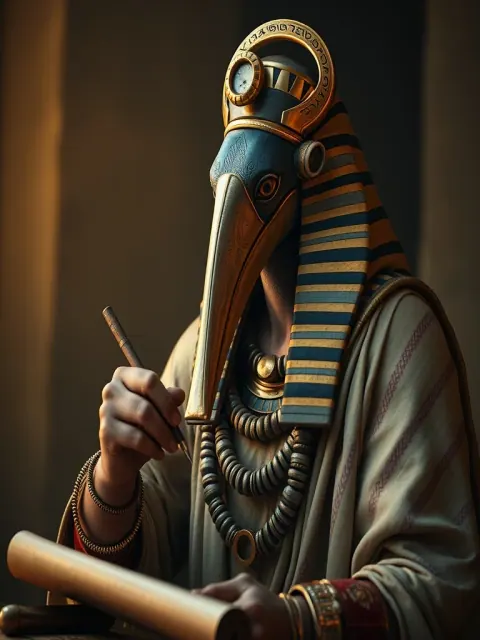
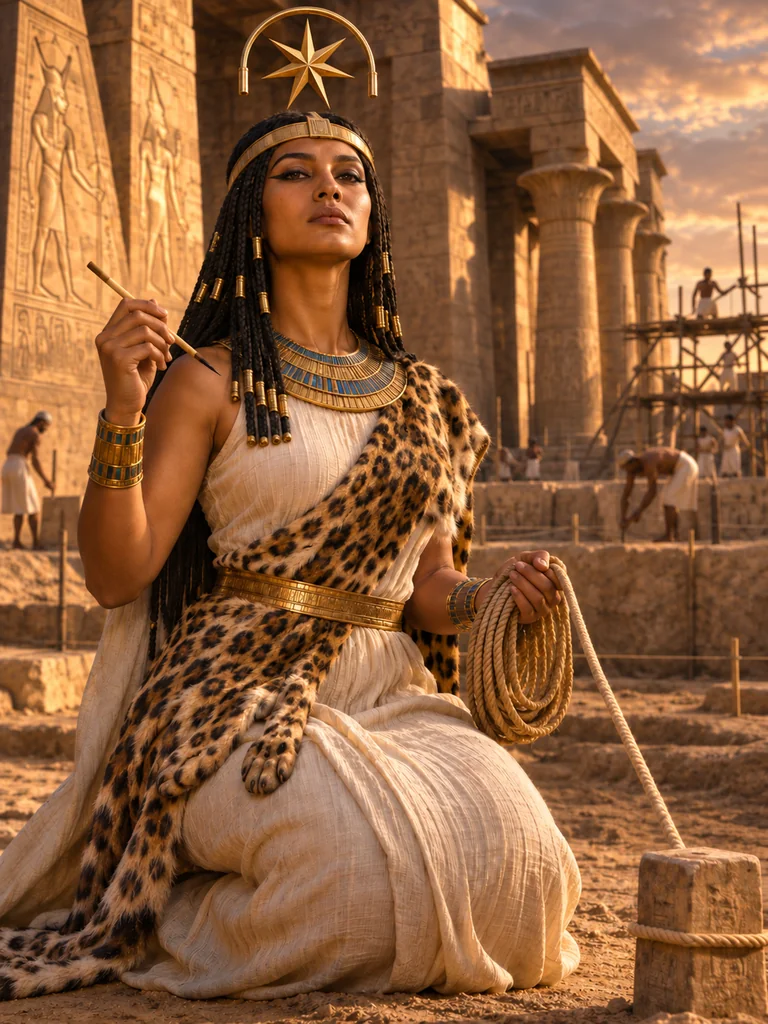
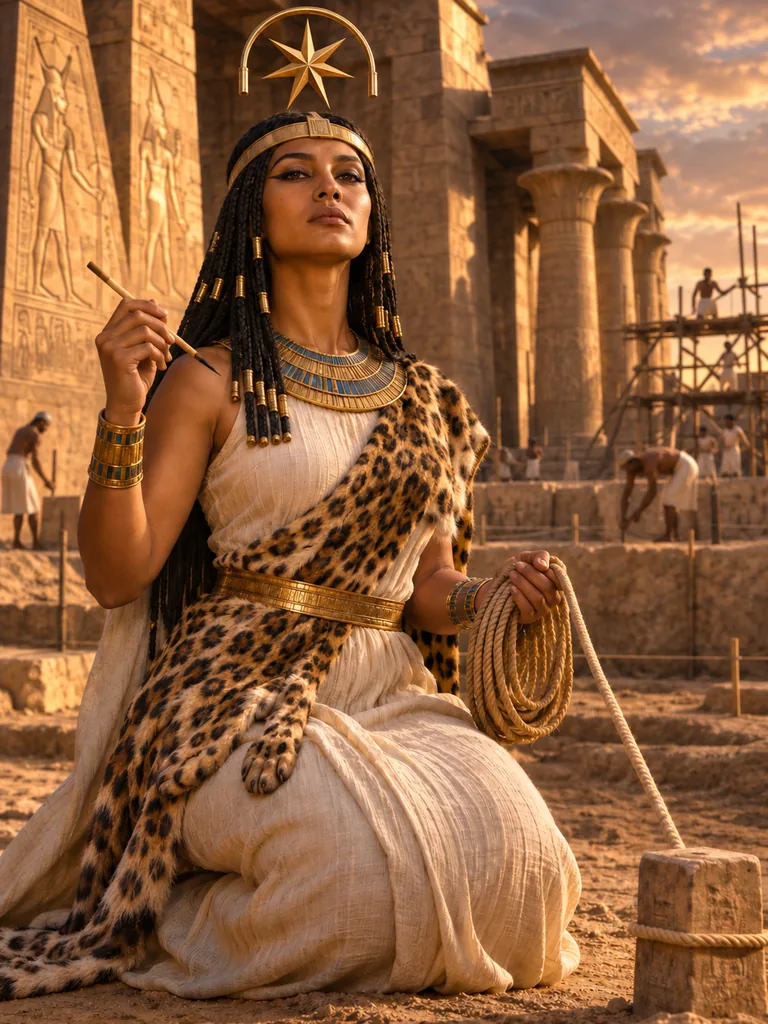
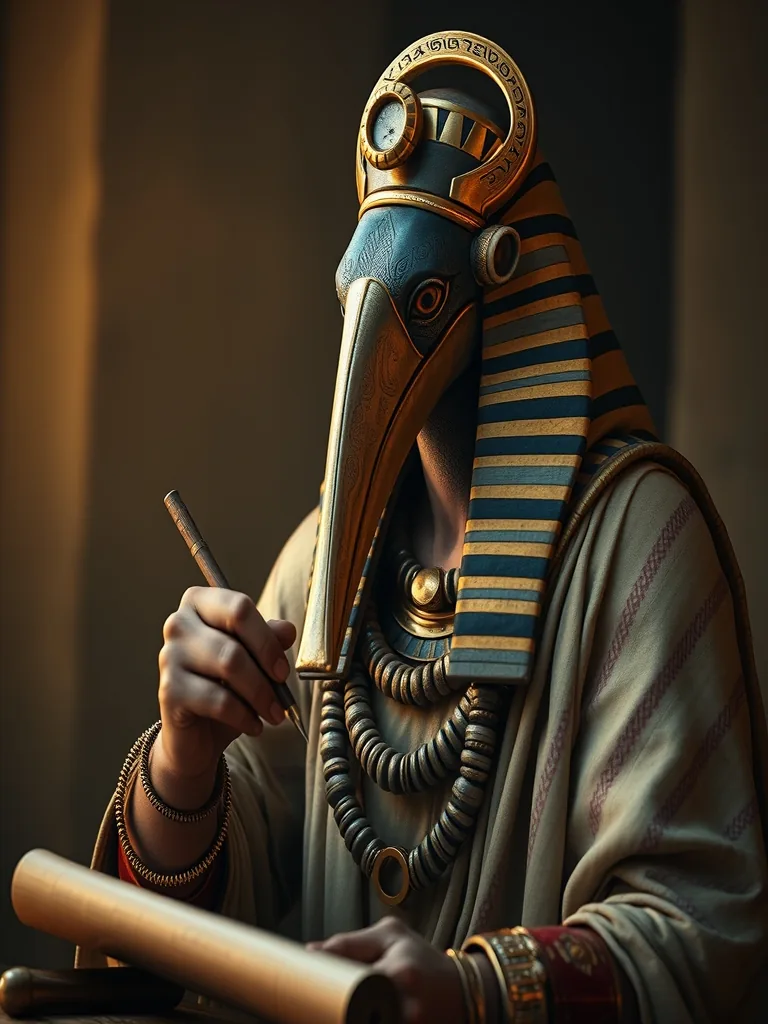
Portrait of Seshat, Egyptian deity
Egyptian
Tap or drag
Egyptian

Seshat

Lady of the House of Books

Domain
Writing, Time & Measuring
Alignment
Lawful Neutral
Element
Air
Relics of Power
Palm Branch of the Years
Speak with Seshat

The full Codex

5 sections of this entry are open to everyone: the summary, the people, the symbols, the lineage and the sources. The other 9 (Name and epithets, In the ancient sources, The myths, Worship and archaeology, How the god was depicted, What scholars debate, After antiquity, Did you know?, Codex relic) are part of the full Codex: PRO opens the whole study of all 500 deities, and without a subscription you can read one full entry a day, just like in the app.

The People

People
Ancient Egyptians
Region
Nile Valley, Egypt
Period
c. 3100 BC – 400 AD

The Egyptian gods were worshipped for over three millennia along the banks of the Nile, with monumental temples at Karnak, Luxor, and Heliopolis. The pharaohs were held to be divine, and life revolved around cosmic order (Maat) and preparation for the afterlife. The cult endured until the rise of Christianity in Roman Egypt.

At the Opet festival, Amun's sacred barque sailed from Karnak to Luxor amid celebrating crowds. In the temples, priests woke, dressed, and fed the god's statue every day, and the Beautiful Festival of the Valley carried the deities to visit the shore of the dead.
At a glance

Seshat is the Egyptian goddess of writing, of the counting of time and of measuring. In the open sources read she almost never appears in a myth: she appears in ritual scenes beside the king, and in captions that call her «lady of books». Her oldest and best documented gesture is the «stretching of the cord», the rite in which the king and the goddess mark on the ground the corners of a temple; one of the oldest known scenes shows King Khasekhemwy, and the foundation text of the temple of Edfu, of 237 BC, still has the king say that he took the cord «in the company of Seshat». For this reason this study is short: it records what the works read show and marks what was not verified, without inventing a myth, a temple or a festival.

The ancient sources on this deity are scarce. This study gathers only what is on record.

8 min read · Reviewed on November 6, 2026 · How we research

Sacred symbols

Seven-rayed sign under an arc on the head, notched palm branch, palette and reed, measuring cord

Family

Parents
Seshat
Children
Heru-nub, the «Horus of gold» (at Lycopolis, according to Budge)
Genealogy according to Budge, Gods of the Egyptians, vol. 1 (1904), p. 426 (Dendera, Licópolis; fala a Seti); Magdolen 2005, p. 45 (contraparte Sšlw). Genealogia varia por local e época. / Genealogy varies by place and period.

Sources and further reading

Primary sources

  • Foundation text of the temple of Edfu, Stretching of the cord (the king's speech), translation by Zaba (1953). translation: English translation in Miranda et al. 2008, p. 57. read
  • Book of the Dead, Chapters LVII, CLII and CLXIX. translation: English translation by Budge, vol. 1, pp. 425-426. read
  • Pyramid Texts (Teti, Unas, Pepi I), Spelling of the name and counterpart Sšlw, edition of Sethe (1908). translation: as described by Magdolen 2005, pp. 45-46. read

Studies

  • Budge, E. A. Wallis, The Gods of the Egyptians, vol. 1 (pp. 424-426). Methuen, London, 1904. open
  • Miranda, Noemi; Belmonte, Juan A.; Molinero, Miguel Angel, Uncovering Seshat: New Insights into the Stretching of the Cord Ceremony. Archaeologia Baltica 10, 2008. open
  • Magdolen, Dušan, The Development of the Sign of the Ancient Egyptian Goddess Seshat down to the End of the Old Kingdom, Part One. Asian and African Studies 14, 2005. open
  • Budde, Dagmar, Die Göttin Seschat (listed as further reading; not opened in this study). Leipzig, 2000.
  • Wilkinson, Richard H., The Complete Gods and Goddesses of Ancient Egypt (listed as further reading; not opened in this study). Thames & Hudson, London, 2003.

Name and epithets

The name comes from a word that Magdolen translates as «the female scribe» (the feminine form of scribe); the exact etymology, he says, is not known.

In the ancient sources

Palermo Stone, 1st Dynasty, c. 3000 BC, reign probably of Den. The earliest representation of the rite, with the goddess's sign in a form like that of the Old Kingdom.

The myths

The stretching of the cord. The rite called the «stretching of the cord» fixed the plan of a temple before the work began: the king and the goddess held two stakes joined by a cord and stretched it to mark the axis and…

Worship and archaeology

The open works read describe no temple, priesthood, festival or offerings of Seshat's own, and this study does not claim that they existed.

How the god was depicted

The reliefs show Seshat as a woman, often dressed in a panther skin or in a dress with shoulder straps, with bracelets, hair tied by a headband and her own sign over her head.

What scholars debate

What is the sign on her head?. Magdolen says that, after more than a hundred years of research, the question remains unanswered.

After antiquity

The works read do not deal with the later reception of Seshat. What is on record is that her representation in the founding rite lasts from the 2nd Dynasty to the Roman period, according to Miranda et al., and that the…

Did you know?

The earliest representation of the stretching of the cord, on the Palermo Stone, is attributed to a king of the 1st Dynasty, probably Den, around 3000 BC; the oldest scene with the goddess drawn shows King Khasekhemwy.

Codex relic

Palm Branch of the Years. The notched branch on which the goddess counts and records the king's years, and the cord with which she marks the corners of a temple.

The rest of this scroll is sealed

The legends, the myth, the cult and relics are part of the full Codex. You can open 1 full entry for free every day; to open all 500 deities with no limits and no ads, subscribe to Codex PRO.

See Codex PROGet it on Google Play

From the same pantheon

View pantheon