Skip to content
CodexMythologia
Back to the Codex
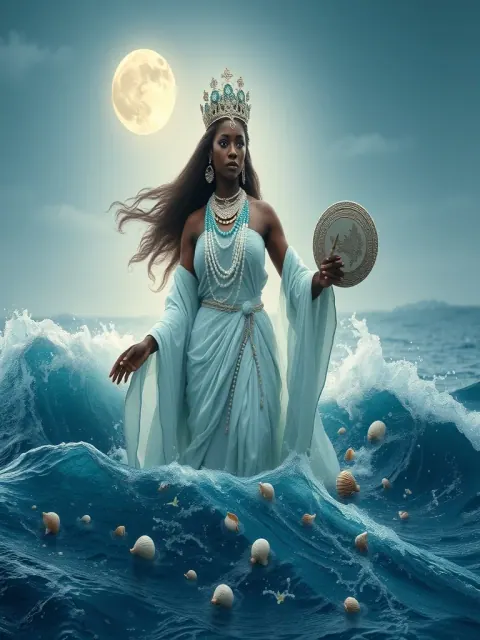
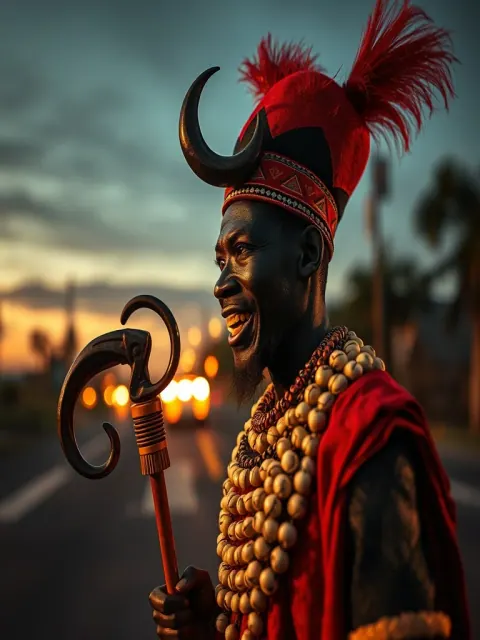
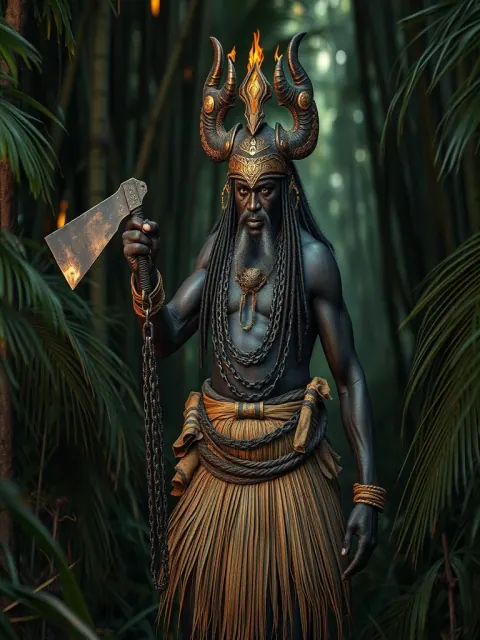
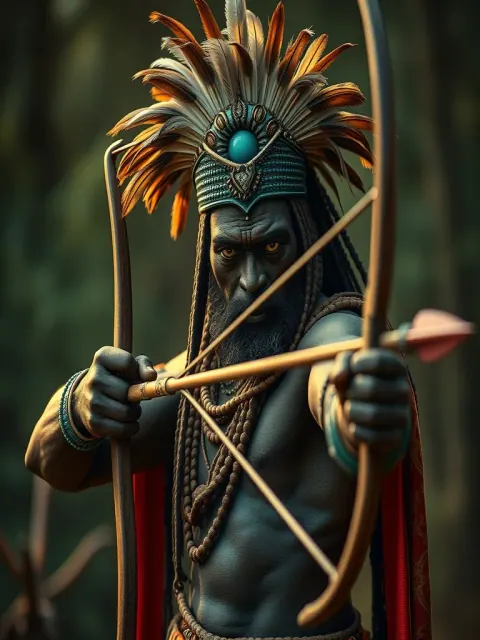
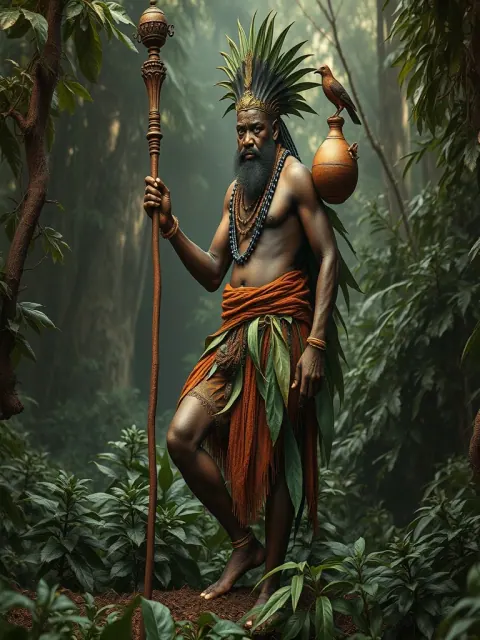
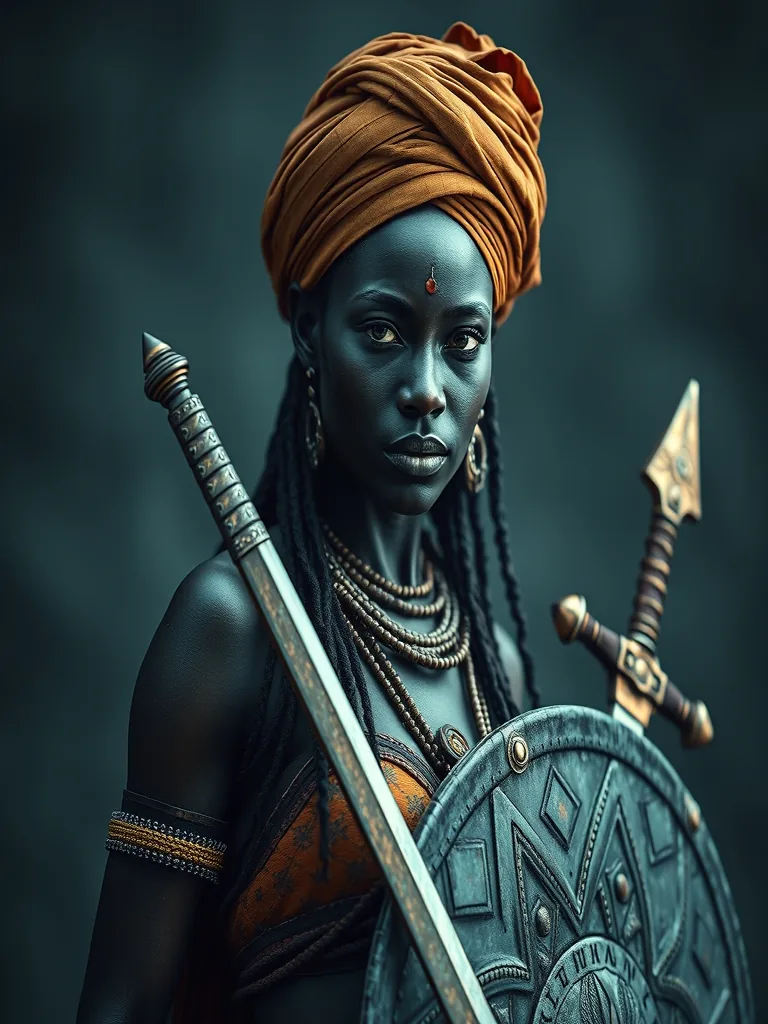
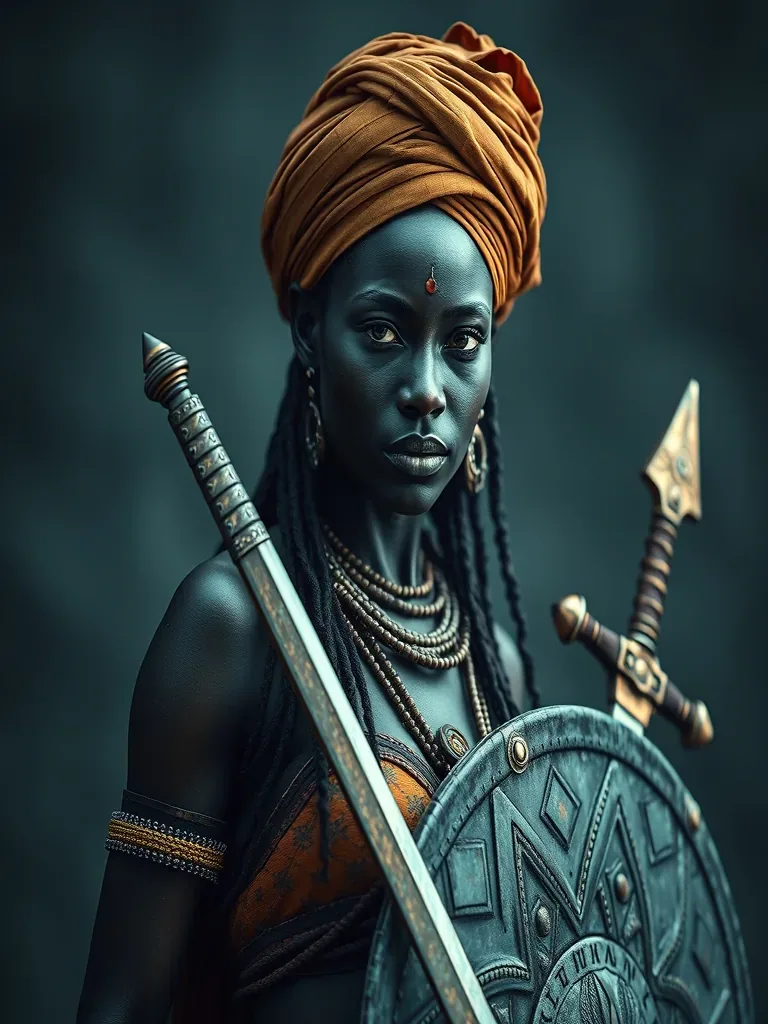
Portrait of Obá, Yoruba deity
Yoruba
Tap or drag
Yoruba

Obá

The Warrior of the Obá River

Domain
Rivers, War & Devotion
Alignment
Chaotic Neutral
Element
Water
Relics of Power
Shield and Sword
Speak with Obá

The full Codex

5 sections of this entry are open to everyone: the summary, the people, the symbols, the lineage and the sources. The other 9 (Name and epithets, In the ancient sources, The myths, Worship and archaeology, How the god was depicted, What scholars debate, After antiquity, Did you know?, Codex relic) are part of the full Codex: PRO opens the whole study of all 500 deities, and without a subscription you can read one full entry a day, just like in the app.

The People

People
Yoruba people
Region
West Africa & the diaspora
Period
c. 1000 AD – present

The orixás are worshipped by the Yoruba people of present-day Nigeria and Benin, with Ile-Ife as their spiritual center. Through the slave trade, their faith crossed the Atlantic and flourished in the Americas as Candomblé, Santería, and Vodou. It is today one of the most living and widespread African religious traditions in the world.

The Osun festival in Osogbo, Nigeria, draws thousands to the sacred grove of the Osun river, a UNESCO heritage site. The Ifá oracle guides decisions through the odus, and in Brazil the Candomblé terreiros honor each orixá with their own drums, dances, colors, and foods.
At a glance

Obá (in the learned Yoruba spelling Ọbà, revered with the solemn titles Ọbà Onílé and Ọbà L'ojú) is the fearless orisha of the turbulent waters of the River Obá, of martial courage, nobility of spirit and sacrificial love in the traditional Yoruba religion and in Afro-Atlantic traditions. As the first legitimate wife and mistress of the palace of the monarch Shango in Oyó, Obá stands out for her vigorous physical strength and her mastery of the traditional art of bodily combat (ìjàkadì), being able to defeat male generals in public tournaments using the copper shield and the sharp sabre (ofange). Her most famous and moving myth recounts the sacrifice of her left ear, cut off to cook a broth supposedly enchanted through the trickery of her palace rival Oxum; repudiated by Shango's wrath upon discovering the bloody mutilation, Obá transformed herself into the swift and dangerous currents of the River Obá, which to this day meets the waters of Oxum in impetuous whirlpools. In the candomblé terreiros she is revered as the great protector of combative women, embodying unbending dignity in the face of betrayal and pain.

6 min read · Reviewed on September 29, 2026 · How we research

Sacred symbols

The shield, the sword, the river and the ear

Family

Obá
Genealogy according to Corpus de Ifá (Odu Òdí Méjì, Òtúrá Méjì); Pierre Verger (1957, 1981); Henry John Drewal & Margaret Thompson Drewal (1983); William Bascom (1969); Vivaldo da Costa Lima (2010)

Sources and further reading

Primary sources

  • Henry John Drewal e Margaret Thompson Drewal, Gelede: Art and Female Power among the Yoruba. translation: Bloomington: Indiana University Press, 1983.
  • Pierre Verger, Grandeurs et décadences du culte d'Oba en pays Yoruba. translation: Dakar: Bulletin de l'Institut Français d'Afrique Noire, 1965.
  • Wande Abimbola, Awon Oju Odu Mereerindinlogun: Appendix of the Sixteen Major Odus. translation: Ibadan: Oxford University Press, 1977 (verses of Òdí Méjì).

Studies

  • Deoscoredes Maximiliano dos Santos (Mestre Didi), História de Um Terreiro Nagô: Crônica Histórica do Ilê Axé Opô Afonjá. Editora Max Limonad, São Paulo, 1988.
  • Bolanle Awe, Nigerian Women in Historical Perspective. Sankore / Bookcraft, Ibadan, 1992.
  • Oyeronke Oyewumi, What Gender is Motherhood? Changing Yoruba Ideals of Power, Procreation, and Identity. Palgrave Macmillan, Nova York, 2016.

Name and epithets

The theonym Ọbà is linguistically tied to the Yoruba noun that designates royalty, firmness and the course of the river of the same name (Odò Ọbà), a tributary of the river Oxum that runs through southwestern Nigeria.

In the ancient sources

Corpus Canônico de Ifá (Odu Òdí Méjì), Oral tradition of the Babalawo priests.. Sacred poetry that recounts the sacrifice of Obá's ear and the conflict of the river waters.

The myths

The Dispute over the Royal Heart and the Sacrifice of the Ear. As documented in the Odu Òdí Méjì of the Ifá corpus and recorded by ethnographers in Oyó and in Bahia, the wives of King Shango competed for the affection o…

Worship and archaeology

The traditional cult of Obá is located in the region of the cities of Ogbomoso and Iwo, in Nigeria, and spreads through the terreiro communities of candomblé Ketu and Jeje in Brazil.

How the god was depicted

Obá's iconographic attributes synthesize her military vocation and her bond with the turbulent waters. Her primary symbol is the curved sabre or forged iron scimitar (ofange), held beside a round shield made of polished…

What scholars debate

The Dialectic of Sacrifice versus Female Resistance. Contemporary scholars of gender and African religion debate the interpretation of the myth of Obá's ear.

After antiquity

Obá is celebrated in Afro-Brazilian literature and theatre as an emblem of the tenacity and resilience of Black women, starring in black theatre plays and inspiring academic research on female warrior leadership in the…

Did you know?

During the songs and ritual dances dedicated to Obá in the traditional terreiros, initiates are strictly forbidden to laugh or touch the left ear of the possessed daughters of saint, under penalty of incurring the immed…

Codex relic

Shield and Sword. The weapons of the warrior orixá who defends her river and her honor with strength and bravery.

The rest of this scroll is sealed

The legends, the myth, the cult and relics are part of the full Codex. You can open 1 full entry for free every day; to open all 500 deities with no limits and no ads, subscribe to Codex PRO.

See Codex PROGet it on Google Play

From the same pantheon

View pantheon