Skip to content
CodexMythologia
Back to the Codex
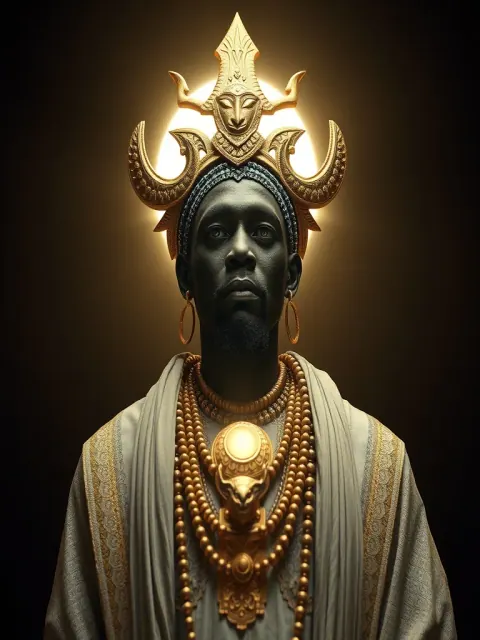
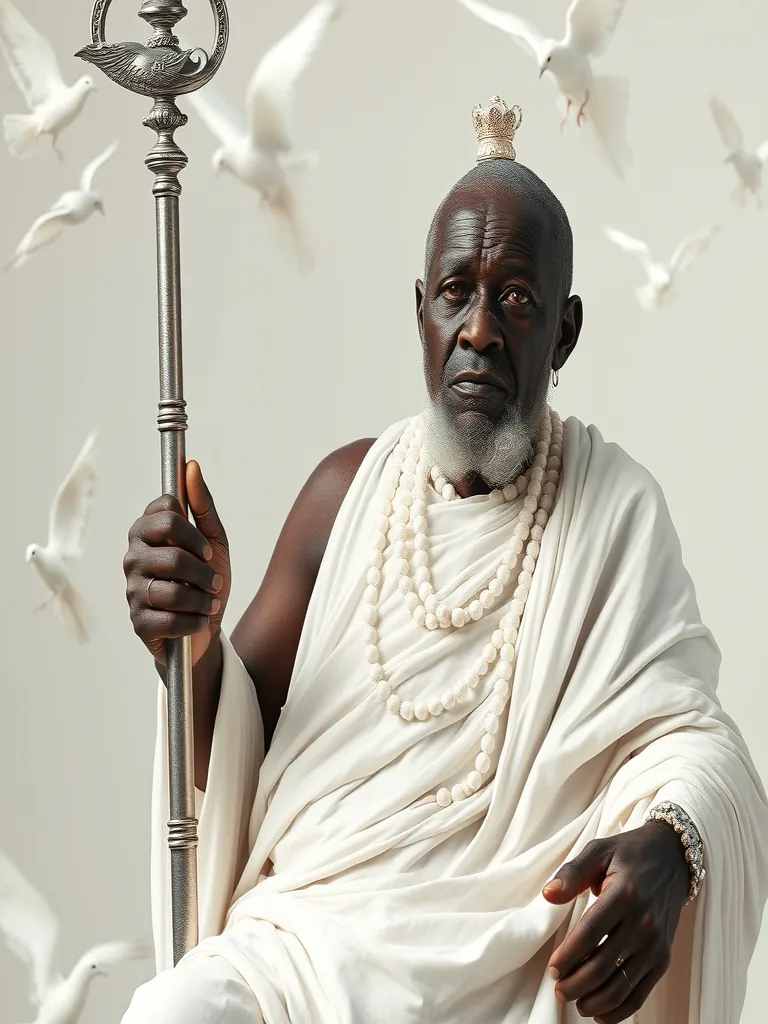
Portrait of Oxala, Yoruba deity
Yoruba
Tap or drag
Yoruba

Oxala

The Father of Creation

Domain
Creation, Peace & Purity
Alignment
Lawful Good
Element
Light
Relics of Power
Silver Opaxoro
Speak with Oxala

The full Codex

4 sections of this entry are open to everyone: the summary, the people, the symbols, the lineage and the sources. The other 9 (Name and epithets, In the ancient sources, The myths, Worship and archaeology, How the god was depicted, What scholars debate, After antiquity, Did you know?, Codex relic) are part of the full Codex: PRO opens the whole study of all 500 deities, and without a subscription you can read one full entry a day, just like in the app.

The People

People
Yoruba people
Region
West Africa & the diaspora
Period
c. 1000 AD – present

The orixás are worshipped by the Yoruba people of present-day Nigeria and Benin, with Ile-Ife as their spiritual center. Through the slave trade, their faith crossed the Atlantic and flourished in the Americas as Candomblé, Santería, and Vodou. It is today one of the most living and widespread African religious traditions in the world.

The Osun festival in Osogbo, Nigeria, draws thousands to the sacred grove of the Osun river, a UNESCO heritage site. The Ifá oracle guides decisions through the odus, and in Brazil the Candomblé terreiros honor each orixá with their own drums, dances, colors, and foods.
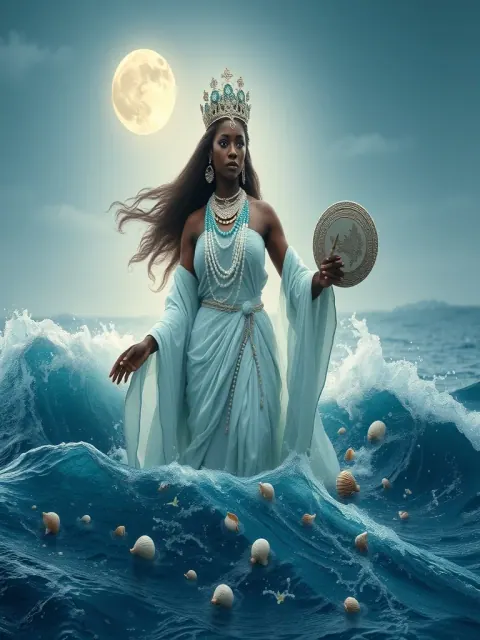
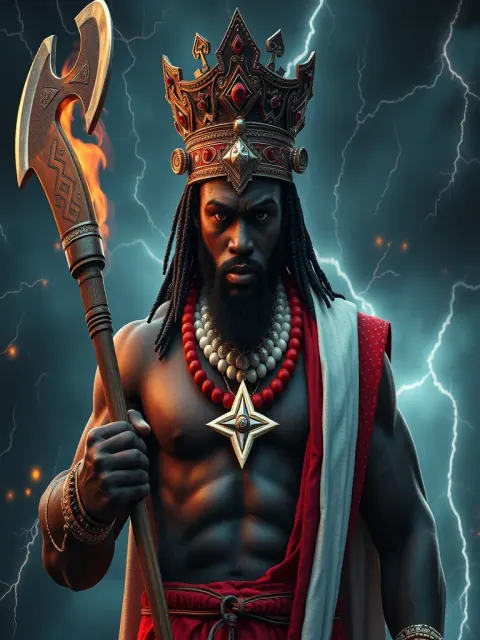
At a glance

Oxalá is the name by which Afro-Brazilian traditions worship the orisha related to Ọbàtálá and Òrìṣà-nlá in Yoruba traditions. Accounts of the origin of Ilé-Ifẹ̀ assign him a mission from Olódùmarè; different versions divide the making of the land between him and Odùduwà. Moulding human bodies from clay is another central role. White, ritual restraint, and seniority appear in testimonies from different times and places. In Bahia, reverence for Oxalá is part of the Washing of Bonfim. These connections do not make every Yoruba narrative and every Brazilian practice identical.

8 min read · Reviewed on October 13, 2026 · How we research

Sacred symbols

The color white, the Opaxorô staff, the dove and cotton

Sources and further reading

Primary sources

  • A. B. Ellis, The Yoruba-Speaking Peoples of the Slave Coast of West Africa, pp. 38-40. read
  • A. B. Ellis, The Yoruba-Speaking Peoples of the Slave Coast of West Africa, pp. 39-40. read
  • A. B. Ellis, The Yoruba-Speaking Peoples of the Slave Coast of West Africa, p. 40. read

Studies

  • Akinwumi Ogundiran, A Mosaic of Yorùbá Ontology and Materiality of Pleasure Since AD 1000. 2022. open
  • Luiz L. Marins, Òrìsà dídá ayé: Ọbàtálá and the creation of the Yoruba world. 2012. open
  • Agai M. Jock, Samuel Johnson's view about Oduduwa in connection with the origins of the Yoruba. 2020. open
  • Iphan, Supplementary report: Festival of the Lord Good Jesus of Bonfim. open
  • Biblioteca Nacional Digital, Washing of Bonfim (Lavagem do Bonfim). open
  • Reginaldo Prandi, Deuses africanos no Brasil contemporâneo (sociological introduction to present-day candomblé). 1995. open

Name and epithets

The Brazilian name Oxalá is related to Òrìṣà-nlá, an expression usually understood as 'great orisha', and to the name Ọbàtálá.

In the ancient sources

The Yoruba-Speaking Peoples of the Slave Coast of West Africa, 1894. A colonial written record of oral traditions; it preserves descriptions of white, clay, and titles, but requires critical reading.

The myths

Land upon the waters and the contested mission. In one version of the origin of Ilé-Ifẹ̀ examined by the study of Odùduwà, Olódùmarè wants land to form where there was water.

Worship and archaeology

Ellis and Ogundiran associate Ọbàtálá with white and abstention from palm wine. Ellis described white garments, objects painted white, and offerings of snails in his late nineteenth-century record.

How the god was depicted

White is documented in different records. Ellis described the white cloth, devotees' clothing, and white objects linked to Obatala.

What scholars debate

Who formed the first landá. The studies consulted bring together narratives that differ on decisive points. In one, Ọbàtálá becomes drunk before carrying out the task and Odùduwà forms the land.

After antiquity

In Salvador, the association between Oxalá and Senhor do Bonfim is part of a Brazilian religious history documented by the National Library and Iphan.

Did you know?

Alongside clay, Ellis records titles associated with modelling and observes that the stories about who made the first humans did not agree with one another.

Codex relic

Silver Opaxoro. A sacred silver staff that drives away discord and radiates unconditional peace.

The rest of this scroll is sealed

The legends, the myth, the cult and relics are part of the full Codex. You can open 1 full entry for free every day; to open all 500 deities with no limits and no ads, subscribe to Codex PRO.

See Codex PROGet it on Google Play

From the same pantheon

View pantheon