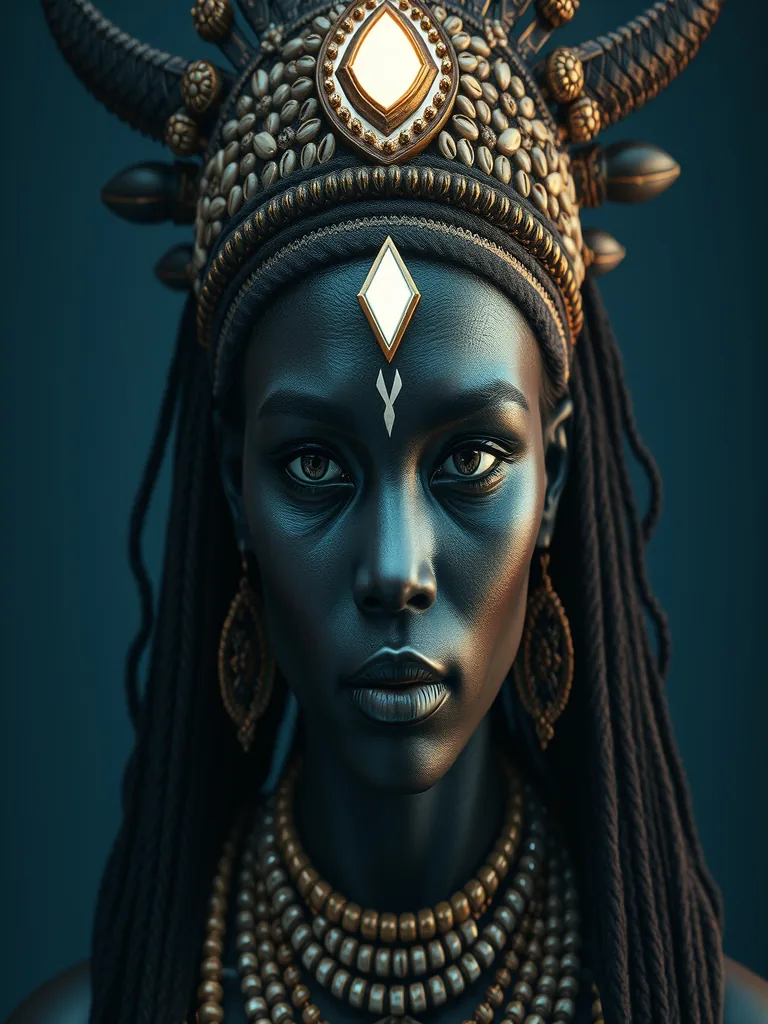
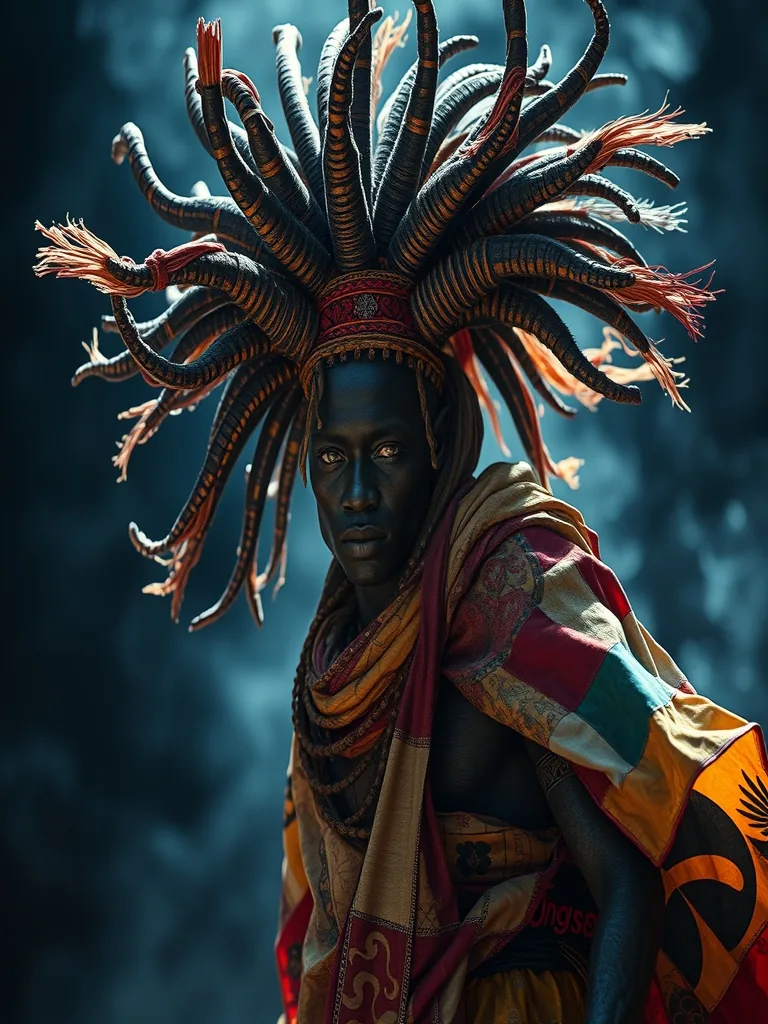
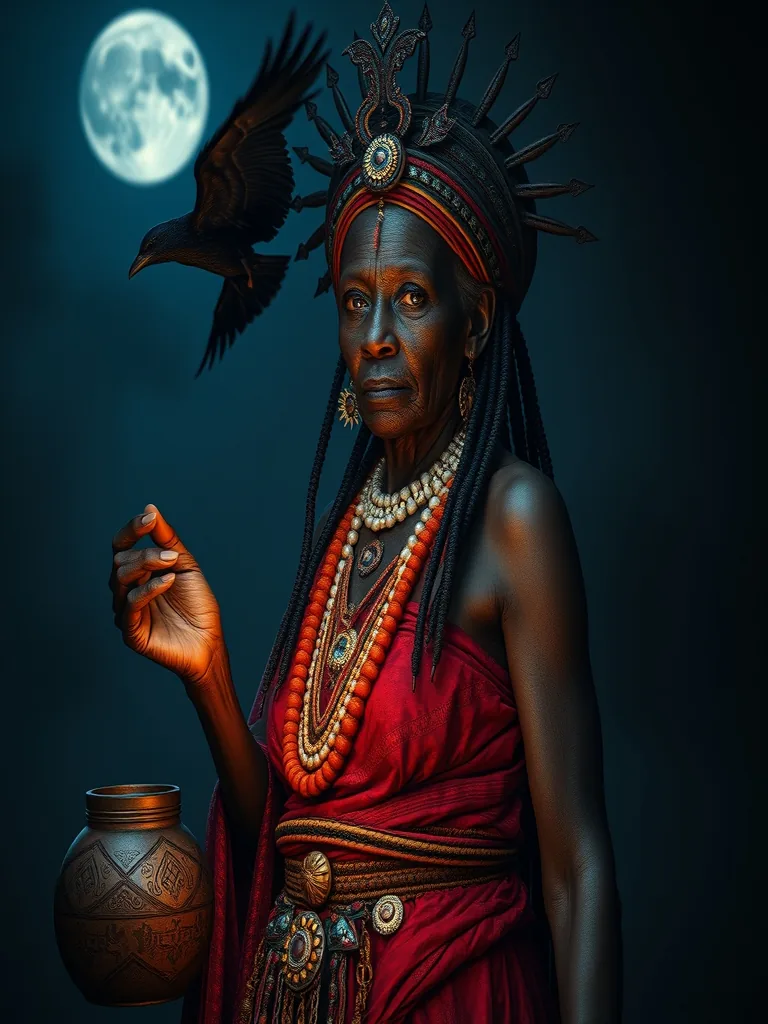
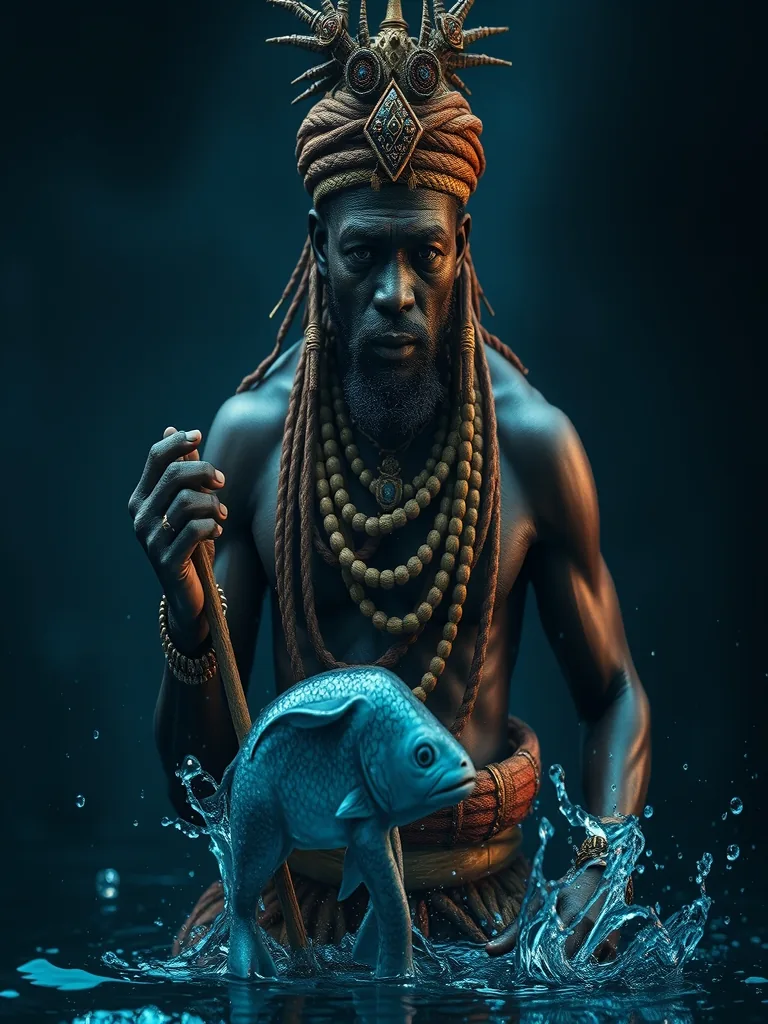
Yoruba
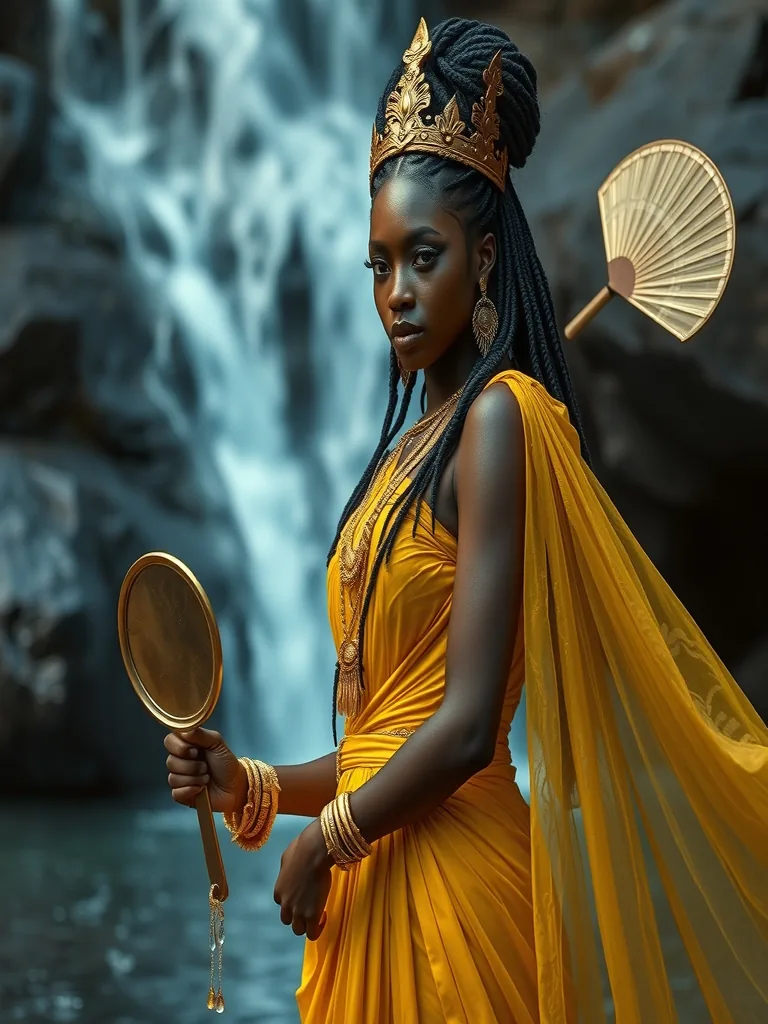
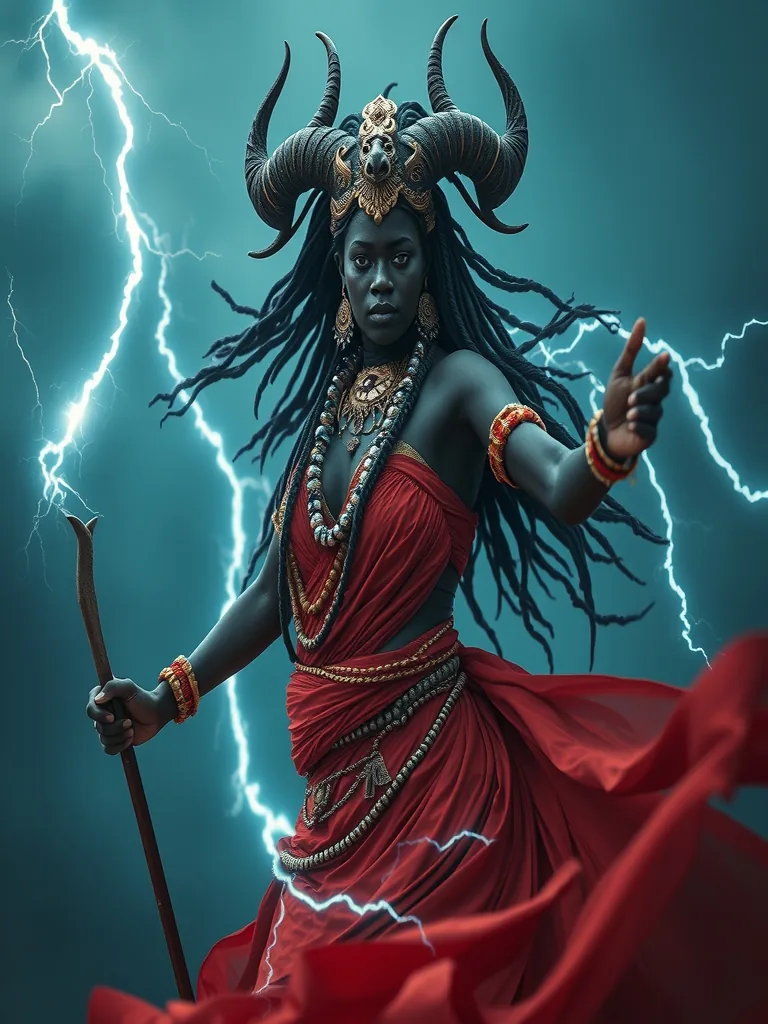
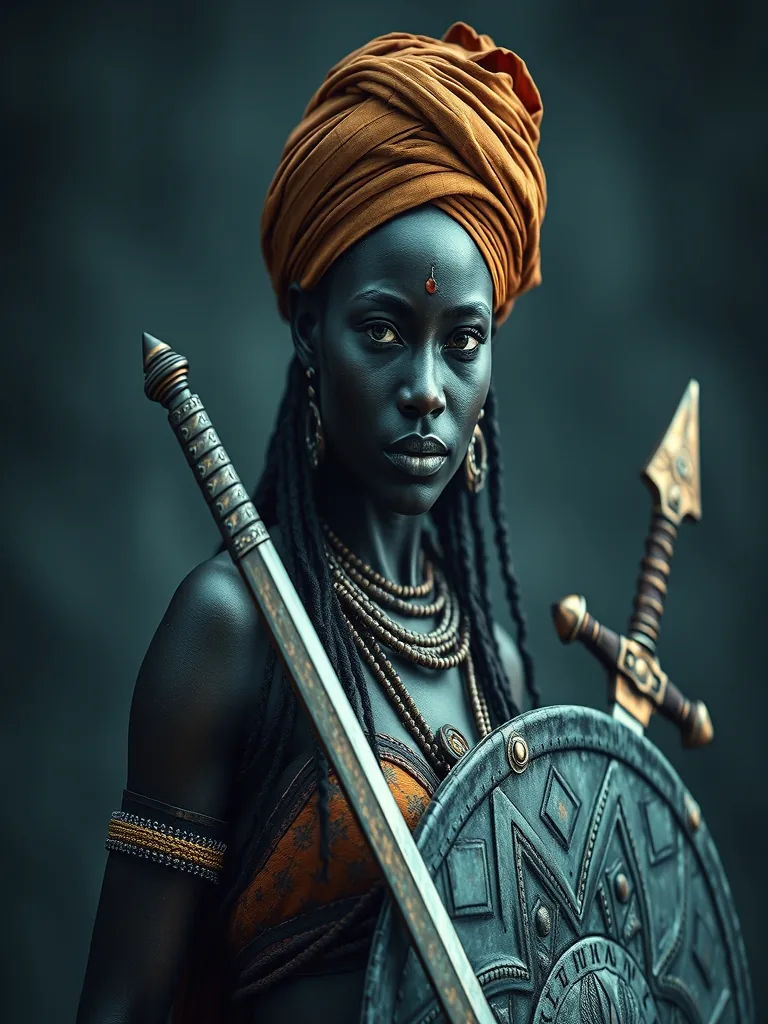
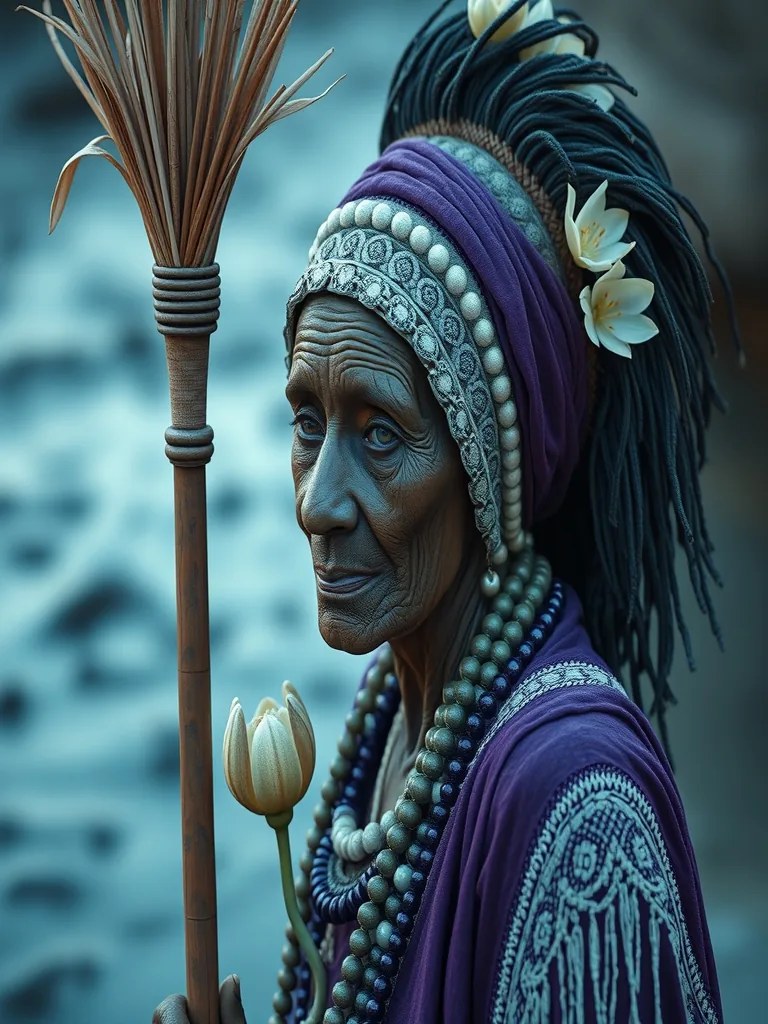
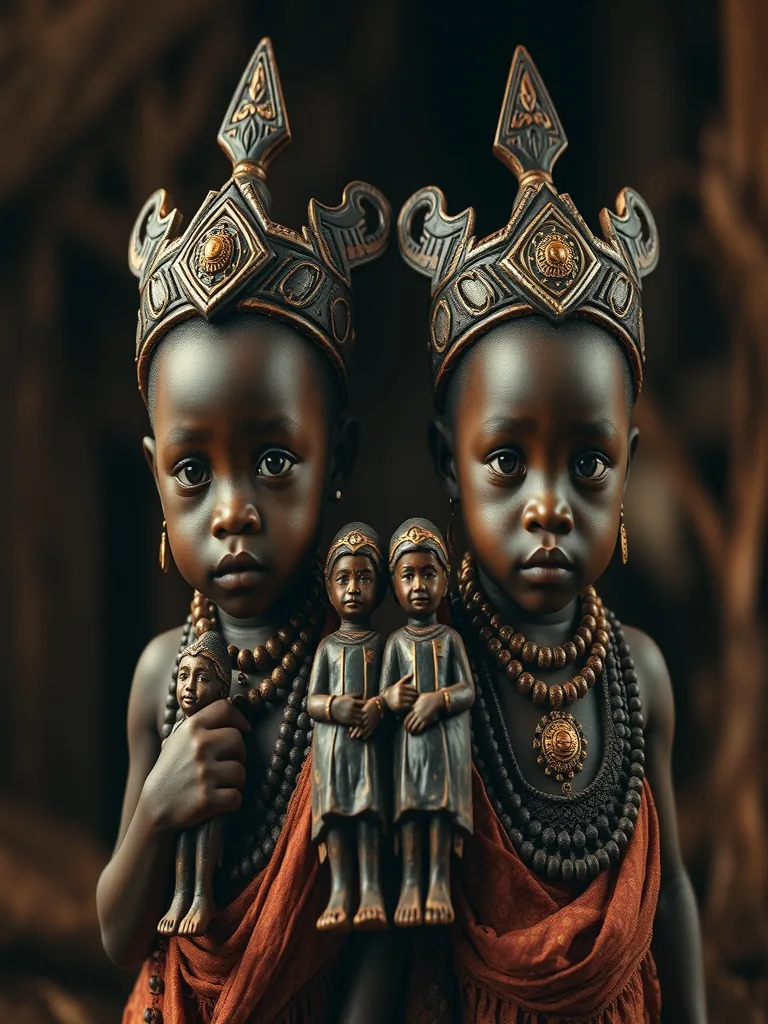
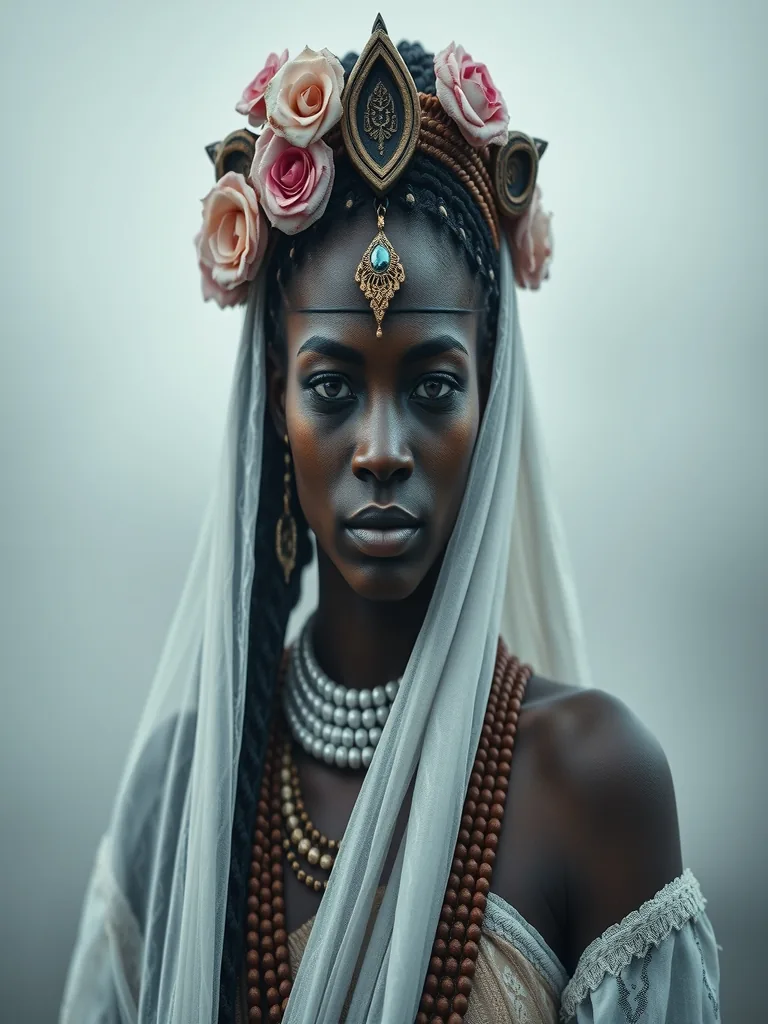
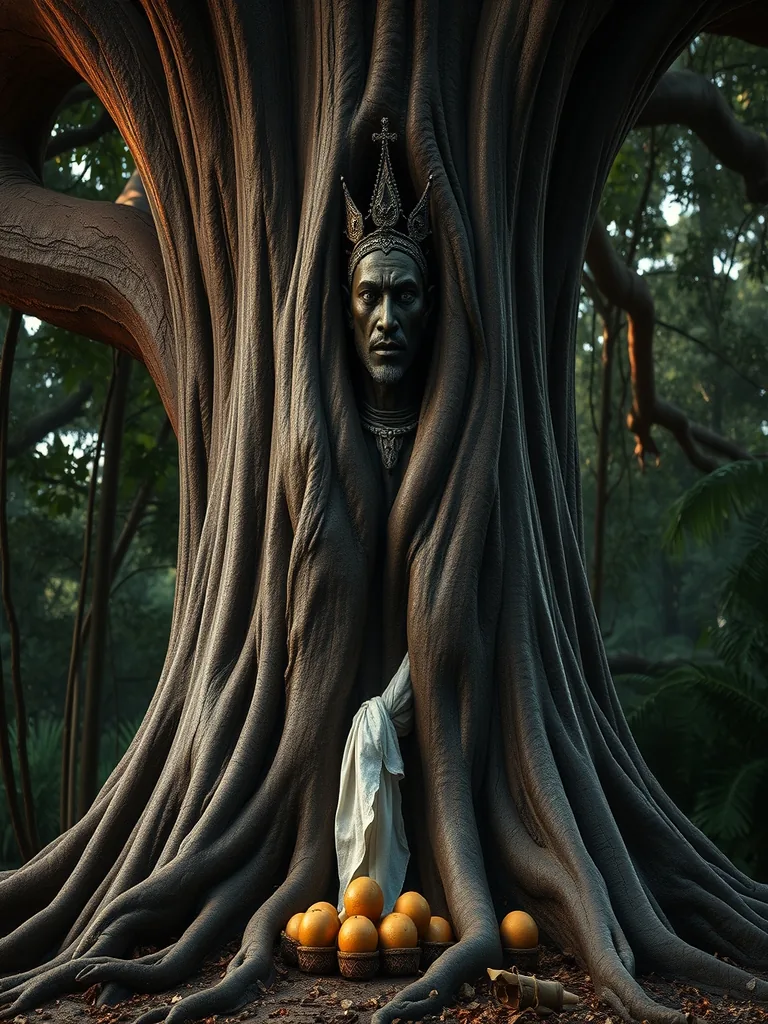
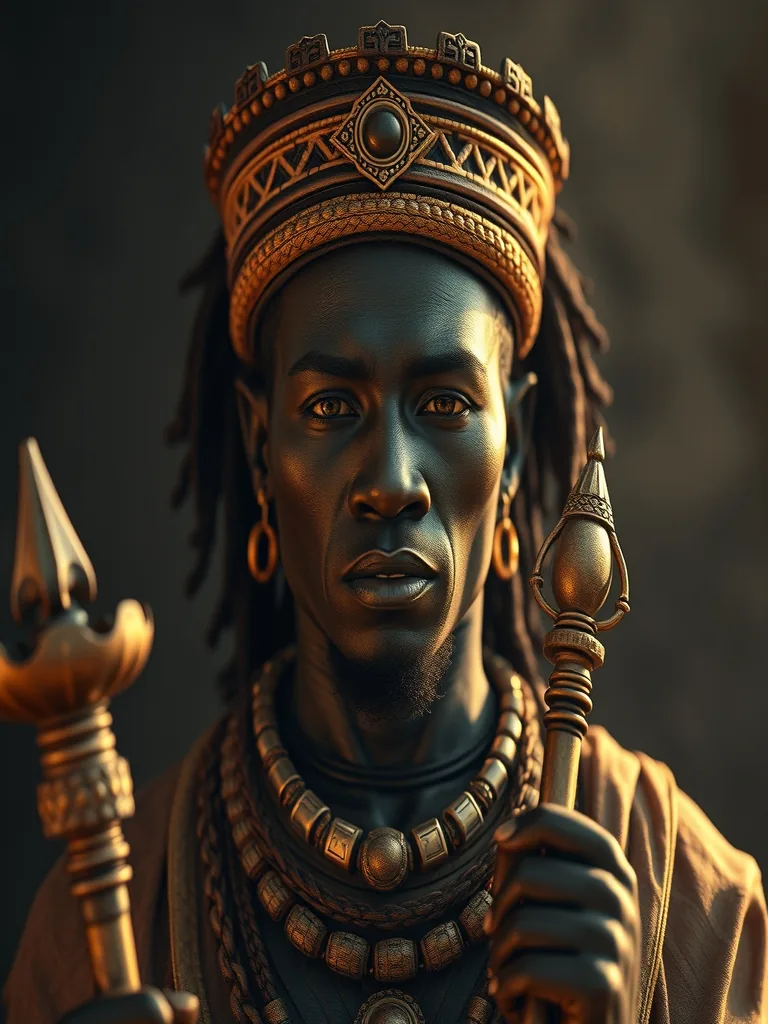
31 deities of this pantheon
Origin, Worldview and Mythology of the Yoruba
Sacred tradition associated with the Yoruba people
Origin and Mythological Worldview
The orixás are worshipped by the Yoruba people of present-day Nigeria and Benin, with Ile-Ife as their spiritual center. Through the slave trade, their faith crossed the Atlantic and flourished in the Americas as Candomblé, Santería, and Vodou. It is today one of the most living and widespread African religious traditions in the world.
The sacred stories of this pantheon anchored the moral and civic foundation of ancient settlements, establishing rites of passage, seasonal liturgies, and explanations for terrestrial and celestial cycles.
Principal Deities and Central Figures
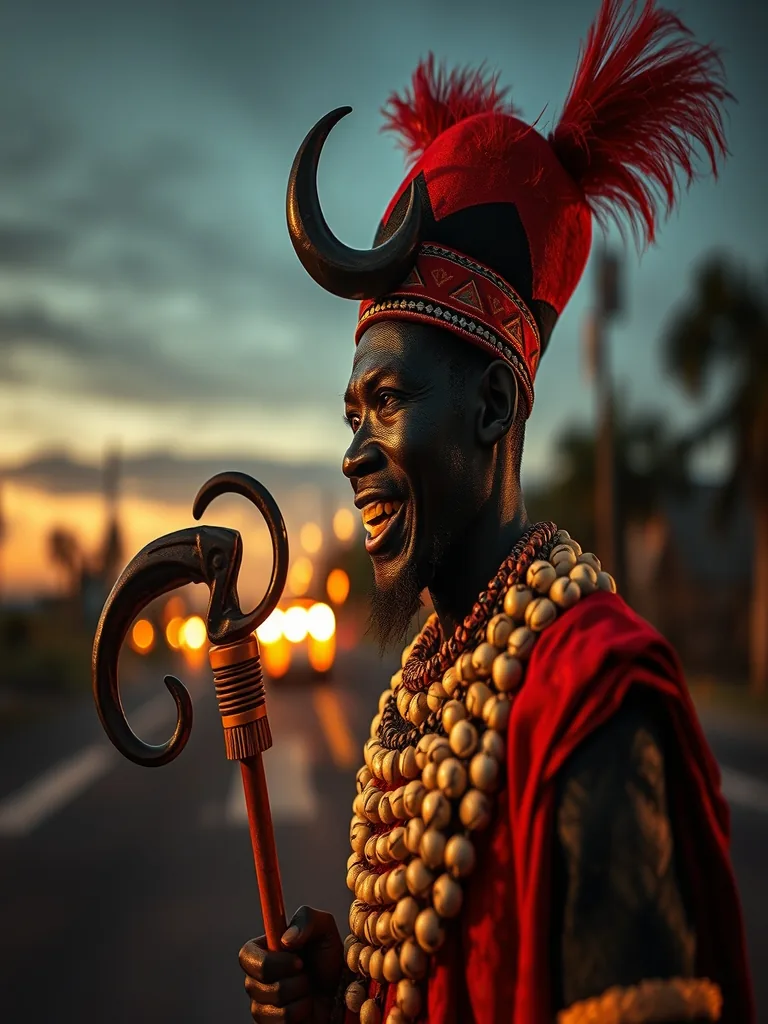
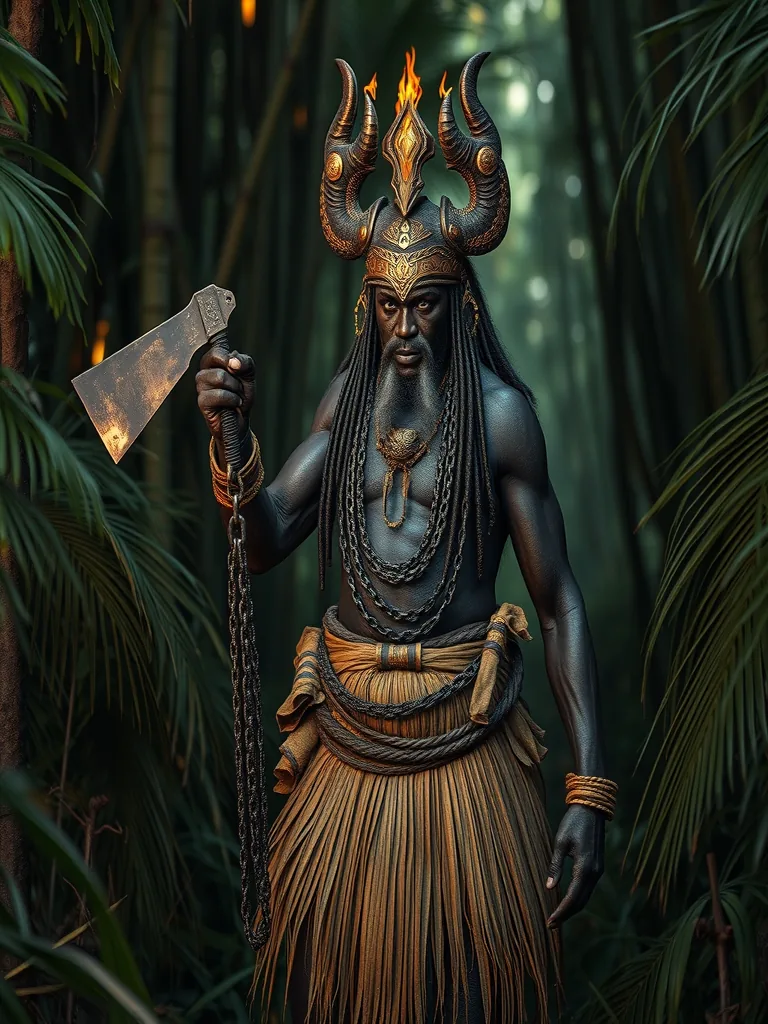
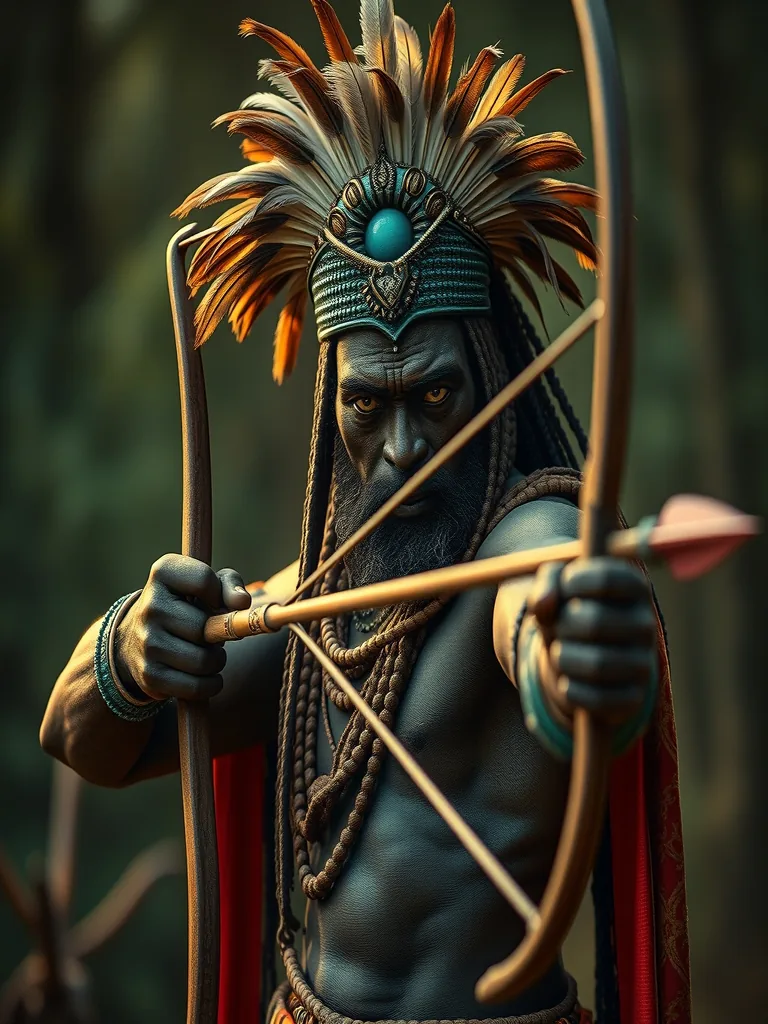
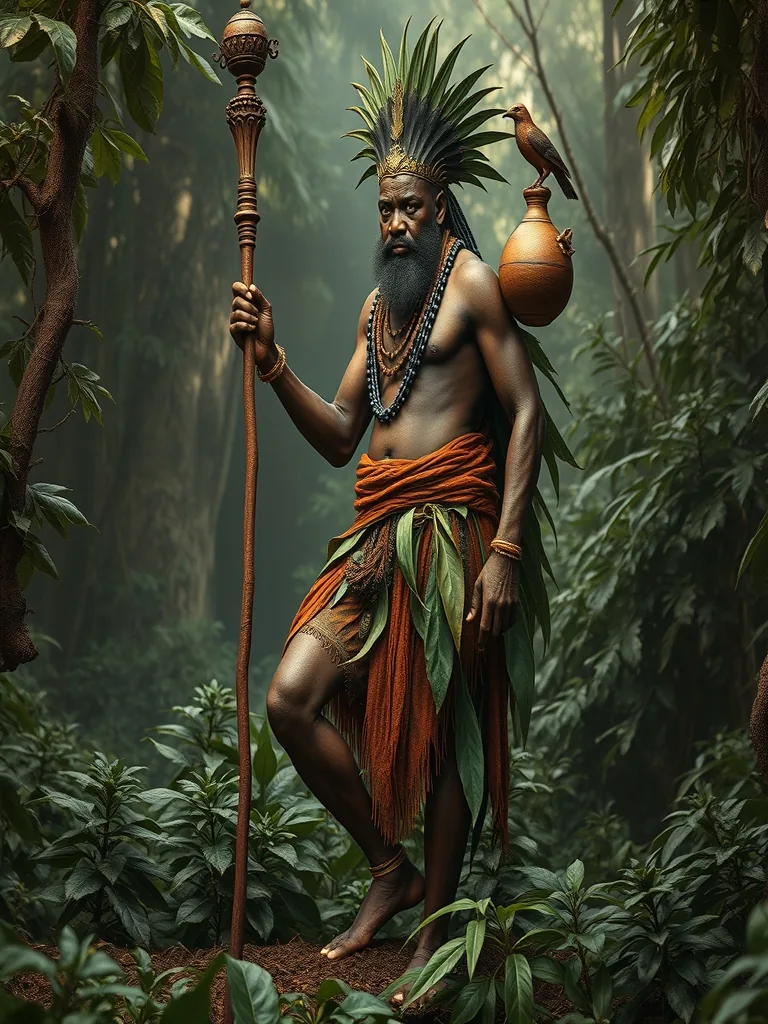
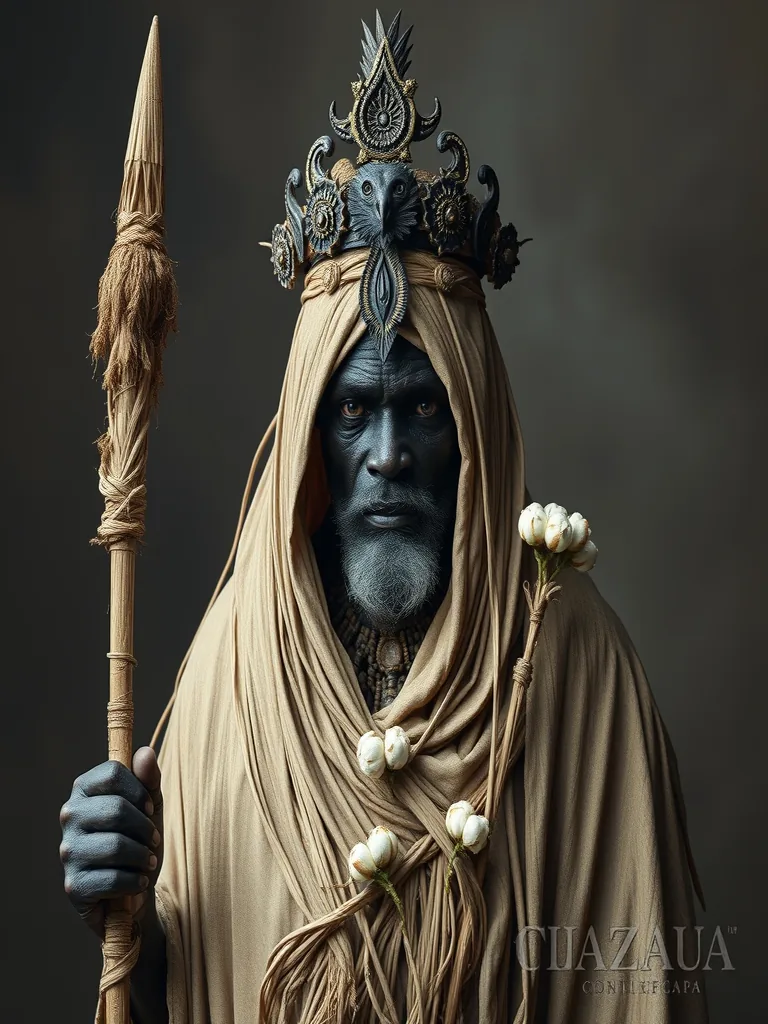
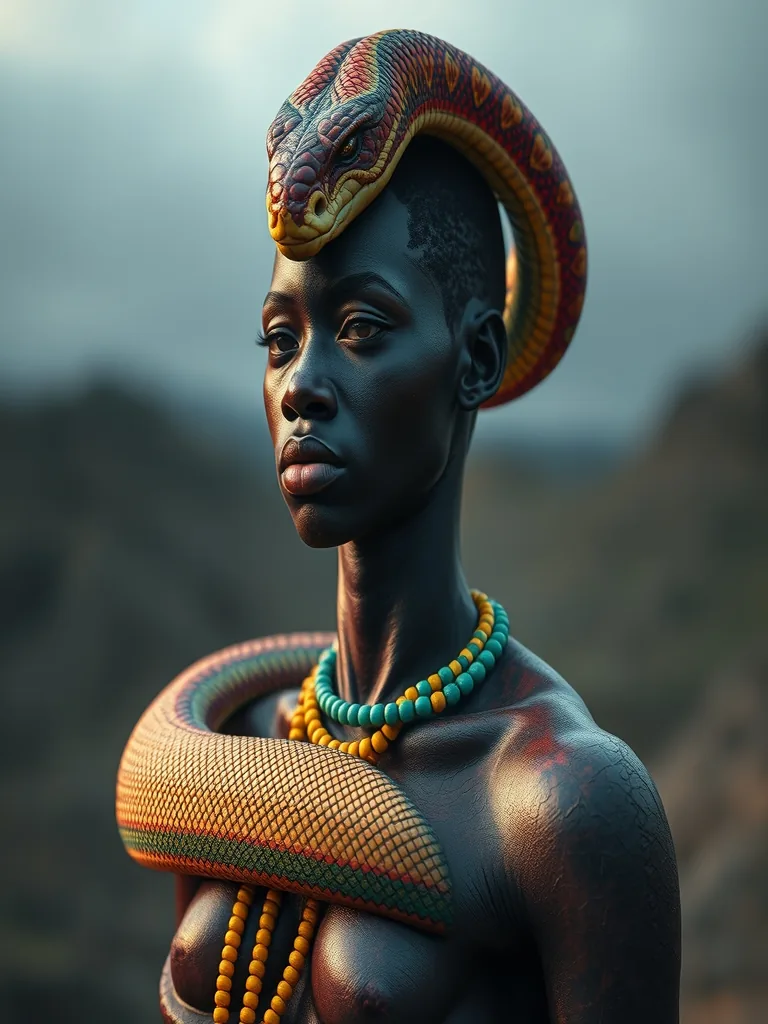
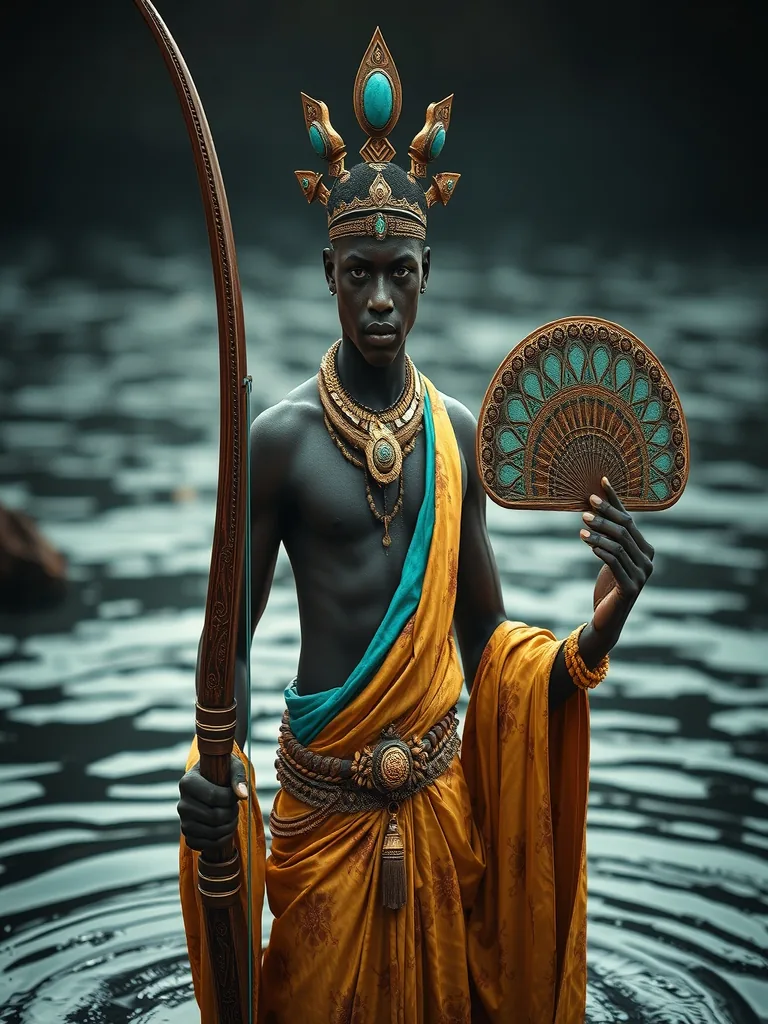
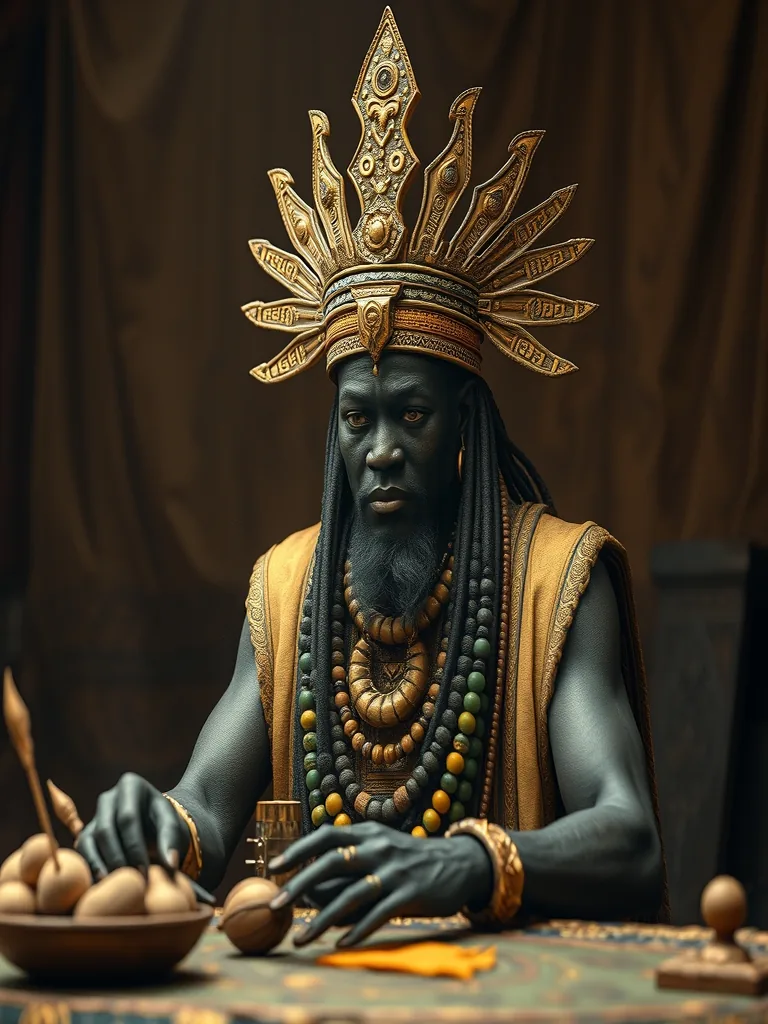
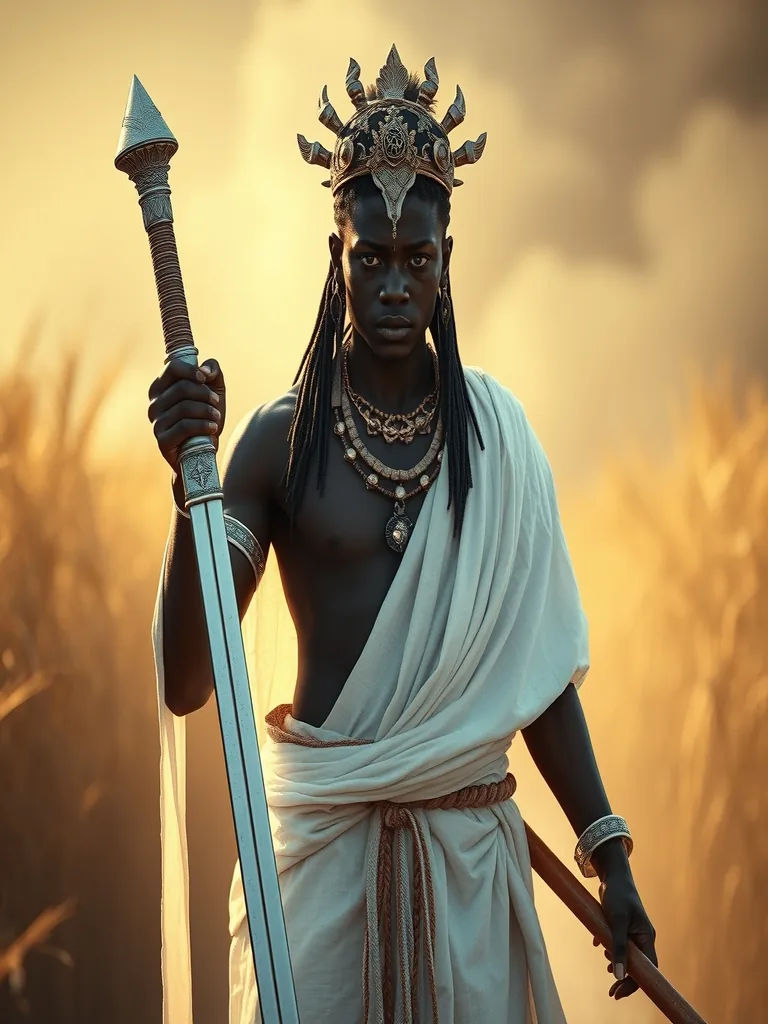
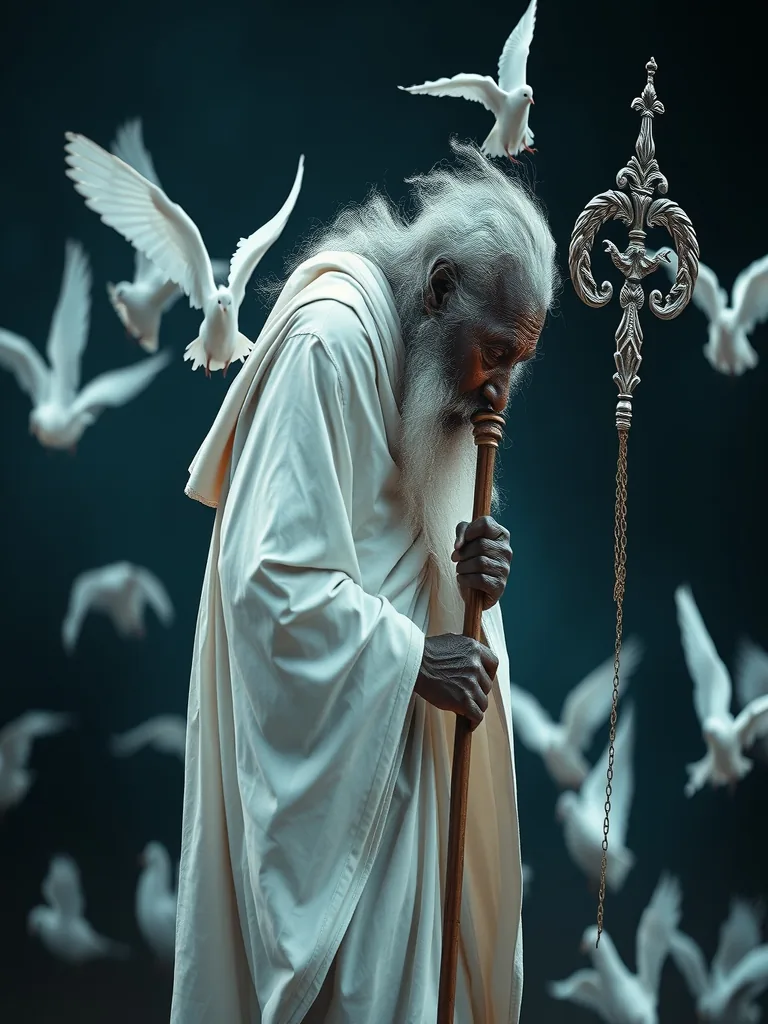
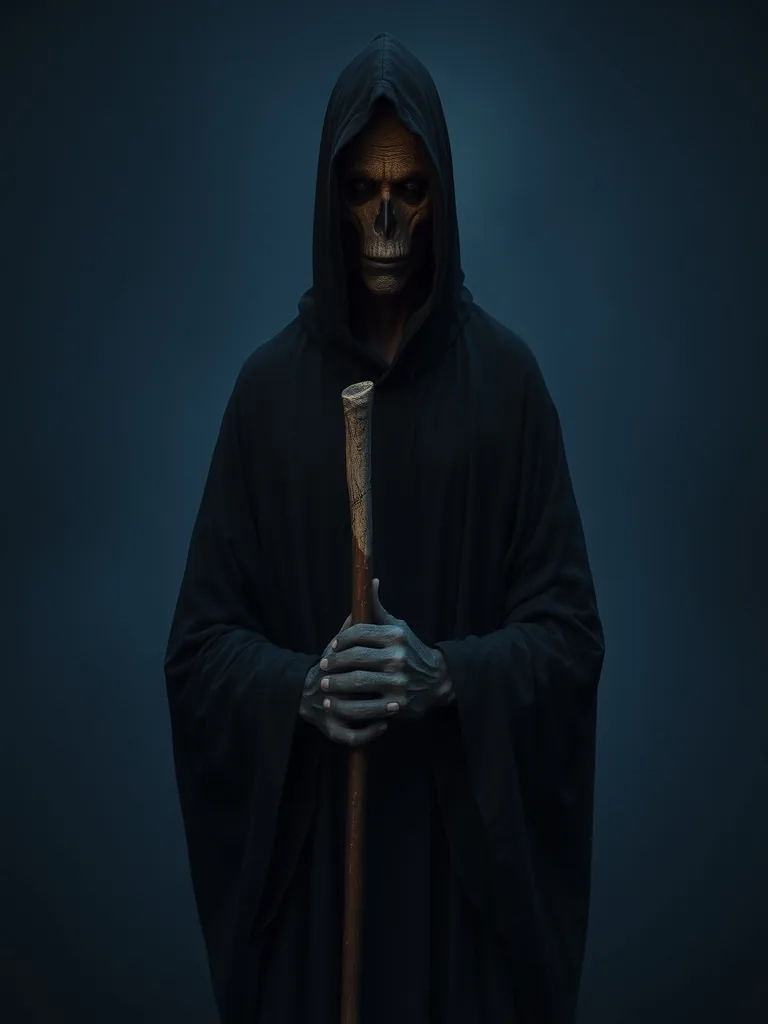
Among the 31 deities cataloged in the Codex for this pantheon, several figures hold preeminent standing across cosmic domains and civic life:
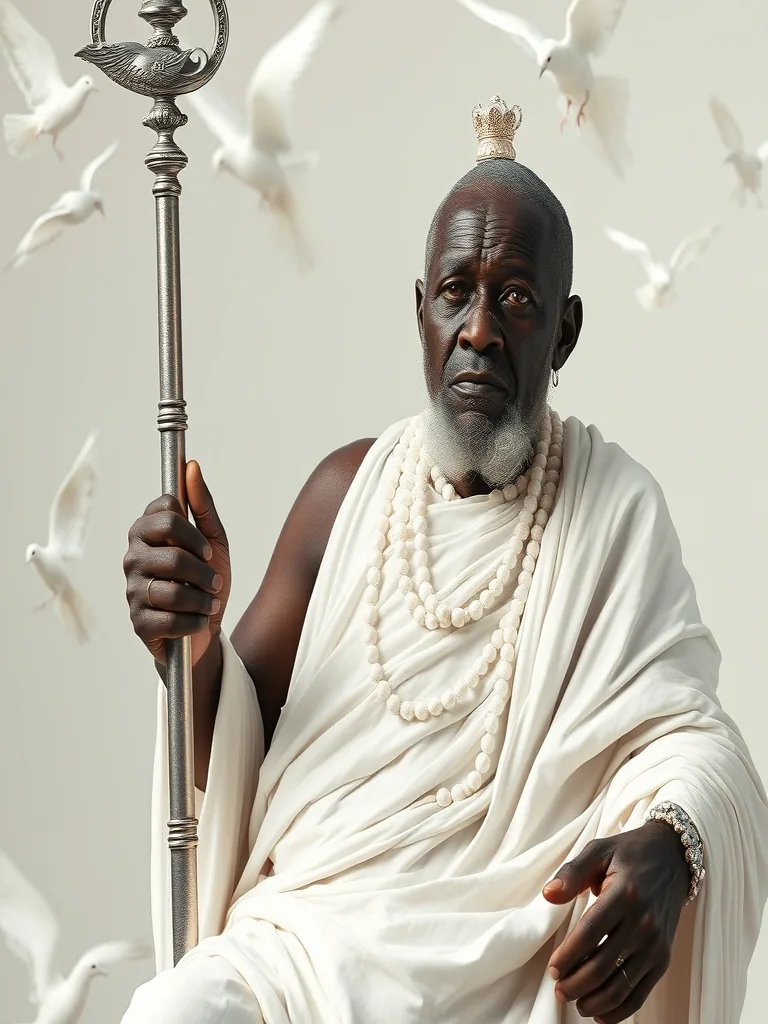
- Oxala — Creation, Peace & Purity
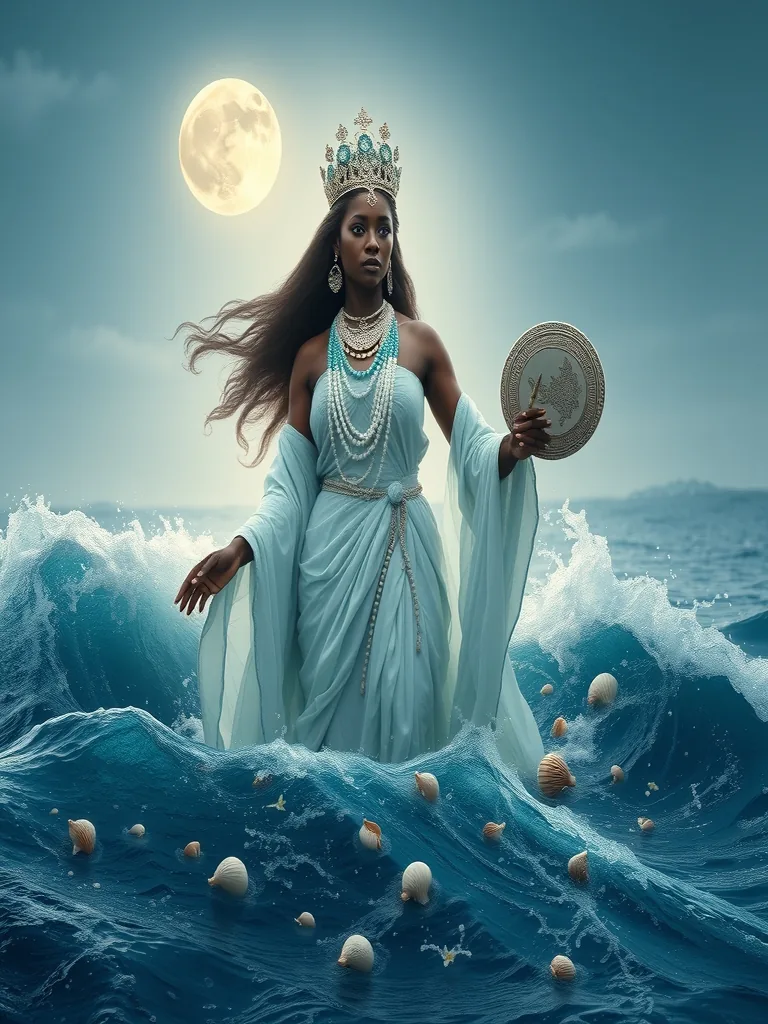
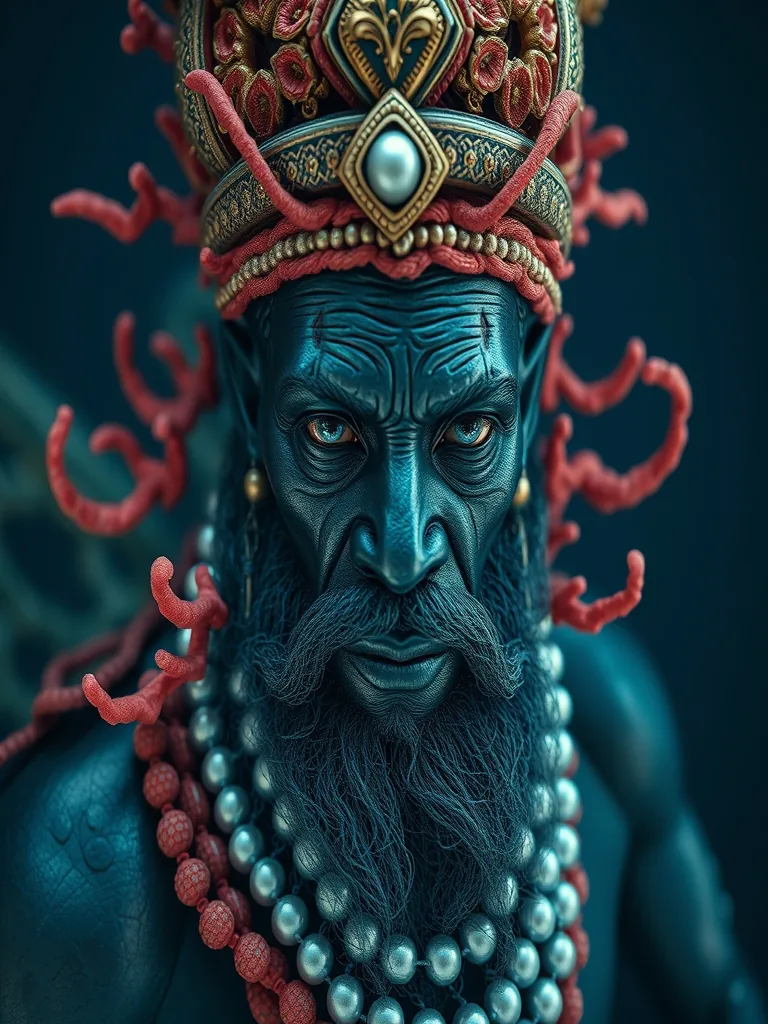
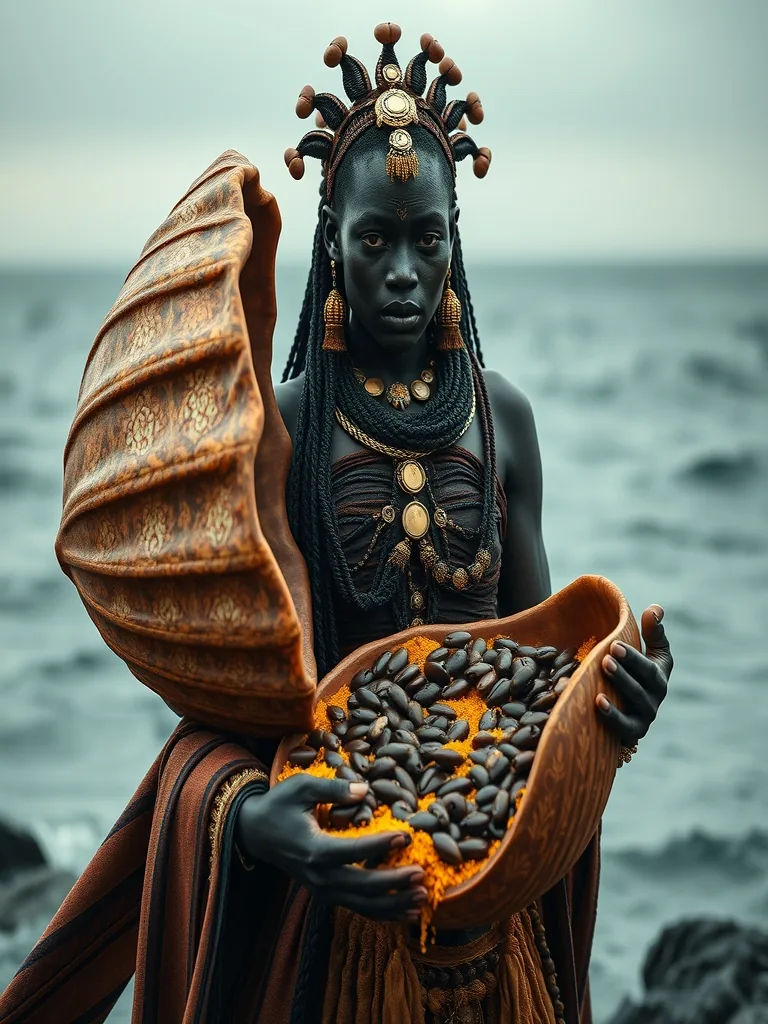
- Yemoja — Oceans & Motherhood
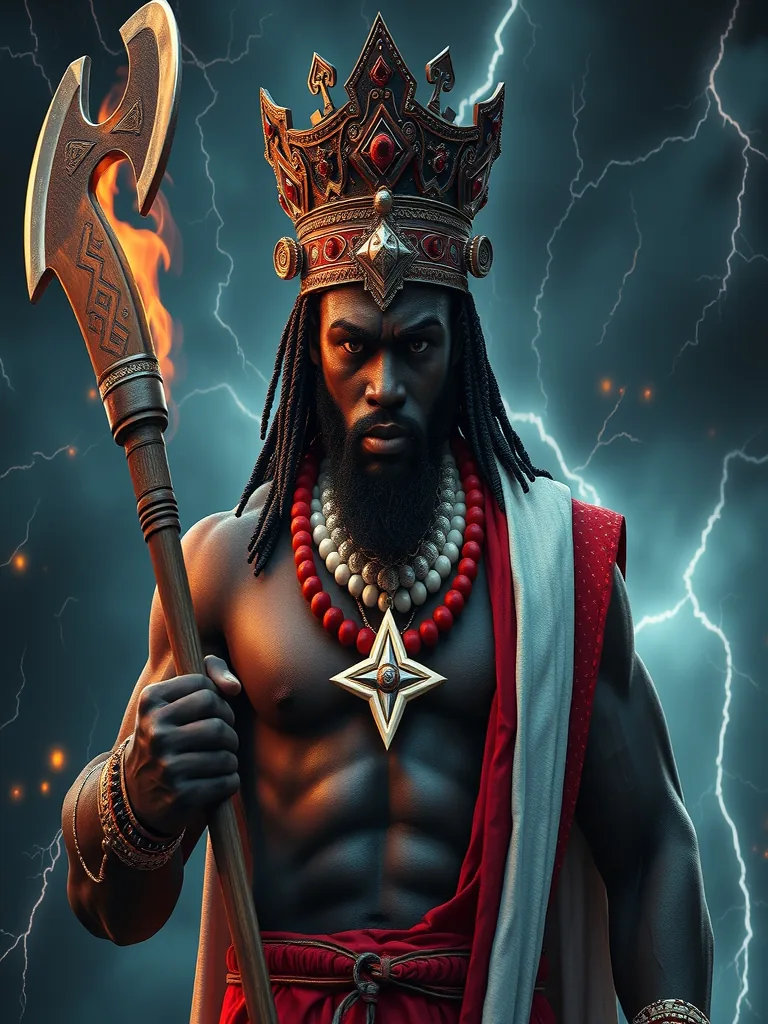
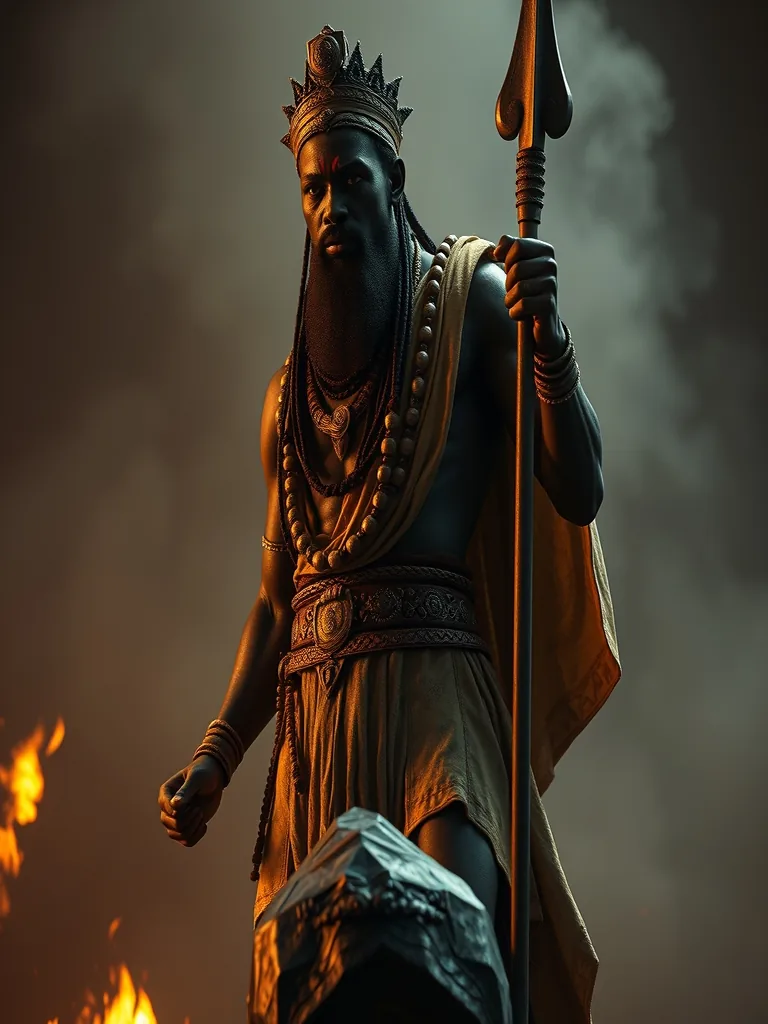
- Sango — Justice & Thunders
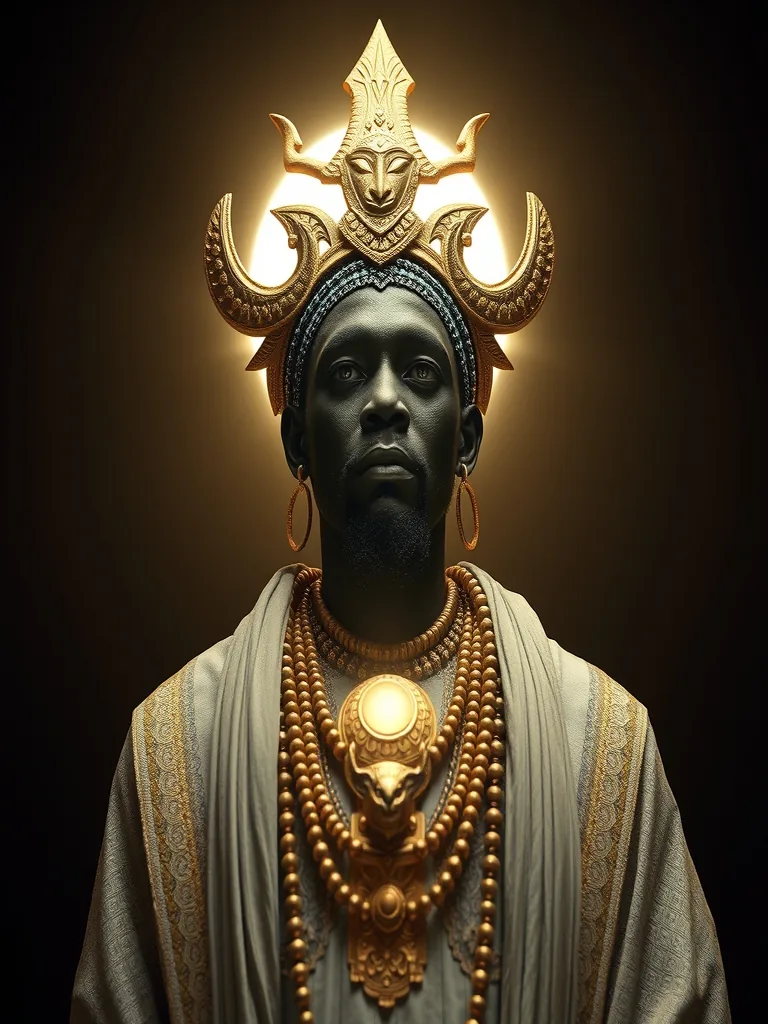
- Olorun — Creation & Existence
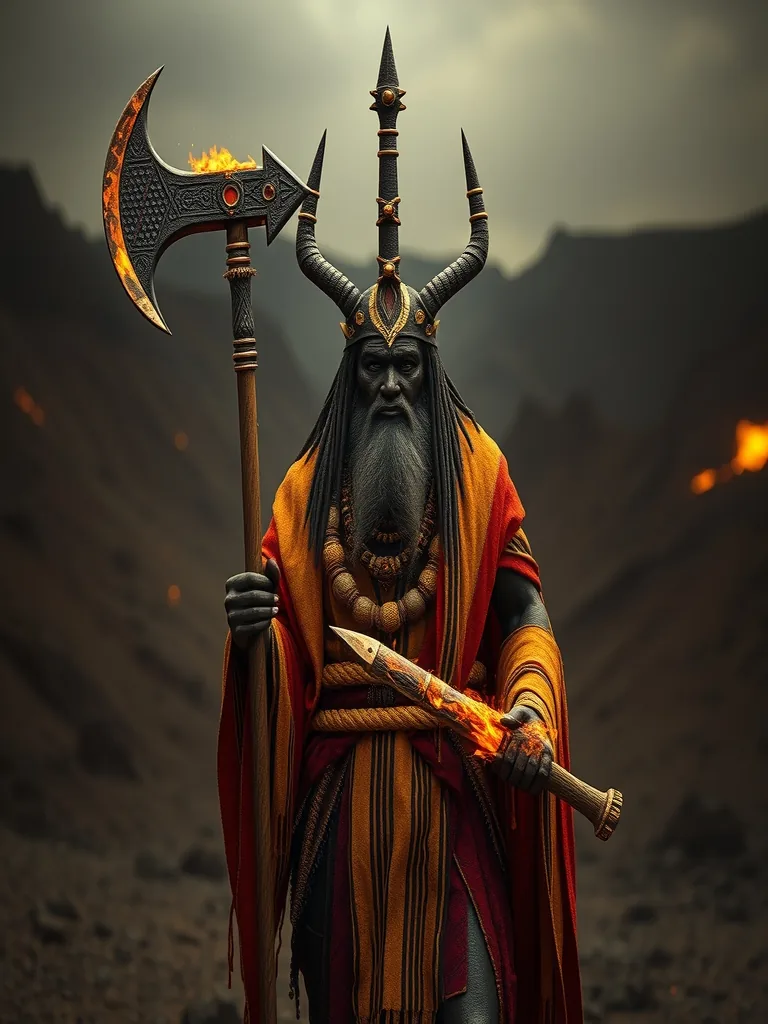
- Eshu — Crossroads, Communication & Movement
Temples, Ritual Practices and Cult
The Osun festival in Osogbo, Nigeria, draws thousands to the sacred grove of the Osun river, a UNESCO heritage site. The Ifá oracle guides decisions through the odus, and in Brazil the Candomblé terreiros honor each orixá with their own drums, dances, colors, and foods.
Priests and traditional lorekeepers guarded the continuity of sacred hymns and divine genealogies, ensuring the benevolence of the gods for agricultural fertility, social harmony, and communal protection.
31 deities