Skip to content
CodexMythologia
Back to the Codex
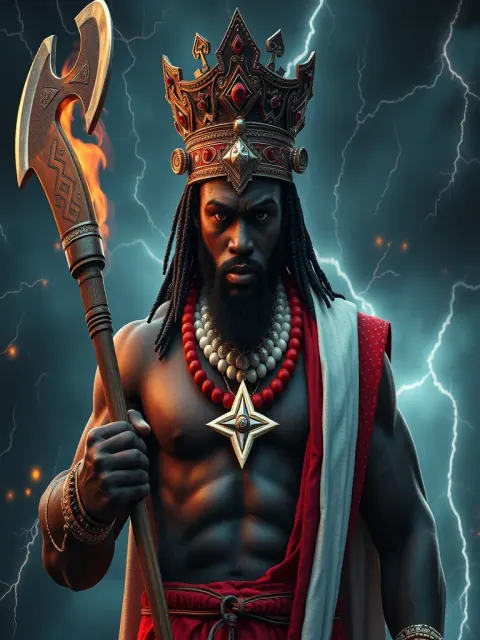
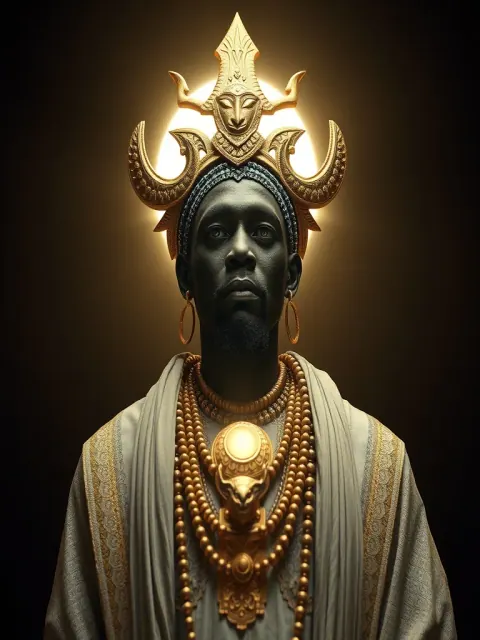
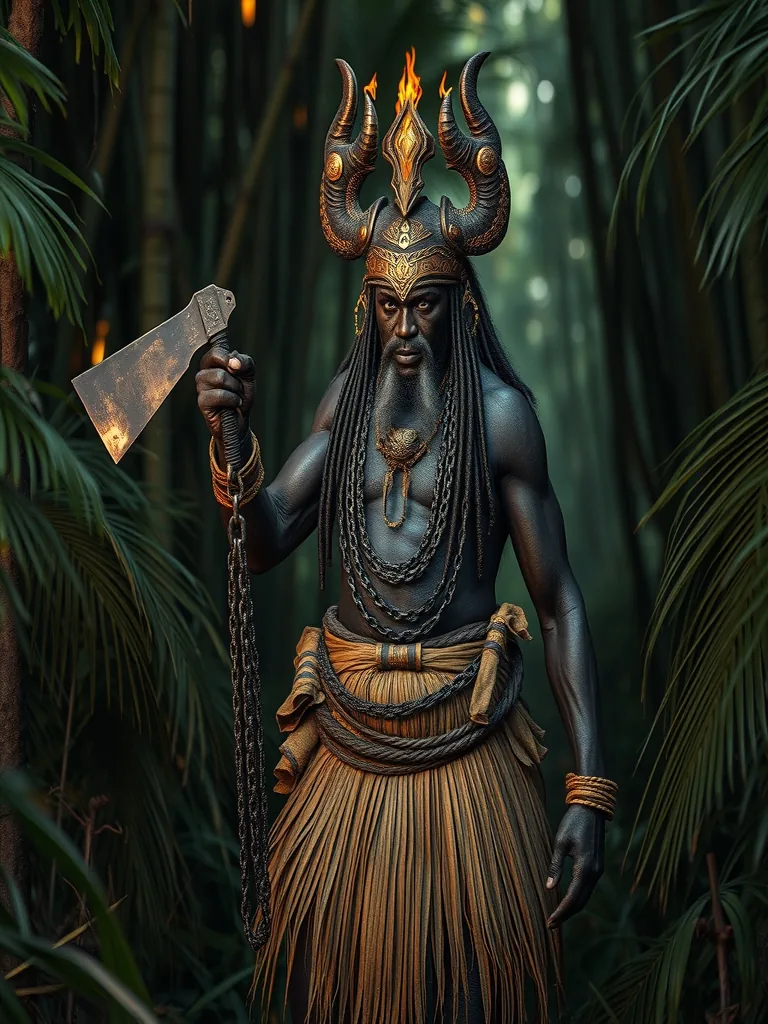
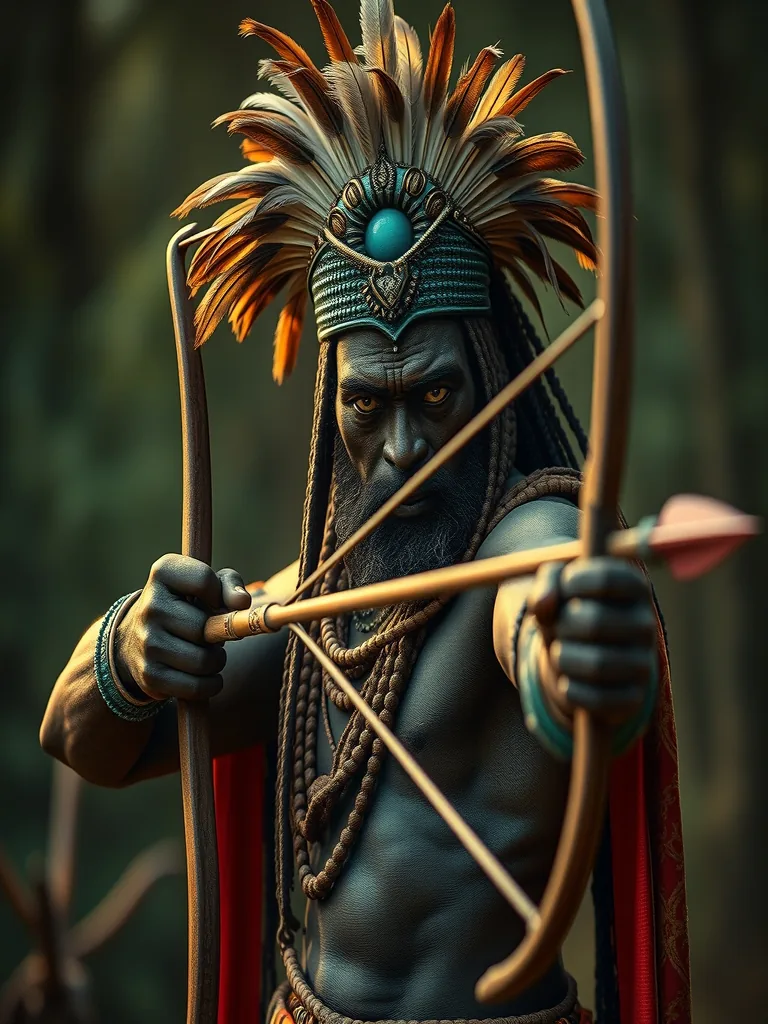
Portrait of Ogun, Yoruba deity
Yoruba
Tap or drag
Yoruba

Ogun

The Lord of Iron and War

Domain
Iron, War & Technology
Alignment
Chaotic Good
Element
Fire
Relics of Power
Iron Sword
Speak with Ogun

The full Codex

5 sections of this entry are open to everyone: the summary, the people, the symbols, the lineage and the sources. The other 9 (Name and epithets, In the ancient sources, The myths, Worship and archaeology, How the god was depicted, What scholars debate, After antiquity, Did you know?, Codex relic) are part of the full Codex: PRO opens the whole study of all 500 deities, and without a subscription you can read one full entry a day, just like in the app.

The People

People
Yoruba people
Region
West Africa & the diaspora
Period
c. 1000 AD – present

The orixás are worshipped by the Yoruba people of present-day Nigeria and Benin, with Ile-Ife as their spiritual center. Through the slave trade, their faith crossed the Atlantic and flourished in the Americas as Candomblé, Santería, and Vodou. It is today one of the most living and widespread African religious traditions in the world.

The Osun festival in Osogbo, Nigeria, draws thousands to the sacred grove of the Osun river, a UNESCO heritage site. The Ifá oracle guides decisions through the odus, and in Brazil the Candomblé terreiros honor each orixá with their own drums, dances, colors, and foods.
At a glance

Ogun (in standard Yoruba spelling Ògún, revered under royal titles such as Ògún Lákáayé and Ògún Oníre) is the primordial orisha of iron, metallurgy, pioneering exploration, extractive technology, armed agriculture and war in traditional Yoruba cosmology and in religions of African matrix in the Atlantic. Known as the 'patron of all who use blades and metal tools', Ogun plays a decisive role in the cosmic genesis described in the verses of Ifá: when the deities came down from Ọ̀run to colonize the physical earth, they encountered impenetrable forests and impassable rocks that no wooden or bone axe could break; it fell to Ogun, keeper of the secrets of the smelting furnace, to forge the first iron machete (adà) and open clearings for the other gods. A legendary warrior-king associated with the founding and military protection of the city of Ire-Ekiti, Ogun embodies the deep dialectical tension between the civilizing technical advance that sustains society and the relentless destructive violence of the battlefield.

6 min read · Reviewed on September 29, 2026 · How we research

Sacred symbols

The sword, the iron, the anvil and the mariwô fronds

Family

Parents
Siblings
Ogun
Unions
Genealogy according to Corpus de Ifá (Odu Ògúndá Méjì, Èjì Ogbe); Samuel Johnson (1921); Sandra T. Barnes (1989); Pierre Verger (1957, 1981); Wande Abimbola (1976)

Sources and further reading

Primary sources

  • Samuel Johnson, The History of the Yorubas. translation: Edition with historical introduction by Obadiah Johnson, London: Routledge, 1921.
  • Pierre Fatumbi Verger, Ewé: O uso das plantas na sociedade iorubá. translation: São Paulo: Companhia das Letras, 1995.
  • Wande Abimbola, Sixteen Great Poems of Ifá. translation: Edition with the author's commentary, Paris/Niamey: UNESCO, 1975.

Studies

  • Sandra T. Barnes, Africa's Ogun: Old World and New. Indiana University Press, Bloomington, 1989.
  • Wole Soyinka, Myth, Literature and the African World. Cambridge University Press, Cambridge, 1976.
  • Cornelius O. Adepegba, Yoruba Metal Carving and Sacred Iron Sculptures. Ibadan University Press, Ibadan, 1991.

Name and epithets

The divine name Ògún is linguistically rooted in the Yoruba roots that designate iron, condensed martial energy and mineral extraction.

In the ancient sources

Corpus de Ifá (Odu Ògúndá Méjì), Ancient oral tradition of the Babalawos.. Documents Ogun's technical primacy in opening the paths of creation through metal tools.

The myths

The Opening of the Primeval Forests with the Iron Machete. According to the poetic narrative preserved in the Odu Ògúndá Méjì of Ifá, when the initial company of orisha descended from the celestial space of Ọ̀run toward…

Worship and archaeology

In traditional Yoruba religious life and in the terreiro communities of the diaspora, the cult of Ogun is ubiquitous among ironworkers, drivers, machine operators, surgeons, hunters and security forces.

How the god was depicted

Ogun's iconography emphasizes his warlike nature and his visceral connection to the metallic element. He is represented through the set of primordial metallurgy tools: the anvil, the forging hammer, the sickle, the tong…

What scholars debate

Historical Deification versus Cosmological Archetype. Anthropologists such as Robin Horton and historians such as J. F.

After antiquity

Ogun became one of the most powerful symbols of cultural identity and working-class resilience across the whole Atlantic world, inspiring poems by Wole Soyinka, paintings by Carybé and expressions of labor and popular c…

Did you know?

The shredded palm frond (màrìwò), considered Ogun's emblematic garment, is hung over the main entrance of almost every traditional terreiro and temple in Africa and Brazil as an inviolable magical barrier against miasma…

Codex relic

Iron Sword. A sword forged by his own hand, that clears paths through the forest and overcomes every obstacle.

The rest of this scroll is sealed

The legends, the myth, the cult and relics are part of the full Codex. You can open 1 full entry for free every day; to open all 500 deities with no limits and no ads, subscribe to Codex PRO.

See Codex PROGet it on Google Play

From the same pantheon

View pantheon