Skip to content
CodexMythologia
Back to the Codex
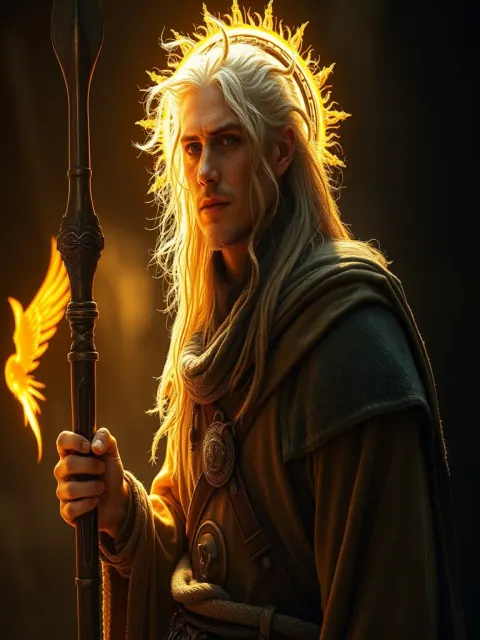
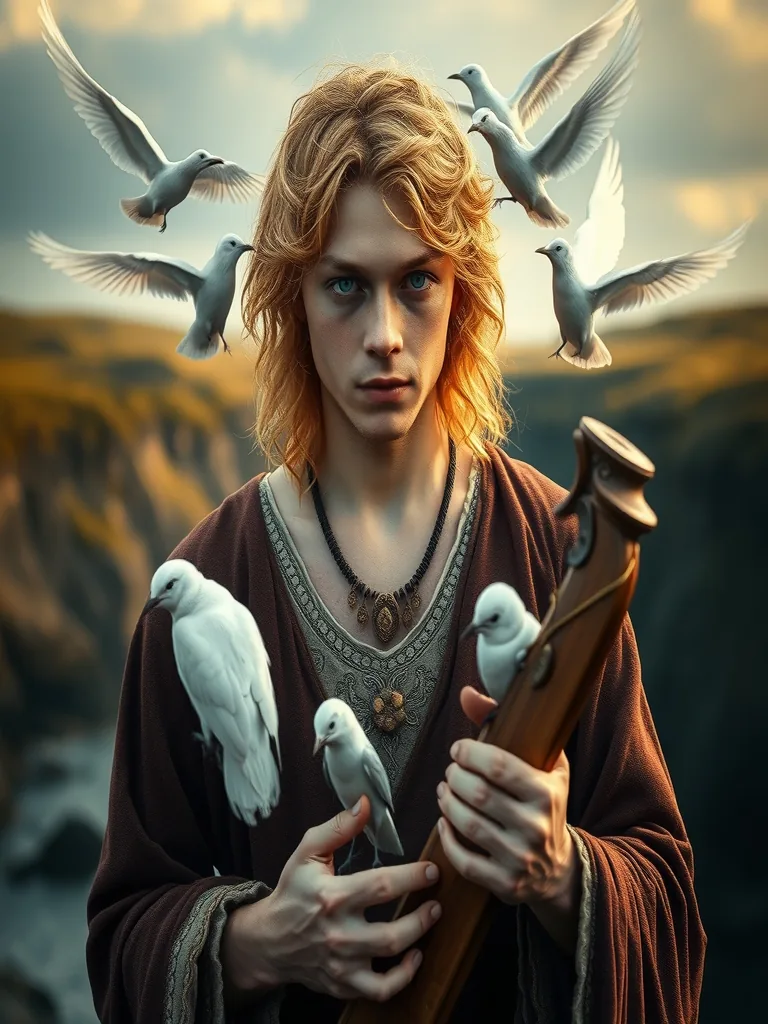
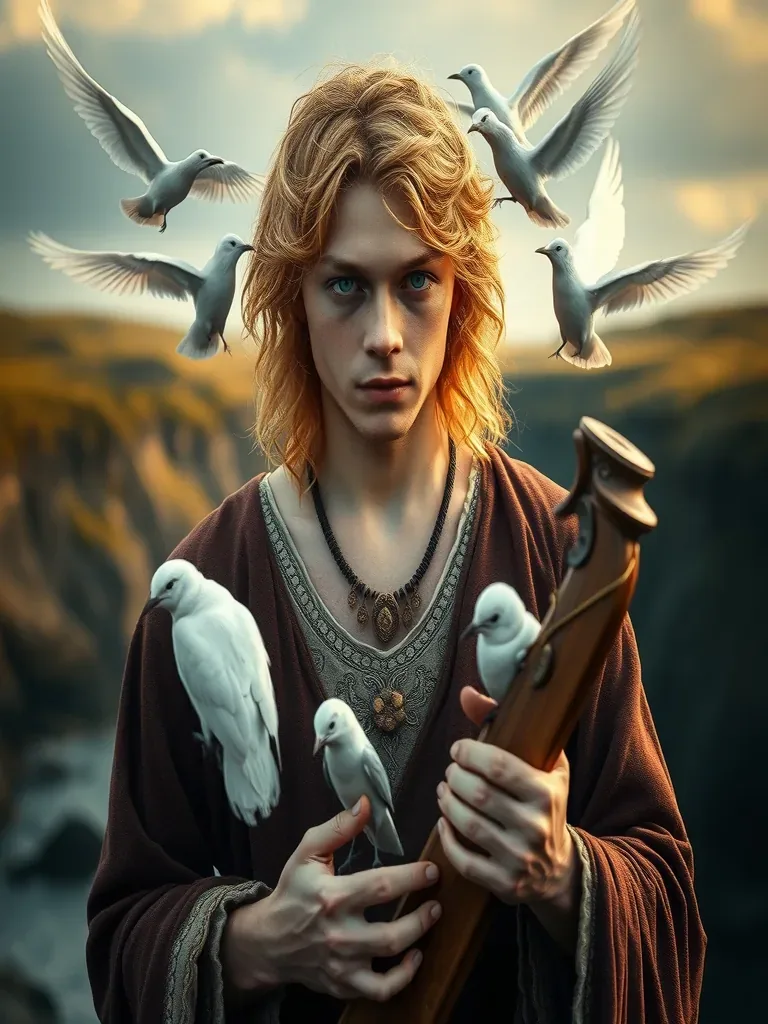
Portrait of Aengus, Celtic deity
Celtic
Tap or drag
Celtic

Aengus

The God of Love and Youth

Domain
Love, Youth & Poetry
Alignment
Chaotic Good
Element
Air
Relics of Power
Birds of the Kiss
Speak with Aengus

The full Codex

5 sections of this entry are open to everyone: the summary, the people, the symbols, the lineage and the sources. The other 9 (Name and epithets, In the ancient sources, The myths, Worship and archaeology, How the god was depicted, What scholars debate, After antiquity, Did you know?, Codex relic) are part of the full Codex: PRO opens the whole study of all 500 deities, and without a subscription you can read one full entry a day, just like in the app.

The People

People
Celtic peoples
Region
Ireland, Britain & Gaul
Period
c. 500 BC – 500 AD

The Celtic gods were worshipped by the peoples of Ireland, Britain, and Gaul, with the aid of the druids, their priestly caste. They venerated them in sacred groves, springs, and wells, without great stone temples. Many of their myths survived in the Irish and Welsh sagas, recorded by medieval monks.

The Celtic wheel of the year turned on four great fire festivals: Samhain, the origin of Halloween, opened winter and contact with the dead; Imbolc, Beltane, and Lughnasadh marked spring, summer, and the harvest. The druids led the rites in sacred groves called nemeton.
At a glance

Óengus, called Mac ind Óg (The Young Son), is the son of the Dagda and Boann in version I of Tochmarc Étaíne. Fostered by Midir at Brí Léith, he learns his parentage after a dispute with Triath. Following the Dagda’s advice, he threatens Elcmar at Samhain and obtains kingship of the Brug for a day and a night; the Dagda’s arbitration confirms his possession and compensates Elcmar with Cleitech. Óengus summons Dian Cécht to heal Midir and obtains Étaín for him, with the Dagda’s help and by meeting Ailill’s demands. Later he shelters Étaín in purple-fly form until Fuamnach drives her away again. In Aislinge Óenguso, the search for a maiden seen in dreams leads him to Caer Ibormeith. He guarantees on his honour that she may return to the lake; both travel as swans to the Brug and, after arriving, sing the people to sleep. In Lady Gregory’s modern retelling, Angus fosters Diarmaid, carries Gráinne out of a siege, and negotiates peace. Yeats uses his name in a poem about the search for a girl who emerged from a trout. The literary association with Newgrange does not establish worship of Óengus by its Neolithic builders.

23 min read · Reviewed on October 2, 2026 · How we research

Sacred symbols

The four birds, the swan, the harp and youth

Family

Parents
The DagdaBoann (Eithne, wife of Elcmar)
Aengus
Unions
Caer Ibormeith
Genealogy according to Tochmarc Étaíne, I §§1–8, 9–15, 16–26; Aislinge Óenguso, §§1–15; Lady Gregory, Gods and Fighting Men

Sources and further reading

Primary sources

  • Anonymous; Osborn Bergin and R. I. Best (editors and translators), Tochmarc Étaíne / The Wooing of Étaín. read
  • Anonymous; Francis Shaw (editor); Kevin Murray (English translation), Aislinge Óenguso / The Dream of Óengus. read
  • Anonymous; Nessa Ní Shéaghdha (editor); Standish Hayes O’Grady (English translation), Tóruigheacht Dhiarmada agus Ghráinne — extracts. read
  • Lady Augusta Gregory, Gods and Fighting Men. read
  • William Butler Yeats, The Wind Among the Reeds. read
  • Roman Inscriptions of Britain, RIB 1120: Altar dedicated to Apollo Maponus. read

Studies

  • Heritage Ireland / Office of Public Works, Brú na Bóinne Visitor Centre: Newgrange, Knowth and Dowth. open
  • Heritage Ireland / Office of Public Works, Winter solstice at Newgrange. open

Name and epithets

The epithet Mac ind Óg translates from Old Irish as 'The Young Son'. Tochmarc Étaíne (version I, §§1–2) records the epithet’s etymological explanation; the detailed account of conception and birth appears in the myths b…

In the ancient sources

Tochmarc Étaíne (The Wooing of Étaín), Composition date not established in this consultation. Relates the parentage of Óengus by the Dagda and Boann, the dispute with Triath, the acquisition of the Brug, the healing of…

The myths

Birth, the Dispute with Triath, and the Taking of the Brug. According to version I of Tochmarc Étaíne (§§1–8), King Eochaid Ollathair, known as the Dagda, desired Eithne (also called Boann), wife of Elcmar of the Brug.

Worship and archaeology

The Newgrange monument, part of the Brú na Bóinne complex in County Meath, is dated by archaeology and Heritage Ireland to around 3200 BCE, in the Neolithic period, preceding the composition of Old Irish manuscripts by…

How the god was depicted

In consulted medieval texts (such as Aislinge Óenguso), there are no descriptions of material statues of Óengus.

What scholars debate

The Alignment of Newgrange and the Manuscript Tradition. The relationship between winter solstice illumination at Newgrange and medieval literary tradition requires distinguishing Neolithic archaeological evidence (c.

After antiquity

During the Celtic Literary Revival, W. B. Yeats published the poem The Song of Wandering Aengus in The Wind Among the Reeds (1899).

Did you know?

The engineered roof-box above the entrance of Newgrange admits sunlight into the chamber for up to seventeen minutes at dawn around the winter solstice under clear skies.

Codex relic

Birds of the Kiss. Four birds that fly around his head and whose songs awaken love.

The rest of this scroll is sealed

The legends, the myth, the cult and relics are part of the full Codex. You can open 1 full entry for free every day; to open all 500 deities with no limits and no ads, subscribe to Codex PRO.

See Codex PROGet it on Google Play

From the same pantheon

View pantheon