Skip to content
CodexMythologia
Back to the Codex
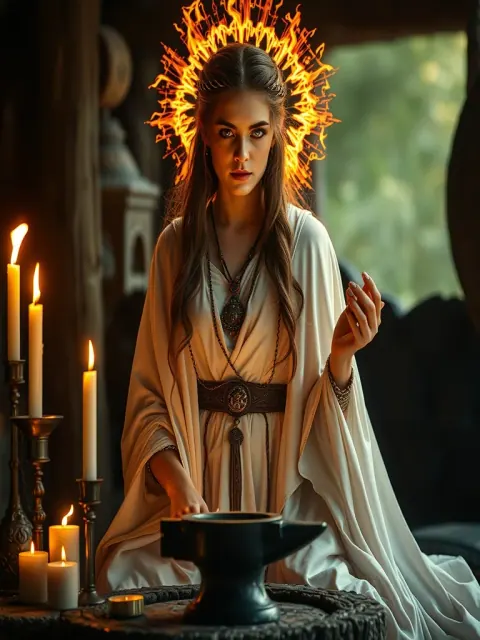
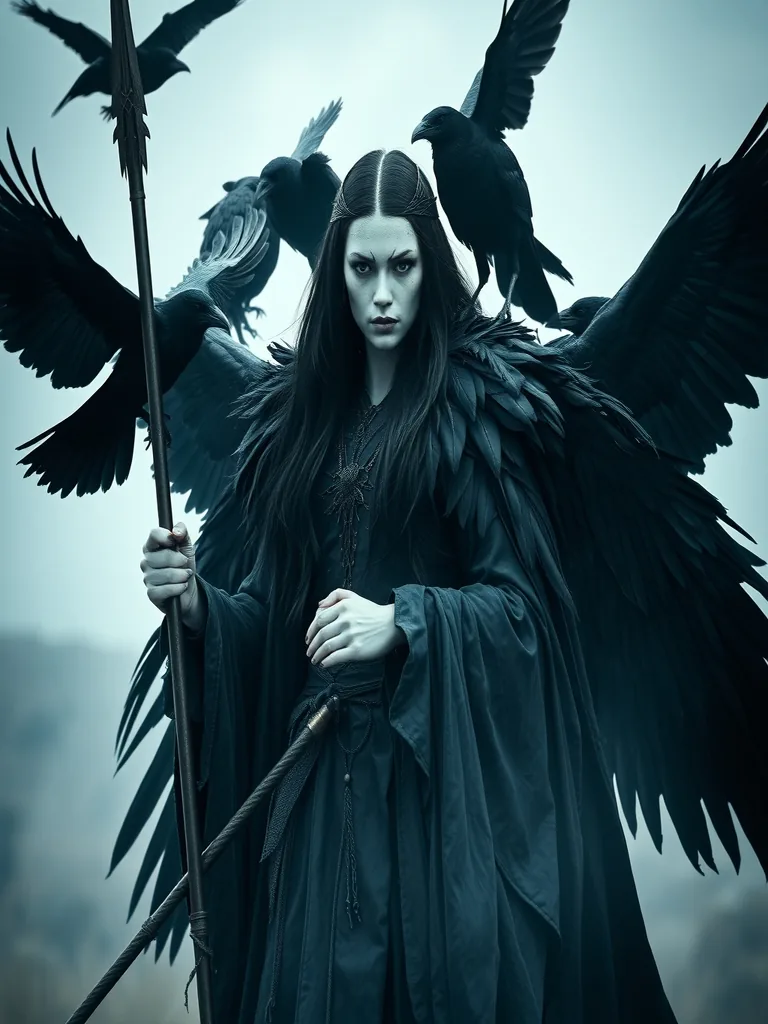
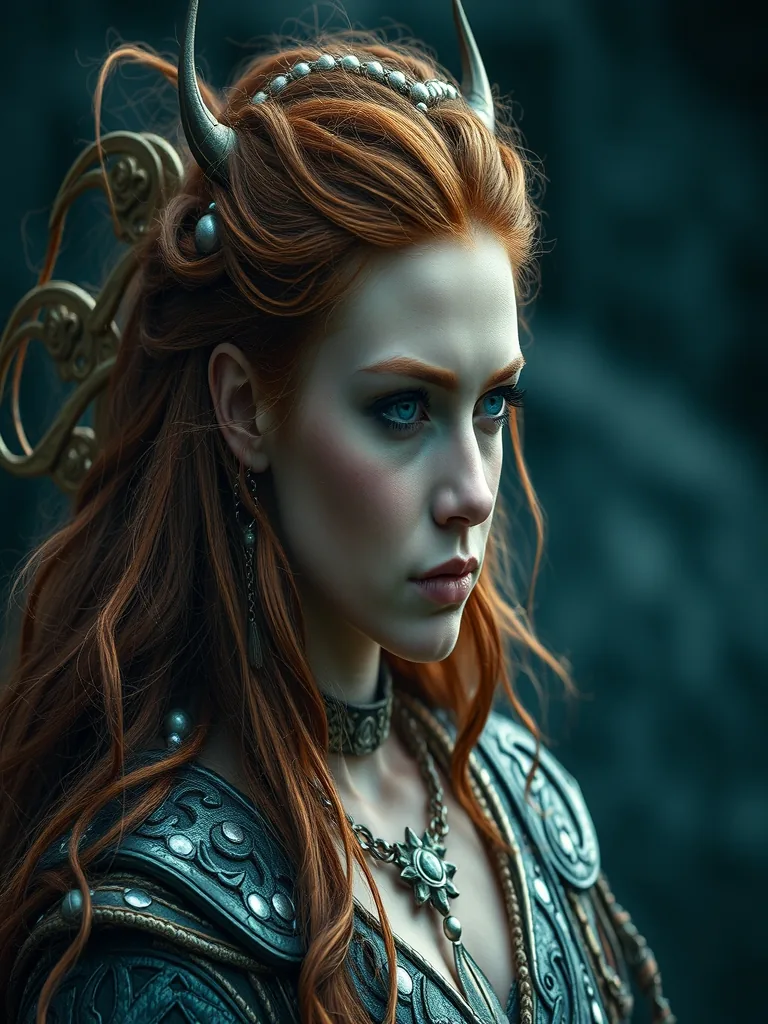
Portrait of Morrigan, Celtic deity
Celtic
Tap or drag
Celtic

Morrigan

The Phantom Queen

Domain
War, Destiny & Death
Alignment
Chaotic Neutral
Element
Darkness
Relics of Power
Crown of Raven Feathers
Speak with Morrigan

The full Codex

5 sections of this entry are open to everyone: the summary, the people, the symbols, the lineage and the sources. The other 9 (Name and epithets, In the ancient sources, The myths, Worship and archaeology, How the god was depicted, What scholars debate, After antiquity, Did you know?, Codex relic) are part of the full Codex: PRO opens the whole study of all 500 deities, and without a subscription you can read one full entry a day, just like in the app.

The People

People
Celtic peoples
Region
Ireland, Britain & Gaul
Period
c. 500 BC – 500 AD

The Celtic gods were worshipped by the peoples of Ireland, Britain, and Gaul, with the aid of the druids, their priestly caste. They venerated them in sacred groves, springs, and wells, without great stone temples. Many of their myths survived in the Irish and Welsh sagas, recorded by medieval monks.

The Celtic wheel of the year turned on four great fire festivals: Samhain, the origin of Halloween, opened winter and contact with the dead; Imbolc, Beltane, and Lughnasadh marked spring, summer, and the harvest. The druids led the rites in sacred groves called nemeton.
At a glance

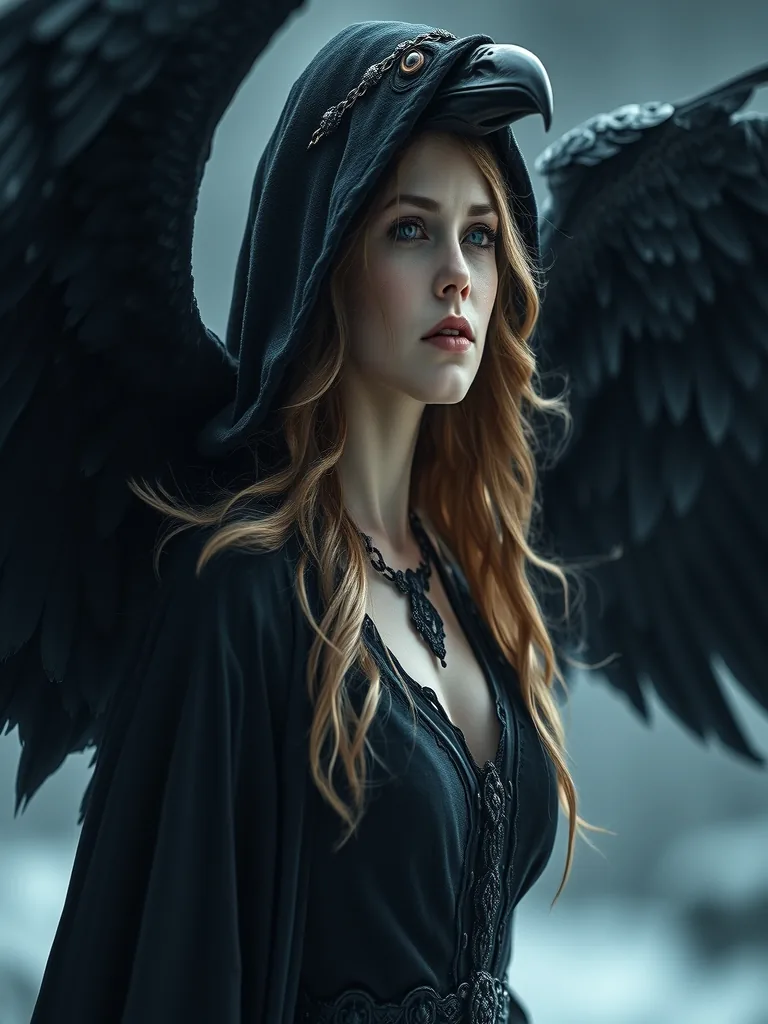
The Morrígan (Mór-Ríoghain, 'The Great Queen' or 'The Phantom Queen') is the supreme, enigmatic, formidable and majestic Irish Celtic goddess of land sovereignty, prophetic destiny, psychological warfare, metamorphosis, and the death and rebirth of warriors in the heroic cycles of Celtic mythology. Often revered as a triple deity made up of the sisters Badb (the raven of panic and carnage), Macha (the sovereignty of horses and agrarian fertility) and Nemain or Anand (the frenzied terror of battlefields), the Morrígan is the true guarantor of legitimate kingship: no mortal or divine king could rule Ireland without her consent and without the sacred nuptial union celebrated yearly at Samhain over the sacred waters of the river Unshin with the patriarch Dagda. An absolute master of the art of shamanic metamorphosis, she flies over the armed ranks taking the form of a hooded black raven with bright eyes, slithers like a slippery eel in river currents, charges like a grey earless she-wolf, and appears as a maiden of striking seductive beauty or as the terrifying 'Washer at the Ford' (Bean Nighe), who washes the bloodied clothes and broken armour of heroes doomed to fall in combat. The mythological protagonist of the tragic and legendary confrontation with the Ulster champion Cú Chulainn during the epic war of the Táin Bó Cúailnge, the Morrígan embodies the non-negotiable mystery of land sovereignty, which does not bow before the vanity of generals and reminds that every human victory is fleeting before the inexorable march of cosmic time. The Great Queen guards the mysteries of the sacred sovereignty of the land and the inexorable destiny of warriors, crowning true courage and reminding that all earthly power must bow before the eternal order of nature. The triple goddess of sovereignty and destiny watches over the land of Ireland with raven's eyes and a queen's heart, welcoming the brave and reminding that moral honour is the only eternal shield of the human soul. The Great Queen of cosmic sovereignty remains vigilant over the hills of Ireland, reminding that true kingship is born of justice and sacred communion with the land. The lady of ravens and of Celtic sovereignty guards the memory of the brave and the unbroken honour of the sacred land for all eternity. The Great Queen of Celtic sovereignty guards the honour of free men and the inviolable destiny of the sacred land with eternal wisdom.

15 min read · Reviewed on September 28, 2026 · How we research

Sacred symbols

Raven, the spear, blood and mist

Family

Parents
Ernmas
Siblings
Morrigan
Children
Mechi
Genealogy according to Cath Maige Tuired; Táin Bó Cúailnge (A Razia do Touro de Cooley); Lebor Gabála Érenn; Dindsenchas Métrico; Cóir Anmann

Sources and further reading

Primary sources

  • Anonymous, Táin Bó Cúailnge (The Táin). translation: Thomas Kinsella, Oxford University Press, 1969.
  • Anonymous, Cath Maige Tuired: The Second Battle of Mag Tuired. translation: Elizabeth A. Gray, Irish Texts Society, 1982.

Studies

  • Marie-Louise Sjoestedt, Gods and Heroes of the Celts. Methuen, 1949.
  • Miranda Green, Celtic Goddesses: Warriors, Virgins and Mothers. British Museum Press, 1995.

Name and epithets

The old Irish theonym Morrígan (variants Mór-Ríoghain and Morrígu) has been the subject of intense etymological debate: a classical reading breaks the name down into mór ('great') and rígain ('queen'), literally meaning…

In the ancient sources

Cath Maige Tuired (The Second Battle of Mag Tuired)., 9th to 12th centuries CE.. Describes the sacred marriage with the Dagda at Samhain, the magical aid given to the Tuatha Dé Danann and the two final prophecies of cos…

The myths

The Sacred Union of Samhain and the Magical Destruction of Indech.. In the Cath Maige Tuired it is told that on the eve of Samhain the Dagda found the Morrígan on the river Unshin washing the weapons of the gods.

Worship and archaeology

The cult of the Morrígan was one of the most solemn, respected and sacred-taboo-bound (geasa) of all in the warrior and aristocratic society of Celtic Ireland.

How the god was depicted

The iconography of the Morrígan is extraordinarily dynamic, fluid and charged with visual drama, reflecting her nature as master of metamorphosis and sovereign of destiny: she is invariably represented either as a sover…

What scholars debate

The Divine Feminine Triad: Morrígan, Badb, Macha and Functional Unity.. Scholars of Celtic religion such as Marie-Louise Sjoestedt, Proinsias Mac Cana and Miranda Green analyse the complex question of the triple nature…

After antiquity

In contemporary times, in world fantasy literature, in comics, in cinema and in international movements of spirituality centred on nature and in gender studies, the Morrígan is celebrated as the definitive archetype of…

Did you know?

The Cave of Oweynagat at Rathcroghan (Roscommon), traditionally known as 'The Cave of the Morrígan', is described in the ancient texts as the place from which, at Samhain, the fire-birds and the magical sow emerge, gove…

Codex relic

Crown of Raven Feathers. A dark amulet enabling transmutations into mist and giant ravens.

The rest of this scroll is sealed

The legends, the myth, the cult and relics are part of the full Codex. You can open 1 full entry for free every day; to open all 500 deities with no limits and no ads, subscribe to Codex PRO.

See Codex PROGet it on Google Play

From the same pantheon

View pantheon