CMCodex
Back to the Codex
Cernunnos
Celtic

Cernunnos

The Lord of Wild Nature

Domain
Forests & Fertility
Alignment
True Neutral
Element
Earth
Relics of Power
Torc of Cernunnos
Speak with Cernunnos

The People

People
Celtic peoples
Region
Ireland, Britain & Gaul
Period
c. 500 BC – 500 AD

The Celtic gods were worshipped by the peoples of Ireland, Britain, and Gaul, with the aid of the druids, their priestly caste. They venerated them in sacred groves, springs, and wells, without great stone temples. Many of their myths survived in the Irish and Welsh sagas, recorded by medieval monks.

The Celtic wheel of the year turned on four great fire festivals: Samhain, the origin of Halloween, opened winter and contact with the dead; Imbolc, Beltane, and Lughnasadh marked spring, summer, and the harvest. The druids led the rites in sacred groves called nemeton.
The Sacred Scrolls

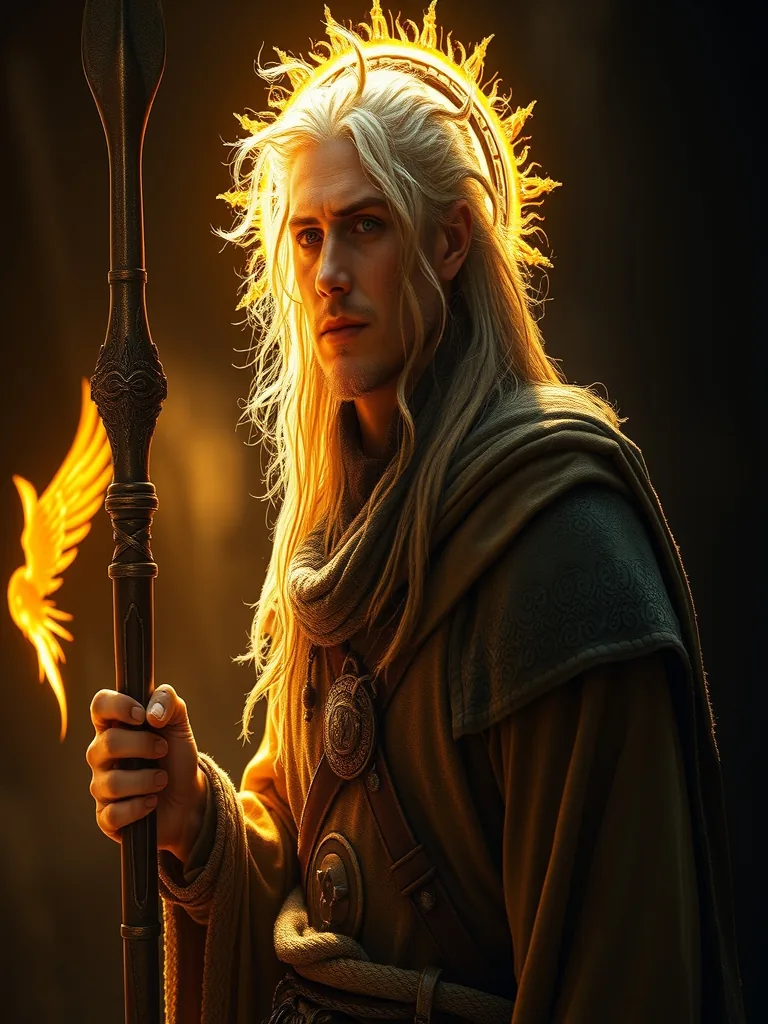
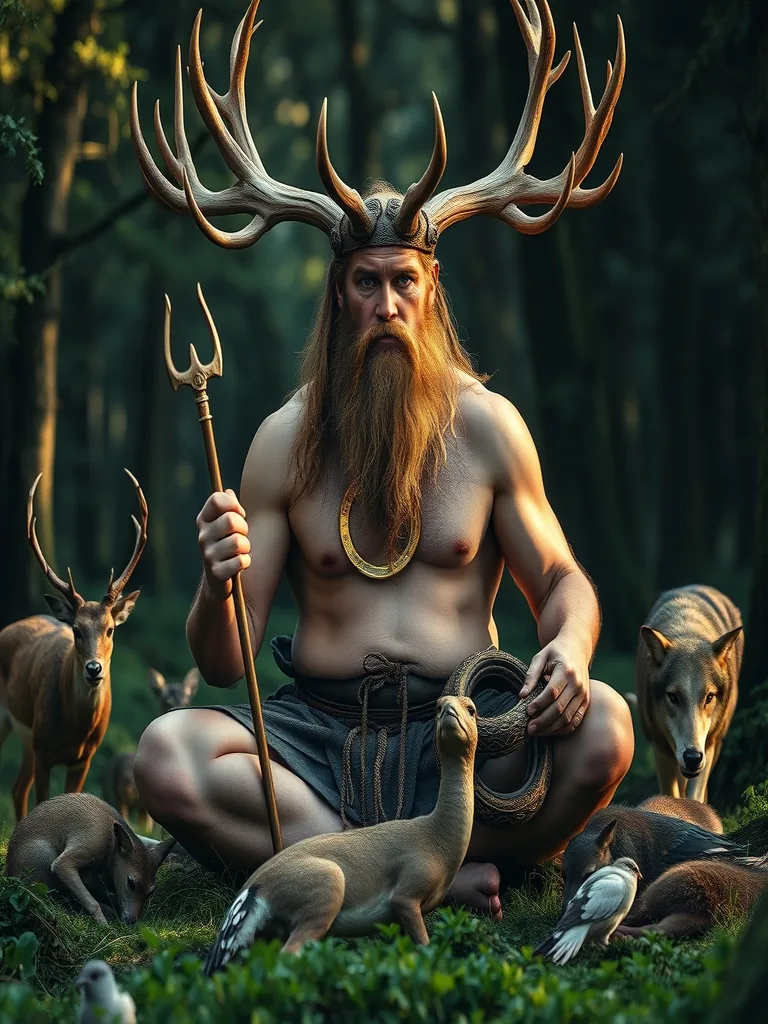
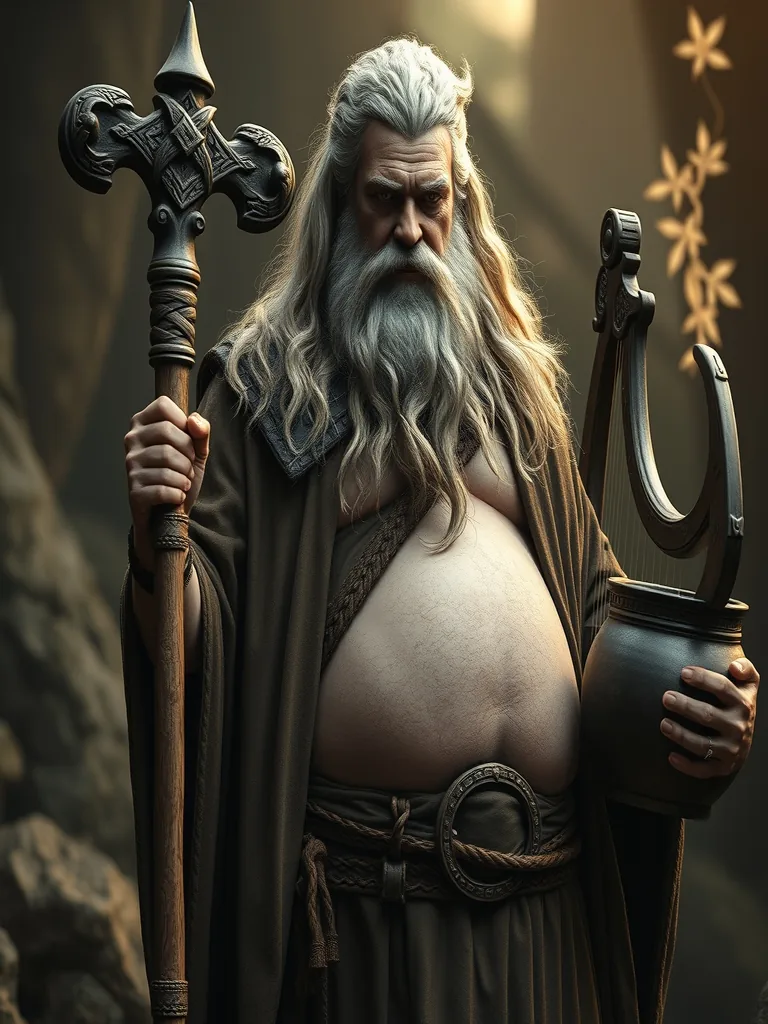
The antlered Celtic god, lord of animals and the cycle of forest life. Represents the regenerating force of virgin earth. As The Lord of Wild Nature, this deity occupies a position of supreme prestige in the celtas pantheon. Their domains over Forests & Fertility reflect ancestral cosmic order maintained across millennia. In classical iconography, they are depicted with an aura of unshakeable majesty and sacred attributes that inspired reverence in emperors and peasants alike. Their influence extended beyond earthly boundaries, governing fates and harmony between the visible and invisible worlds. For ancient devotees, contemplating their essence was to understand the very fundamental forces of nature and human existence.

Sacred Symbols

Stag antlers, the torc, the ram-headed serpent and the cornucopia

Divine Lineage

The Celtic 'Lord of the Animals'; his mythic genealogy is poorly preserved.

The Legendary Myth

He is known chiefly from the Gundestrup Cauldron, where he sits in a lotus posture surrounded by wild animals, holding a torc in one hand and a serpent in the other.

Legends & Deeds

A celebrated secondary legend preserved in the oral traditions of the celtas recounts the journey when Cernunnos intervened directly in the lives of mortals.

Cult & Worship

Historically, the cult of Cernunnos occupied a central place in the religious and architectural calendar of antiquity.

Relics of Power

A rigid bronze neck ring granting absolute affinity with animals and plants.

Did You Know?

His name was recorded only once in history, on the Pillar of the Boatmen in Paris; everything else is reconstructed from iconography.

The rest of this scroll is sealed

The myth, the legends, the cult, the relic and the curiosity are part of the full Codex. Without a subscription you open 3 scrolls a day.

See Codex PRO

From the same pantheon

View pantheon