Celtic
19 deities of this pantheon
Origin, Worldview and Mythology of the Celtic
Sacred tradition associated with the Celtic peoples
Origin and Mythological Worldview
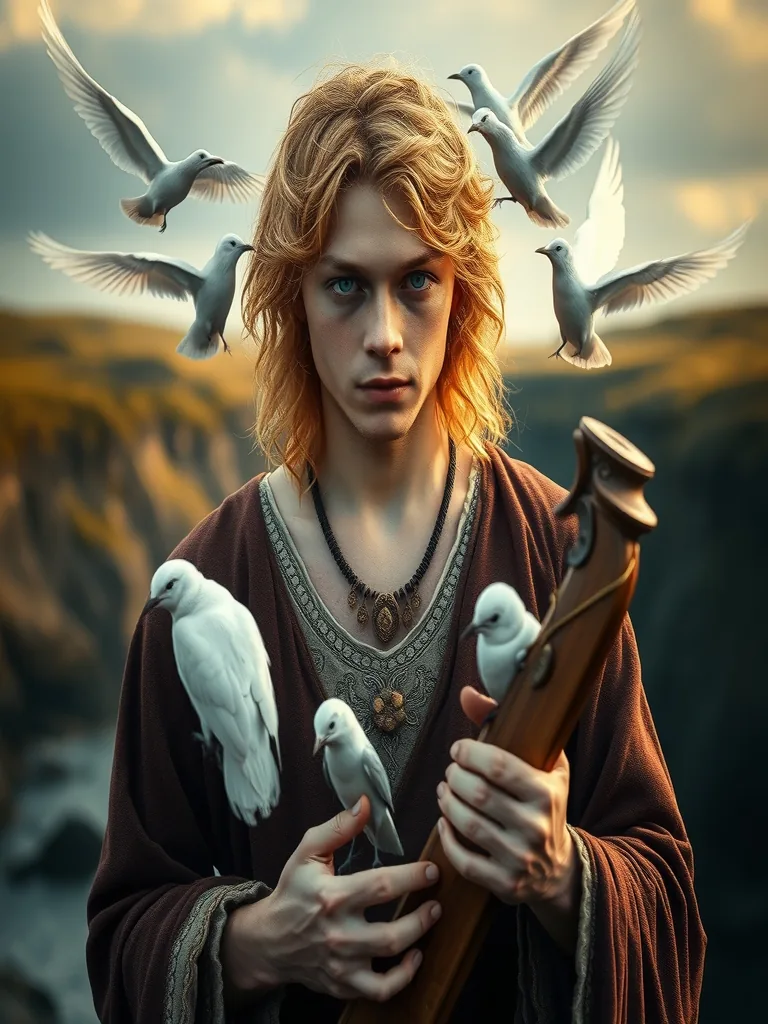
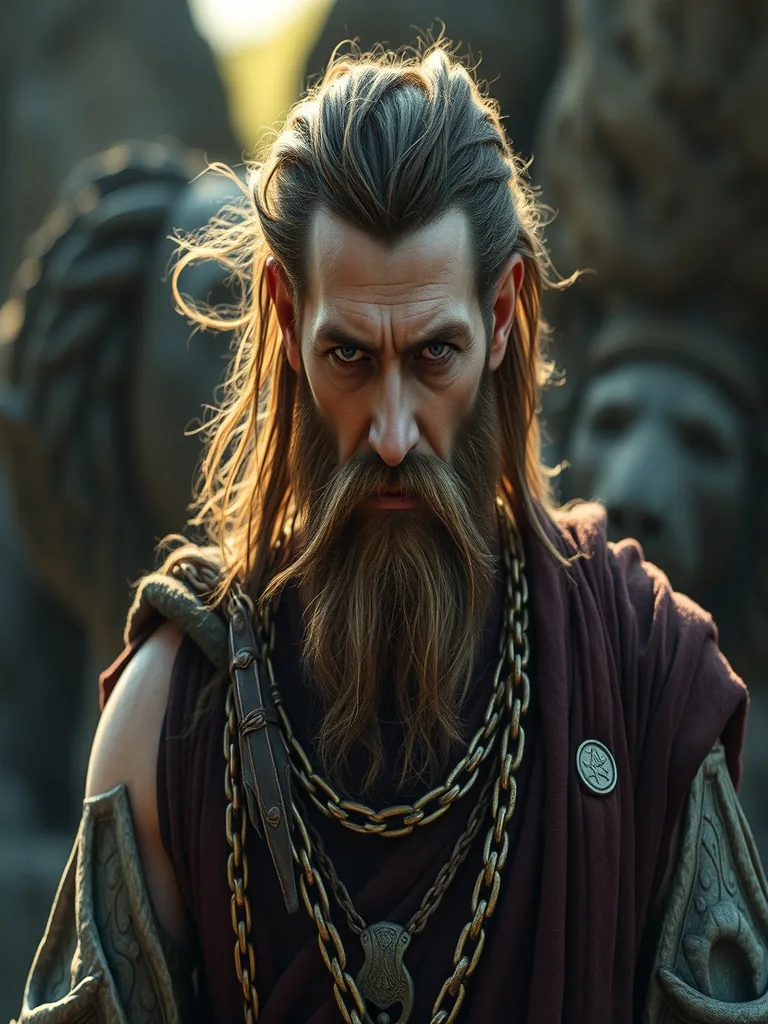
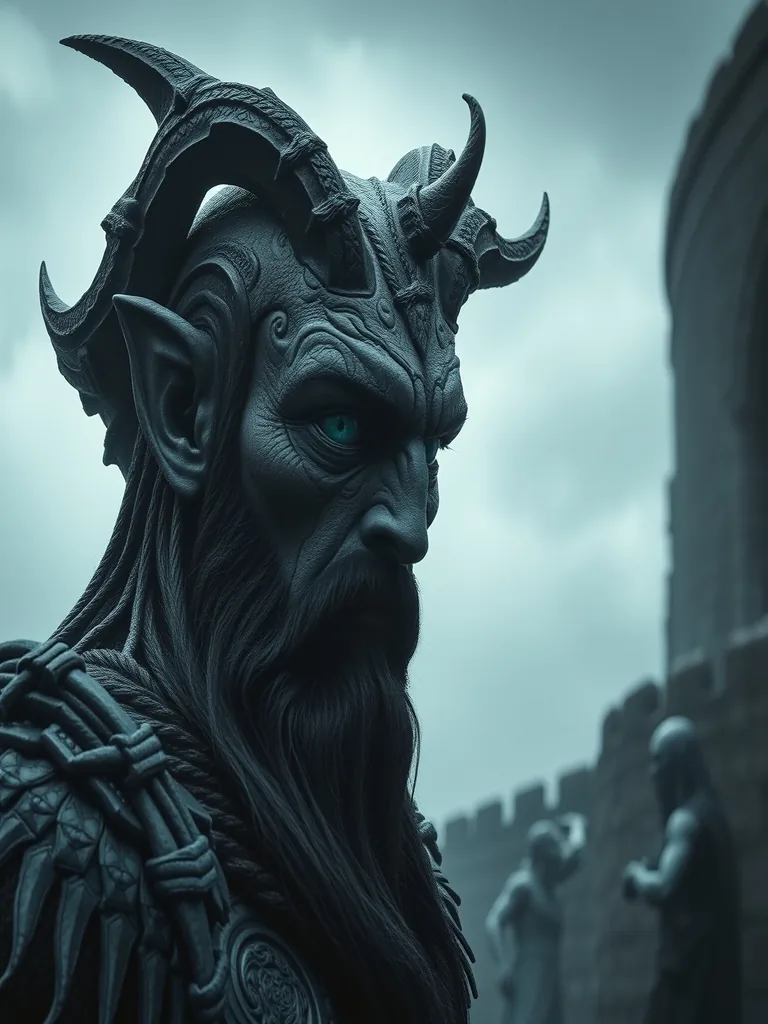
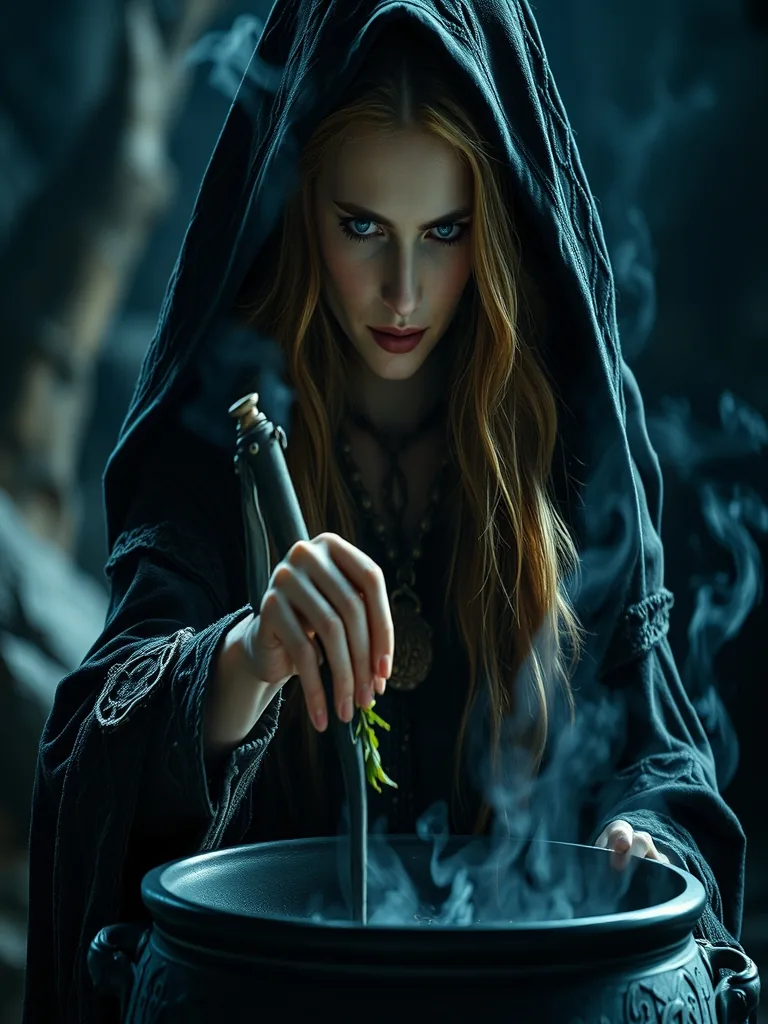
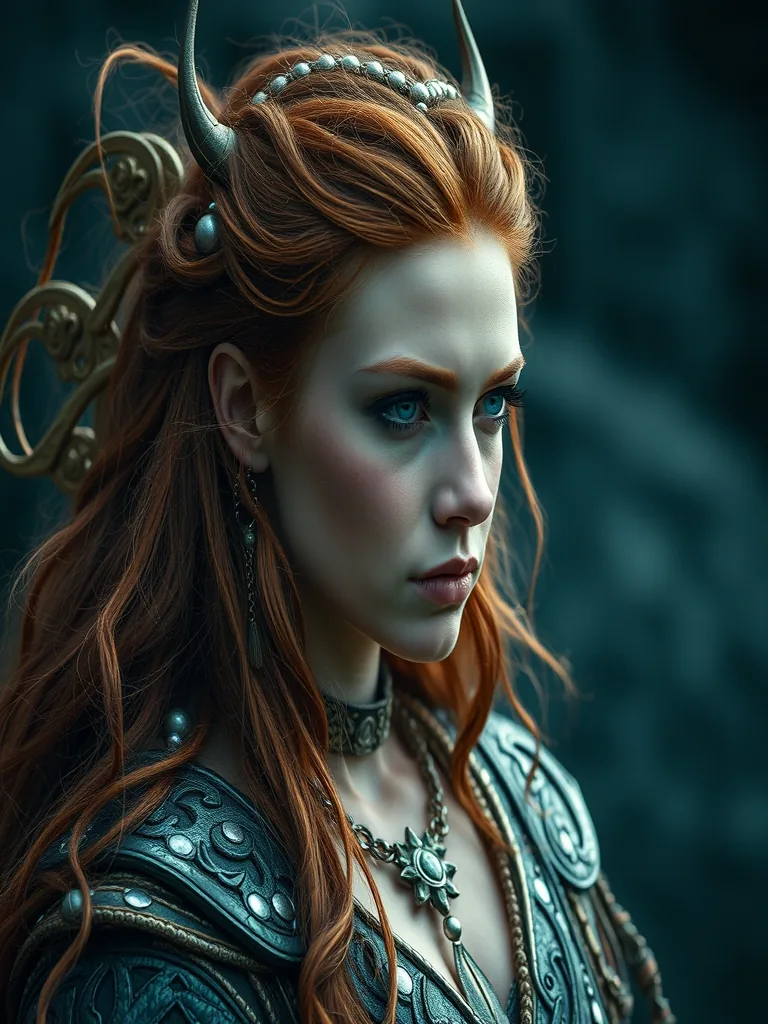
The Celtic gods were worshipped by the peoples of Ireland, Britain, and Gaul, with the aid of the druids, their priestly caste. They venerated them in sacred groves, springs, and wells, without great stone temples. Many of their myths survived in the Irish and Welsh sagas, recorded by medieval monks.
The sacred stories of this pantheon anchored the moral and civic foundation of ancient settlements, establishing rites of passage, seasonal liturgies, and explanations for terrestrial and celestial cycles.
Principal Deities and Central Figures
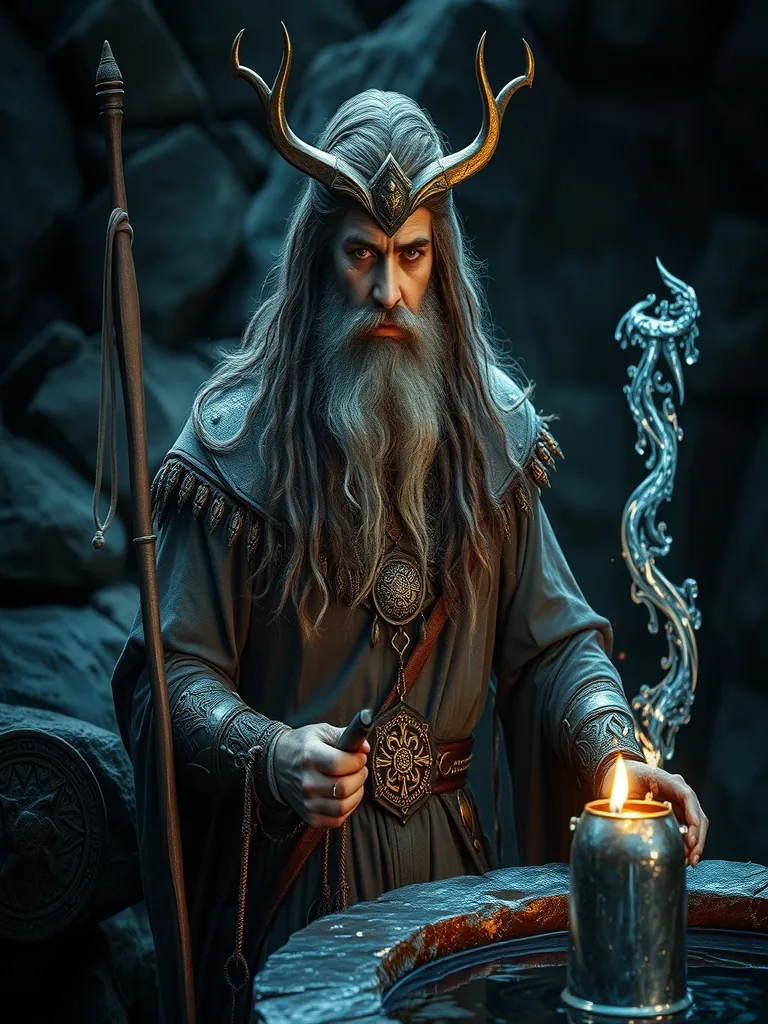
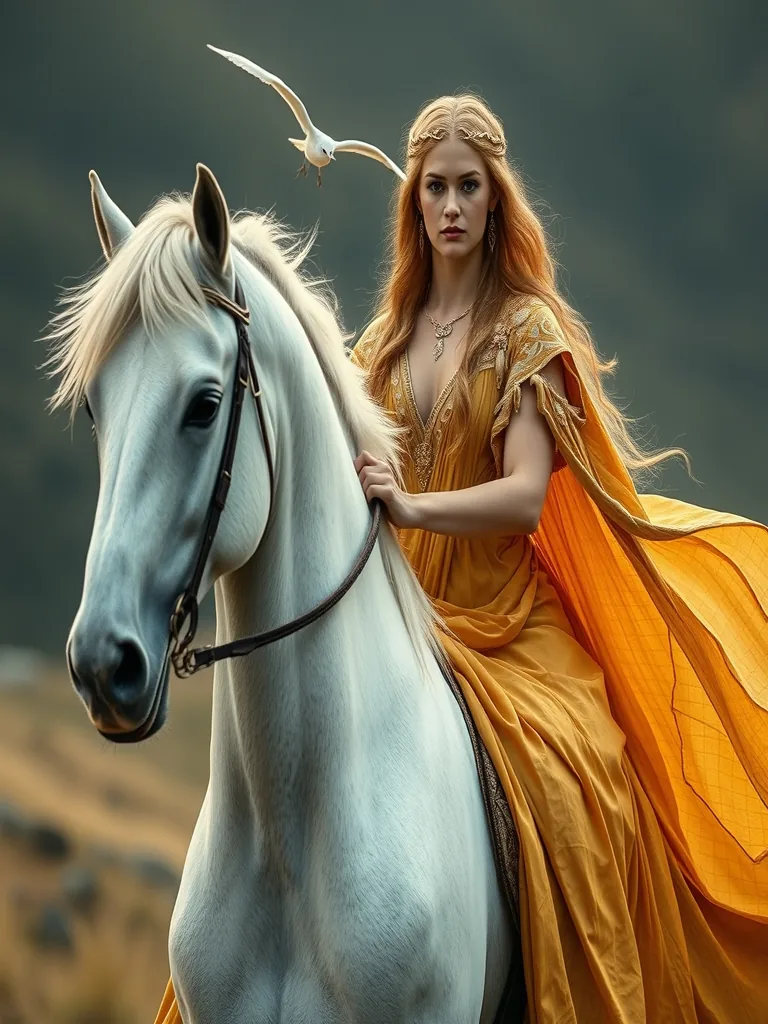
Among the 19 deities cataloged in the Codex for this pantheon, several figures hold preeminent standing across cosmic domains and civic life:
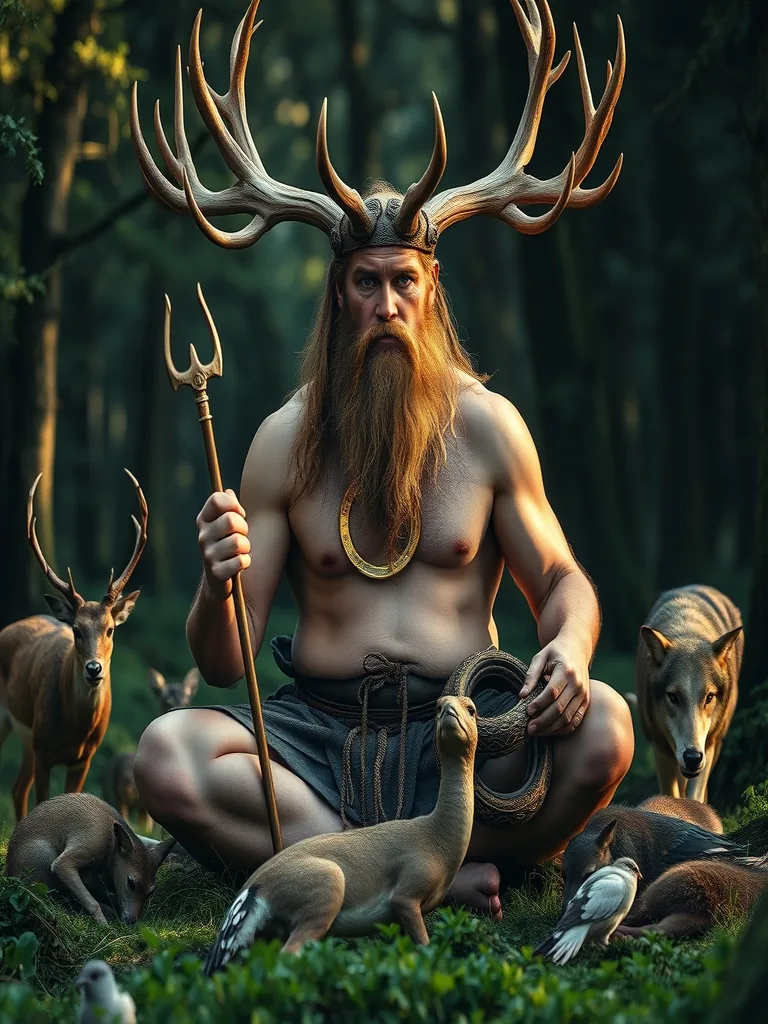
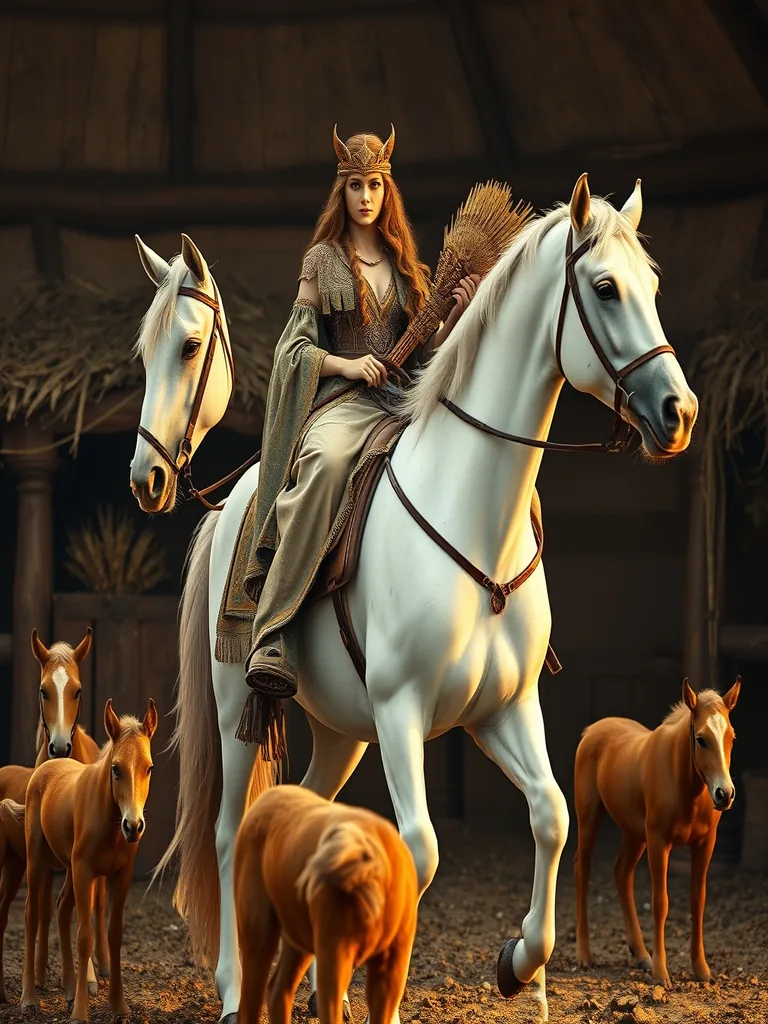
- Cernunnos — Forests & Fertility
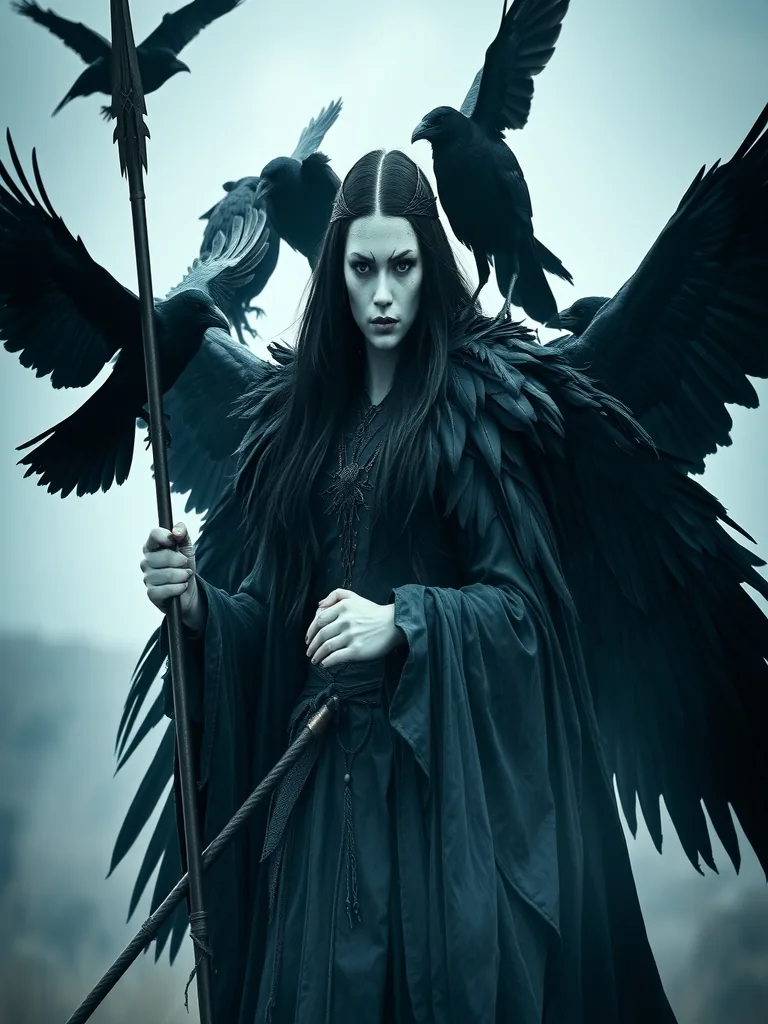
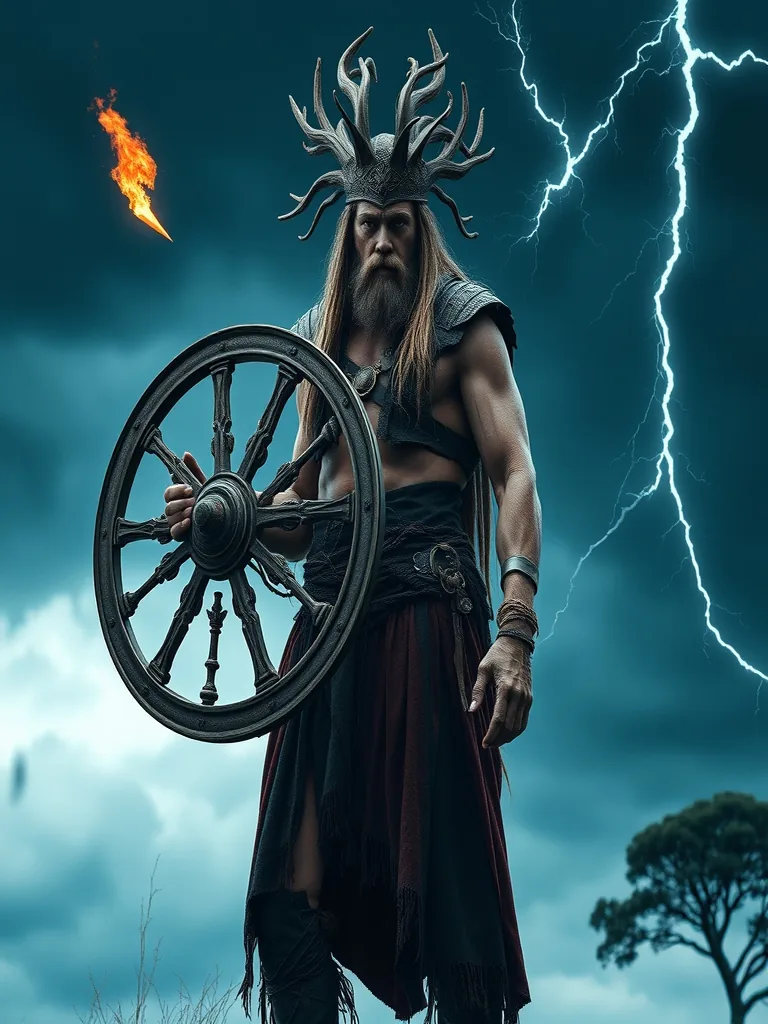
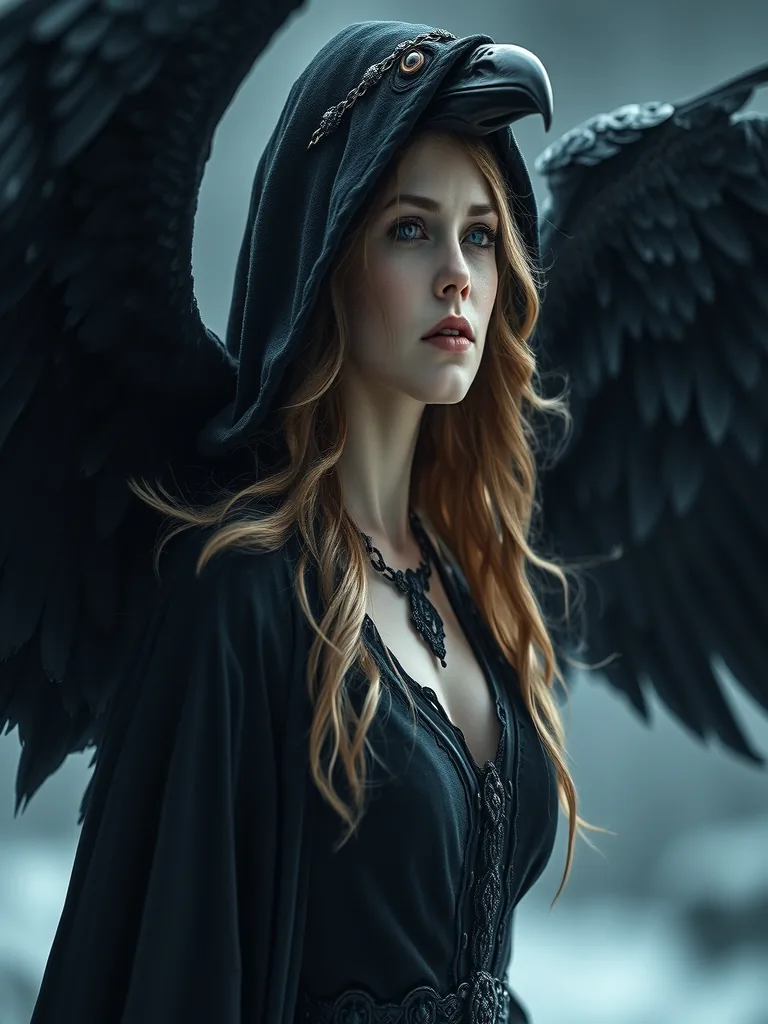
- Morrigan — War, Destiny & Death
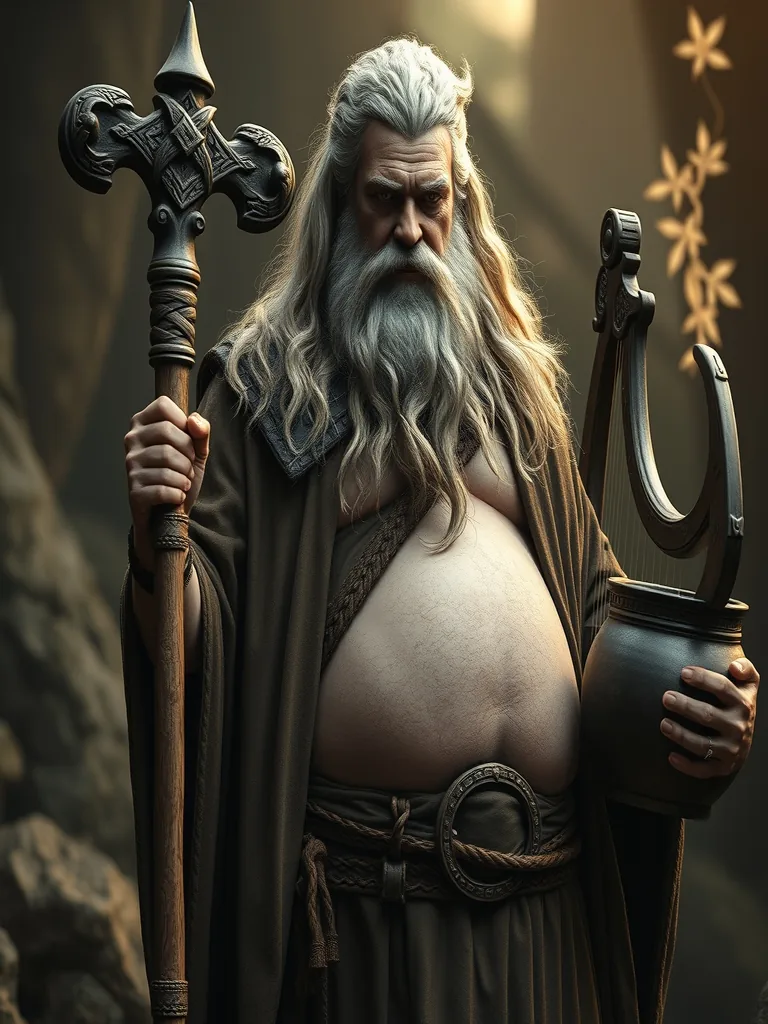
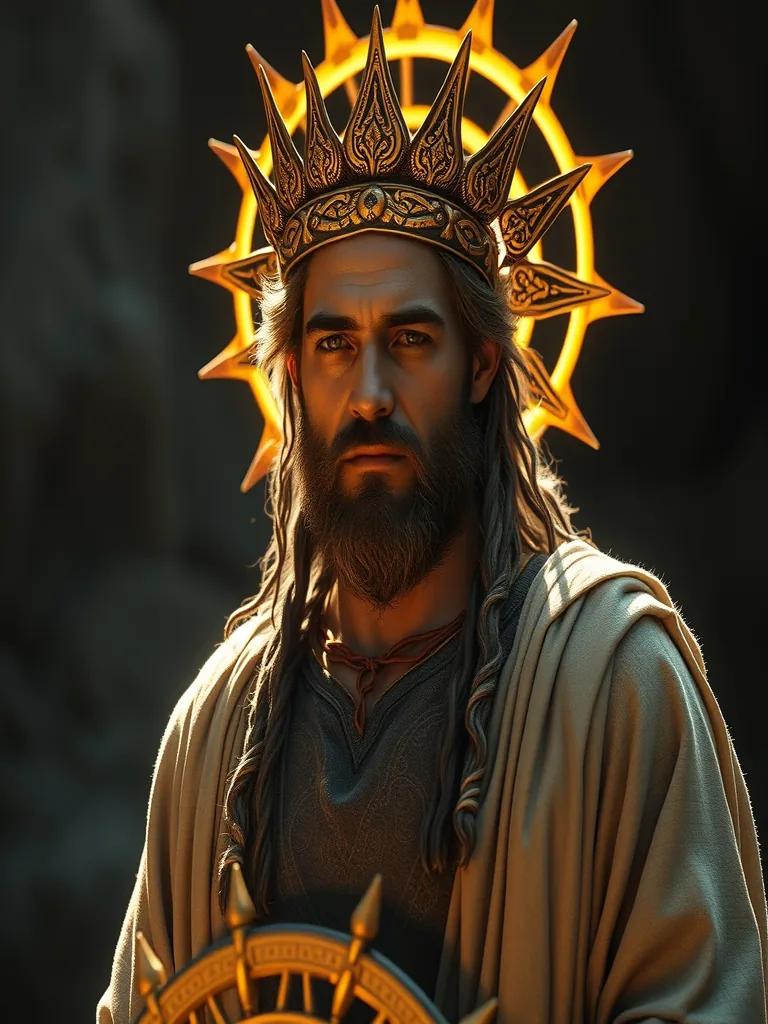
- The Dagda — Wisdom, Abundance & Magic
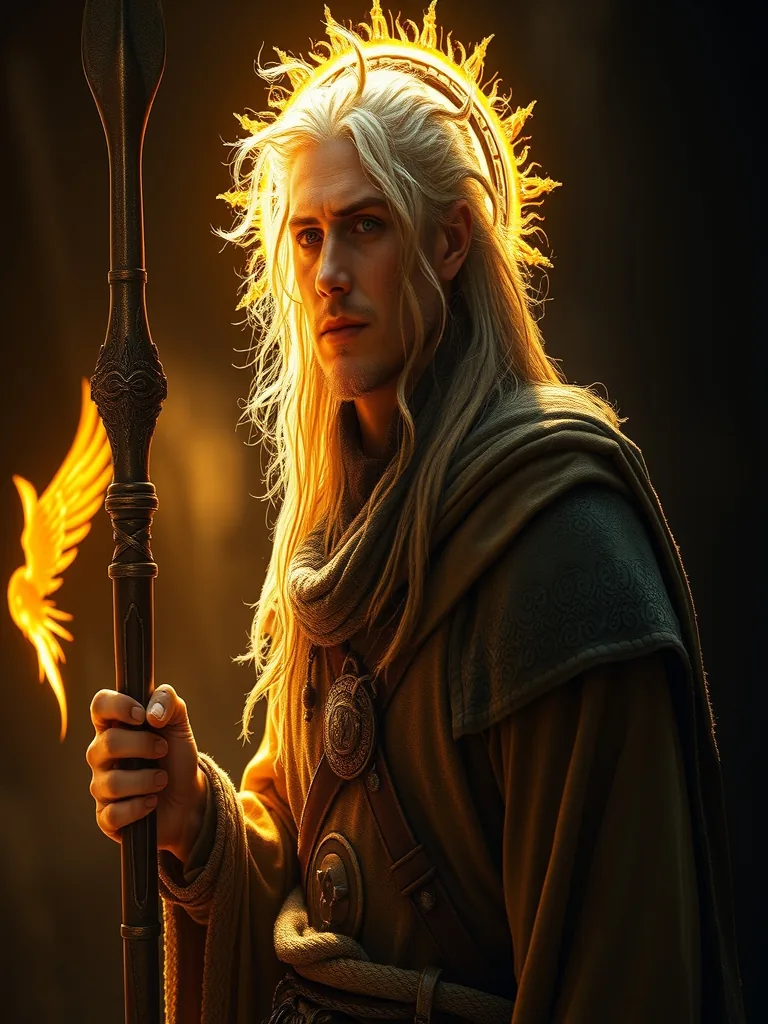
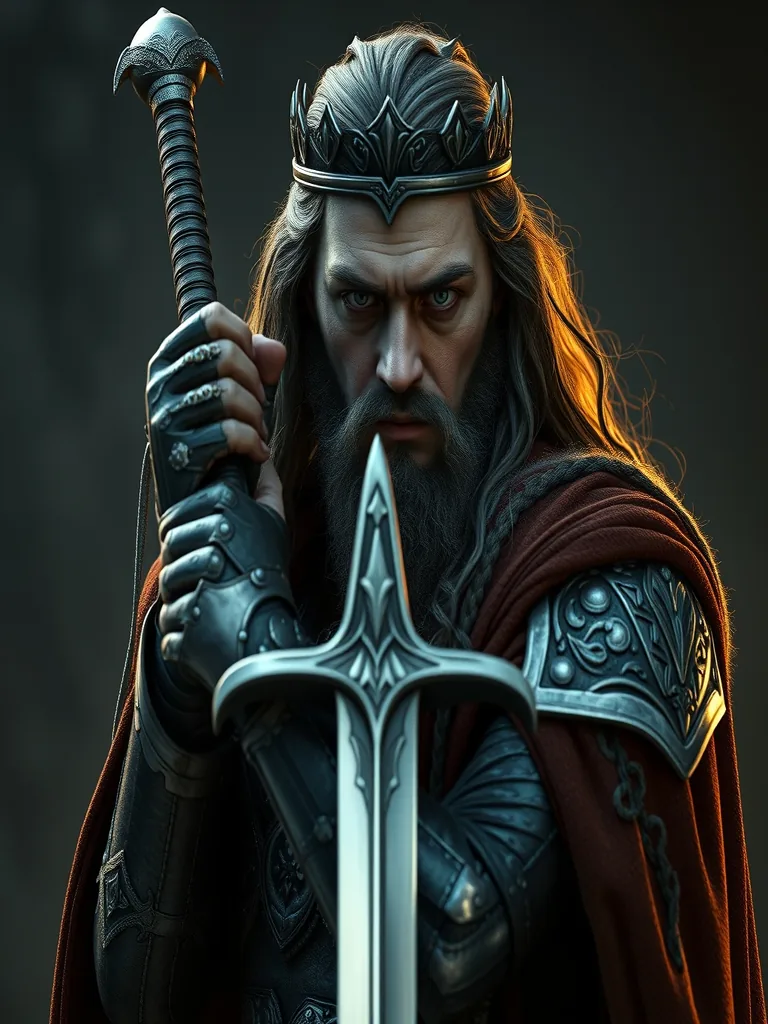
- Lugh — Skill, Sun & War
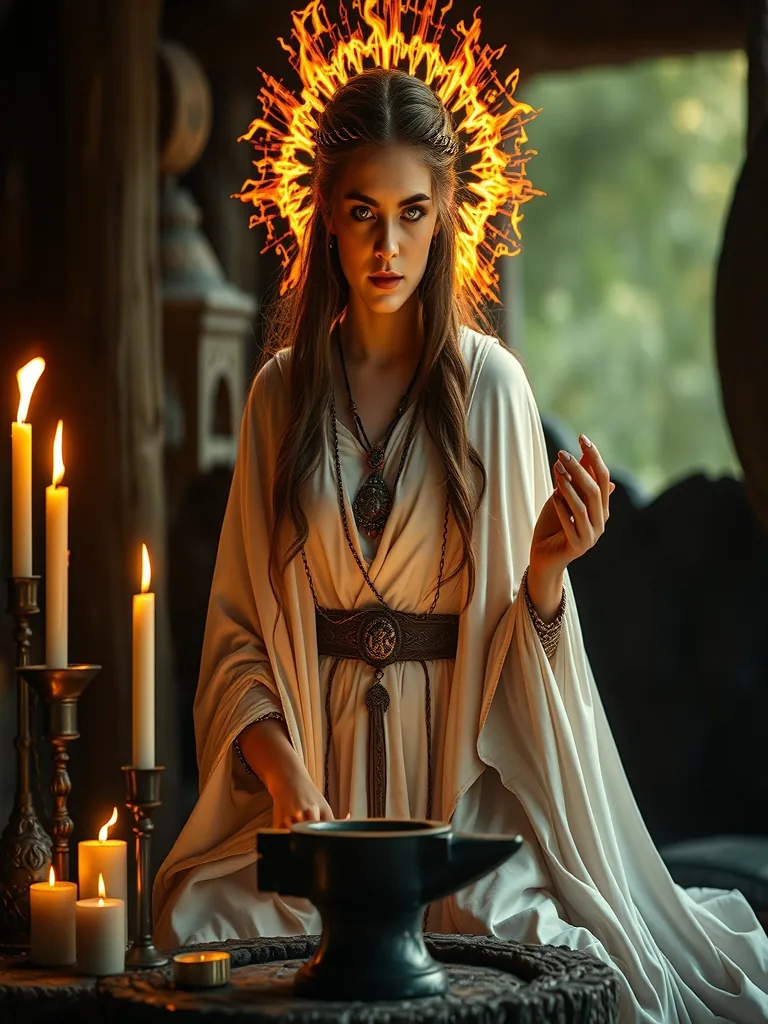
- Brigid — Fire, Poetry & Healing
Temples, Ritual Practices and Cult
The Celtic wheel of the year turned on four great fire festivals: Samhain, the origin of Halloween, opened winter and contact with the dead; Imbolc, Beltane, and Lughnasadh marked spring, summer, and the harvest. The druids led the rites in sacred groves called nemeton.
Priests and traditional lorekeepers guarded the continuity of sacred hymns and divine genealogies, ensuring the benevolence of the gods for agricultural fertility, social harmony, and communal protection.
19 deities