CMCodex
Back to the Codex
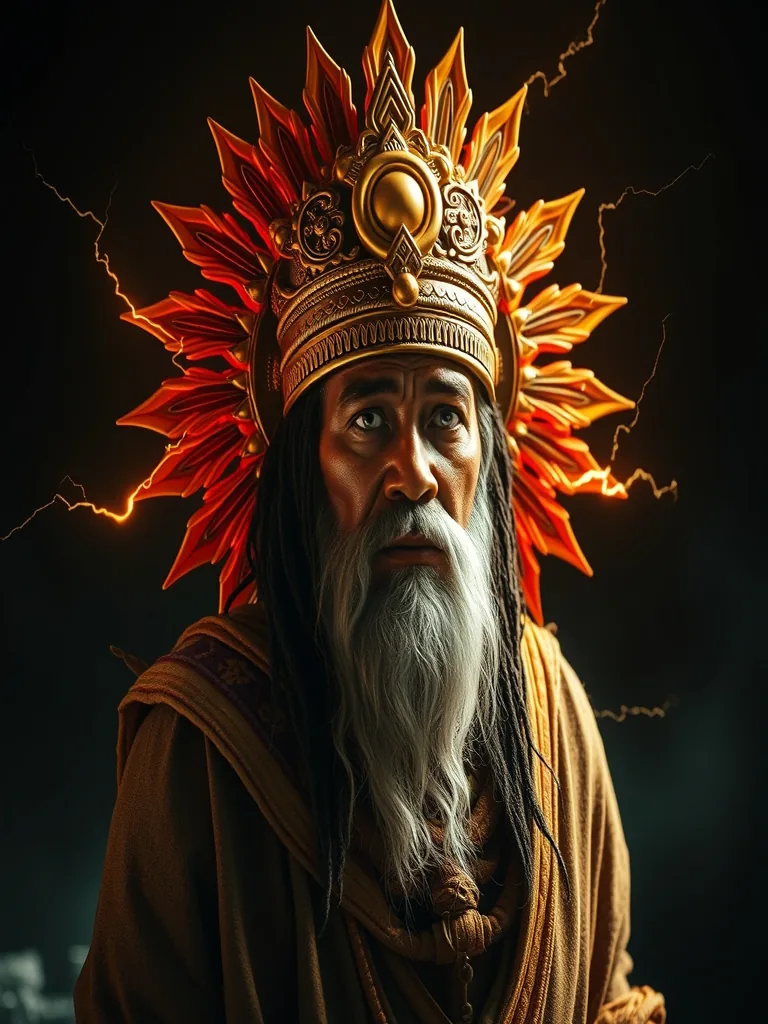
3D relief portrait of Illapa
Inca
Tap or drag
Inca

Illapa

The Lord of Thunder

Domain
Thunder, Rain & Weather
Alignment
True Neutral
Element
Thunder
Relics of Power
Sling of Storms
Speak with Illapa

The People

People
Inca
Region
Andes mountains
Period
15th – 16th c.

The Inca gods were worshipped along the Andes, from present-day Peru to Chile, from the sacred capital of Cusco. The emperor (Sapa Inca) was held to be the son of the sun Inti, and the people honored the earth-mother Pachamama with offerings. The cult was suppressed after the Spanish conquest, but persists in living Andean traditions.

The Inti Raymi, the Festival of the Sun, gathered the empire in Cusco at the winter solstice — and is re-enacted to this day. The Coricancha temple had walls covered in gold, and offerings to Pachamama remain alive in the Andes, with coca leaves and ritual bundles.
The Sacred Scrolls

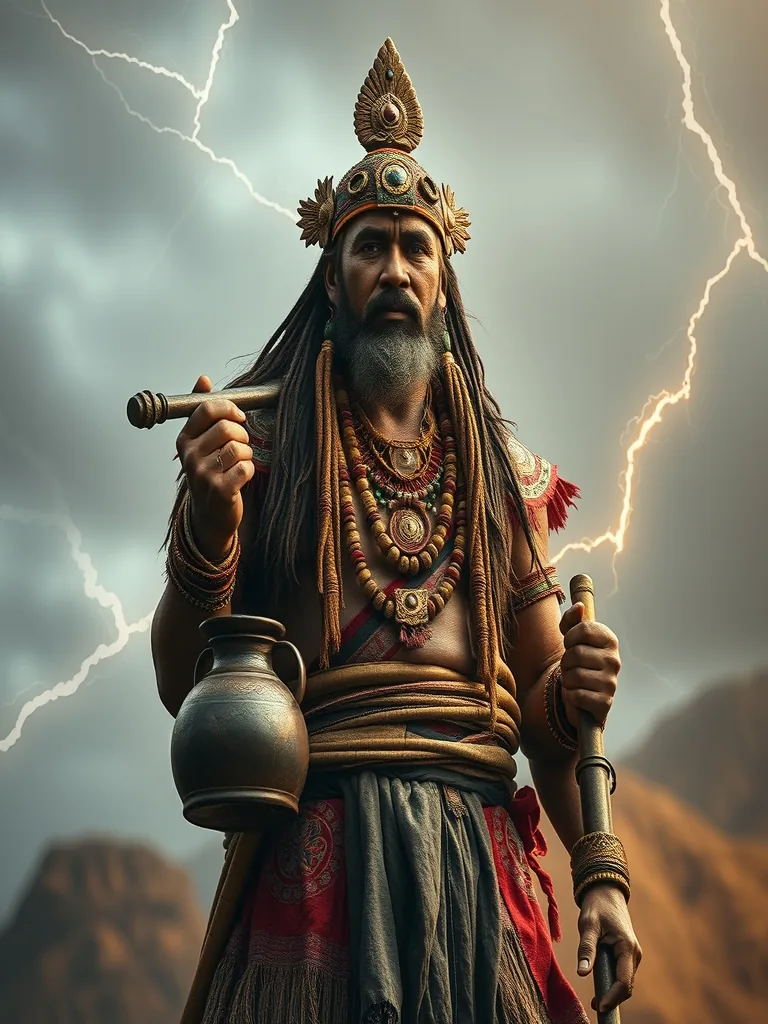
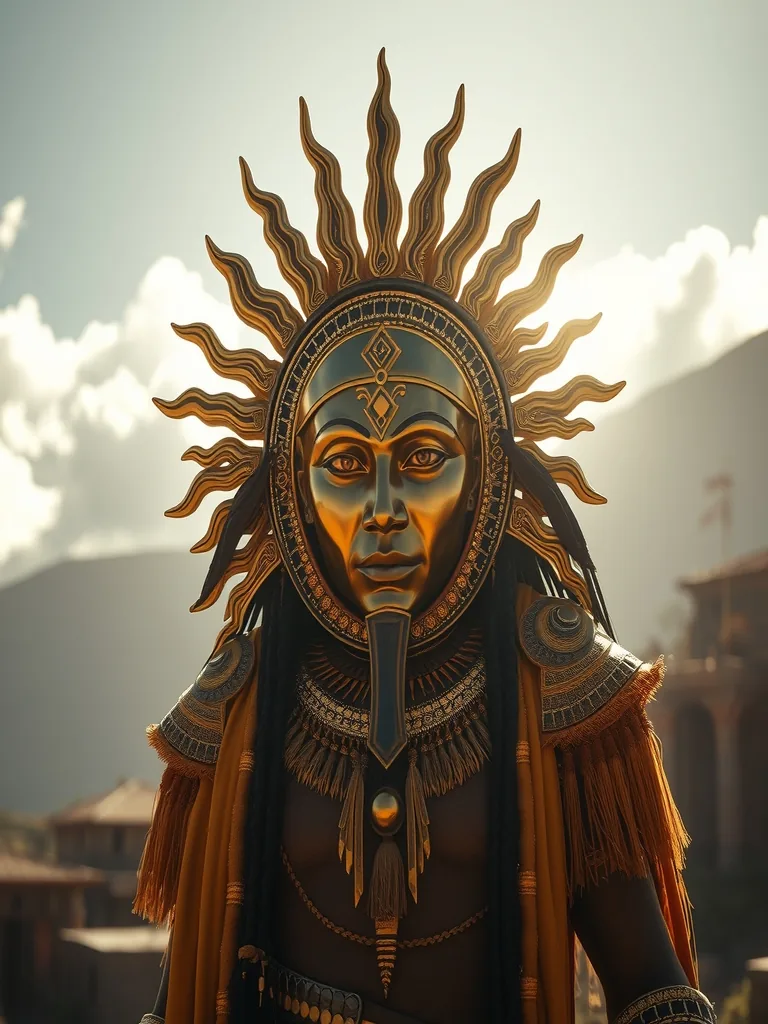
Illapa is the Inca god of thunder, lightning and rain, one of the most important deities for an agricultural people dependent on water. A celestial warrior, he roams the sky with his sling and his mace, controlling the storms. On him depended the rain that fertilized the fields and filled the rivers of the Andes. As The Lord of Thunder, this deity occupies a position of supreme prestige in the Inca pantheon. Their domains over Thunder, Rain & Weather reflect ancestral cosmic order maintained across millennia. In classical iconography, they are depicted with an aura of unshakeable majesty and sacred attributes that inspired reverence in emperors and peasants alike. Their influence extended beyond earthly boundaries, governing fates and harmony between the visible and invisible worlds. For ancient devotees, contemplating their essence was to understand the very fundamental forces of nature and human existence.

Sacred Symbols

The sling, the lightning, the mace and the Milky Way

Divine Lineage

Weather god of the Inca celestial triad, alongside Inti and Viracocha.

The Legendary Myth

The Incas imagined that Illapa drew water from a celestial river — the Milky Way — and kept it in a jug held by his sister. When he cracked his sling against the jug, the crack was the thunder, the spark was the lightning, and the spilled water fell as rain upon the earth. In times of drought, processions were held and black dogs were tied out in the sun so that their howls might move Illapa to send the rain. During the great age of Inca myths, Illapa performed extraordinary deeds defending cosmic balance against forces of destruction. It is told that when an ancestral threat emerged from the ends of the world, Illapa wielded power over Thunder, Rain & Weather, summoning divine elements and turning the tide of battle. Ancient bards and poets sang the glory of this combat, highlighting the wisdom and bravery demonstrated before the assembled gods themselves. The triumph consolidated their eternal authority and sealed an inviolable pact of protection over mortal realms, remembered across all subsequent generations.

Legends & Deeds

A celebrated secondary legend preserved in the oral traditions of the Inca recounts the journey when Illapa intervened directly in the lives of mortals. During a period of great trial, when droughts and chaos threatened the survival of ancient cities, Illapa descended from the heavens disguised among men to test humanity's virtue and generosity. Only a humble family welcomed the mysterious traveler, offering their last meal with devotion and respect. Revealing their true resplendent form as The Lord of Thunder, Illapa blessed the region with perpetual abundance and raised a sacred spring that never dried again. This epic saga became a symbol of divine justice and the reward reserved for those who maintain faith and nobility of spirit even in times of greatest darkness.

Cult & Worship

Historically, the cult of Illapa occupied a central place in the religious and architectural calendar of antiquity. Imposing stone temples and open-air sanctuaries were erected in their honor in the major capitals of the Inca, adorned with detailed reliefs and monumental columns. Annually, great public festivals gathered thousands of pilgrims who held solemn processions, lit sacred torches, and chanted communal hymns celebrating harvests and military victories. Priests and priestesses of ancient orders dedicated their lives to preserving the sacred flame and guarding the temple's manuscripts and relics. Contemporary archaeological excavations continue to reveal votive altars, commemorative coins, and architectural innovations testifying to the deep historical veneration of this deity.

Relics of Power

The celestial sling whose crack is the thunder and whose stone projectile strikes the lightning in the sky.

Did You Know?

After the conquest, Illapa was syncretized with the apostle Santiago (Saint James), so that many Andean feasts to 'Tata Santiago' preserve echoes of the ancient thunder god. In modern astronomy and science, Illapa's name and symbols inspired the naming of celestial bodies and geological formations on other planets. Furthermore, their artistic depiction influenced Renaissance painters and Neoclassical sculptors, remaining an iconic figure in contemporary cinema, literature, and video games.

From the same pantheon

View pantheon