CMCodex
Back to the Codex
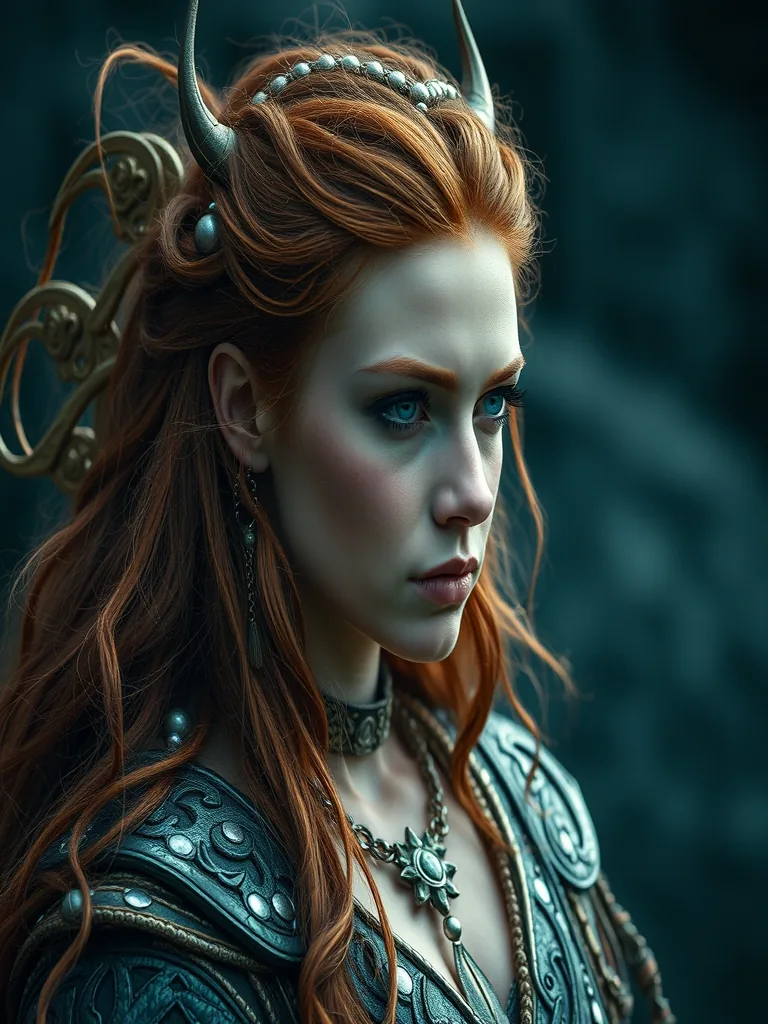
3D relief portrait of Macha
Celtic
Tap or drag
Celtic

Macha

The Sovereign of Horses and War

Domain
War, Sovereignty & Horses
Alignment
Chaotic Neutral
Element
Earth
Relics of Power
Crown of Red Ears
Speak with Macha

The People

People
Celtic peoples
Region
Ireland, Britain & Gaul
Period
c. 500 BC – 500 AD

The Celtic gods were worshipped by the peoples of Ireland, Britain, and Gaul, with the aid of the druids, their priestly caste. They venerated them in sacred groves, springs, and wells, without great stone temples. Many of their myths survived in the Irish and Welsh sagas, recorded by medieval monks.

The Celtic wheel of the year turned on four great fire festivals: Samhain, the origin of Halloween, opened winter and contact with the dead; Imbolc, Beltane, and Lughnasadh marked spring, summer, and the harvest. The druids led the rites in sacred groves called nemeton.
The Sacred Scrolls

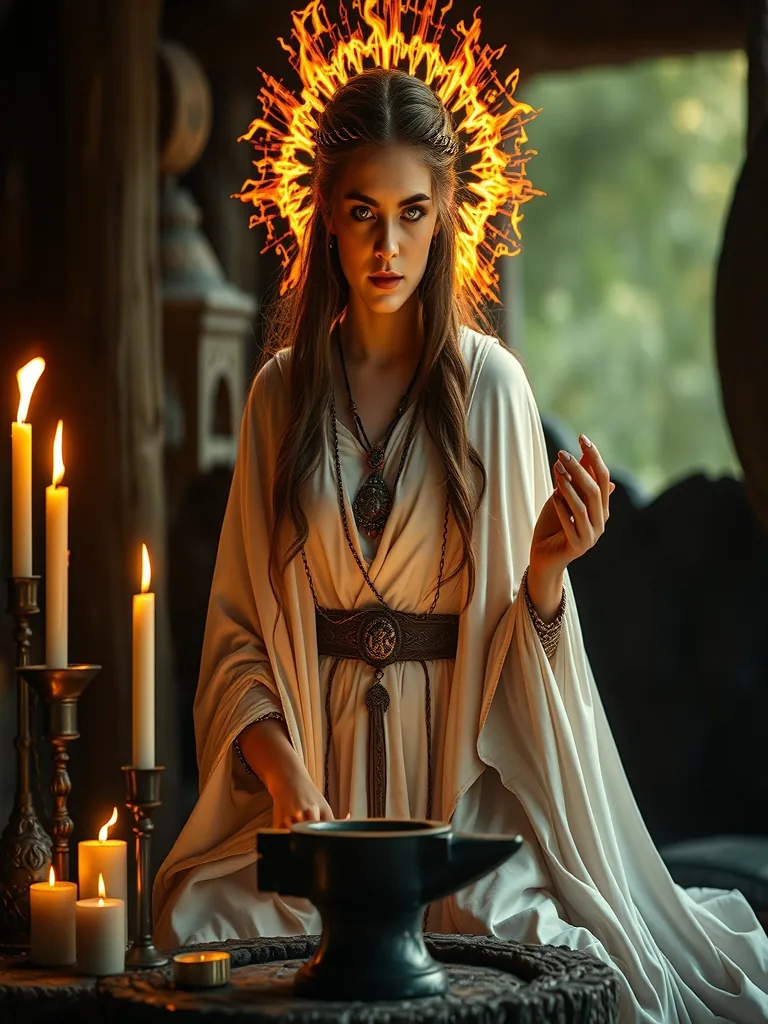
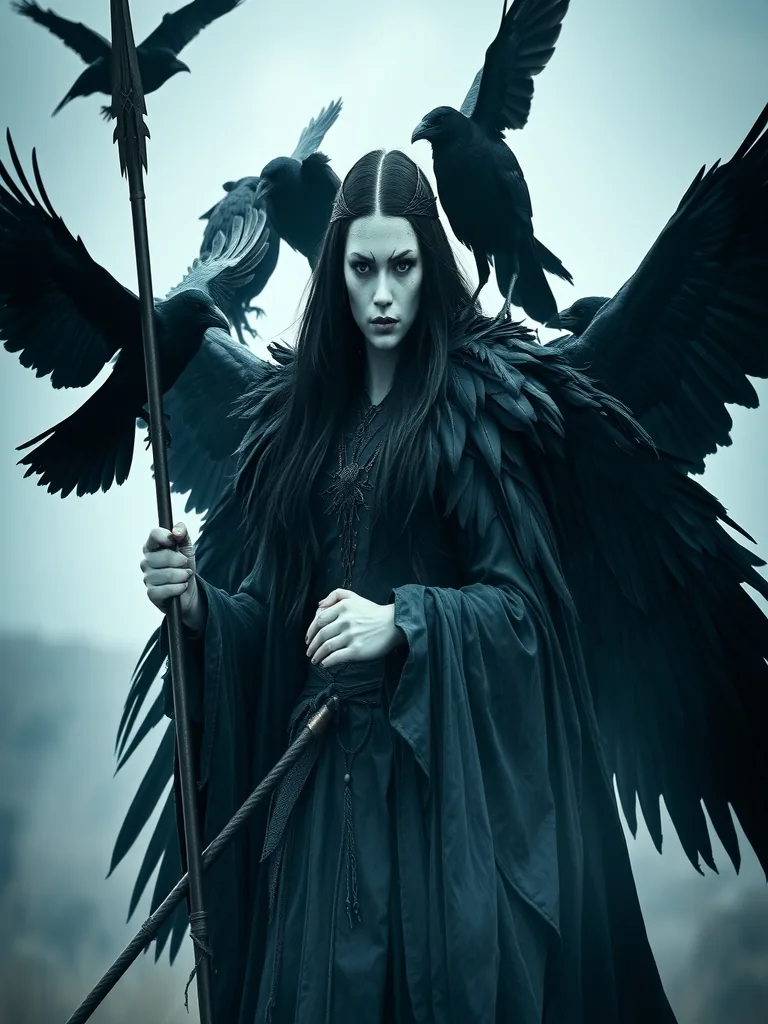
A complex goddess encompassing the fury of war, the majesty of earthly sovereignty, and the wild vigor of horses, Macha is one of ancient Ireland's most multifaceted deities. Being one of the three faces of the Morrígan, she acts not only as a relentless warrior queen but as a prophetess deeply bound to the mysteries of the fertile earth. Visually, she is often described with hair as red as raging flames, wearing ornate armor and riding unbeatable, supernatural steeds. Her cosmic role is to legitimize royal power while simultaneously testing the moral fiber of mortal leaders and heroes through combat and suffering. Macha has distinct personalities across various eras: the conquering queen, the mysterious wife with magical gifts, and the fierce goddess of martial death. She is the protector of Ulster's ancient capital, whose name permanently marks the sacred landscape. When enraged, she is unforgiving to mortals; when pacified, she grants blessings of immeasurable fertility and splendid victories.

Sacred Symbols

The unbeatable swift horse, the crown of skulls, territory marked by stakes, and the great ritual field of Emain.

Divine Lineage

One of the primordial three faces of the Morrígan; in other mythic cycles, she acts as the formidable wife of the mortal Crunnchu.

The Legendary Myth

In one of the most impactful myths of Celtic tradition, Macha was pregnant and disguised as the peaceful wife of the widower Crunnchu. Despite her discretion, her husband's greed and bravado led him to boast before the King of Ulster, Conchobar, claiming his wife could outrun the royal chariots. Intrigued and tyrannical, the king forced the fragile yet divine Macha to compete immediately, under the threat of executing Crunnchu. Ignoring her pleas and the advanced state of her pregnancy, the crowned heads demanded the sadistic spectacle. Macha ran, and with the speed of fairy winds, outpaced Ulster's elite stallions. Upon crossing the finish line and saving her husband, she collapsed with the thunderous cries of childbirth in the open field. Right there, she gave birth to twins in profound physical and moral agony. In her sweat and blood, she cursed the cruel men of Ulster: for the next nine generations, during moments of greatest invasion and dire need for martial protection, all would collectively suffer the excruciating pangs she had just endured. This divine curse determined the entire tragic military fate of northern Ireland.

Legends & Deeds

An invaluable parallel legend depicts the incarnation of Macha as Mong Ruad, the red-haired queen who conquered the supreme throne of Ireland by her own strength. After the death of her royal father, rivals declared that a woman could never reign over the wild lands. Enraged, Macha not only defeated and humiliated these monarchs in pitched battles, but stormed their lands, subjugating them brutally. It is said that to humiliate the defeated nobles, she personally forced them to excavate the foundations and great earthworks of what would become her divine capital, Emain Macha (the Twins of Macha). She patrolled the excavations wielding her gleaming spear, demanding geometric perfection from the once-proud men. This heroic deed proved that the goddess punished the arrogance of men not just through curses, but also by brute force, permanently consolidating her legend of physical ferocity and sacred absolute sovereignty. Even the island's supernatural forces recognized her as the unquestionable high sovereign queen of all territories.

Cult & Worship

Macha's legacy left indelible marks on the archaeology and historical cult of ancient Celtic Ireland. Her most imposing sacred site, the hill and concentric forts of Emain Macha (Navan Fort), served as the nerve center of Ulster's royal power and the stage for elaborate martial festivals and inauguration rituals. Priests and kings traveled annually to these fortified earthworks, celebrating complex sovereignty festivals, which featured mock battles and solemn horse races in her honor. It was deeply believed that the goddess's blessing sealed the king's divine right over the prosperous land. Rigorous rites involved animal sacrifices, especially of swift horses, and absolute respect for the enigmatic tombs of her ancestral priests in the area. Records of enemy heads impaled in sacred enclosures made direct cultic reference to the 'harvest of Macha', a brutal tradition to ensure untouched territorial sovereignty.

Relics of Power

The majestic and terrifying crown made entirely of the decapitated heads of her slain foes, the famous 'harvest of Macha' that dots the battlefields. This macabre relic grants her power over fertility and death, uniting the sovereignty of the soil with blood sacrifice. Beyond dread, it grants the goddess the drained vitality of those who dared oppose her.

Did You Know?

The immense fortification of Navan Fort (Emain Macha) is not merely a myth; it is a gigantic archaeological site in County Armagh that shows continuous signs of majestic and ritual use from the late Bronze Age to the Iron Age. Macha's debilitating curse provides the vital literary plot in the great Irish epic, explaining why all warriors fell ill during an invasion, save for Cú Chulainn, who was free of the magic as he was not a native.

From the same pantheon

View pantheon