Skip to content
CodexMythologia
Back to the Codex
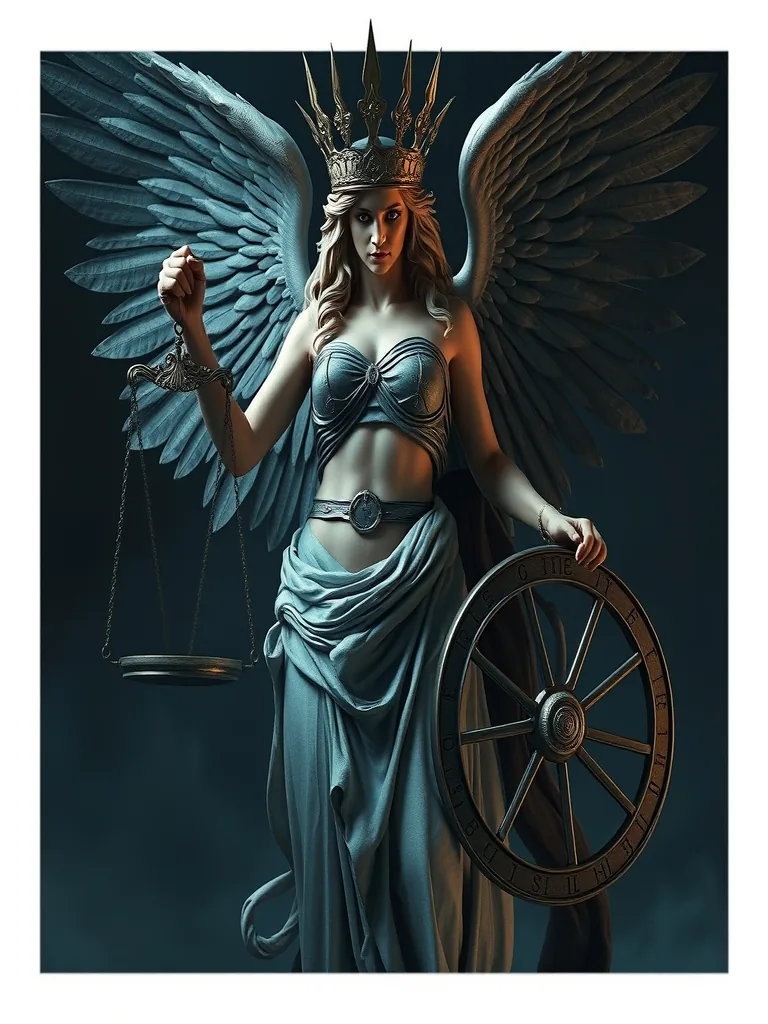
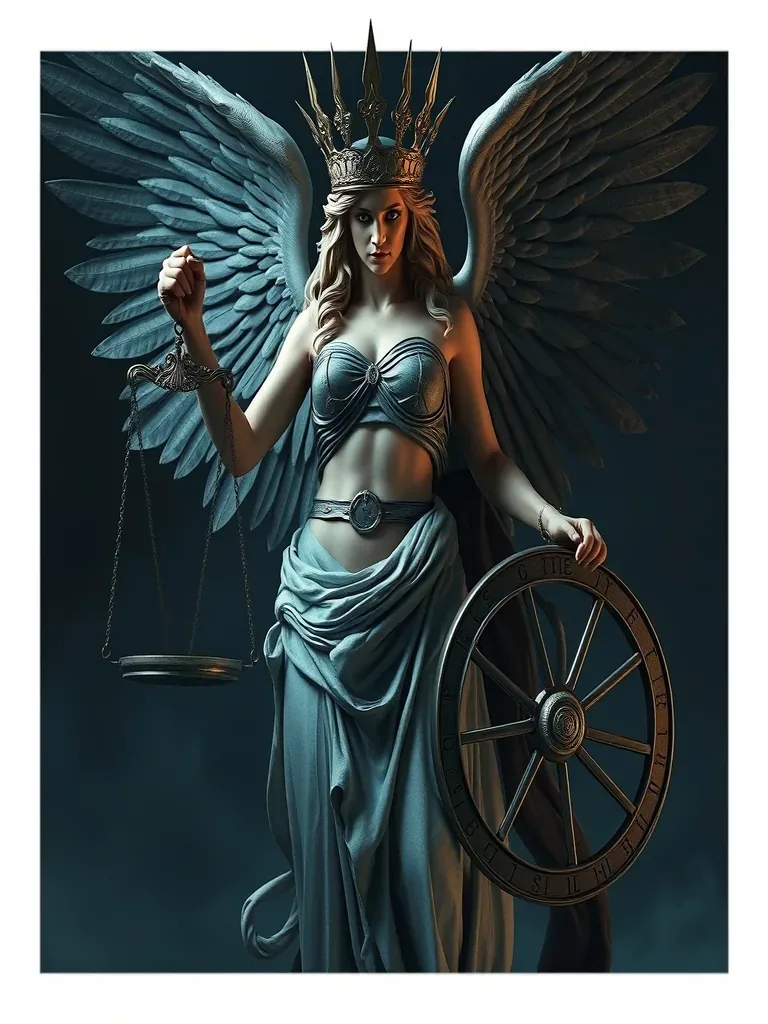
Portrait of Nemesis, Greek deity
Greek
Tap or drag
Greek

Nemesis

The Divine Retribution

Domain
Vengeance, Justice & Balance
Alignment
Lawful Neutral
Element
Darkness
Relics of Power
Scales and Sword
Speak with Nemesis

The full Codex

5 sections of this entry are open to everyone: the summary, the people, the symbols, the lineage and the sources. The other 9 (Name and epithets, In the ancient sources, The myths, Worship and archaeology, How the god was depicted, What scholars debate, After antiquity, Did you know?, Codex relic) are part of the full Codex: PRO opens the whole study of all 500 deities, and without a subscription you can read one full entry a day, just like in the app.

The People

People
Ancient Greeks
Region
Greece & the Mediterranean
Period
8th c. BC – 4th c. AD

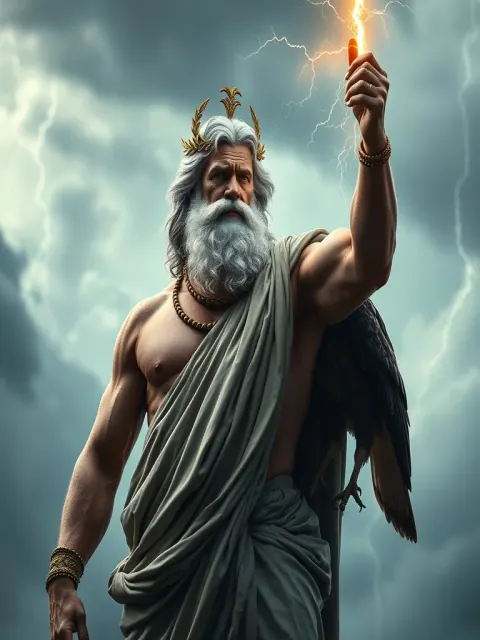
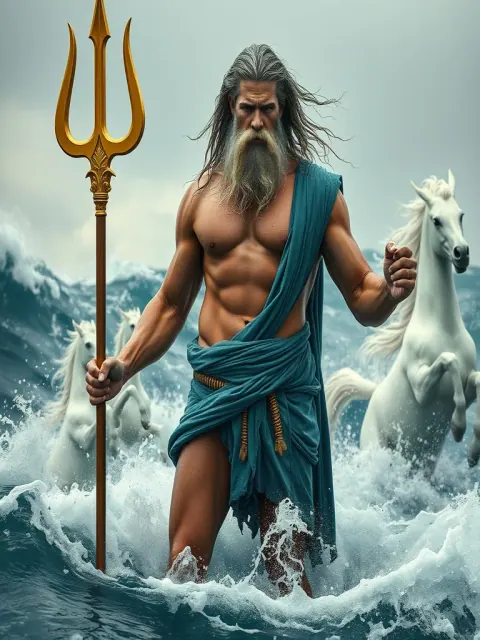
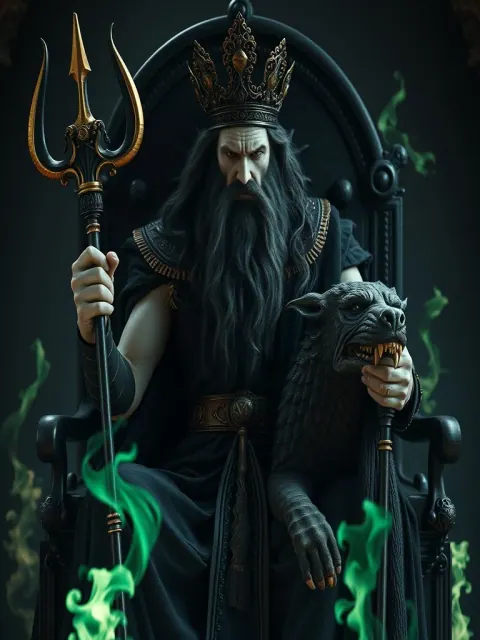
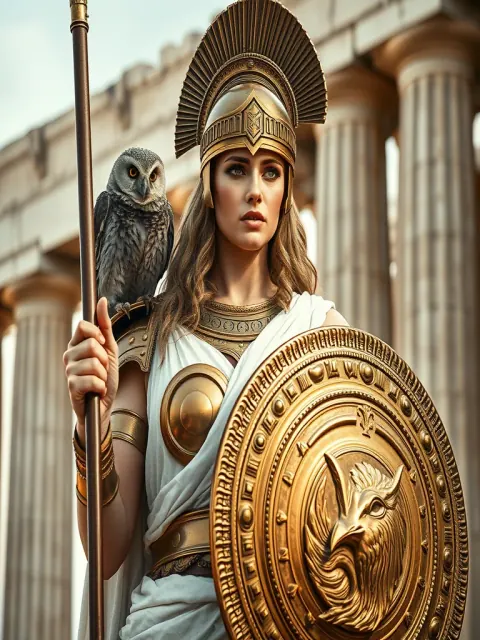
The Olympian gods were worshipped by the city-states of ancient Greece, from Athens to Sparta, which raised them temples such as the Parthenon. Reigning atop Mount Olympus, they presided over every aspect of life and were celebrated in festivals like the Olympic Games. Homer and Hesiod fixed their myths, which shaped all of Western culture.

The Olympic Games were held every four years in honor of Zeus, and the Panathenaea celebrated Athena in Athens. The Eleusinian Mysteries initiated the faithful into the secrets of Demeter and Persephone, while crowds consulted Apollo's oracle at Delphi.
At a glance

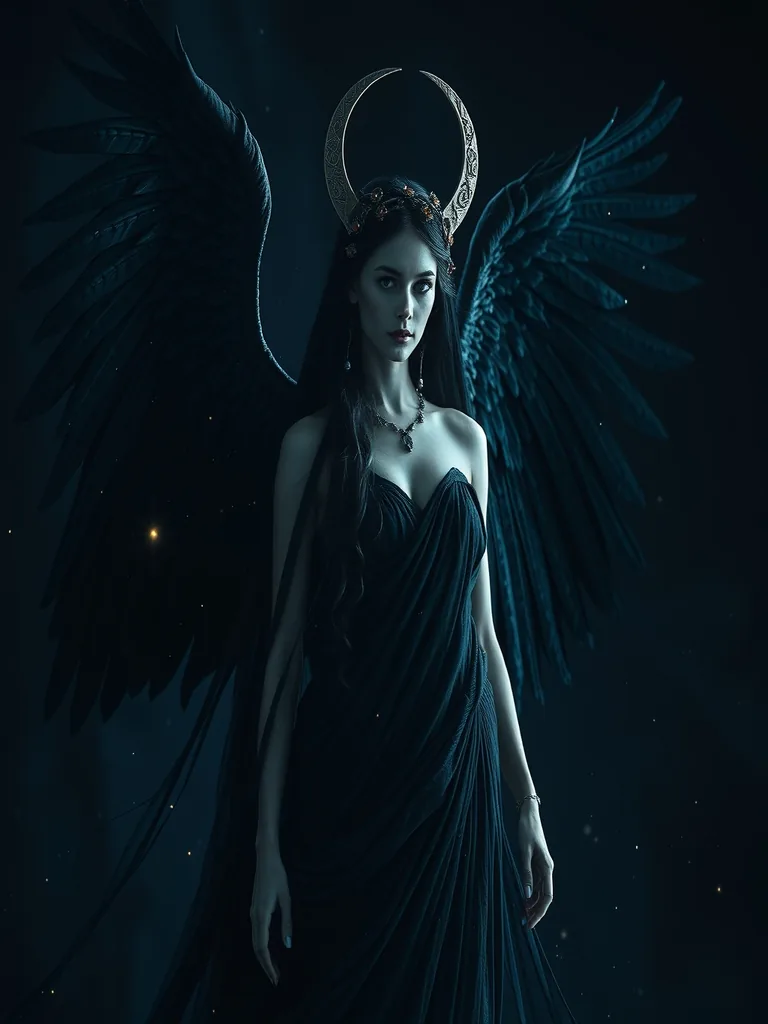
Nemesis (Ancient Greek Νέμεσις) is the venerable and feared divine personification of righteous moral retribution, divine indignation against human insolence, and the unyielding restoration of cosmic equilibrium in Classical Greece. Brought forth by Nyx (Night) via primeval parthenogenesis, as recorded in Hesiod's Theogony, Nemesis embodies the fundamental ethical principle that no mortal may exceed their allotted bounds without incurring devastating divine chastisement. In a cosmos governed by moderation (sophrosyne) and the equitable distribution of cosmic portions (moira), she functions as the avenging force that strikes down proud tyrants, overturns arrogant empires, and shatters the insolent complacency of those who mock the gods or oppress fellow citizens through acts of hubris. Her foremost civic and oracular sanctuary stood at Rhamnous on the northeastern coast of Attica overlooking the Euboean strait. There her civic worship achieved its pinnacle following the historic Greek victory at the Battle of Marathon (490 BCE): the Persian commanders had landed carrying a colossal block of Parian marble intended to erect an anticipated victory trophy over Athens; after the Persian defeat, the renowned sculptor Agoracritus of Paros, a master pupil of Phidias, carved from that very stone the monumental cult statue of Nemesis. In addition to her role as magistrate of human arrogance, archaic traditions preserved in the lost epic Cypria attributed to her the biological motherhood of Helen of Troy, hatched from an egg laid after Nemesis was pursued by Zeus across multiple animal transformations, an event that ultimately precipitated the Trojan War.

7 min read · Reviewed on September 30, 2026 · How we research

Sacred symbols

The scales, the sword, the whip and the wheel

Family

Parents
NyxIn alternative lyric and tragic traditions (Pausanias and Paeon): Oceanus or Erebus
Siblings
The Moirai (Clotho, Lachesis, and Atropos), Thanatos (gentle death), Hypnos (sleep), Momus (ridicule), Geras (withered old age), and Eris (ruthless strife)
Nemesis
Unions
Children
Helen of Troy (begotten from the primeval egg of Nemesis discovered in the woods of Rhamnous and hatched by Leda) and, in complementary traditions, the Dioscuri
Genealogy according to Hesíodo, Teogonia (vv. 223–224); Hesíodo, Os Trabalhos e os Dias (vv. 197–201); Ciprias (fr. 9–10 West); Pausânias, Descrição da Grécia (Livro I, cap. 33.2–8); Heródoto, Histórias (I.32, I.34, VII.10); Hinos Órficos (Hino LXI a Nêmesis); Ésquilo, Prometeu Acorrentado (v. 936); Amiano Marcelino, Res Gestae (XIV.11.25–26); Walter Burkert, Greek Religion (1985); Karl Kerényi, The Gods of the Greeks (1951)

Sources and further reading

Primary sources

  • Hesiod of Ascra, Theogony (lines 223–224: parthenogenetic birth of Nemesis by Nyx) and Works and Days (lines 197–201: the prophetic departure of Aidos and Nemesis). translation: Portuguese poetic version and analytical study by Jaa Torrano (São Paulo: Iluminuras).
  • Cypria (Archaic Epic Cycle), Fragments 9 and 10 West (the pursuit by Zeus, the goose and the swan, and the laying of Helen's primordial egg). translation: Greek Epic Fragments, edition and translation by Martin L. West, Loeb Classical Library, Harvard University Press.
  • Pausânias Periegeta, Description of Greece (Book I, chapter 33, sections 2 to 8: description of the Temple of Rhamnous, the statue of Agoracritus and the Persian marble). translation: Annotated version and commentary by Maria Helena da Rocha Pereira, Calouste Gulbenkian Foundation.
  • Herodotus of Halicarnassus, Histories (Book I, 32 and 34: the conversation of Solon and Croesus and divine vengeance against hubris). translation: Translation by J. Brito Broca, Rio de Janeiro: Ediouro.

Studies

  • Michael B. Hornum, Nemesis, the Roman State, and the Games. Leiden: Brill, 1993.
  • Walter Burkert, Greek Religion: Archaic and Classical. Harvard University Press, 1985.
  • Lewis Richard Farnell, The Cults of the Greek States (Volume II: Cults of Artemis, Hekate, Nemesis and Adrasteia). Oxford: Clarendon Press, 1896.
  • H. A. Shapiro, Personifications in Greek Art: The Representation of Abstract Concepts 600-400 B.C.. Zurich: Akanthus, 1993.

Name and epithets

The Greek theonym Nemesis (Νέμεσις) derives directly from the archaic transitive verb némō (νέμω), meaning 'to distribute', 'to allot', 'to dispense', or 'to assign a rightful portion'.

In the ancient sources

Theogony and Works and Days (Hesiod), C. 700 BCE. Documents her parthenogenetic birth from Nyx and the famous prophetic departure of Aidos and Nemesis at the peak of the Iron Age.

The myths

The Shifting Pursuit, the Goose Transformation, and Helen's Cosmic Egg. As recounted in the archaic epic Cypria and echoed by Pseudo-Apollodorus and Pausanias, Zeus was gripped by desire for Nemesis, yet the goddess, st…

Worship and archaeology

The religious heart of Nemesis was the coastal sanctuary of Rhamnous, perched upon an isolated hill overlooking the Euboean channel in rural Attica.

How the god was depicted

The definitive classical depiction of Nemesis was established by the cult statue carved by Agoracritus of Paros for the Temple at Rhamnous (c.

What scholars debate

Personified Moral Abstraction versus Archaic Chthonic Goddess. Scholars of Greek religion, including Walter Burkert and H. A.

After antiquity

In classical philosophy, Aristotle in the Nicomachean Ethics defined nemesis as the virtuous mean between spiteful malice and schadenfreude.

Did you know?

As recorded by Pausanias, the marble block from which Agoracritus carved the cult statue of Nemesis at Rhamnous had been transported by the Persian general Datis with the presumptuous goal of erecting a victory monument…

Codex relic

Scales and Sword. The scales with which she measures the pride of mortals and the sword with which she punishes those who exceed their bounds.

The rest of this scroll is sealed

The legends, the myth, the cult and relics are part of the full Codex. You can open 1 full entry for free every day; to open all 500 deities with no limits and no ads, subscribe to Codex PRO.

See Codex PROGet it on Google Play

From the same pantheon

View pantheon