Skip to content
CodexMythologia
Back to the Codex
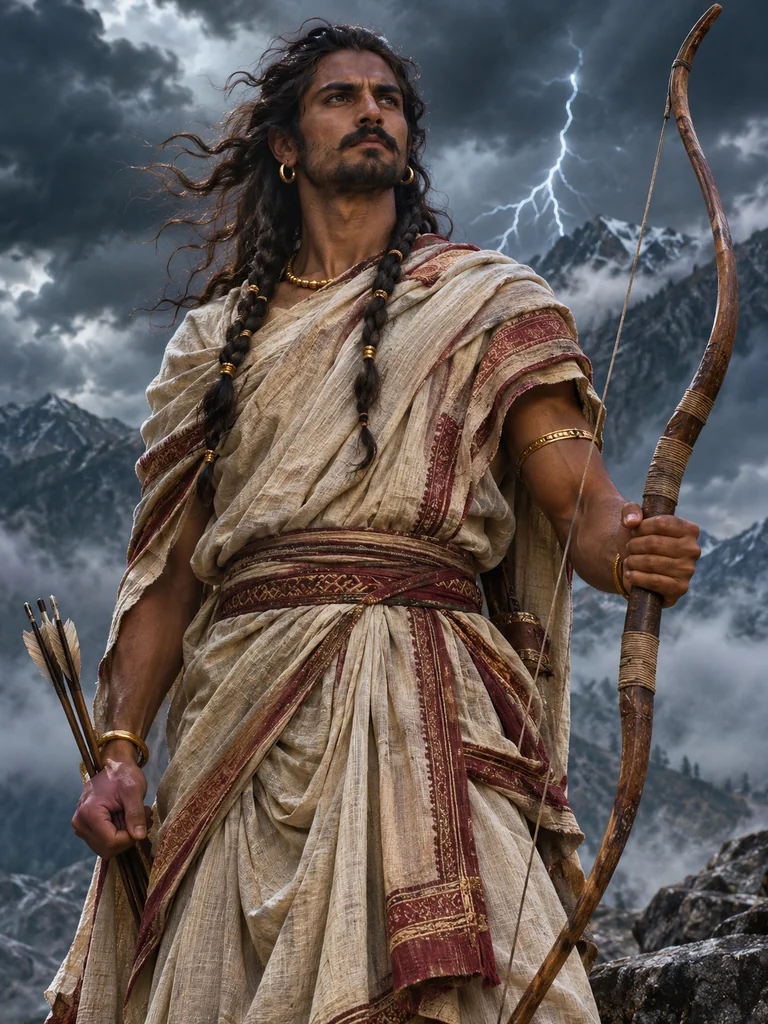
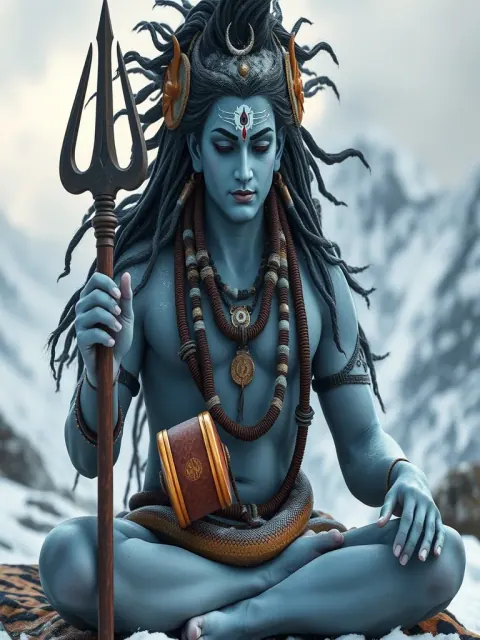
Portrait of Rudra, Hindu deity
Hindu
Tap or drag
Hindu

Rudra

The Archer of the Storm

Domain
Storm, Disease & Healing
Alignment
Chaotic Neutral
Element
Thunder
Relics of Power
Bow and Arrows of Rudra
Speak with Rudra

The full Codex

5 sections of this entry are open to everyone: the summary, the people, the symbols, the lineage and the sources. The other 9 (Name and epithets, In the ancient sources, The myths, Worship and archaeology, How the god was depicted, What scholars debate, After antiquity, Did you know?, Codex relic) are part of the full Codex: PRO opens the whole study of all 500 deities, and without a subscription you can read one full entry a day, just like in the app.

The People

People
Hindu peoples
Region
Indian subcontinent
Period
c. 1500 BC – present

The Hindu deities have been worshipped for over three thousand years across the Indian subcontinent, from the Vedic hymns to the living Hinduism of today. Billions of devotees dedicate to them temples, festivals such as Diwali and Holi, and daily rituals in the home. It is one of the largest religious traditions still practiced in the world.

Diwali lights up India with oil lamps in honor of Lakshmi, and Holi celebrates spring with clouds of colored powder. At the Kumbh Mela, the largest pilgrimage on Earth, tens of millions bathe in the sacred rivers, and daily puja brings flowers, incense, and food to the altars.
At a glance

Rudra is a god of the oldest hymns of India, the Rigveda, composed in Vedic Sanskrit around 1500–1000 BCE. The poets describe him as an archer with braided hair, lord of cattle and father of the Maruts, the winds of the storm. He is feared because his arrows bring disease and death, and invoked because his remedies heal. Among the 1,028 hymns of the usual edition of the Rigveda, only three are wholly dedicated to him (1.114, 2.33 and 7.46), and a fourth (1.43) shares him with other gods. Even so, he grows in the following texts: the Yajurveda gathers the Shatarudriya, the litany of the hundred names and formulas of Rudra, and the Shvetashvatara Upanishad (3.2) declares that Rudra is the one god, without a second. Later the name comes to designate Shiva, and Rudra becomes one of his principal titles. The primary evidence is entirely religious and ritual: there is no extensive narrative mythology about him in the hymns, and the few tales appear in the Brahmanas. This study separates what the Vedic texts assert from what the later Shaiva tradition read into them.

7 min read · Reviewed on November 6, 2026 · How we research

Sacred symbols

The bow, the arrows, the braided hair, the cattle and the medicinal herbs

Family

Parents
Heaven and Earth, according to Taittiriya Aranyaka 1.10.1, which names him together with BrihaspatiPrajapati, who brings the boy forth from fire in Shatapatha Brahmana VI.1.3
Siblings
Ambika, called Rudra's sister in the sacrificial formula (Vajasaneyi Samhita 3.57)
Rudra
Unions
Prishni, mother of the Maruts in the Vedic hymns (Macdonell, 1897)
Children
The Maruts (Rudriyas), gods of wind and storm, called sons of Rudra (Rigveda 2.33.1)
Genealogy according to Rigveda (1.43, 1.114, 2.33, 7.46, 7.59.12, 10.92.9); Vajasaneyi Samhita (3.57–61, 16); Taittiriya Samhita (4.5); Taittiriya Aranyaka (1.10.1); Shatapatha Brahmana (II.6.2, VI.1.3); Aitareya Brahmana (III.33); Shvetashvatara Upanishad (3.2, 3.4, 4.12); Macdonell (1897); Kramrisch (1981); Gonda (1970)

Sources and further reading

Primary sources

  • , .
  • , .
  • , .
  • , .
  • , .
  • , .
  • , .
  • , .

Studies

  • , .
  • , .
  • , .
  • , .
  • , .
  • , .
  • , .
  • , .

Name and epithets

Rudra is a Sanskrit word of disputed etymology. The Indian tradition of commentators derives it from the verbal root rud, "to cry, to howl", and the Shatapatha Brahmana itself (VI.1.3) ties the name to the weeping of th…

In the ancient sources

Rigveda 1.114, c. 1500–1000 BCE. A hymn attributed to Kutsa Angirasa. It asks Rudra to spare parents, children, cattle and horses, and calls him "with braided hair" in the first verse. Rigveda 2.33, c. 1500–1000 BCE.

The myths

The Boy's Weeping and the Eight Names of Rudra. In the Shatapatha Brahmana (VI.1.3), Prajapati brings forth a boy from fire, and the boy weeps because he has no name yet.

Worship and archaeology

The Vedic cult of Rudra is a cult of homage and of keeping away. The hymns of the Rigveda call him to ask for health, healthy herds and the absence of his weapon, and nothing indicates a temple of his in that period.

How the god was depicted

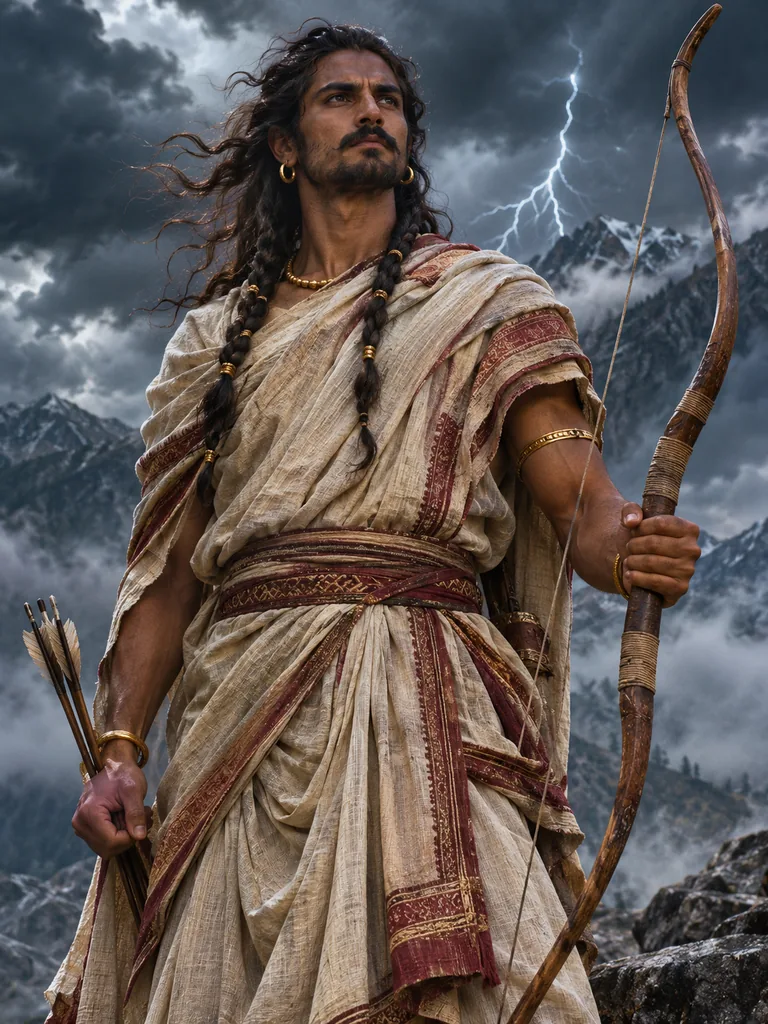
The Veda does not describe a fixed image of Rudra, but gathers traits. He is brown or tawny, shines like gold, wears golden ornaments (Rigveda 2.33.9–10), has braided hair (1.114.1) and carries bow and arrows.

What scholars debate

. The first debate concerns Rudra's nature. Is he a god of disease and death, or of healing? The hymns show the two faces together: the poet asks that the arrow not strike his own people and, in the same hymn (2.33), ca…

After antiquity

Rudra remains, but changes form. In the Brahmanas he is a form of fire and of the storm; in the Shatarudriya he gains a hundred names; in the Shvetashvatara Upanishad he is the one god.

Did you know?

The Rigveda has 1,028 hymns in the usual edition, and only three are wholly dedicated to Rudra. For comparison, Indra receives about 250. Even with few hymns, Rudra appears in about seventy-five passages.

Codex relic

Bow and Arrows of Rudra. The bow whose arrows bring disease and death, and which the hymns ask the god to turn away from his devotees.

The rest of this scroll is sealed

The legends, the myth, the cult and relics are part of the full Codex. You can open 1 full entry for free every day; to open all 500 deities with no limits and no ads, subscribe to Codex PRO.

See Codex PROGet it on Google Play

From the same pantheon

View pantheon