Skip to content
CodexMythologia
Back to the Codex
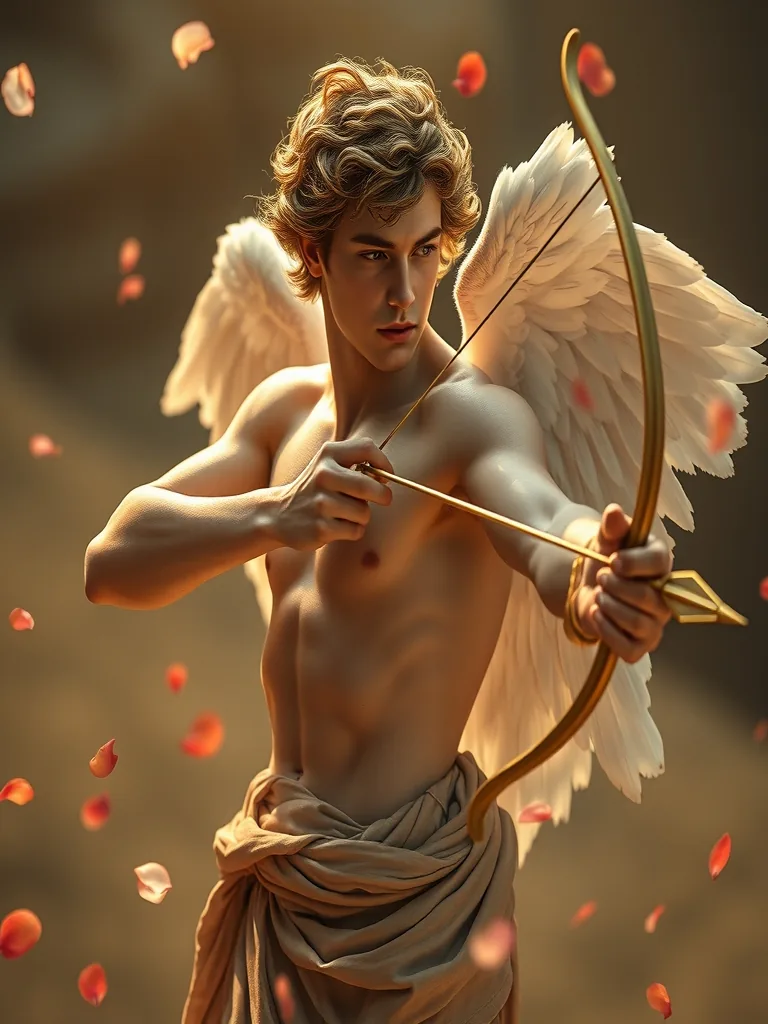
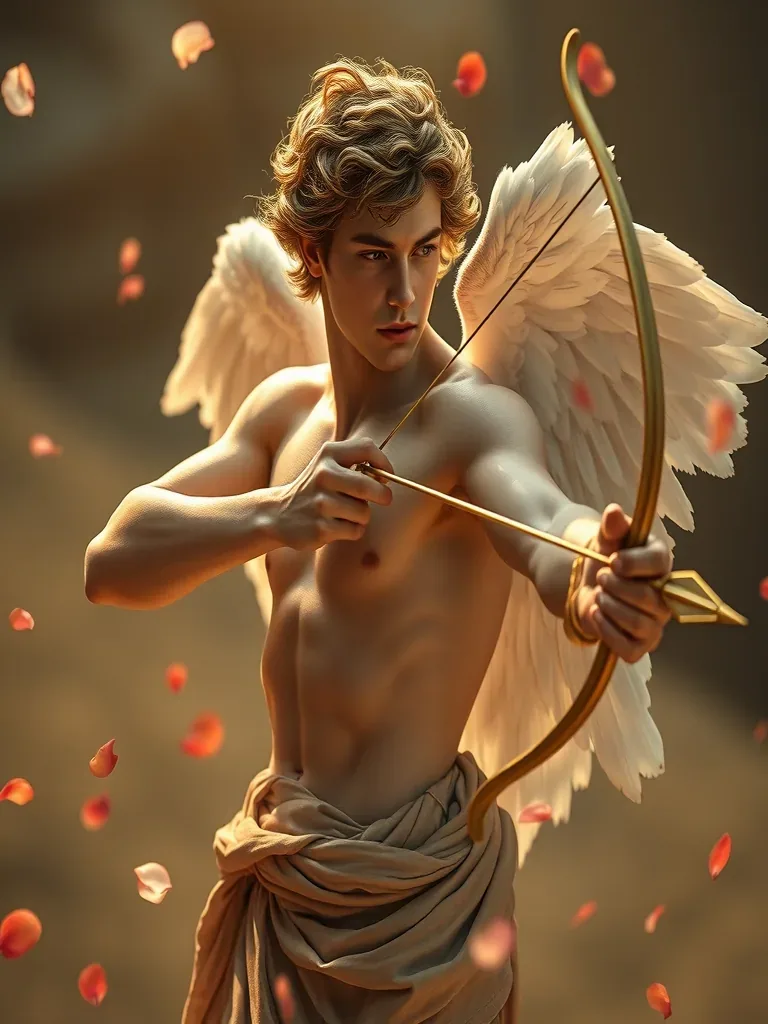
Portrait of Eros, Greek deity
Greek
Tap or drag
Greek

Eros

The God of Desire

Domain
Love & Attraction
Alignment
Chaotic Neutral
Element
Air
Relics of Power
Bow of Gold and Lead
Speak with Eros

The full Codex

5 sections of this entry are open to everyone: the summary, the people, the symbols, the lineage and the sources. The other 9 (Name and epithets, In the ancient sources, The myths, Worship and archaeology, How the god was depicted, What scholars debate, After antiquity, Did you know?, Codex relic) are part of the full Codex: PRO opens the whole study of all 500 deities, and without a subscription you can read one full entry a day, just like in the app.

The People

People
Ancient Greeks
Region
Greece & the Mediterranean
Period
8th c. BC – 4th c. AD

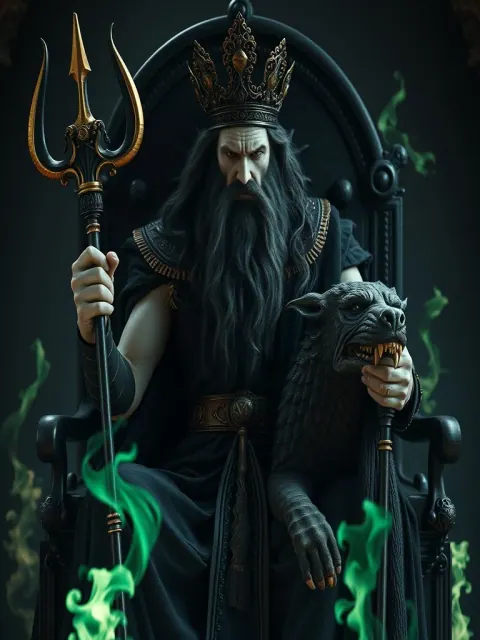
The Olympian gods were worshipped by the city-states of ancient Greece, from Athens to Sparta, which raised them temples such as the Parthenon. Reigning atop Mount Olympus, they presided over every aspect of life and were celebrated in festivals like the Olympic Games. Homer and Hesiod fixed their myths, which shaped all of Western culture.

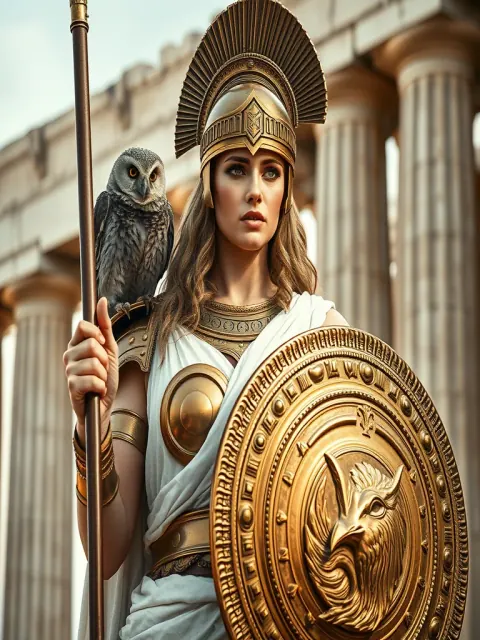
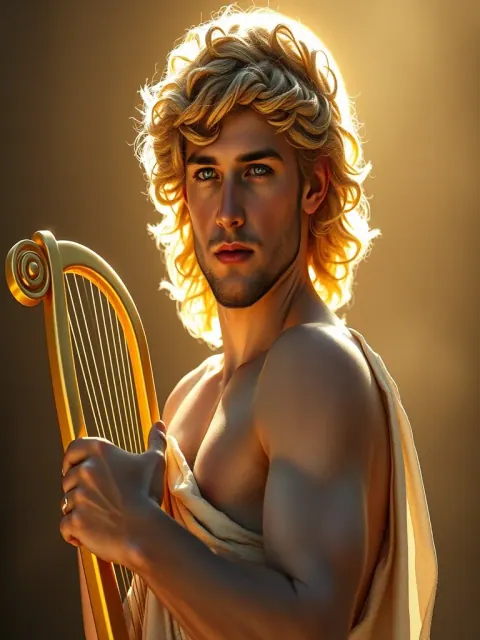
The Olympic Games were held every four years in honor of Zeus, and the Panathenaea celebrated Athena in Athens. The Eleusinian Mysteries initiated the faithful into the secrets of Demeter and Persephone, while crowds consulted Apollo's oracle at Delphi.

At a glance

Eros (Ancient Greek Ἔρως) occupies a unique theological position in ancient Greek religion and intellectual history, bridging the cosmic divide between an elemental cosmogonic power and an anthropomorphic winged god of irresistible psychological passion. In Hesiod's Theogony (c. 8th century BCE), Eros appears at the dawn of creation immediately following primordial Chaos and Gaia (Earth), lauded as the fairest among immortal deities, whose overwhelming potency loosens limbs and overpowers the rational mind and counsels of both gods and mortals. As the cosmic principle of generative attraction, he provides the metaphysical catalyst that rescues the primeval universe from barren stillness and sparks the generational unfolding of the cosmos. Alongside this archaic cosmogonic aspect, venerated in the Boeotian city of Thespiae under the aniconic form of an unworked sacred stone (argos lithos), archaic lyric poetry and classical drama transformed Eros into the winged son and constant companion of Aphrodite, accompanied by Himeros (Desire) and the Graces. In Plato's Symposium, through the renowned speech of Diotima of Mantinea, Eros is reimagined not as an Olympian enjoying self-sufficient perfection, but as a great mediating daimon — conceived by Poros (Resource) and Penia (Poverty) —, representing the restless human condition striving continually from material longing toward supreme metaphysical beauty and philosophical truth. During the Hellenistic and Roman eras, he became popularly known as Cupid or Amor, the mischievous winged archer armed with golden arrows that ignite devotion and leaden shafts that repel it, immortalized in Apuleius's mystical romance of Cupid and Psyche.

9 min read · Reviewed on September 30, 2026 · How we research

Sacred symbols

Bow and arrow, wings, torch and the blindfold

Family

Parents
Primordial Chaos in Hesiodic cosmogony (parentless); Aphrodite and Ares (or Hermes) in later lyric and classical traditions
Siblings
Anteros (reciprocated and avenging love), Himeros (impetuous desire), and Pothos (yearning and longing)
Eros
Unions
Psyche (mortal personification of the human soul elevated to Olympian immortality)
Children
Hedone / Voluptas (personification of spiritual and sensual pleasure, and ecstatic joy)
Genealogy according to Hesíodo, Teogonia (vv. 116–122); Parmênides, Sobre a Natureza (Fragmento B 13); Aristófanes, As Aves (vv. 693–702); Safo, Fragmentos (Fr. 130 Lobel-Page); Platão, Banquete (Symposion, 178a–180b e 201d–212c); Apolônio de Rodes, Argonáuticas (Livro III, vv. 111–166 e 275–298); Pausânias, Descrição da Grécia (Livros I, cap. 30.1 e IX, cap. 27.1–4); Apuleio, Metamorfoses (O Asno de Ouro, Livros IV.28–VI.24); Walter Burkert, Greek Religion (1985); Timothy Gantz, Early Greek Myth (1993)

Sources and further reading

Primary sources

  • Hesíodo de Áscra, Theogony (lines 116–122: the origin of Eros). translation: Portuguese-language version by Christian Werner, São Paulo: Editora Hedra (2013).
  • Plato of Athens, The Symposium (Symposion, 201d–212c). translation: Translation and introduction by Donaldo Schüler, Porto Alegre: L&PM Editores.
  • Pausanias the Periegete, Description of Greece (Book Nine, Boeotia). translation: Translation with archaeological notes by Maria Helena da Rocha Pereira, Fundação Calouste Gulbenkian.
  • Lucius Apuleius, The Golden Ass (Metamorphoses, the tale of Cupid and Psyche). translation: Classic translation by Ruth Guimarães, São Paulo: Editora Cultrix.

Studies

  • Claude Calame, The Poetics of Eros in Ancient Greece. Princeton University Press, 1999.
  • G. R. F. Ferrari, Listening to the Cicadas: A Study of Plato's Phaedrus and Symposium. Cambridge University Press, 1987.
  • Timothy Gantz, Early Greek Myth: A Guide to Literary and Artistic Sources. The Johns Hopkins University Press, 1993.
  • Bruce S. Thornton, Eros: The Myth of Ancient Greek Sexuality. Westview Press, 1997.

Name and epithets

The theonym Eros (Ἔρως, genitive Ἔρωτος) stems from the archaic Greek noun denoting passionate, romantic desire, closely related to the verb erao (ἐράω, 'to desire passionately' or 'to be in love').

In the ancient sources

Theogony (Hesiod), C. 700 BCE. Establishes Eros emerging immediately after Chaos and Gaia as the fairest among immortal deities. Symposium (Plato), C. 385–370 BCE.

The myths

The Trials of the Soul and the Secret Bridal Chamber of Psyche. As preserved in Apuleius's Metamorphoses, an exceptionally lovely mortal princess named Psyche earned such widespread admiration that citizens neglected Ve…

Worship and archaeology

The primary historical sanctuary of Eros was located at Thespiae in Boeotia, nestled beneath Mount Helicon. In this archaic precinct, worshippers venerated the deity not in human likeness, but in the sacred form of an '…

How the god was depicted

The artistic representation of Eros underwent a dramatic stylistic and theological evolution. During the Archaic and Classical periods (6th to 4th centuries BCE), black-figure and red-figure pottery alongside monumental…

What scholars debate

Primordial Cosmogonic Deity versus Hellenistic Playful Cherub. Classical scholars such as Walter Burkert and Timothy Gantz have analyzed the striking split between Hesiod's cosmogonic Eros — an unbegotten, awe-inspiring…

After antiquity

Eros has endured as a defining archetype of Western culture, shaping Renaissance Neoplatonism in Marsilio Ficino's 'De Amore', inspiring masterpieces of sculpture and painting such as Canova's 'Psyche Revived by Cupid's…

Did you know?

For centuries, the citizens of Thespiae revered their archaic unworked stone (argos lithos) with greater ritual sanctity than the world-renowned marble masterpiece sculpted by Praxiteles that stood beside it.

Codex relic

Bow of Gold and Lead. A bow with golden arrows that awaken passion and leaden arrows that provoke aversion.

The rest of this scroll is sealed

The legends, the myth, the cult and relics are part of the full Codex. You can open 1 full entry for free every day; to open all 500 deities with no limits and no ads, subscribe to Codex PRO.

See Codex PROGet it on Google Play

From the same pantheon

View pantheon